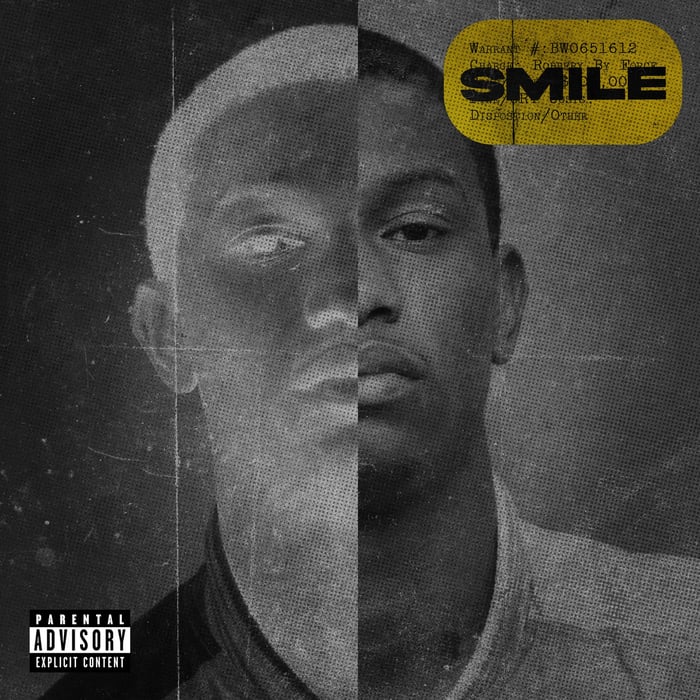
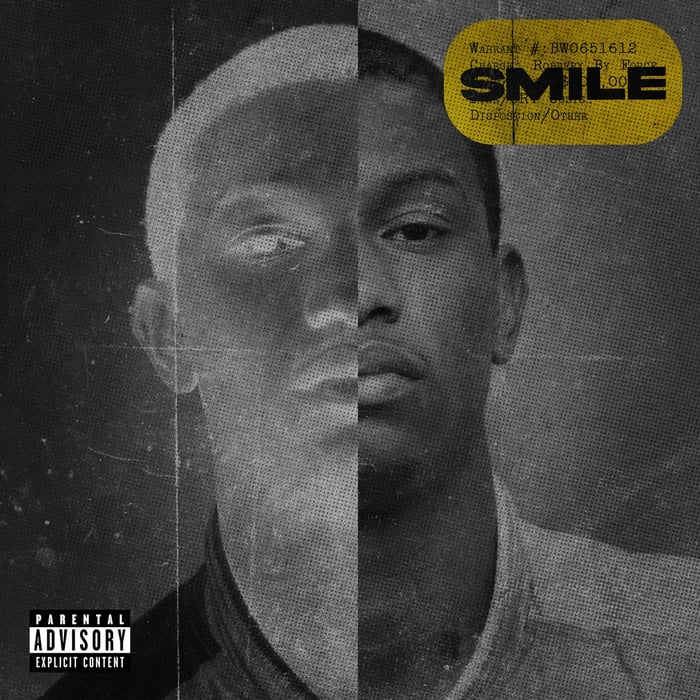
Nick Grant Smile Album Review: The “Smile” Is a Dare, Not a Mood


 See more Architeg Prints stories on Google.
Nick Grant Smile Album Review: The “Smile” Is a Dare, Not a Mood
Nick Grant Smile isn’t here to charm you—it's here to prove a point, track by track, with one awkward misstep and a lot of earned nerve.
A quick note before the music swings
This piece began life in Japanese and got translated into English, so if a phrase occasionally lands a little sideways, that’s why. Honestly, it fits: Nick Grant Smile is an album about saying something plain… and still not being “easy.”
The porch origin story isn’t cute—it's the whole engine
Here’s what I hear underneath this record: a kid on a grandmother’s porch in Walterboro, South Carolina, getting dared into writing—and then refusing to stop for a decade. Walterboro’s described like a place you can count on one hand: about 5,000 people, two traffic lights, and a bypass highway that basically exists to help other people leave faster.
That detail matters because Smile sounds like someone who learned early that nobody’s coming to hand you permission. The album’s not begging the industry to figure him out; it’s Nick deciding he’s done waiting for the scouting department to wake up from its nap. You can disagree, but I think the core intent here is simple: prove you can’t ignore him anymore, even if you want to.
Eight wins out of ten—and one track that faceplants on purpose (or not)
The album mostly earns its slots the old-fashioned way: one solid track at a time. I’m hearing eight of the ten as real keepers—songs that feel built, not just uploaded. But yeah, there’s a weak link, and it’s not subtle.
“Dope Bitch” is the one moment where the album starts sounding like it’s trying on somebody else’s outfit in a dressing room with bad lighting. The beat leans clubby, the references feel thin (the Fenty name-drop doesn’t deepen anything), and the hook just loops “dope bitch” like repetition alone is supposed to count as a concept. Maybe the idea was to show he can do “that” too. If so, it’s the least convincing flex on the record.
I’ll admit, on first pass I wondered if I was being too picky—maybe it’s meant as a palate cleanser. But the more I replay the album, the clearer it gets: this track interrupts the point Smile is making everywhere else.
“Money Problems” is where the album stops performing and starts confessing
Coming off that wobble, “Money Problems” snaps the album back into focus with real weight. The production rides on Yuri’s thick bass and crisp snare, and Grant uses that backbone to list the ways money keeps its hand on your throat even when you pretend you’re above it.
What hits hardest is the emotional math he refuses to dramatize. He mentions his aunt overdosing. He mentions his grandmother putting up chalk signs forbidding visits. And then—almost offensively—he keeps the same tone when he pivots to something as casually material as Triple Goose. That’s the point. Grief doesn’t get a special sound effect. Life doesn’t pause the beat.
One couplet is the only place where the delivery noticeably breaks from that steady voice:
“Last saw you on your birthday / Next time was at her grave.”
That shift lands because the music doesn’t “make room” for grief—Grant just drops it in the middle of the same flow. You could argue the song should open up more emotionally, give the moment more space. I get that. But I think the refusal is intentional: the track is saying money problems and death problems are the same problem when you’re living inside them.
“Sensitive Gangsta” spells out the thesis, no mystery required
If you want the record’s argument in plain English, “Sensitive Gangsta” lays it out over somber B. Daniel samples and lean drums. It’s not “sensitive” like soft-focus vulnerability. It’s sensitive like an exposed nerve—everything hurts, and you still have to function.
Grant dissects what I’d call the rap economy of gangs:
- filming beef for posts like it’s content strategy
- fabricating positions to secure allies (the politics of image)
- signing deals for a few million like that’s the finish line
- then watching a son get killed over dice anyway
It’s blunt to the point of discomfort, and that’s why it works. Some listeners will want metaphor, more poetry, more “art.” I think Grant’s avoiding prettiness on purpose. The whole track feels like he’s saying: you wanted the real story? Fine. Here’s the invoice.
One thing I’m not totally sure about: the title risks making the idea sound trendier than the writing actually is. The song is sharper than its label.
“Same Song” is the moment Grant turns rhythm into a lecture
“Same Song” (produced by Stoic) is where the album gets almost technical about control. The beat stacks two closely related soul samples over a hard drum break, and then it does a sneaky thing: it moves into bassless sections where the vocals and drums feel exposed.
With TDE’s Ounch involved, Grant rides those stripped parts chanting:
“Motherfucker keep your hands high.”
And the way he locks his flow matters. He hits the downbeat so cleanly that consonants feel like percussion. The kick becomes a ruler. Lines like “BBLs and injections” land right beside “bad karma, big pharma and slave town” with the same rhythmic authority—like he’s saying all of it belongs in the same file folder. That’s an arguable choice. Some people will hate that equalizing effect, think it flattens nuance. I think that’s exactly why it bites.
The ghost of co-signs is gone—and that’s the real glow-up
There’s history sitting behind Smile that you can hear in the posture. Back in 2016, Grant’s mixtape ‘88 had big names attached—Killer Mike, BJ the Chicago Kid, and Big K.R.I.T. And at 27, he had the kind of cosigns people treat like a lifetime membership card: André 3000 and Nas signing him while he was still based out of his grandmother’s house.
That kind of support comes with an unspoken demand: prove you belong here. But here’s what’s interesting—those cosigns aren’t sitting in the credits now, and the writing didn’t collapse without them. If anything, it got freer.
On “Generational Runs/No Shortcuts,” he raps:
“I’ve shed some gray waiting for your dismissals.”
It sounds like a joke when he says it, but it doesn’t read like a joke. It reads like a man documenting time wasted on other people’s permission. And the album’s biggest flex might be this: what ‘88 felt like—waiting for someone’s “best opinion”—doesn’t matter anymore.
I thought I’d miss the sense of “event” those guest names bring. On second listen, I realized the opposite: the absence makes the album feel more like a decision than a campaign.
“Razor Ramon” is the feature showcase—and it quietly proves Grant’s strategy
“Razor Ramon” is where the guest verses don’t just decorate the track; they sharpen the argument. CyHi’s opening verse is, to my ear, the tightest writing on the album. He starts throwing images that move like knives—“crooked pastor in the pulpit”—then flips into a wild line like:
“I carve your face / As if I was a French chef, I’m talking garde manger.”
Grant’s style tends to favor straightforward lyrics that smack the downbeat clean. CyHi’s doing something else: denser syllables, playful nested patterns inside a 16-bar grid. And here’s the part that matters—CyHi ends his verse by cutting the playful bits and keeping the density:
“Smoke whoever like Bishop did Radames.”
That decision feels like a micro-version of what Smile is doing overall: start with charisma, then stop smiling and get serious before anyone mistakes you for entertainment only.
And yeah, Ransom’s verse deserves the pause it demands:
“And even though we thinking the same, it’s just fruits that’s low-hanging produced a throat strangling.”
That’s not just wordplay; it’s a warning. The “easy” ideas are still dangerous ideas when they’re delivered right.
So what is Smile actually doing? It’s refusing the usual kinds of “depth”
The album’s title is Smile, but the record doesn’t sound like cheer. It sounds like someone showing teeth because that’s what people interpret as friendliness. I kept waiting for a softer emotional payoff—some big release where the music finally exhales. It mostly doesn’t. Even the personal moments stay inside the same steady delivery, like Grant refuses to let pain become performance.
That’s going to irritate some listeners. If you want obvious emotional crescendos, this album can feel stubborn. But I think the stubbornness is the point: the writing keeps insisting that the world doesn’t pause for your tragedy, so the rapper won’t either.
Favorite Track(s)
- “Money Problems”
- “Razor Ramon”
- “Everyday I Wake”
Conclusion
Smile plays like a long stare held a second too long. It’s Nick Grant taking the dare from that porch and turning it into a grown-man policy: no scouting, no waiting, no begging for the stamp. One weak detour (“Dope Bitch”), but the rest of the record earns its place by being direct, structured, and weirdly brave about how un-romantic real life sounds.
Our verdict: If you like rap that treats craft like a job and honesty like a weapon, you’ll actually like Nick Grant Smile—especially if you’re tired of albums that confuse mood lighting for substance. If you need every hook to be a party or every sad line to come with a violin and an apology, this one’s going to feel like getting left on read.
FAQ
- Is Nick Grant Smile more lyrical or more vibe-based?
It’s lyrical first. Even when the beat knocks, the album keeps dragging your attention back to the writing and the way the lines hit the drums. - What’s the weakest moment on the album?
“Dope Bitch” is the clear low point: clubby beat, thin references, and a hook that doesn’t evolve. - Which track shows the album’s personal side best?
“Money Problems,” especially when he drops the birthday-to-grave couplet without changing his tone like grief doesn’t get special treatment. - Do the guest verses matter, or are they just name value?
They matter. CyHi in particular shifts the energy by getting denser and then deliberately tightening the mood at the end of his verse. - What should I listen for on a second playthrough?
Listen to how often Grant refuses “big emotional moments” musically—he keeps the same delivery through heavy details, and that choice is basically the album’s philosophy.
If you’re the type who treats album art like part of the statement, you can always put that obsession to work—shop a favorite album cover poster at our store: https://www.architeg-prints.com/
 | DISCOUNTGET 30% OFF*Use code on your next order:
|
* This post may contain affiliate links, meaning we earn a commission if you make a purchase through these links, at no additional cost to you.