Ragz Originale Keepsake Album Review: A 3-Minute Love Spiral


 See more Architeg Prints stories on Google.
Ragz Originale Keepsake Album Review: A 3-Minute Love Spiral
Ragz Originale’s keepsake album turns fashion, flights, and flings into tight little loops—then cuts them off mid-thought like that’s the point.
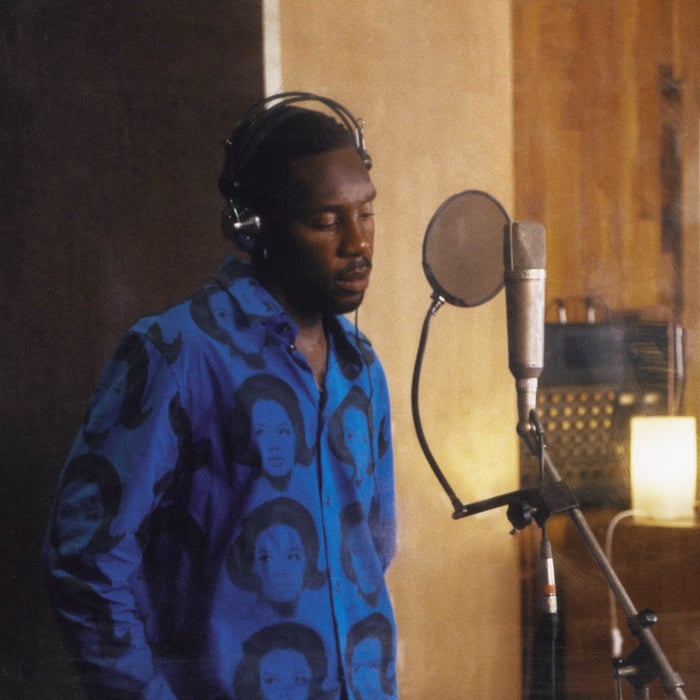
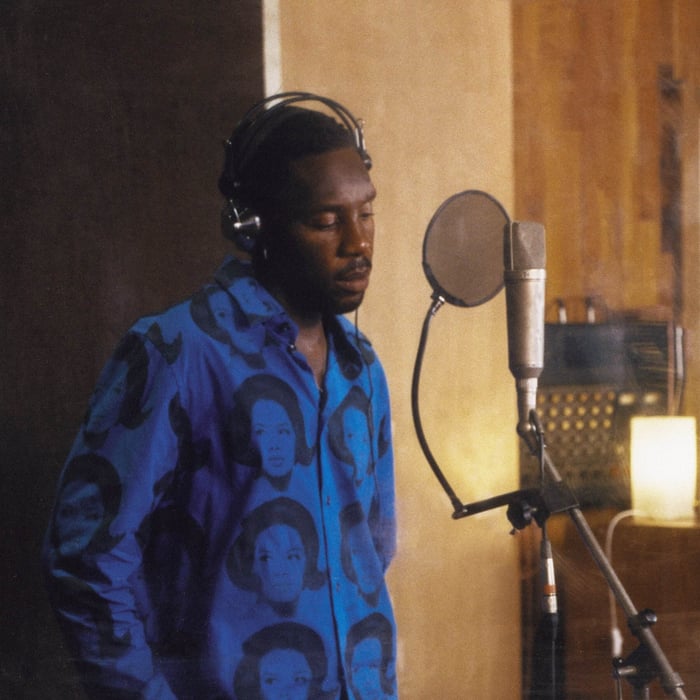
The trick here is the exit: he leaves before you can
This album doesn’t really “flow.” It vanishes—track after track—like Ragz Originale keeps hitting send and then tossing his phone into the Thames. And at first I mistook that for laziness. On second listen, it felt more like a creative rule he’s willing to die by: eight bars, repeat it, wrap it in under three minutes, don’t over-explain, don’t beg.
That rule is basically the personality of keepsake album. The songs are short enough to feel like they’re refusing intimacy. Which is funny, because the subject matter is almost entirely intimacy—wanting it, buying it things, flying for it, getting embarrassed by it, getting poisoned by it, and pretending you’re not.
From “Shutdown” prestige to factory-clock reality, you can hear the impatience
Before this record even starts “talking,” you can sense the backstory in the way it moves: this is someone who’s been in rooms with famous people, made crucial music, got the shiny nomination attention, then still had to go clock in at a day job while other artists decided whether they needed him.
That context matters because keepsake album sounds like it was built by a person who got tired of waiting for permission. It’s self-produced and it has that “I’m not asking anymore” snap to it. The urgency isn’t just sonic; it’s structural. The tracks end like he’s slamming a laptop shut.
And yeah—he’s admitted to grinding through years of bad songs to arrive at this minimal philosophy. You can tell. Not because it sounds amateur, but because it sounds edited. Like he learned which parts of himself are worth keeping and which parts were just him trying to impress someone else.
“wake up hustler” is the one time he talks to himself—and it hits harder
This opener doesn’t seduce you. It warns you.
You get this inventory of depletion: lonesome road, fear that won’t save you, spirit worn down, emotions overdrafted. It’s not decorative misery. It’s a checklist. And the hook’s plea—“don’t freeze”—lands like the only instruction on the whole record that isn’t aimed at a woman.
Demae’s presence thickens the atmosphere too, like the air got humid with anxiety. If the rest of the album is Ragz performing desire, “wake up hustler” is him admitting he’s scared the hustle won’t hold.
Arguable statement: this track is the emotional core, and it’s inconveniently placed at the start—because almost everything after it tries to distract you from what he just confessed.
“archive prada” turns name-drops into a bruise
Here’s where the album shows its main language: fashion as emotional shorthand.
On “archive prada,” Ragz rips through designer names—Archive Prada, Saint Laurent, Wales Bonner, Margiela, Mowalola—like he’s swiping his card to keep a conversation alive. It’s flexing, sure, but it’s also bargaining. The detail that stings is that the woman won’t even look at him. So all those labels turn into evidence of someone buying volume instead of getting listened to.
Then Cosima slides in with the quietest dagger: “Do you think I’m pretty?” The whole song tips sideways right there. Ragz is spending; she’s floating somewhere else entirely. When the line “I still don’t know you” arrives, it doesn’t feel like plot—it feels like the receipt printing.
I’m not totally sure whether Ragz means this as self-critique or just documenting the vibe. But the ambiguity works because that’s what these situations feel like: you don’t know if you’re being romantic or being played until after.
Arguable statement: the designer roll-call isn’t shallow—it's the point, because it’s how he admits he doesn’t have access to her real interior.
“couture” is the album’s sharpest metaphor—and it makes other lines look lazy
The next step is “couture,” where he basically calls the relationship a garment—tailored “from the source.” It’s a better lyric than a lot of what surrounds it, and it almost exposes the album’s weak spot: Ragz can write a clean image when he wants, but sometimes he chooses vibe over specificity.
That choice feels intentional. Like he’d rather be slippery than pinned down. Still, when he does give you a clean idea, the record suddenly has spine.
Arguable statement: if more of keepsake album wrote with this kind of precision, the short runtimes would feel like elegance instead of escape.
When the name-dropping gets too crowded, “high calling” starts to blur
“high calling” is where the album’s “style-as-language” approach starts to overload. The references stack up—dressing, skin tone, Bali, origami, nakajamis—and eventually I stop being able to tell what any of it says about the person he’s chasing.
That’s the risk of using luxury and location as emotional vocabulary: it can turn the person into a mood board. I kept waiting for one plainspoken line that would anchor the song emotionally. It doesn’t arrive.
This is a mild criticism, but it matters: the eight-bar method is ruthless, and when the bars are mostly nouns, the song doesn’t collapse—it just evaporates.
Arguable statement: “high calling” feels like Ragz trying to hypnotize himself into thinking the relationship is deeper than it is.
“mad ova u” proves his best weapon is the quick detail
Halfway around the world, he gets practical.
On “mad ova u,” Ragz logs time and money spent flying to New York for a girl. It’s not dreamy; it’s accounting. He calls himself a “bedrock bandit,” throws in the line about “don’t break fast but you can break a heart,” and keeps it moving like he’s afraid sentimentality will catch him.
Then the outro hits: a voice note warning him that if he moves to New York he’d better find another hustle—and reminding him how much money he’s about to burn on Ubers.
Honestly, that voice note is the best part of the track. Not because Ragz isn’t good on it—he is—but because the voice note punctures the fantasy. It’s the outside world walking into the song like, “Hey man, this is getting expensive.”
Arguable statement: Ragz’s smartest songwriting move on this album is letting other voices show up, because they say what he won’t.
“tied up” admits the rot, not just the romance
By the time “tied up” starts, the relationship isn’t cute anymore. You can hear the backlog: chapters burned through, resentment that benefited somebody else, family members turning into strangers, love popping a fuse.
And the outro is blunt in a way the rest of the album only flirts with: you love the city, but you don’t want to do the most. That line sounds simple, but it’s basically the album’s thesis about boundaries—spoken by someone who keeps crossing their own.
Arguable statement: “tied up” lasts because it’s not trying to sound smooth; it’s trying to tell the truth before the clock runs out.
“same bed” is the album’s most repetitive hook—and that’s why it’s believable
“same bed” goes straight for a specific humiliation: a woman answers the door in no underwear, and there’s clearly another man in the picture who doesn’t know what’s going on.
Ragz loops the question—“Do you really think it’s fair what you’re doing?”—over and over, and the repetition is the point. He’s not asking because he expects an answer. He’s asking because he can’t accept that there won’t be one.
If someone told me this hook is too simple, I’d disagree. It’s simple the way real-life arguments are simple: nobody delivers a monologue; they repeat one sentence until it loses meaning.
Arguable statement: this is one of the few times on keepsake album where the short runtime feels merciful instead of abrupt.
When he has something to say, the three-minute rule feels like discipline
Here’s the dividing line I kept hearing: Ragz is strongest when he writes past the come-on and into the mess.
When the songs are about the actual contradiction—wanting someone who won’t commit, spending to feel chosen, getting treated like a convenience—he becomes pointed enough to outlast the brevity. The tracks don’t need to be longer because the idea is dense.
That density is why “archive prada,” “mad ova u,” and “tied up” stick. They don’t just “sound good.” They land a specific emotional situation and get out.
Arguable statement: the album’s best moments aren’t choruses—they’re the little admissions he tries to sprint past.
When he doesn’t, the eight bars don’t save him—they expose him
Then you hit the weaker pockets, and the album’s philosophy starts acting like a spotlight.
“all gas no brakes” runs on “sexy ladies in the house,” “bad bitch behavior,” and not much else. It’s not unlistenable—it’s just thin. It feels like Ragz leaning on atmosphere because he didn’t have a real scene to write.
And “play along” mostly coasts on “hey sexy, keep glowing,” with one verse about crashing down a hill, wheels spinning. Two minutes later it’s over, and I’m left with that oddly empty feeling of: wait, what actually happened besides the vibe?
At first I thought these tracks were just palate cleansers. But after a few listens, I started hearing them as the album’s accidental tell: Ragz’s method is brilliant when he has substance, and kind of brutal when he doesn’t. There’s nothing to hide behind. No bridge to rescue you. No third verse to complicate the picture.
Arguable statement: the “vibe-only” songs don’t just drag—they make the stronger songs look even more emotionally literate by comparison.
The closer “keepsake” finally stops chasing and starts swinging
The title track flips the posture. Instead of pleading, he’s defiant—rapid-fire bars about spelling his name right, keeping non-believers at the bottom of the bass line, and tagging the whole thing with “this is for people with taste.”
It’s a flex, sure, but it also feels like self-protection. After an album of running after women who won’t fully show up, he ends by building a fence around his own name.
And it matters that “keepsake” and “wake up hustler” are basically the only songs here that aren’t primarily about chasing a woman. A fuller version of Ragz shows up in those two—someone with internal pressure, not just external desire. I can’t help wishing the album chased that guy a little harder.
Arguable statement: the album’s most compelling storyline is Ragz vs. Ragz, and it only appears at the edges.
Conclusion
keepsake album is what happens when someone turns their impatience into a format: short songs, tight hooks, and emotional exits that feel intentional—even when they’re frustrating. When Ragz writes about the actual consequences of wanting the wrong person, the record stings. When he falls back on slogans and scenery, the whole minimalist philosophy starts to feel like a timer going off before the idea is done cooking.
Our verdict: People who like sleek, modern R&B-adjacent confessionals with sharp London taste-language will actually enjoy this—especially if you respect an artist who refuses to overstay. If you need big narrative arcs, lush bridges, or lyrics that explain themselves, you’ll bounce off this album fast and complain it “ended early,” which is… sort of the point.
FAQ
- What is the core idea behind the keepsake album’s short songs?
The tracks feel built around a strict rule—get in, say the thing in a tight loop, and leave before it turns into begging. - Which songs feel the most emotionally specific?
“archive prada,” “mad ova u,” and “tied up” stick because they name the cost—money, pride, time—without turning it into abstract mood. - Does keepsake rely on fashion references too much?
Sometimes. When the name-drops reveal insecurity, they work. When they pile up without a clear emotional target (like parts of “high calling”), they blur. - What’s the most revealing moment on the album?
The “mad ova u” voice note outro—because it punctures the romantic fantasy with logistics and money reality. - Is the closer “keepsake” a victory lap or a defense mechanism?
More defense than victory. It’s him reclaiming his name after spending most of the record sounding like he’s waiting to be chosen.
If this album’s whole thing is “taste,” you might as well put that taste on your wall—grab a favorite album cover poster anytime at our shop: https://www.architeg-prints.com
 | DISCOUNTGET 30% OFF*Use code on your next order:
|
* This post may contain affiliate links, meaning we earn a commission if you make a purchase through these links, at no additional cost to you.