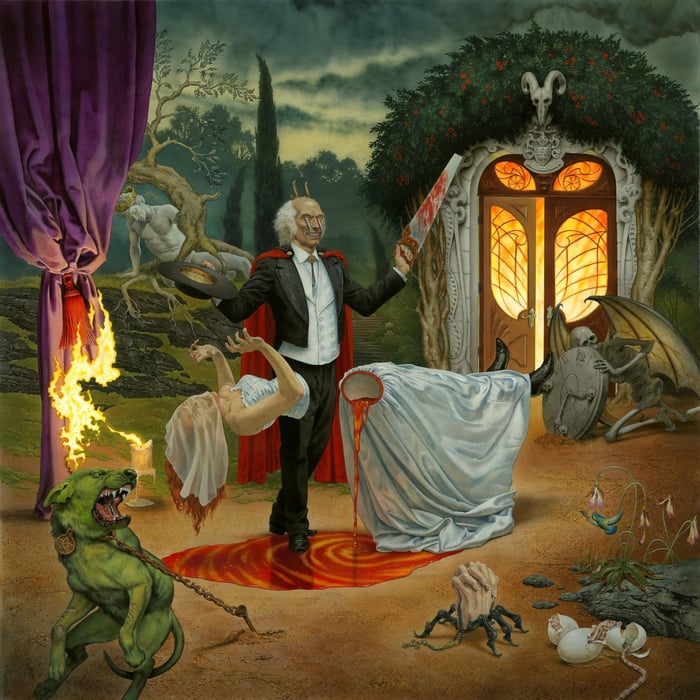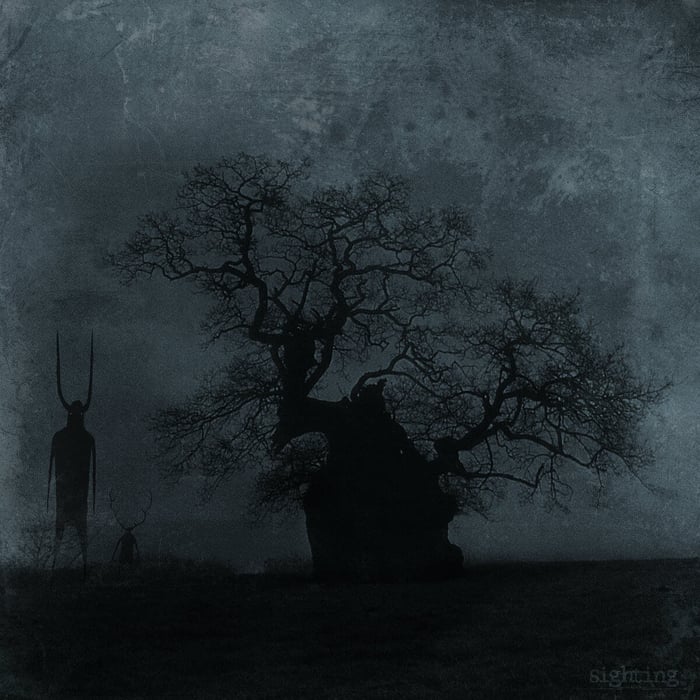
Sighting Album Review: doseone’s Doomsday Shopping List (and It Slaps)


 See more Architeg Prints stories on Google.
Album Review: sighting by doseone, Wino Willy & Zetroc
Doseone’s sighting album delivers a relentless rap critique of survivalism, capitalism, and panic culture with blistering wordplay and vivid imagery.
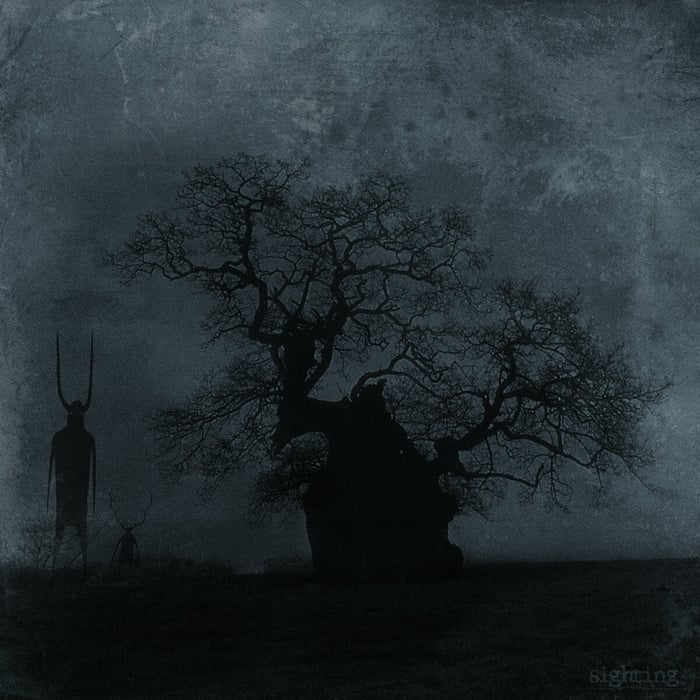
This record doesn’t knock—it installs a blast door
There’s a particular flavor of modern dread that comes pre-packaged now, like you can add it to cart with free shipping. And sighting—this sighting album by doseone with drummer Wino Willy and synth handler Zetroc—sounds like it was written while doomscrolling a luxury bunker brochure and laughing so hard you start coughing.
I kept thinking about the rich-guy “basement” fantasy: sprawling land, private infrastructure, a fallout shelter framed as a home improvement project. Meanwhile, down the road from that kind of money, fear gets sold to everybody else in bulk—freeze-dried meals, seed packets, water filters, little workshops that promise you can outlive your neighbors if you learn how to field-dress a deer on a weekend. This album stares right at that economy and starts naming the price tags on your lungs.
And doseone doesn’t “comment on it.” He attacks it like it’s personal. Because it is.
Doseone’s whole career has been training for this kind of ugly
The voice here isn’t new, just newly locked-in. Adam Drucker—doseone—came out of mid-’90s battle circuits in Cincinnati and later found the Bay Area’s weirdo oxygen tank, becoming part of Anticon in 1998: a home for the kind of rap heads major labels couldn’t digest without choking.
That whole path matters because sighting doesn’t feel like a late-career reinvention. It feels like the same mind that made long, fog-thick suites with cLOUDDEAD, got hyper-technical with Themselves, took a left into art-rock weirdness with Subtle, and linked with The Notwist on 13 & God—just turning its attention toward the current disaster aisle.
What surprised me, though, is how little nostalgia this has. No “remember when underground meant something.” This is present tense. It’s him standing in the store with you, reading ingredients off the label, then calmly telling you the label is lying.
And his style? Still unmistakable: live-wire speed, alliteration that scrapes, free association that somehow lands like a diagnosis, and jokes that come packaged with a shovel. Three puns, then a burial—sometimes in the same bar.
“Hill of Pills” is the medicine cabinet as a stock exchange
This album’s first rule is basically: open the medicine cabinet and stare until it starts talking back.
“Hill of Pills” takes luck—plain dumb luck—and treats it like a commodity you can manufacture, test, and sell back to desperate people. The images pile up: luck harvested from giant Jurassic dice, cross-bred with plants, trialed on lab mice, then put up for sale to the “broken patient” like it’s just another supplement with a shiny label.
The part that stuck with me isn’t even the grossness—it’s the cheerfulness of the transaction. He’s not just describing corruption; he’s showing how smoothly it can purr.
“6 million ways to die indentured.” — doseone
He plays it like a campaign slogan because, honestly, it already is one. And then the song still ends with him dead anyway—only now he’s died rich, floating up “light as a feather” while servants cower. That’s the sick joke: the system kills you, but it can make you feel like a king while it does.
If there’s a flaw, it’s that the concept is so sharp it almost doesn’t need all the extra decoration. But doseone doesn’t do minimalism when he can do cathedral-of-clutter.
“Desert Measures” sells you revolution like a branded hoodie
The album doesn’t just hate the bunker fantasy; it hates the entire marketplace of pretend resistance.
On “Desert Measures,” the line “Revolution is a product” lands like he’s tired of watching people turn rage into merch. And the beat/energy makes it feel like the pitch is happening inside your head—the “milk worm in your brain” getting fed.
Then the track starts forecasting the decade as less “roaring” and more “wheezing,” and it gets nastier from there: a grotesque parade of executions aimed at the owning class. Billionaire heads rolling. Cops force-fed wasps. Badges fracked for ore under Mount Rushmore. It’s cartoon-medieval violence on purpose—like he’s using Looney Tunes logic because reality has already become too absurd to satire politely.
I’ll admit: I wasn’t sure this section fully worked the first time. It keeps going for a whole third act past the point where the message is already clear. On second listen, I started to hear the point of the excess—he’s recreating the unstoppable, content-churn feeling of outrage itself. Still, there’s a moment where I caught myself thinking, okay, I get it, you can put the guillotine down now.
And hovering behind it is a very specific kind of real-world rich-guy paranoia: tech-billionaire types asking about shock collars and how to keep armed guards loyal when money stops working. The album doesn’t need to name names; it understands the psychology. The fear at the top is always that their own tools will turn on them.
“Hey Chaos” is where the album stops cackling and starts teaching
After all that Ahab-grade fury, the record drops something like ballast: “Hey Chaos.”
It opens with beasts sprouting in men and drags the Constitution into the room like a haunted object—slavery as a permanent clause, not a historical footnote. Then it flips into a survivalist game-show mood, like you’re being quizzed while the world burns:
Can you build a shelter? Waterproof a lean-to? Forage for food in the financial district? Filter rainwater with nothing but your brain or some antique pocket watch?
The joke is that nobody wins. The questions aren’t there to empower you; they’re there to show you how absurd it is that survival has become homework assigned by the same system that profits off your collapse.
And doseone drops one of those lines that sounds like it should be on a plaque somewhere uncomfortable:
“A table of white men will price your wellness.” — doseone
That bar doesn’t need ad-libs. It just sits there, heavy. He paints the scene: the pricing committee smoking, listening to late-era Elvis, never having to swallow the snake oil they sell. Then he traces the loop—prescription written before the disease, commercial filmed before the victim even gets sick, in case the salesman gets sick. The cruelty is automated; the timing is preloaded.
By the end, it circles back to birth itself: a baby shoved into the world with lights and forceps, entering a marketplace that already has your file. That’s the horror here—your consumer profile arriving before you learn how to talk.
“Closing Cuts” turns labor into science fiction, then makes it personal
That baby grows up and clocks in.
“Closing Cuts” starts with one of those doseone lines that feels like it should sting your ear physically:
“Hold a dollar to your ear / To hear the tree it used to be scream.” — doseone
Then he walks you through the day like it’s a workplace tour narrated by someone dissociating just enough to survive. R&D. Seed-money dreams. Lithium chips getting licked clean in service of some grand robot scheme. Night shift dragging on until the last clock-out, chasing a tip you never get.
And the best move here is how time itself becomes part of the con—an hourglass waist sculpted while the robot feasts on powdered greed. He frames it like the only thing they can’t take is your spirit, which sounds inspirational until you realize it’s also a threat: they’ll take everything else, gladly.
He vows to carve his career down to the bone and make a weapon out of it—“a club for the new season.” That image matters because it’s not just “art will save me.” It’s “I’m going to make something blunt enough to swing back.”
Then there’s this contrite thread running underneath: a wish that it had never left the seedbed to become a tree—like even growth feels like a trap once it’s monetized.
The speed is the point: you’re supposed to struggle to keep up
This album moves fast—almost rudely fast. Rhymes stack like a doomsday prepper stacking cans: the pace itself becomes part of the critique. It doesn’t politely wait for you to understand. It dares you to either sprint alongside it or get swept downstream.
A reasonable listener could argue it’s too much. Sometimes it is. But I think that overload is intentional: capitalism doesn’t hand you a clean thesis statement either. It hands you fifty flashing offers and asks why you feel tired.
“Last Match” is trauma as fuel… and a warning label
“Last Match” drags you back to the beginning—back under the shadow of whatever “Daddy’s wars” were, or neglect, or both. Doseone talks about why he started rapping, and it isn’t to posture. It’s confusion—dust in graveyards. He preserves trauma in smoke until rhyming becomes a “death antidote.”
Then he paints endurance like a desperate sandbag wall: “Watching fire catch on your last match,” while nature pounds the windows and the cat shakes in the corner. That’s not a metaphor you forget because it’s not elegant—it’s domestic, panicked, real.
He drops a line about most men having trapdoors on their backs filled with rats and snakes, and then he insists he’s not most men. That’s a cocky claim, sure, and someone could roll their eyes at it. But it doesn’t feel like ego for its own sake. It feels like a survival mechanism: if you don’t believe you’re different, you might not bother trying.
“Tired Promethean Fire” is where he builds the new body in the basement
Eventually, things keep going until they don’t. “Tired Promethean Fire” feels like the moment the album’s engine starts shedding its own armor.
Walls against failure collapse. The pilot crawls out of the mech naked. A mustang grazes in a sunset that’s already fading—death-branded, like even nature got tagged by commerce.
Doseone doesn’t do well with “compost patience.” He admits that plainly by implication: waiting to become soil isn’t romantic here, it’s unbearable. So he shares the plan—his secret basement project: building a new man downstairs out of every poem he ever wrote. Past tax returns shredded for parts. Bird beaks for teeth. Extension cords and charger cables as tendons. “Hot glue saliva and staples” standing in for the divine.
And the gut-punch is what the body is made of: thirty years of unsold, unsellable writing. The last homemade thing. A figure standing tall in a basement that never got billionaire funding—thin layers of old poems instead of poured concrete and security doors.
My first impression was that this track was just an especially vivid freakout. But after letting it sit, it reads more like a mission statement: if the world only respects what can be priced, then he’ll build a self out of what couldn’t be sold.
Standout moments (the ones that keep biting back)
I’m not pretending these are the only high points, but these are the tracks that feel like the album’s spine:
- “Hill of Pills” — the cleanest shot at the medicine-profit carousel
- “Closing Cuts” — labor, tech fantasy, and spiritual theft in one long shift
- “Tired Promethean Fire” — the basement-built new body, stitched from rejected art
A contrarian take: the album’s most satisfying moments aren’t the violent fantasies—they’re the quieter admissions that he’s trapped in the same economy he’s condemning.
Conclusion
sighting isn’t trying to comfort you. It’s trying to make you notice how many parts of your life are already being sold back to you—health, fear, revolution, even the idea of “preparedness.” And doseone’s real trick is that he makes the language feel like a system, too: overloaded, engineered, relentless, occasionally beautiful in a way that’s almost irritating.
Our verdict: People who like dense, left-field rap that treats capitalism like a haunted house will actually love this album—the kind of listeners who enjoy rewinding a line just to confirm it really said that. If you need choruses to hold your hand, or you think “prepper culture” is just a quirky hobby and not an industry feeding on panic, this will feel like getting yelled at by a thesaurus in steel-toe boots.
FAQ
- What is the core idea behind the sighting album?
It treats survival, health, and even rebellion as things the market can package and resell, then raps like it’s trying to outpace the transaction. - Is sighting more about politics or personal history?
Both, but the politics land harder because the personal stuff keeps leaking through—especially when he talks about work, trauma, and endurance. - Which tracks should I start with if I’m new to doseone?
“Hill of Pills” for the thesis, “Closing Cuts” for the day-in-the-machine feeling, and “Tired Promethean Fire” for the basement-built mythology. - Does the album ever go too far?
Yes—sometimes the execution-fantasy excess runs longer than it needs to. But that overrun also mirrors how outrage loops online, so it’s a flawed choice that still fits. - What makes the writing style on this album stand out?
The speed and density: alliteration, puns, and free-association that still snaps into meaning—like the lines are fighting to stay unsold.
If you want something tangible from this vibe, a good album-cover poster does the job—no bunker required. You can shop your favorite album cover print at our store: https://www.architeg-prints.com
 | DISCOUNTGET 30% OFF*Use code on your next order:
|
* This post may contain affiliate links, meaning we earn a commission if you make a purchase through these links, at no additional cost to you.