Temptation’s Gates Review: Amberian Dawn’s New Singer, Old Tricks (Finally)


 See more Architeg Prints stories on Google.
Temptation’s Gates Review: Amberian Dawn’s New Singer, Old Tricks (Finally)
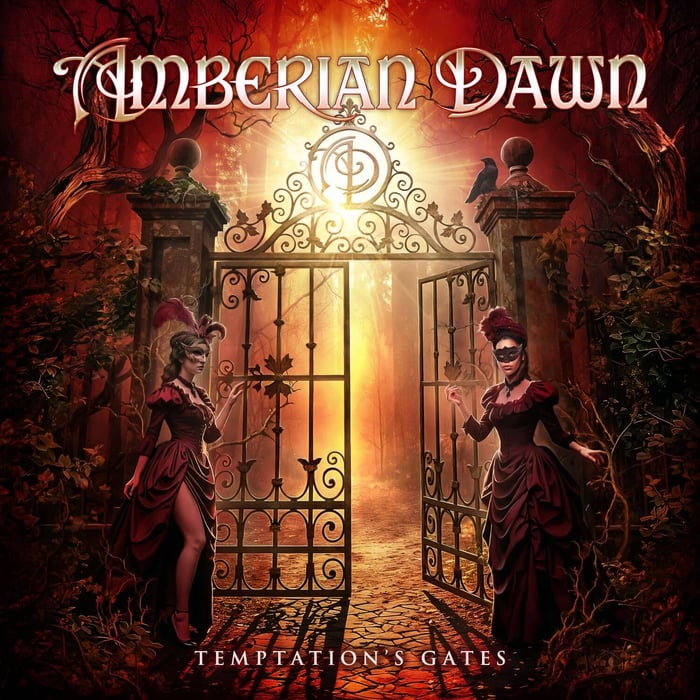
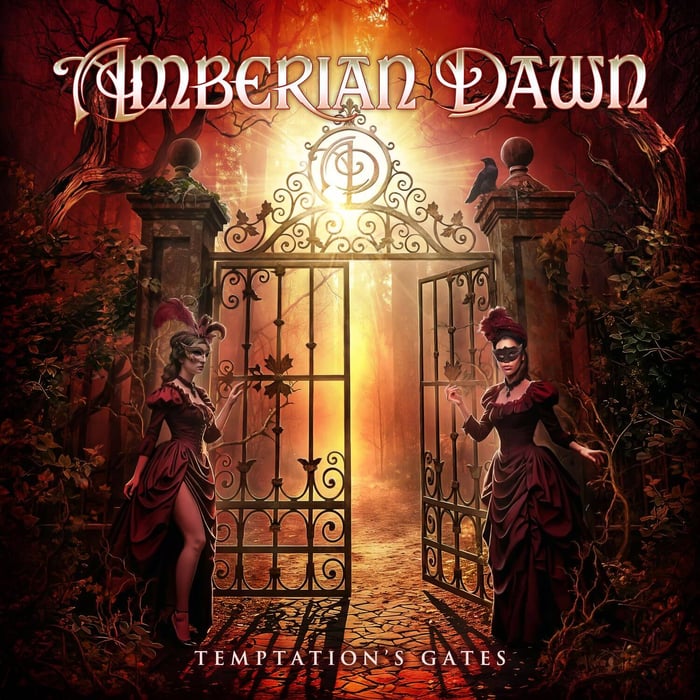
Temptation’s Gates hits like a tidy 40-minute reboot: Nicole Willerton fronts Amberian Dawn with pop-tight hooks, 80s stomp, and just enough bite to matter.
A record that starts by admitting it needs to prove something
Symphonic metal has this awkward habit of treating vocalists like replaceable parts. So when I put on Temptation’s Gates, I’m not just listening for riffs and choruses—I’m listening for whether Amberian Dawn sounds like a band with a pulse again. And yeah, this is their 11th record, which is usually the point where bands either get weird or get tired.
This time, they get new. Nicole Willerton steps in as the new singer, taking over from Capri, and the album plays like the band knows exactly what that looks like from the outside: another lineup swap, another “new era,” another attempt to act reborn. I went in ready to roll my eyes.
What complicates it is the context: the last album detoured into Take A Chance: A Metal Tribute To Abba, and I’ll be blunt—my first thought was, “Okay, so we’re crawling back from that.” I’m not claiming it had zero value, but it did leave the band parked dangerously close to novelty.
Nicole Willerton doesn’t “fit in”—she shoves the band forward
Here’s the thing I didn’t expect: Willerton doesn’t sound like she’s trying to gently inherit the job. She sounds like she walked into the room and told everyone to stop coasting. That attitude is all over Temptation’s Gates, not as some abstract “energy,” but in how tightly the album moves.
It’s under 40 minutes, and that’s not an accident. This record is basically allergic to bloat. No sprawling symphonic metal epics. No long scenic intros where you can hear the band setting up the mood like stagehands moving props. The songs show up, make their point, and leave before you can start checking track time.
And honestly? On my first listen I thought, “Is this going to feel lightweight?” On second listen, it clicked: the short runtime is the flex. Amberian Dawn is packaging its ideas like a band that learned—possibly the hard way—that leaving people wanting more beats letting them drift away.
Pop structures, power metal muscles, and a very intentional lack of padding
The big shift is structural. These songs use pop-shaped frameworks—clear verses, huge choruses, tight bridges—but the band straps those shapes onto power metal gallops and symphonic shimmer. It’s not trying to be “cutting edge,” and it doesn’t pretend to be. If you’re hunting for the future of metal here, you’re already lost.
But if you want a band making a very specific argument—we can still write hooks that land—then this album is stubbornly effective.
I kept noticing how often a track could’ve stretched into an “epic moment,” and instead it just… doesn’t. It chooses punch over pageantry. That’s a decision. And it makes the record feel like it’s moving with purpose rather than decorating itself.
“The Vision of Dreaming” is the album’s thesis: big hair, bigger kick drum
The album’s most obvious mission statement is “The Vision of Dreaming.” The hook sticks around like it paid rent. There’s an 80s stomp baked into the rhythm—big arena footing, oversized drums, that glossy sense of momentum that makes you feel like the song is already playing behind end credits.
It’s the kind of chorus you don’t “analyze.” You just catch yourself humming it while doing something unrelated and mildly boring, which is exactly what a chorus is supposed to do.
The track doesn’t ask permission to be fun, and that confidence ends up sounding like a comeback—even if the band would never say it that plainly.
The middle of the album keeps swinging—almost like they’re enjoying themselves
From there, the album keeps pushing the same idea: don’t overthink it, just make it hit.
“This Night Is Waiting For Me” leans even harder into that arena-ready scale. It sounds massive in the way these bands want to sound massive—less “cathedral echo” and more “lights up, hands up.” If you’ve ever complained that symphonic metal sometimes confuses size for feeling, this is Amberian Dawn trying to fix that by making the songwriting do the lifting.
Then “Eternal Flame” shows its teeth in a different way: it carries the album’s standout synth solo, and it’s one of those moments that reminds you the band isn’t just stacking layers for spectacle. The synth line feels placed, like it’s there to cut through the guitars and stamp the song with a signature.
And if you’re the kind of listener who needs at least one moment where the band sounds like it’s playing at full voltage, the climax of “Moon” is where they light it up. That section has the band sounding unusually alive—less polished mannequin, more actual band in motion. I can’t fully tell if it’s the arrangement or just the performance finally spilling over, but either way it’s the point where the album stops being “good” and starts being a little persuasive.
This isn’t “innovative,” and it doesn’t care—there are gallops for the skeptics
Let’s not pretend this is boundary-pushing metal. It isn’t. Temptation’s Gates doesn’t try to be the smartest record in the room; it tries to be the record you replay because the chorus won’t let go.
What it does do—smartly—is bring back enough galloping guitars to win over anyone who got put off when the band drifted too far into pure cheese territory. This album still likes melody. It still likes shine. But it pairs those instincts with just enough urgency that the sweetness doesn’t curdle.
Well—almost.
“Life Is Art” gets a little too close to Disney for comfort
The only time I flinched was “Life Is Art.” It’s a wide-eyed ode to creativity, and that’s fine in theory, but the vibe drifts into Disney territory. Not “inspired by,” not “adjacent”—more like it’s reaching for wonder and landing on something a little too wholesome for the surrounding tracklist.
Now, fans of this genre are usually willing to go there if the rest of the album has bite, and to Amberian Dawn’s credit, it mostly does. Still, this is the one moment where I thought, “Okay, you’re trying a bit hard to be uplifting,” and the song doesn’t entirely escape the smell of its own good intentions.
The growls show up like a plot twist—useful, but not always necessary
One of the more telling choices: growls appear to contrast the band’s typically tuneful approach. That’s not something Amberian Dawn needs to do to sound like Amberian Dawn, which is why it reads as a statement.
Do the songs always require them? Not really. A couple moments feel like the band adding spice because the spice rack is there. But even when it’s not essential, it signals something important: this band is trying to sound explosive again, not just pretty.
It’s also a clever way to keep the sweetness from becoming syrup. A harsh vocal hit in the right spot can make a chorus feel bigger by contrast. Here, it works often enough that I stopped questioning it—though I’m still not convinced every growl earns its place.
“Undying Colours” is the highlight because it refuses to explain itself
The clearest high point for me is “Undying Colours,” mostly because it doesn’t spoon-feed you what it’s about. The lyrics sit in that smart, ambiguous space where the song could be about dragging yourself out of a breakup or crawling out of a depressive pit. And Willerton sells that defiance in a way that feels earned, not theatrical.
That ambiguity matters because it matches the album’s overall behavior: everything sounds intentional and finely tuned. Not sterile—just deliberate. Choruses arrive when they should. Bridges don’t wander. Big moments don’t wait until minute six.
This is where I had to revise my first impression. I initially chalked the tightness up to “playing it safe.” But by this point in the record, the tightness reads as conviction. Like the band is saying, “No, this is the version of us that actually works.”
“Phantasmagoria” ends the album like they’re just getting started
By the time “Phantasmagoria” rings out, the album has done something sneaky: it makes Amberian Dawn sound like a band at the beginning of a run, not the middle of a long career.
That’s probably the most flattering thing I can say about Temptation’s Gates—it doesn’t feel like a legacy act polishing its catalog. It feels like a reset button that actually clicks.
And if that’s the goal of a new vocalist era, then yeah, mission accomplished.
Release details, plain and simple
Temptation’s Gates is set for release on June 26th via Napalm Records.
Temptation’s Gates doesn’t beg for your attention—it just keeps handing you hooks until you stop resisting. For a band that could’ve coasted on symphonic habits and nostalgia, this is the sound of choosing momentum instead.
Our verdict: People who like symphonic metal with pop discipline—big choruses, tight runtimes, and zero patience for filler—will actually love this. People who require innovation, grim darkness, or songs longer than your commute will not, and they’ll probably complain about the 80s stomp while secretly humming it.
FAQ
- What is the core vibe of Temptation’s Gates?
It’s symphonic metal built with pop efficiency—big choruses, fast payoff, and very little wandering. - Does Nicole Willerton change Amberian Dawn’s sound?
Yes. Not by erasing what they do, but by making it feel more urgent and less like they’re decorating songs. - Is this album heavy or more melodic?
It’s firmly melodic, but it brings enough galloping guitars (and some growls) to keep it from turning into pure sugar. - Which track stands out most on repeat listens?
“The Vision of Dreaming” is the earworm, but “Undying Colours” hits deepest because it keeps its meaning slippery. - Any weak point on the record?
“Life Is Art” edges close to a Disney-like earnestness; whether that charms or annoys you depends on your tolerance for wide-eyed positivity.
If you’re the type who bonds with an album through its artwork as much as its hooks, you can always grab a favorite album cover poster for your wall over at our store: https://www.architeg-prints.com.
 | DISCOUNTGET 30% OFF*Use code on your next order:
|
* This post may contain affiliate links, meaning we earn a commission if you make a purchase through these links, at no additional cost to you.