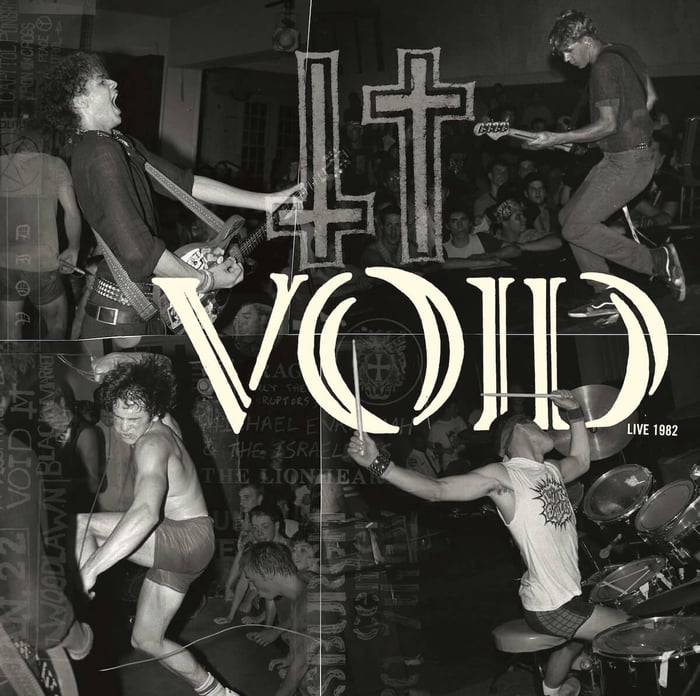
Void Live 1982: Hardcore Chaos That “Accidentally” Changed Everything

 See more Architeg Prints stories on Google.
Void Live 1982: Hardcore Chaos That “Accidentally” Changed Everything
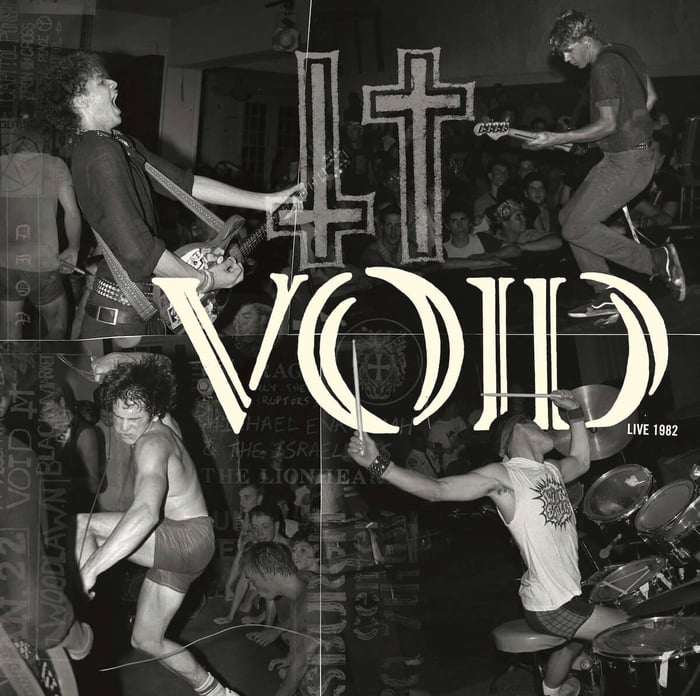
Void Live 1982 captures a band playing at peak speed, risk, and raw intensity, offering an uncompromising look at one of the most confrontational outfits in the early D.C. hardcore scene.
A band from the “wrong” place, acting like the scene’s problem
Here’s the funny part: Void come out of Columbia, Maryland, not some mythic basement under Washington, D.C. That little geographic detail matters because Live 1982 plays like a band overcompensating for being slightly outside the map—showing up louder, faster, and more confrontational than necessary, like they’re determined to make proximity irrelevant.
Their first real moment lands in 1980, at the first-ever Wilson Center show, a legendary 15-band marathon largely organized by Bad Brains. And listening to this set now, it’s clear why that debut instantly clocked them as “different.” Not better in a neat, tasteful way—different like a shopping cart rolling downhill toward traffic. You don’t politely appraise it; you step aside and watch.
The lineup is simple; the intent isn’t
Keeping it concrete, this is John Weiffenbach (vocals), Bubba Dupree (guitar), Chris Stover (bass), and Sean Finnegan (drums). Standard four-piece math. But the sound they make is the opposite of “tight unit executes songs.” It’s closer to four people sprinting in the same direction and trusting the collision will look like choreography.
The main thing: their songs defy structure, and not in the cute “post-” way. These tracks threaten to fly apart in real time. Everybody plays at maximum speed, and the result isn’t just fast—it’s discord that’s being actively controlled. That’s the trick: it’s chaos, but it isn’t sloppy. It’s chaos with clenched teeth.
On first listen, it might seem like speed is the identity. But the speed isn’t the personality, it’s the weapon. They’re not trying to impress you. They’re trying to deny you comfort.
This record is two moments, and both are the point
Live 1982 isn’t a random grab-bag. It’s pivotal live recordings, professionally captured—meaning you’re not relying on folklore or someone’s half-ruined cassette. The release pins down two crucial points in the band’s story:
- A-side: April 1982 at the Wilson Center
- B-side: December 1982 at D.C.’s 9:30 Club
The “two sides” framing makes Void feel like they’re showing you two flavors of the same threat—first the pure hardcore shove, then the shove plus something heavier creeping in.
Side A (Wilson Center, April 1982): the set that refuses to stand still
The April 1982 Wilson Center performance is the kind of document that helps explain why early D.C. hardcore is described as weather—unpredictable, violent, and slightly exaggerated after the fact.
This was recorded just months before the release of the legendary Faith / Void split LP, and the bill tells you what kind of room this was: Minor Threat, The Faith, Iron Cross, and Double O.
Void don’t sound like they’re trying to “win” that lineup. They sound like they’re trying to make the lineup irrelevant. The set is packed with hardcore staples like:
- Ignorant People
- Who Are You?
These titles alone telegraph the posture: contempt isn’t a theme here, it’s the default setting. The band makes “songs” feel like temporary agreements. A riff shows up, the drums chase it, the vocal comes in like heckling from inside the mic, and then the whole thing mutates before your brain can file it.
An arguable take? This Wilson Center set is more “classic” than it is “dangerous.” Not because it’s safe—because it’s the band speaking the language of hardcore fluently enough that the shock comes from delivery, not from novelty. It’s a band setting fire to a familiar room.
Side B (9:30 Club, December 1982): the moment the floor drops
The December 1982 show at D.C.’s 9:30 Club is where the record starts acting like it’s peeking over the edge into something uglier.
Void share the stage with Negative Approach, and the phrase that fits is that they level the room. The set balances hardcore staples like:
- Time To Die
- Organized Sports
…alongside newer, heavier, metal-tinged material like:
- Bloodlust
This is where “metal-tinged” isn’t just a garnish. The track’s weight isn’t there to show off; it’s there to make the speed feel more violent. And that matters because it helps lay groundwork for a new strain of aggressive music—not by making a speech about the future, but by simply playing like the future is already impatient.
While the heavier pivot may feel less shocking on record than in person, the set doesn’t rely on surprise. It relies on pressure.
An arguable take? This 9:30 Club set is the real story on the album, even if the Wilson Center side gets the legend. The first side is a statement. The second side is a doorway.
The secret weapon is that it’s professionally recorded
A lot of “historic live” hardcore releases are basically archaeology: you squint, you imagine what it must’ve been like, you forgive the sound because you’re supposed to. Live 1982 doesn’t ask for that mercy.
Both performances were professionally recorded by Tom Lyle of Government Issue, and that matters because you can actually hear the band’s choices. The document doesn’t just preserve energy—it preserves friction. The guitars don’t blur into mush. The drums don’t become a rumor. You get the feeling of a band playing at full tilt and still landing together, which is arguably the scariest version of “chaos.”
An arguable take: If this recording were messier, Void might seem more “mythic,” but less convincing. Clean capture makes the extremity harder to dismiss as accident.
The visuals aren’t decoration—they’re part of the evidence
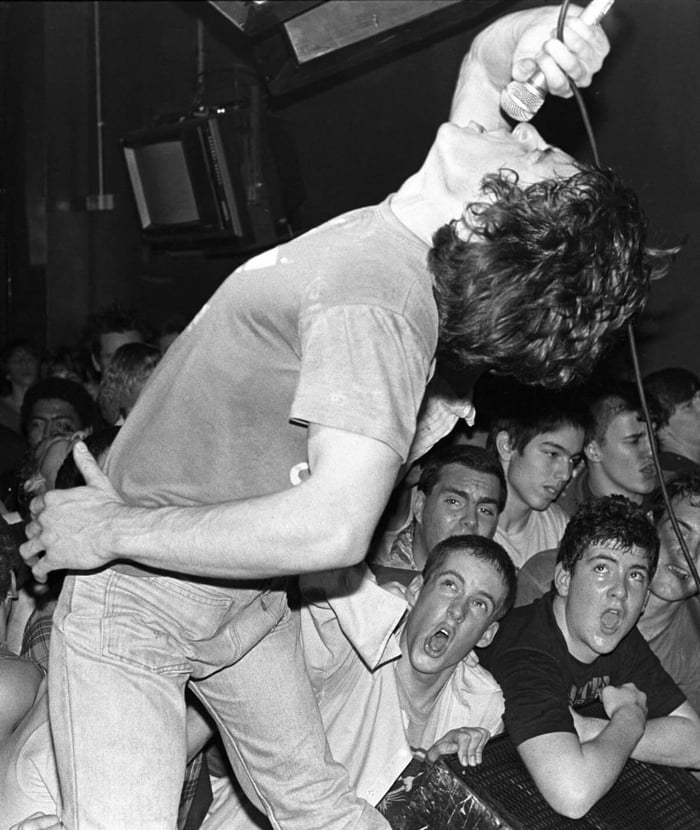
This release is further elevated with photography by Jim Saah, a legendary documentarian of the D.C. scene, and artwork by Jason Farrell, a designer tied to Dischord.
That combination frames Void not as a random outlier, but as a band that belonged to a real ecosystem—while still sounding like they’re trying to bite through the fence. The photos and design aren’t there to romanticize; they make the whole thing feel “filed” and “real,” which contrasts with how un-fileable the music behaves.
An arguable take: The professional presentation makes the band feel even more confrontational, not less. Like someone put a museum label next to a fistfight.
Stream it if you want, but don’t expect it to be polite
The audio is available via an embedded SoundCloud player. The performances never blur into “old live punk document.” Even when your ears adjust, the band still sounds like they are trying to outrun the idea of a normal song.
Conclusion
Live 1982 captures Void doing what they clearly intended all along: taking early D.C. hardcore’s basic vocabulary and speaking it like an argument—fast, loud, and allergic to resolution, with just enough control to prove it isn’t an accident.
Our verdict: People who like hardcore as a physical problem—something that corners you—will love this. If you need your punk “tight,” neat, or emotionally explanatory, you’ll hate it and complain about “structure” like structure ever saved anyone.
FAQ
- Is Void Live 1982 one concert or multiple shows?
It’s two professionally captured performances: April 1982 at the Wilson Center (A-side) and December 1982 at the 9:30 Club (B-side). - Why does this album matter inside D.C. hardcore history?
You can hear Void being unusually confrontational and structurally unhinged for the era, and the material hints at heavier directions that later aggressive music would build on. - Who’s in Void on these recordings?
John Weiffenbach (vocals), Bubba Dupree (guitar), Chris Stover (bass), and Sean Finnegan (drums). - What songs should I listen for first?
The hardcore staples Ignorant People, Who Are You?, Time To Die, and Organized Sports, then Bloodlust for the heavier, metal-tinged turn. - Who recorded these live performances?
Tom Lyle of Government Issue recorded both shows professionally, which is why the chaos still sounds intentional instead of accidental.
If this whole era lives in your head as imagery as much as sound, it’s not a bad time to put an album cover on the wall—shop your favorite album cover poster at our store.
 | DISCOUNTGET 30% OFF*Use code on your next order:
|
* This post may contain affiliate links, meaning we earn a commission if you make a purchase through these links, at no additional cost to you.