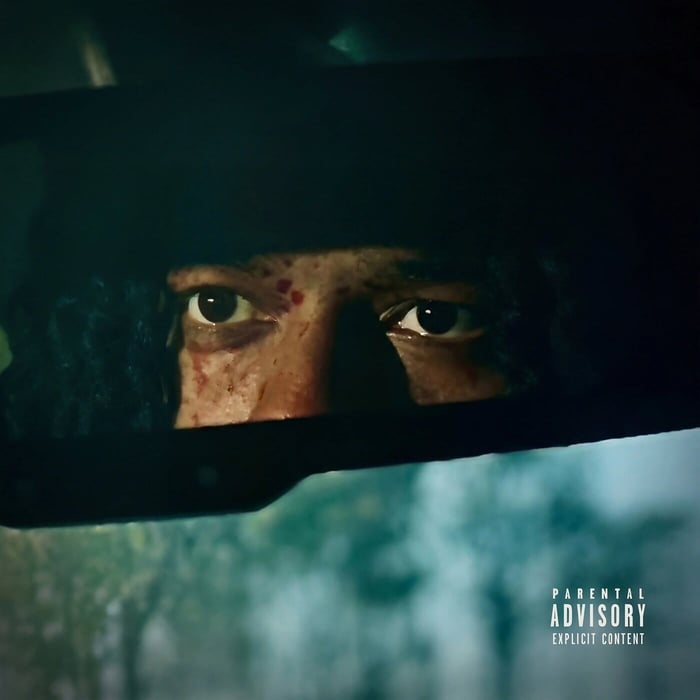
What’s Bracken Review: Jacksonville Rap Without the Body-Count Cosplay


 See more Architeg Prints stories on Google.
What’s Bracken Review: Jacksonville Rap Without the Body-Count Cosplay
What’s Bracken is Jacksonville rap that dodges drill theater—then dares you to care about ego, grief, and a very weird kind of “stick up.”
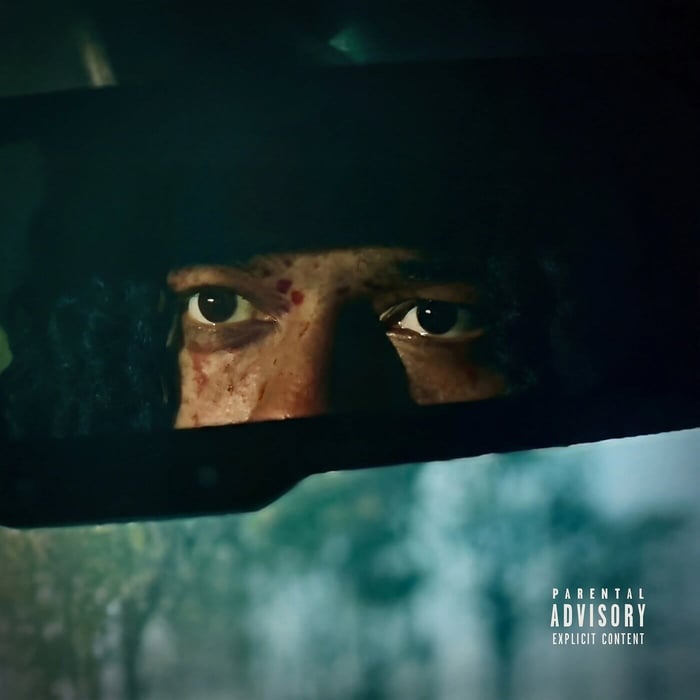
A Jacksonville backdrop that usually comes with extra noise
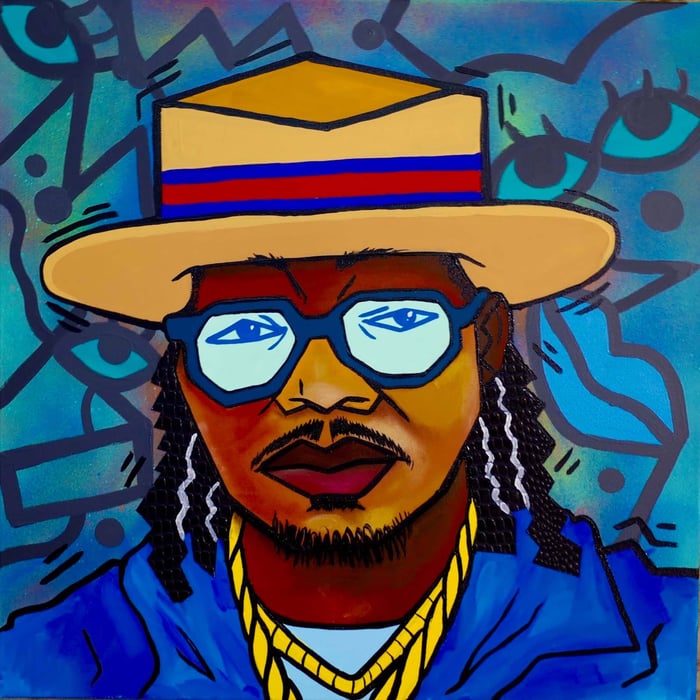
Jacksonville’s rap pipeline has spent years getting national attention for the messiest reasons possible: drill optics, revenge mythologies, and beef that travels faster on Instagram than it ever does in music. That’s the city’s exported “identity” right now, like it or not. So dropping into What’s Bracken, the first thing that hits is how intentionally Jeremy Ryan—rapping as JBrack—steps away from that whole performance.
He doesn’t sound like he’s trying to win a local war. He sounds like he’s trying to build a world where the war isn’t the only story anyone can imagine. That’s a choice, and it’s also a risk, because it means you don’t get the easy adrenaline of shock value. You have to live or die on personality, concepts, and whether the writing actually holds.
And yeah, the scale feels DIY in the most literal way: he’s been operating under his own LLC out of Duval County since 2016, directing his own videos, and feeding music to a small audience—small enough you can picture them all fitting into a mid-sized barbershop without anyone needing to stand outside. That detail matters because What’s Bracken doesn’t feel engineered for “the algorithm.” It feels like a guy making his case to whoever’s actually been listening.
The album announces its concept… then immediately heckles it
Right away, What’s Bracken frames itself like a “concept album,” entirely produced by Bluff Gawd, and it opens with a skit that sets the rules like you’re about to watch a courtroom drama. An attorney reads a legal disclaimer: “Bracken” is Jeremy’s last name, the stories may or may not be true, and nobody should ask which is which.
The funny part—funny in that deadpan, “why did you do that?” way—is how Jeremy keeps interrupting the attorney just to curse. It’s like he wants the formality for structure, but he can’t resist smearing fingerprints all over it so you don’t mistake this for polished respectability.
The attorney also goes out of the way to say Jeremy isn’t affiliated with any gangs. In Jacksonville, that sentence does an exhausting amount of quiet work. It’s not even a flex; it’s a safety label. And it tells you what the album is pushing against: the assumption that a rapper from that zip code has to come with a list of enemies.
I wasn’t sure at first if the disclaimer was going to feel corny—like a concept-album costume—but the constant interruptions make it land more like a nervous joke. A little defensive, a little smart, and definitely aware of what listeners will project onto him.
“Stick Up Kids!” is where the album stops posing and actually commits
Here’s the blunt truth: “Stick Up Kids!” is the best song on What’s Bracken, mostly because it’s the one time the album brings an idea that isn’t just “I’m the greatest, you’ll see.” And I don’t mean it’s the most emotional or the most lyrical in some vague way. I mean it’s the only track that runs a full concept and refuses to break character.
It’s framed like a home invasion: duffle bag, mask, the whole “give me the loot” energy. But Jeremy doesn’t rob for cash or jewelry. He robs for uglier stuff—people’s hatred, jealousy, the judgment they had loaded up from the beginning. He wants the lies they tell their families. The fake public personas. It’s a moral shakedown.
Then he flips it even harder: he tells them to give up their guns and take the music instead.
That’s such a specific kind of control move. Not “I’m dangerous,” but “hand over what makes you feel dangerous and replace it with what I made.” The second verse keeps escalating—bad vibes, bad tendencies, bad decisions, ego talking to you like a drunk friend who won’t go home. The whole thing is a robbery where the stolen goods are personal failures, and the track works because he doesn’t wink at you. He stays inside the premise the entire time.
On an album where several cuts blur because they chase the same destination, “Stick Up Kids!” has a different engine. It moves. It has stakes. It has a point beyond self-adoration.
Features that sharpen the album’s teeth (and show what Jeremy sometimes misses)
After that, the record’s best moments often come from outside voices—the features that cut through in ways Jeremy’s own verses sometimes don’t. That’s not an insult; it’s just what happens when someone shows up with a clearer angle and refuses to waste it.
“You’re Not a Thug” turns mockery into precision
FNF Juuk opens “You’re Not a Thug” and immediately goes after a very specific target: somebody raised with a silver spoon and a white picket fence, private school background, popping Percs to cosplay toughness, then getting possessive when his girl moves on. It’s blunt and kind of hilarious, but not in a stand-up way—more like the cousin at the cookout who will embarrass you in front of everyone and claim it’s for your own good.
That delivery matters. The verse isn’t trying to be poetic. It’s trying to leave a mark.
Mecca Tha Marvelous follows with a totally different kind of weight. He mentions people overdosing on promethazine and still sipping afterward. He mentions real street dudes who still snitch. And then he drops a detail that’s almost accidentally devastating: his brother handed him Fruity Loops 7 and told him to go record.
Not the current version. Not a generic “I started making beats.” Fruity Loops 7—an actual old tool, a timestamp you can feel. That’s the difference between “I came from nothing” and “I remember exactly what my life looked like that afternoon.” The specificity makes the verse feel lived-in instead of performed.
And it also quietly exposes the album’s weakness: when the writing gets too general, the bravado starts sounding like filler. When it gets specific, the music suddenly has oxygen.
“Couples Therapy” and the album’s rare willingness to do dialogue
After the feature fireworks, “Couples Therapy” shifts the tone in a way that feels almost suspicious—like, wait, are we really going here? K.UTIE holds down the hook while Jeremy writes both sides of a marriage falling apart.
First verse: the woman admits she isn’t mature and that she fights for the relationship badly. Second verse: the woman goes through his phone, weighing whether to keep trying or ask for a divorce.
It’s messy in a believable way. Not “screenplay dialogue,” more like overhearing somebody mid-spiral. And honestly, the track doesn’t need the whole concept-album disclaimer from the opener. This kind of writing stands on its own because it isn’t hiding behind “maybe it’s true, maybe it’s not.” It’s just human.
If anything, it makes the legal framing feel like a distraction. When the songs hit hardest, they aren’t begging you to wonder what’s real—they’re making you recognize the feeling.
“I Won’t 4get U II” is the center of gravity, and it doesn’t blink
The heaviest gravity on the album is “I Won’t 4get U II,” where Jeremy names people he lost. His granddad died from a needle. Someone named TJ was taken. He talks about wishing he’d called his uncle—his uncle would’ve picked up—and now that call can never happen, and his uncle will never know how much he meant to him.
That’s the kind of regret that doesn’t need metaphors. It just sits there like an object you keep tripping over in your own house.
He also mentions looking at pictures and videos of a woman named Jackie to feel happy. That line is simple, but that’s why it hurts: it’s the mundane ritual of grief. The little habit you do to keep your day from collapsing.
This is where my first impression of the album shifted. Early on, with all the declarations and skits, I thought I was getting a project that mostly wanted to announce itself. But songs like this one make it clear Jeremy can write from the gut without needing the “I’m a god” scaffolding. On second listen, the loud confidence started feeling less like the point and more like the shield he keeps lifting and dropping.
“The Return” goes darker—and almost tells on him
Then there’s “The Return,” which pushes into darker territory: visions of suicide for the doubters, the idea of jumping off a cliff that isn’t death but a “sweet escape.” It’s dramatic, sure, but it also reads like somebody flirting with the edge because they don’t know how else to describe the pressure.
There’s a moment where he admits to feeling alone, always being “in the mood” but never having much to say. That contradiction is one of the most believable things on the whole LP. It’s also the part that made me pause, because I couldn’t decide if it was intentional self-exposure or an accidental confession that slipped through between punchlines and pop culture bars.
Either way, it sticks.
The album’s biggest gamble: grief next to comic-book god talk
From here, the record starts to show its main tension. You’ve got songs like “I Won’t 4get U II” and “Couples Therapy” and “The Return” sitting right next to braggadocio-heavy tracks like “Problem Child,” “Monstar,” and “Sg$,” where Jeremy calls himself Oppenheimer, Master Windu, and the god of rap within a few minutes.
That contrast creates the real question of What’s Bracken: is this whiplash the point, or is it just what happens when you have a lot of material and you don’t cut enough?
I kept going back and forth. Part of me wants to believe the collision is intentional—a guy trying to prove he can do pain, comedy, nerd references, and chest-thumping all in the same breath. But another part of me hears it as a sequencing problem. When you stack too many supremacy statements, they stop sounding like dominance and start sounding like reassurance.
And the braggadocio tracks really do pile up, stuffed with references: Rick and Morty, Senzu Beans, Mighty Morphin, Kabuki, Constantine, the Black Robert De Niro, SpongeBob and Patrick, Obi-Wan Kenobi, Ray Charles, Caesar from Planet of the Apes. It’s like Jeremy’s brain is flipping channels faster than the beat can keep up.
That can be fun—until it becomes the default setting.
“Geezy” is proof the reference-overload can work (but also the warning sign)
BigRayTheRapper shows up on “Geezy” and matches that reference density bar-for-bar: Winter Soldier, Marshawn Lynch, Cruella, 101 Dalmatians, then a random sidebar about whether God was mad when he found out humans still ate apples.
And weirdly, their chemistry is real. It sounds like two guys trying to out-reference each other, escalating the absurdity like it’s a sport. In that moment, the overload becomes the entertainment, not the clutter.
But the album has too many tracks running that same play. That’s the mild criticism I can’t get around: once you’ve heard Jeremy crown himself again and again, the crowning ceremony starts to feel like a looped cutscene you can’t skip.
By the time the title track “What’s Bracken” lands near the end and he’s still announcing he’s the god of rap and that it’s nothing new, it doesn’t hit like a claim—it hits like a reminder. And reminders aren’t convincing when the listener already got the message eight or nine times.
The cuts that stick are the ones that talk about something besides Jeremy Ryan’s standing. The ones that don’t stick tend to share the same voice, the same speed, and the same destination: supremacy, repeated until it thins out.
So what is What’s Bracken actually doing?
If you want my read: What’s Bracken is Jeremy trying to build a personal mythology that doesn’t require a street-war narrative, then overcompensating with “I’m him” talk whenever things get too real.
That push-pull is the album’s personality. When he leans into concept (“Stick Up Kids!”), domestic collapse (“Couples Therapy”), or naming the dead (“I Won’t 4get U II”), he sounds locked in—like he’s finally talking to someone instead of talking at the room. When he retreats into rapid-fire pop culture domination, it can feel like he’s padding the silence.
I’m not 100% sure he realizes that’s the story the album tells, but it’s the story I hear.
Conclusion
What’s Bracken works best when it quits auditioning for “greatest rapper alive” and just lets Jeremy be a specific person with specific losses, grudges, and weirdly creative ideas about how to frame them. The bravado is loud, but the real hook is the vulnerability that keeps slipping past his guard.
Our verdict: This album is for listeners who like Southern rap that mixes confession with comic-book brain and doesn’t need drill theatrics to feel intense. If you need every track to come with a new plot twist—or you break out in hives when someone calls themselves “the god of rap” for the ninth time—you’re going to get impatient fast.
FAQ
- What is the core idea behind What’s Bracken?
It plays like a concept project with a legal-disclaimer frame, but the real “concept” is the clash between raw grief and nonstop self-mythmaking. - Which track best represents the album’s strongest writing?
“Stick Up Kids!” because it commits to a full premise and stays there, turning a robbery scenario into a moral shakedown. - Do the featured artists matter or just decorate the tracks?
They matter. FNF Juuk and Mecca Tha Marvelous sharpen the themes with specificity that makes Jeremy’s best moments hit harder by contrast. - Is the album more personal or more braggadocious overall?
Both, sometimes awkwardly back-to-back. The personal songs are the ones that linger; the brags can blur when they stack up. - What’s the main weakness that could turn listeners off?
Repetition. The “I’m underrated/I’m the greatest” lane gets overused, and the impact drops every time it repeats.
If this album’s push-and-pull stuck with you, you’ll probably enjoy hanging it on your wall too—the cover-as-a-flag kind of vibe. You can shop your favorite album cover poster at our store: https://www.architeg-prints.com
 | DISCOUNTGET 30% OFF*Use code on your next order:
|
* This post may contain affiliate links, meaning we earn a commission if you make a purchase through these links, at no additional cost to you.