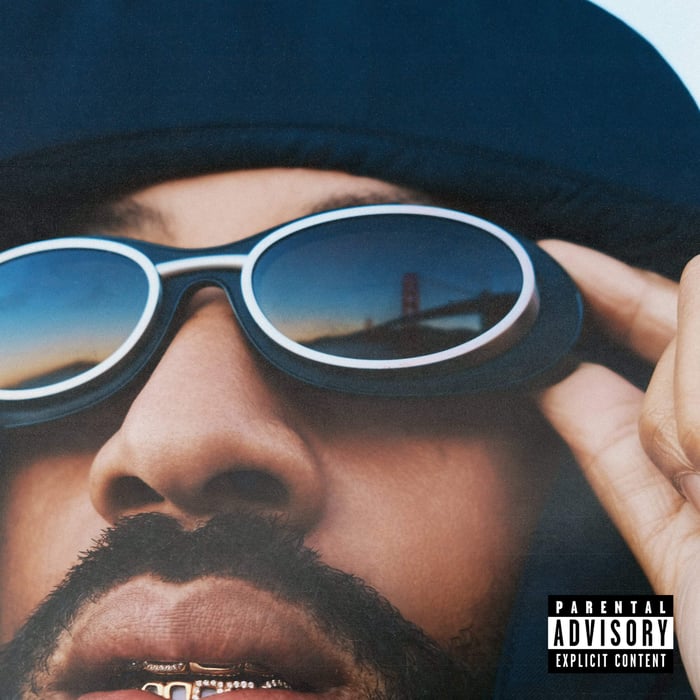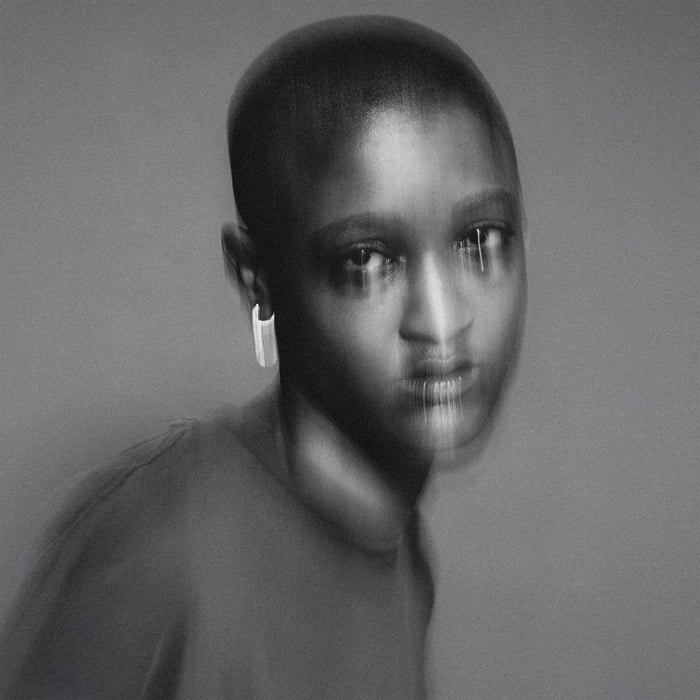
Ambré PEYOTE Review: Desert Visions That Stay Parked (On Purpose)


 See more Architeg Prints stories on Google.
Ambré PEYOTE Review: Desert Visions That Stay Parked (On Purpose)
Ambré PEYOTE turns slow-growth pain into tight scenes—cars, curses, exits. This review explains why the album refuses big catharsis and keeps its visions grounded.

A record that moves like a cactus grows
Here’s what PEYOTE gets right immediately: it doesn’t sprint for your attention. It just sits there, stubborn, like it’s waiting for you to get uncomfortable first.
The peyote plant takes forever to become “useful,” and the ceremony around it is apparently an all-night ordeal—sickness first, clarity later, sunrise as the payoff. That’s basically the album’s pacing. Ambré clearly designed PEYOTE to make you stay in the room long enough for your brain to stop bargaining. The “visions” aren’t some fireworks display either. They hover low: hot-boxed cars, inherited curses, the kind of love that leaves without slamming a door because it doesn’t even care enough to slam it.
Ambré’s route to this moment also sounds like the long way around. You can hear a songwriter’s discipline in how she stacks details and keeps the camera tight. She came up in New Orleans, and she’s spent time writing for artists like Kehlani and serpentwithfeet—enough time in other people’s worlds that she now knows exactly how not to over-explain her own.
And if you’re waiting for a “big” debut-album statement? That’s the trick: PEYOTE keeps refusing to rise “above the ground.” I thought that would make it small at first, but it’s more like deliberate claustrophobia—an album that won’t let you escape into generalities.
“Until” and “Parking Lot” trap the story in a car—and it works
If the album has a blunt object, it’s “Until.” The beat hits hardest: heavy 808s, airy synths (Justus West knows exactly how to make space feel expensive). Over that, Ambré admits the one thing that makes any hard person nervous: she didn’t see real love coming. The line lands because she doesn’t decorate it. No poetry gymnastics—just the shock of being caught off guard.
Then “Parking Lot” shrinks the whole world to a waiting game inside a car. D.S. 16 and Super Miles build it tight: thick bass tapping fast against softer keys, like your pulse arguing with your better judgment. Ambré’s not romantic about the situation either—she’s tipsy, she’s spinning out, and she’s doing that terrible math where you try to figure out who’s safe while you’re actively not safe:
- she’s sipping
- she’s tripping
- she’s watching trust fall apart in real time
Rain shows up, and instead of turning the scene cinematic, it turns it repetitive—like the memory is stuck on loop because she hasn’t decided what it means yet. The arguable part: I think “Parking Lot” is the album’s real thesis, not the title track. It’s the purest version of PEYOTE’s obsession with being trapped somewhere you technically chose.
Interludes as rituals: “Folklore” and “Enter the Void”
This is where the album starts acting like a ceremony instead of a tracklist. “Folklore” (co-produced with Austin Feinstein) circles a single curse—passed down, inherited, lodged in the body. It’s basically a loop of chords that won’t resolve until she names what she’s carrying. And she frames the solution the New Orleans way: you don’t “heal” with a self-help book; you pray at dawn. The song doesn’t give you a motivational speech. It gives you a ritual.
“Enter the Void” uses a similar palette—low humming synth, fragmented voices—like a doorway you’re supposed to hesitate at. It’s threshold music. Not quite a song you sing along to, more like a corridor you walk through so the next room hits harder.
I’m not totally sure these interludes will satisfy people who want hooks every two minutes. But I also think that impatience is exactly what Ambré is betting against.
When the women keep the upper hand: “She” and the album’s cleanest heartbreak
A lot of albums say the narrator has power. PEYOTE actually shows it—then shows what it costs.
“She” is the sharpest example. The track follows a woman out of the room and then just… stays there, listening to the silence she left behind. The bass drops hard, the drums are dry, and the mix makes it difficult for Ambré’s voice to feel fully comfortable. That choice matters: it sounds like she’s trying to speak through a throat that doesn’t want to cooperate.
She makes a promise that’s half devotion, half bargaining: let her get whatever she wants, as long as she comes home. And then she swallows the real ending—the woman isn’t coming back. No twist. No revenge fantasy. Just acceptance that still stings.
If you’re looking for a mild complaint from me, it’s here: “She” flirts with being too smothered by its own low-end. The bass and drum dryness are a vibe, sure, but they also steal some emotional oxygen from the vocal. Maybe that’s the point. Maybe it’s grief as compression. Still, I kept wanting one moment where her voice could fully open up.
“Mona Lisa” lets sunlight in—then admits it’s using a cliché anyway
After “She,” “Mona Lisa” feels like somebody cracked a window. Co-produced with Louie Lastic, it moves fast—quick melodies, a bassline that actually walks instead of brooding in place. And Ambré’s best pickup line on the album is absurdly practical: a history lesson.
“Rock and roll came from the blues / Everything came from the blues.”She’s flirting by teaching, which is either irresistible or insufferable depending on your tolerance for smart-mouth romance.
She measures a lover’s smile against the famous painting—yeah, that Mona Lisa. And for once, she reaches for a cliché everyone’s already used up. The surprising part is it doesn’t collapse under its own familiarity. It reads like she knows it’s corny and does it anyway, like: fine, let me have this one soft moment before the album drags me back into the parking lot.
Arguable take: “Mona Lisa” is one of the few times on PEYOTE where charm feels like a defense mechanism—not just a mood.
Micro-songs and long ache: “Bed Song” and “The Art of Letting Go”
“Bed Song” is under a minute, basically keys and a light drum pulse. It’s not trying to be a “track.” It’s a possession spell. She’s claiming her side of a bed she doesn’t share anymore, and the detail that cuts is how physical the grief is: no one else can sleep on your side because it doesn’t feel right. That’s not metaphor. That’s muscle memory.
“The Art of Letting Go” stretches the ache into full arrangement—rounded bass, restrained drums, enough space for the sadness to stand up straight. Two lovers can’t stay together, and Ambré doesn’t dramatize it; she speaks like someone who’s already lived through the worst part and is now dealing with the paperwork of moving on:
I understand the feeling of letting go.Experience talking, not theory.
Then the man’s voice at the end pops in asking her to call back—another loose end she’s leaving behind. It’s a small moment, but it changes the whole temperature. It suggests she’s not just being abandoned; she’s also doing the abandoning. That’s the album’s quiet power play: it won’t let her be only a victim.
“Laugh Later, Cry Now” makes pain sound like a collaboration
CARI shows up on “Laugh Later, Cry Now,” and the pairing works because it’s not comforting. It’s pain meeting pain, stacked vocals layered tight over dragging bass. Love gets described as
“equally delicate and, oh, so crushing,”which is one of those lines that sounds obvious until you hear it sung like someone’s jaw is clenched.
The song moves backward—Ambré traveling into memories that have been ruined by a lover. Not “tainted.” Ruined. That’s harsher, more final. Arguable take: this is one of the album’s most effective moments because it refuses the fantasy that time politely softens everything. Here, time just replays the mess in higher resolution.
When sympathy dies: “Go to Hell” and the pleasure of simplicity
“Go to Hell” is where the album stops empathizing and starts telling the truth with a straight face. The drums are steady, background vocals double her lines, and she sings simpler than anywhere else on the record. No ornate writing. No mystical fog. Just clean dismissal:
You wonder if she’s doing well?
Ask if she moved on? Yeah.
Honestly, you could go to hell.
The disgust turns physical—ick, chills. And she doesn’t let herself off the hook either: she was love-blind and wasted her time. That’s what makes it hit. It’s not a victory lap. It’s a person admitting they ignored their own alarms.
I’ll admit something: my first impression of this track was that it might feel too on-the-nose, like the blunt single you put on an album to give it “edge.” But on second listen, its simplicity feels earned—like the one moment where she refuses to poeticize her own boundary.
“Destin’s Interlude” answers from the other side—and it’s almost too honest
Then Destin Conrad shows up on “Destin’s Interlude,” pitched-up over warm chords, and he says the quiet part loud:
I’m your temporary lover / and you’re mine for now.There’s no romance novel framing—just two people acknowledging what they are to each other.
He asks about her new apartment, remembers her old renovation plans. Those details are dangerously intimate because they’re domestic, not dramatic. This isn’t “I miss you.” It’s “I remember where you wanted the furniture.” That’s the kind of memory that lingers longer than a fight.
Arguable take: the interlude is more devastating than some of the full songs because it refuses to defend itself with melody tricks.
Devotion gets strange: serpentwithfeet on “Genesis3”
serpentwithfeet steps in on “Genesis3,” and the energy shifts into devotional weirdness—the good kind. Thick harmonies and little else behind him, like the room is emptied so his promise can echo: he’ll
“make a monument of broken glass and rewrite every superstition.”He also flashes back to times when there wasn’t enough money to make him laugh, which turns the devotion from fantasy into survival.
This verse feels like Ambré reminding you where she came from as a writer: people who can make romance sound holy and unsettling at the same time.
The title track “PEYOTE” shrugs at the chaos instead of explaining it
Jay Versace adds desert imagery on “PEYOTE,” but the song doesn’t float off into some psychedelic brochure. It stays grounded in bass pulses, steady drums, layered vocals—real life with dust in it.
A woman admits to bad days openly: sometimes you might see her cry, even
“crocodile tears of joy.”She’s losing her mind, time gets slippery, she’s reading someone else’s sunlight as if it belongs to her. And the closest she gets to explaining the feeling is basically a shrug:
even drugs can’t explain what we feel.
That line matters because it refuses the cliché of intoxication as insight. The cactus isn’t a shortcut. The confusion remains confusing. Arguable take: this is Ambré rejecting the idea that pain needs a pretty explanation to be legitimate.
“As Always / Feel” hedges recovery, then stops caring
“As Always / Feel” is a two-part suite (Justus West and Tane Runo) that plays like a mind changing itself mid-sentence. First, she imagines love growing in her hands like a flower—soft, almost hopeful. Then she pulls it back:
But I could be wrong / As always / Just doesn’t feel like always.
That’s not a breakup line. That’s someone distrusting their own patterns. And by the second half, she decides she doesn’t care where they go from here. Not in a triumphant way—more like fatigue turning into freedom.
I’m slightly unsure whether the suite format lands for everyone; the pivot is subtle, and if you’re half-listening it might pass like background. But if you’re actually in the lyrics, the switch is the point: recovery isn’t a straight line, it’s you catching yourself romanticizing the wrong future.
“September” is the coldest song—and the most alive
“September” cuts deeper than anything else here. Keys and a slow sway hold up a narrator who introduces herself as something other than a person:
I’m not a girl / I’m a story / With nothing to do.That’s bleak in a specific way—the feeling of being reduced to a narrative other people consume.
She calls herself the mirror of a godless man, looks for somewhere to place rage safely, and lands on numbness: she’s numb enough to skip the Novocaine. Then the imagery turns dangerous—keeping a round in the chamber, inviting the game. The song sounds colder than the rest of the album, and that chill makes it feel awake, like the blood finally hits the air.
Arguable take: “September” is the album’s real climax because it stops trying to be tolerable.
Where this album actually lands (and what I’m taking with me)
By the end, PEYOTE has made its decision: it’s not here to give you neat closure. It’s here to show you the messy middle parts—waiting, remembering, bargaining, flinching, then occasionally snapping back into self-respect.
If you want the album’s strongest run, I keep coming back to these tracks because they show different kinds of control:
- “Parking Lot” (paranoia and intimacy trapped in one place)
- “The Art of Letting Go” (acceptance that still aches)
- “September” (the cold truth said out loud)
And yeah, I’ll say it plainly: there are moments where the low-end heaviness and interlude-like structures risk making the album feel too internal for casual listening. But that “risk” is also the point. Ambré didn’t build this for a playlist nap. She built it like a night ritual that ends when it ends.
Great (★★★★☆)
Favorite tracks: “Parking Lot,” “The Art of Letting Go,” “September”
FAQ
- Is Ambré PEYOTE more about storytelling or vibe?
It’s storytelling through vibe—most songs are tight scenes (car, bed, doorway) instead of big plot summaries. - What’s the most immediate song on the album?
“Until” hits fastest thanks to its heavy 808s and clean, airy synth space. - Which track feels most emotionally intense?
“September.” It’s colder, riskier, and the writing stops trying to be polite. - Are the interludes worth paying attention to?
Yes—“Folklore” and “Enter the Void” work like ritual steps. Skip them and the album feels flatter. - What’s a good starting trio if I don’t want to play the whole album yet?
“Parking Lot,” “The Art of Letting Go,” then “Go to Hell” for the mood swing that tells you what she’s capable of.
If you’re the type who attaches memories to artwork, it’s honestly worth putting an album-cover poster on the wall and letting it haunt the room a little. You can browse prints at our store: https://www.architeg-prints.com
 | DISCOUNTGET 30% OFF*Use code on your next order:
|
* This post may contain affiliate links, meaning we earn a commission if you make a purchase through these links, at no additional cost to you.