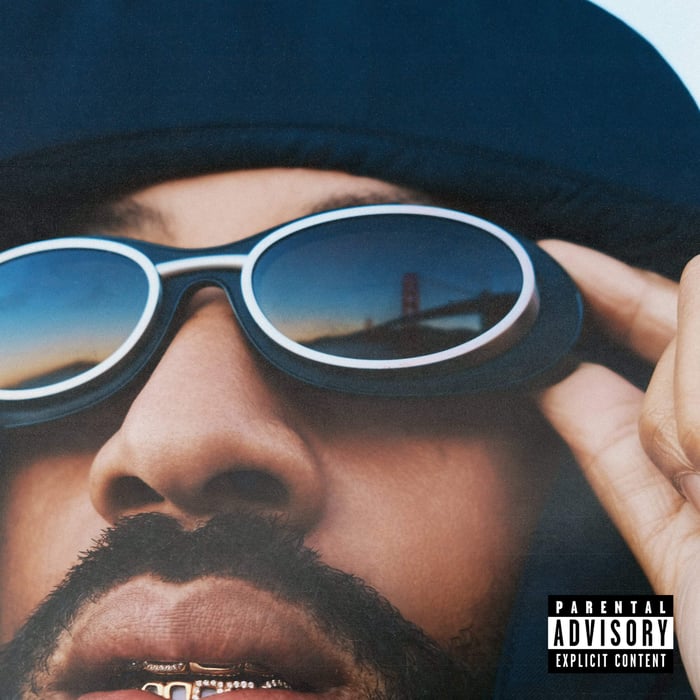
Who Coppin Album Review: Larry June’s Chill Hustle Sermon (Too Calm?)


 See more Architeg Prints stories on Google.
Who Coppin Album Review: Larry June’s Chill Hustle Sermon (Too Calm?)
Who Coppin is Larry June turning spreadsheets into soul music—smooth enough to fool you, sharp enough to leave a mark.
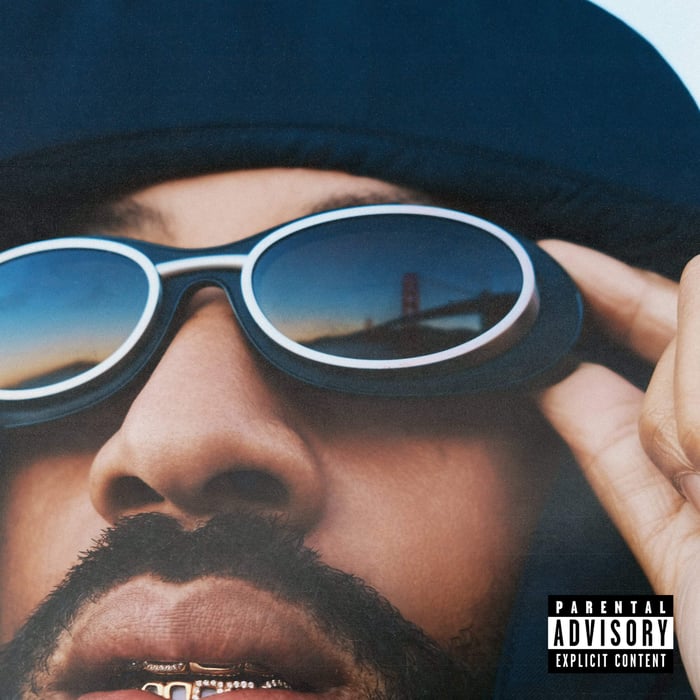
A calm voice at the door, and it’s not accidental
This record doesn’t kick the door in. It opens it, smiles, and checks your shoes before you come inside.
“Go Outside Intro” makes that obvious immediately: Wallo267 slides in like a motivational doorman—part preacher, part street philosopher—rapping over a smooth soul groove like the beat is a moving walkway. The point isn’t bars-for-bars combat. The point is momentum. He’s talking ships, women, money multiplying into more money, and he’s doing it with that unhurried confidence that says, I’ve already lived the chaos; now I sell the method.
And that’s the first real tell of what Who Coppin is doing: Larry June doesn’t need to explain his world because the album assumes you already recognize it. He’s been building this self-employment mythology for years—health talk, real estate talk, street talk, discipline talk—delivered at the same steady pace, like the beat is a metronome for long-term thinking. You can argue it’s repetitive. I’d argue the repetition is the product.
The money talk isn’t flexing—it's accounting
The next stretch of the album feels like Larry is walking you through a portfolio while the production keeps the mood warm, almost comforting. That’s a choice, and it’s kind of a sneaky one.
On “Everything Liquid,” he’s not pretending the market is always sunshine. He’s talking about pulling cash out of stocks during rough times and moving it right back into real estate options—like panic is for people who don’t have a plan. There’s breakfast imagery, clients being kept informed like shareholders, and underneath it Aaron Paris and Beat Butcha lay down this soulful frame that makes the whole thing feel… domesticated. The beat doesn’t “go hard.” It goes stable. That’s the flex: stability.
Then “Better Decisions” sharpens the theme into something more personal. He’s keeping stacks organized, maintaining the craft “differently,” and casually tossing a .45 into the picture like it’s just another tool on the desk. What caught me off guard is the confession buried in the calm: he admits he’s never taken a private flight and doesn’t have “the model” yet. It’s such a plain line, but it changes the vibe—suddenly this isn’t fantasy wealth, it’s a guy still climbing while acting like he’s already arrived. Some listeners will call that honesty. Others will call it the oldest hustle trick in the book: sell the lifestyle while you’re still assembling it.
“3 Calculators” is where he lets the joke land without changing his facial expression. The image is ridiculous and specific: seat back, blunt lit, touching screens—working three calculators in a six-speed. Lancecape and Teeko give him a jazz-oriented groove that moves loosely, drums and bass swirling while he downplays the whole thing like it’s normal to be doing high-speed math in traffic. It’s funny because he refuses to wink at you. The humor is the deadpan.
He won’t explain the origin story, because mystery is part of the brand
Here’s the thing: this album barely explains how the “first bankroll” happened. It just appears—already moving, already working, already multiplying. That’s either lazy storytelling or deliberate mythmaking. I’m not totally sure which one it is, but it creates a specific effect: Larry June becomes less “guy who got money” and more “system that generates money.”
On “The Machinist,” DJ Idea drops hard 808s and Larry flashes back to the green Pontiac on the corners, choppers in the trunk, three phones tracking time, Big D’s in the chain. It’s a self-portrait squeezed into boasting, capped with the line about not “just” rapping—everybody already knows he’s the street poet. And that’s the vibe: he’s not trying to convince you. He’s reminding you.
“Casual Monday” is a sharper version of the same dual-life framing. Cardo Got Wings sets a pace that feels effortless—three-hundred-dollar steaks and runway models up front, baking soda and a loaded magazine in the back. He even tags himself with the nickname the block gave him: Tio Larry when he’s copping weight. The arguable part? I think this track is the album’s real thesis—not because it’s the deepest, but because it’s the cleanest snapshot of how Larry wants the contradiction to feel normal.
By the time “The Smooth Kind” hits, he’s basically speed-running an inventory list—money, gold, cars, clothes, blocks, stoves, chops, women—while DJ Idea strips the track down to 808 rhythm and empty space so each item lands like a separate object on the table. It’s minimalist in a way that makes the materialism sound clinical. Like he’s labeling evidence bags.
The love songs don’t soften him—they make him look more in control
I went in expecting the romantic moments to be the usual detour: a softer track because the label wants one, or because the artist needs to prove range. On second listen, I think the love songs here do something more strategic: they make Larry’s world look organized. Love becomes another form of structure.
“California Dream” floats because Jhené Aiko floats—slow, airy chords from Cardo Got Wings, and suddenly Larry sounds smitten. But even smitten Larry is still Larry: the promise is big (one woman changing everything, forever against whoever), and the delivery stays calm, like commitment is just another long-term investment. Some people will find it romantic. I think it’s romance filtered through a businessman’s voice memo.
“Pretty Green Eyes” is more affecting because Musiq Soulchild sings the heart of it, and Larry doesn’t try to out-sing the song—he just talks under it, like he’s having a private conversation while the hook does the public emotion. He acknowledges those fast-living years and offers the woman who stayed the chance to fly out of the country. It’s not a grand apology. It’s a practical kind of gratitude, which is either refreshing or frustrating depending on what you want from a “love track.”
Then “Win or Lose” shifts the temperature: B-Legit brings something heavier, more grounded. The imagery gets specific—cheese in the tuck, truck meetings organized, a straight face in front of TSA while joking they’ll probably search him… and all he’s got is candy. Larry’s response is cold math: winners, losers, sellers, tellers—and a blunt admission that he lived wrong and still ate. That line doesn’t beg forgiveness. It just sits there.
Yes, there’s a real dud—and it’s the one trying hardest
Not everything lands. And the miss is so obvious because the album is usually better at understatement.
“Flex” is where the wheels squeak. Swizz Beatz chants about not liking haters, and each line feels like it’s built from the same template—diamonds, commas, houses, an SF90—then the title word repeated again and again like repetition equals impact. The frustrating part is the sample work is strong, so the track could’ve been a slick centerpiece. Instead it feels like a draft hook got promoted to final version. A De Bethune on the wrist and custom stitching in the car deserves lyrics with more flavor than a one-word chant.
“Organic Motion” doesn’t crash, but it thins out. DJ.Fresh brings that Bay bounce and it’s breezy enough, but Larry drifts through it—“breezy-kiwi-Louis” talk, and then it’s basically gone. I kept waiting for the track to develop a second idea, and it just… doesn’t. Maybe that’s the point: motion without destination. Still, it’s the rare moment on Who Coppin where the chill starts feeling like avoidance.
The best songs feel like time travel with receipts
When the album locks in, it does this thing where the present and the past overlap—like Larry’s walking forward while pointing backward without slowing down.
“Organically Slidin’” is pure movement: he’s jogging down Lafayette Street, second phone ringing about a check, Cardo Got Wings giving him G-funk synth sparkle and a rubber bassline that turns the whole moment into sunshine. Then he pivots back a decade with a detail so plain it hurts: parked in front of Bob’s, buying a bottle of water and Red Vines, sold out before nine. Narcs searched his car that night and he happened to be clean—the relief never left him. That kind of memory doesn’t feel written. It feels carried.
“Larry’s Diner pt. 2” turns that remembering exercise social. Billy Bonez, Teeko, and Todd Cooper build a live-room pocket of soul samples, and Larry drops into it like he’s telling stories across a table. Emeralds in the bezel. Waking up in cold sweats thinking about snakes. Then the brag that’s too clean not to repeat: bringing snow to Alaska. It’s cartoonish, but it’s also the language of someone who believes excess is proof of survival.
The title track is the confession hiding inside the business plan
Eventually the album stops implying the backstory and just lays it out.
On “Who Coppin,” Larry goes straight through his own timeline: his mother calling in 2012 telling him to find a job, the realization back in 2009 that the streets were dead, being down bad that year, pushing an S5 by 2012 anyway. The most human part is the line about having a two-year-old son at home—he wasn’t on dumb stuff, he was trying to eat. That’s not a moral defense. It’s a reality check.
June Santana and Teeko stack thick bass and warm chords under a hook that’s basically a scavenger hunt through desperation: searching a box of hope for a heart, and finding a digi scale, a turkey bag, and a yacht. It’s funny in a bleak way—like the objects tell the story better than any lecture could. The diapers line hits because it’s ordinary. Money not arriving is ordinary too. The album’s entire calm demeanor suddenly reads like a coping skill.
Then “God Got Us (Ain’t Too Many)” comes from the far side of it. He frames his mother as a product of the dope game, and drops the line that feels like the album’s most exposed nerve: he was taught how to survive, not how to live. And the only thing he ever asked God for was strength to leave. That’s the real “product” Larry June has been selling ever since—escape disguised as lifestyle advice. On Who Coppin, you can finally hear what it costs.
Favorite tracks (because yes, some of these stick)
If I’m pulling a few back immediately, it’s these:
- “Casual Monday” — the cleanest snapshot of the album’s double-world logic
- “Pretty Green Eyes” — Musiq’s hook does the heavy lifting, and Larry knows it
- “Organically Slidin’” — sunlit G-funk sheen with a memory that actually stings
Conclusion: this album isn’t selling joy—it’s selling control
Larry June makes Who Coppin sound like calm is an asset you can acquire. The production keeps things warm and patient, the bars stay steady, and the whole record quietly argues that the real flex isn’t money—it’s not panicking. Even when the writing slips (looking at “Flex”), the album’s intent still comes through: turn survival into a routine, then sell the routine as a worldview.
Our verdict: If you like rap that treats discipline like religion—and you don’t need every song to “go crazy” to feel effective—you’ll like Who Coppin. If you want emotional chaos, vocal theatrics, or big plot twists, this will feel like watching someone file taxes in luxury sunglasses.
FAQ
- Is Who Coppin more about hustling or reflecting?
It’s hustling as reflecting—Larry keeps revisiting old moments, but only to show how they got converted into a method. - Does the album have a lot of features, and do they matter?
The features matter when they add texture: Jhené Aiko softens the air, Musiq Soulchild supplies the emotional center, B-Legit adds weight. - What’s the weak point of Who Coppin?
“Flex” tries to be a statement and ends up sounding like a hook got copy-pasted. “Organic Motion” also fades before it finishes its thought. - What’s the strongest stretch of the album?
The run where he turns memories into motion—especially “Organically Slidin’” into “Larry’s Diner pt. 2”—because the details feel lived-in. - Is Who Coppin a good entry point for Larry June?
Yes, if you’re open to an album that runs on patience. If you need constant escalation, start somewhere else—this one prefers steady returns.
If this whole “calm luxury” aesthetic got under your skin (in a good way), grabbing a favorite album-cover poster is a neat way to keep the vibe on your wall without replaying the same hook all week: https://www.architeg-prints.com/
 | DISCOUNTGET 30% OFF*Use code on your next order:
|
* This post may contain affiliate links, meaning we earn a commission if you make a purchase through these links, at no additional cost to you.