Nao Yoshioka’s self album: soul-searching with a suitcase of mirrors


 See more Architeg Prints stories on Google.
Nao Yoshioka’s self album: soul-searching with a suitcase of mirrors
The self album isn’t a victory lap—it’s the sound of Nao Yoshioka quitting “growth” and finally telling the truth, even when it’s messy.
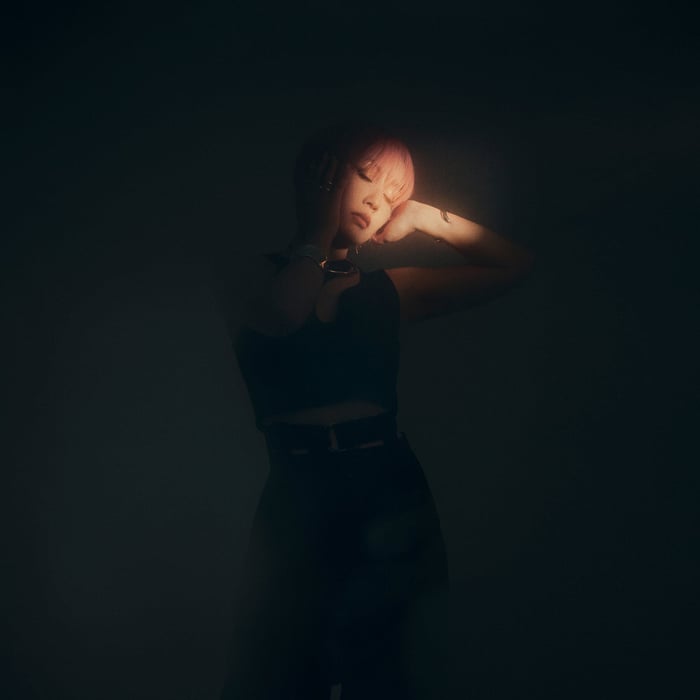
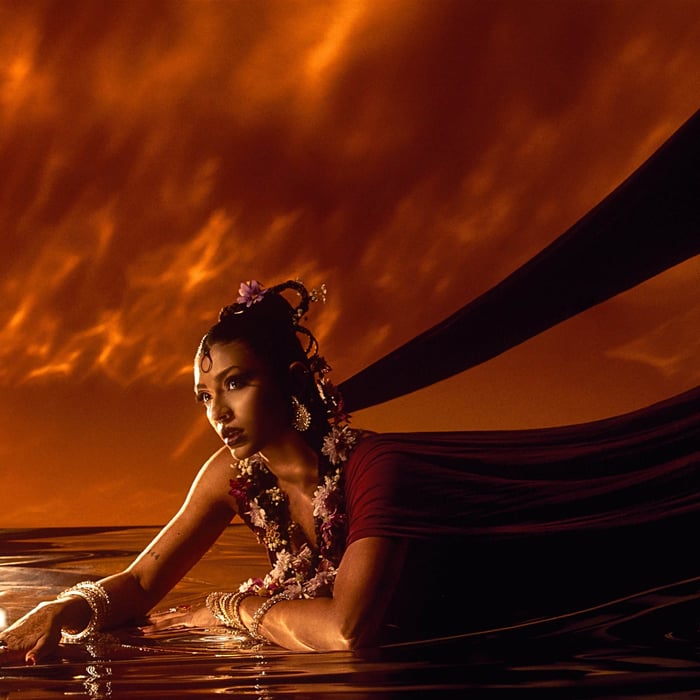
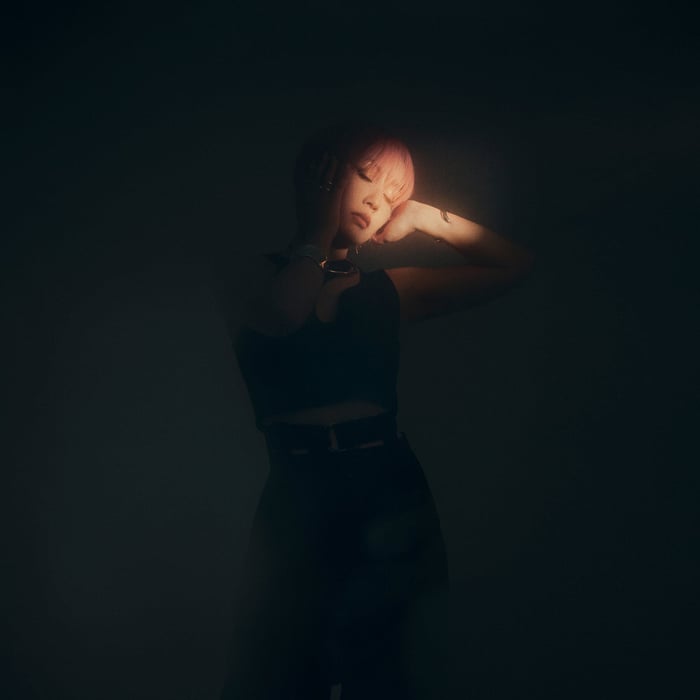
Courtesy of Sweet Soul Records.
A quick warning: this album doesn’t “fix” anything
If you’re putting on self expecting inspirational soul-pop that pats you on the head and sends you back into the world with a fresh latte attitude, you’re in the wrong room. This is a self album in the literal sense: it’s built like someone walking up to a wall they’ve been pretending isn’t there, placing a hand on it, and admitting, “Yeah, that’s concrete.”
And the blunt part? Nao Yoshioka clearly chose to stop narrating her life as a motivational speech. The record keeps drifting back to one stubborn idea: acceptance isn’t cute. It’s survival.
From Osaka to America: the origin story shows up in the sound
You can hear the long arc behind this. At 20, Yoshioka left Osaka and went to the U.S. alone, chasing soul music at the source like it was a language course you could pass if you studied hard enough. She ended up doing Amateur Night at the Apollo, embedded herself in Philadelphia’s soul ecosystem for a live-session style album, and later took Flow (her 2024 album) across eleven countries.
That history matters because self doesn’t sound like someone “trying soul.” It sounds like someone who already proved they can do it—and now wants to know what’s left when the proving stops. The album is packed with collaborators and musicians tied to places like Philadelphia, Chicago, Amsterdam, Hanoi, Helsinki, Tokyo, Taipei. Not as a tourism flex, but like she’s deliberately scattering her voice across different rooms to see if it still belongs to her.
I’m not totally sure if that globe-spanning cast is meant to make a point about identity, or if it’s simply the natural footprint of her career now. But either way, it lands like this: the “self” here isn’t a private diary. It’s a self that keeps getting reflected back by other people.
She drops the forced optimism—finally—and “Changes” makes that obvious
The record’s emotional pivot shows up early. On “Changes,” she sings about dancing in the rain, taking punches, smiling in present danger—lines that could’ve been inspirational wallpaper. But the track refuses to shine them up. The electric piano is soft, the bassline round, and the groove holds itself steady with sharp snares that feel like they’re keeping time for someone trying not to spiral.
Devin Morrison warming the hook matters, too: the hook isn’t “bigger,” it’s kinder. Like the song is offering shelter rather than hype. And that choice—warmth over triumph—sets the terms for the whole self album. This isn’t “look how far I’ve come.” It’s “this is what I’m carrying.”
Arguably, “Changes” is almost too polite for its own good; the arrangement is so smooth it risks making the discomfort sound comfortable. But I think that’s the point: she’s singing dangerous thoughts like they’re normal, because they are normal.
“All I Wish” slows the room down and stares into the mirror
“All I Wish” pulls the tempo back and gives her voice space to do something harder than belting: it makes her wait. Light drums, rising background harmonies, and a singer trying to see herself clearly—“Been caught up inside the storm / In the mirror / Why can’t I see myself?”
That line hits because it’s not poetic. It’s blunt and embarrassed. The bridge is where the self album thesis tightens: she wishes another self forward, head up, trusting day by day. And you can hear restraint in how she holds notes here—less “soul fire,” more “don’t fall apart.”
A reasonable listener could say the track plays it safe dynamically. I get that. But the minimalism feels intentional: she’s not trying to win the scene. She’s trying to stop lying.
“Safe Place” turns self-love into an argument, not a slogan
“Safe Place” brings in Jamila Woods, and the whole track behaves like two people finishing each other’s therapy homework. Woods takes her verse like she’s speaking softly on purpose, cooling the temperature around Yoshioka’s lyrics rather than trying to out-sing her.
“All along, I was the catch / All along, I was my own other half.”
It’s an affirmation, sure—but it’s also a rebuke to the version of yourself that keeps auditioning for love.
Arguably, the song’s comfort is a little suspicious—like the safety is still curated. But the way their voices layer reassurances over warm keys and a slow-step drum feel makes it believable enough. It’s not bliss. It’s a boundary.
“Pieces of Me” sounds like identity being passed hand-to-hand
“Pieces of Me” features Mỹ Anh, and the duet is built around a trap that’s almost painfully specific: “My dependency tendency got me obsessed / Always tryna control what comes next.”
What gets me is how the concept of “self” keeps moving between them—like it isn’t a fixed object, more like a torch. Their tones are different in a way that matters: Yoshioka comes in fuller, classic soul-shaped; Mỹ Anh is brighter, silkier. It’s texture, not volume. No one is trying to dominate the mix. They’re acting out the point: the self is not a solo instrument.
At first, I thought the contrast might feel like a feature-versus-lead situation. On second listen, it feels more like the song is refusing hierarchy. That’s a quiet but real creative decision.
When she wants physicality, she actually commits (and that’s rare)
A lot of “serious” soul records treat pleasure like a guilty bonus track. self doesn’t. “You Got to Feel It” is where Yoshioka gets animated—short hook responses, a direct challenge to move, and a groove that doesn’t ask permission.
Braxton Cook’s sax on top of the springy bassline and crisp hand claps gives the track a communal, sweaty snap. And lyrically, she flips from conflict to desire fast—“Turns me on how / You getting greedy.” That kind of pivot can sound corny if the singer doesn’t mean it. She means it.
“Heartbeat” keeps that physical thrust going: kick and bass locking a soul-funk rhythm while she shortens her lines to sit inside the pocket. Khari Mateen’s presence adds musicianship without cluttering the intention. She’s promising good feelings all night long—two people, closed door, no metaphor required.
If there’s a mild knock here, it’s that the album’s sexier moments are so controlled they almost feel like they’re wearing dress shoes on purpose. I kept waiting for one truly reckless vocal run—something that messes up the furniture. She stays composed.
“Inner Universe” is the album’s most revealing trick: vibraphone as a second voice
“Inner Universe” is the only track built on vibraphone, and that decision isn’t cosmetic—it changes her whole delivery. Vibraphone mallets don’t just decorate; they answer. She opens her tone wide to leave space for that rhythmic response, like she’s deliberately not filling every corner with vocal.
“Come with me / We’ll fly into a world that feels divine.”
It could’ve been pure escapism. Instead, the verses explain why the dream exists: she had to stay whole just to feel the fear of not being heard when she’s left silent. Then, once she gets the company she’s been craving, everything evaporates—like the fantasy doesn’t need to be detailed once the loneliness lifts.
Arguably, “Inner Universe” is the album’s best songwriting because it doesn’t over-explain. It lets the instrument do the subtext.
Nature imagery on “In the Rain”—then the real confession drops
“In the Rain” starts outside: dancing trees, whispering wind, watching moon. MXXWLL sets a loose drum pocket with syncopated basslines that keep the song moving like footsteps on wet pavement.
Then the scenery falls away and she admits the actual wound: “I’ve been blaming myself / Wearing guilt like skin.” That’s the kind of line that re-frames the earlier pretty imagery as avoidance. The song becomes a self album move: she uses beauty as a doorway, not a destination. Soon after, she’s standing still in the forest, forgiving herself with something like a gentle smile. Not a victory. A release.
I’m slightly uncertain whether the nature framing is her genuine comfort zone or a strategic softener before the confession. Either way, it works because the groove stays loose enough to feel human.
“Shadow” is the confrontation—and it’s staged like a duel
The album’s hardest moment arrives on “Shadow,” and it doesn’t need volume to hit. Bilal joins her, and the whole track plays like a battle between selves. They trade lines like accusations:
“I am the anger that you left untold / I am the fire you hid in the smoke.”
His phrasing comes in unpredictable, jagged against her control. The keys and bassline run dark, and the snare marks each beat like a divider between the two voices—two versions of one person insisting they’re the real one.
The truce is what makes it sting: the voices stop trying to win. They hold onto their broken pieces and let shadow and light share the same space. That’s a bigger emotional leap than any “I’m healed” chorus could offer.
Arguably, this is the album’s true centerpiece—because it’s the only place where the conflict isn’t smoothed over by elegance.
“Side of You” refuses to show off, which is its own flex
“Side of You” is almost aggressively unflashy: warm keys, a soft clap pocket, and a breakup being replayed until it loses its power. There’s no big instrumental twist, no dramatic bridge built for applause. It’s chord warmth and vocal control, period.
And honestly, that restraint is either the song’s strength or its limitation, depending on your patience. I respect it more than I enjoy it. But I also think that’s the point—this is her letting a memory run out of battery.
Arguably, it’s the album’s most “adult” track: nothing to prove, nothing to sell.
“Yet to Come” lets the trumpet say what she won’t
“Yet to Come” gives the strongest instrumental voice on the record to Keyon Harrold. His trumpet melody doesn’t sit politely; it punctuates, rises, responds as the bass moves behind the chord changes. The trumpet feels like the part of the mind that keeps talking when the mouth tries to stay composed.
Lyrically, Yoshioka reflects on chasing light in other eyes, wanting to be someone else. Then the bridge turns lonely nights into golden mist and lands on a simple phrase that sounds like a plan more than a confession: “Learning to stand in who I am.” She says it plainly, like she’s testing if she believes it yet.
Harrold keeps climbing behind her as she hits the last phrase, which is the whole album’s tension in miniature: she’s trying to stand still, but the music keeps reaching.
Arguably, that’s the smartest sequencing choice—ending the emotional arc with motion, not closure.
Where I landed: favorites, and why this self album actually works
By the end, I’m comfortable calling self a great listen—not because it’s flawless, but because it commits to its emotional angle without begging for sympathy.
If I had to pick the tracks that best reveal what the self album is doing, I keep coming back to:
- “Inner Universe” (because the vibraphone forces honesty)
- “Shadow” (because it stages the conflict instead of decorating it)
- “Yet to Come” (because the trumpet refuses to let the ending feel tidy)
A reasonable person could argue the album is almost too polished for such raw subject matter. I won’t fight that. But I think Yoshioka is making a specific bet: clarity over catharsis.
Conclusion
self sounds like Nao Yoshioka stepping past her old habit of turning struggle into a positive slogan. The album keeps showing me the same thing from different angles—mirror, duet, dance floor, forest, shadow—until the message is unavoidable: the “better self” myth runs out of road, and what’s left is acceptance that doesn’t sparkle.
Our verdict: People who like soul with grown-up emotional mess—and who don’t need every song to climax—will actually like this album. If you want big drama, vocal Olympics, or tidy empowerment bows, you’ll get impatient and start checking the tracklist like it owes you rent.
FAQ
- What is the core theme of the self album?
It keeps circling self-acceptance after “self-improvement” stops working—especially in “Shadow,” “All I Wish,” and “Yet to Come.” - Which song shows the album’s most unique instrumentation?
“Inner Universe.” The vibraphone isn’t decoration; it changes how she phrases and leaves space. - Are the collaborations essential or just bonus features?
Essential. Jamila Woods and Mỹ Anh don’t just add variety—they make the album’s identity question feel shared, not solitary. - Is this album more upbeat or more introspective?
Both, but the upbeat tracks (“You Got to Feel It,” “Heartbeat”) still feel like part of the same self-examination—just with a pulse. - What tracks should I start with if I only have 15 minutes?
“Inner Universe,” then “Shadow,” then “Yet to Come.” That run shows the album’s heart without needing context.
If this record put you in the mood to hang an album cover on your wall like a personal receipt, you can shop favorite album cover posters at our store: https://www.architeg-prints.com/.
 | DISCOUNTGET 30% OFF*Use code on your next order:
|
* This post may contain affiliate links, meaning we earn a commission if you make a purchase through these links, at no additional cost to you.