Syd Beard Review: Domestic Desire With a Holster (Yes, Really)


 See more Architeg Prints stories on Google.
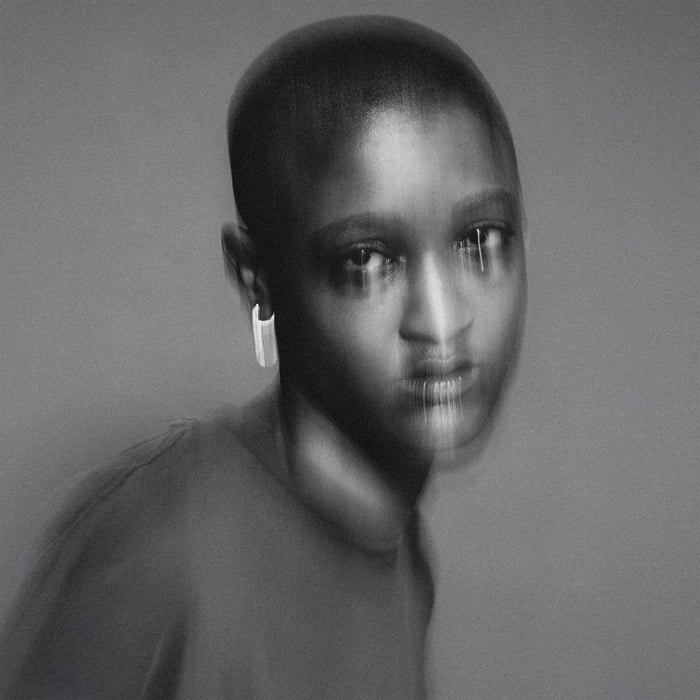
Album Review: Beard by Syd
Exploring Syd’s intimate and domestic take on love and loyalty in her album Beard, where vulnerability meets routine in a slow-burning R&B narrative.
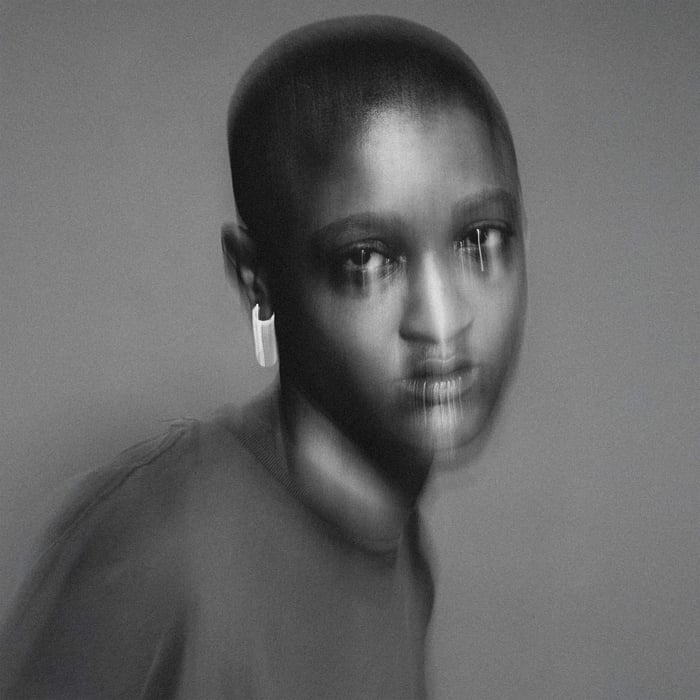
A record that starts at the doorway, not the dancefloor
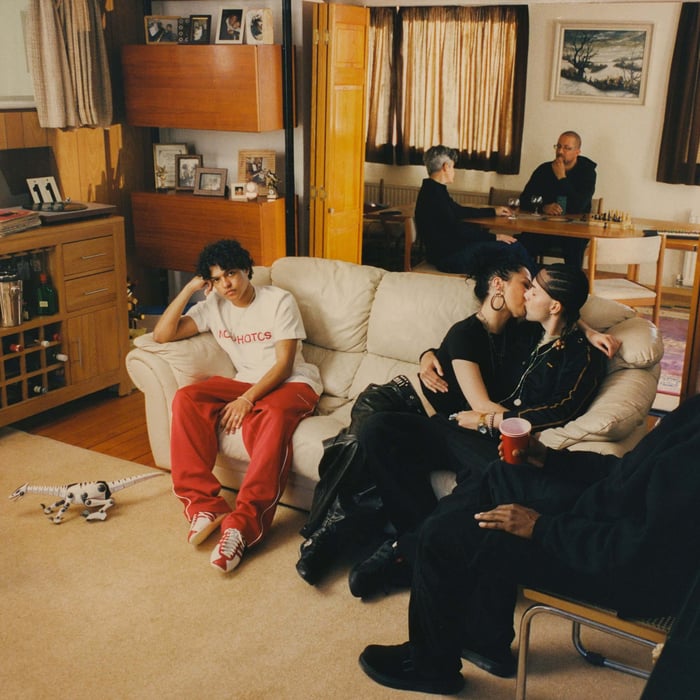
Syd’s Beard doesn’t kick the door in. It stands in the doorway with its shoes still on, clocking the room, deciding whether it’s staying the night. The whole album feels built around thresholds—walls, closets, couches, texts that don’t turn green, a coat hanging where someone else’s coat might hang soon. It’s not an album about “love” in the grand, cinematic sense. It’s about what love looks like when it’s domestic, repetitive, and slightly suspicious of itself.
And yeah, the title matters. This isn’t the old freak-show “bearded lady” marketing trick where hair equals scandal. Syd flips that on purpose: she treats the thing she was taught to hate—peach fuzz, presentation, whatever “society” tries to police—as something she can live inside. Beard lands like a personal snapshot, but not the glamorous kind. More like: here’s the house, here’s the mess, here’s what I keep reaching for when I’m bored, lonely, horny, or all three.
I thought the album might play like a statement piece—big, loud, capital-I Important. But on second listen, it’s more of a lived-in diary that refuses to raise its voice. That’s the trick: the record keeps its pulse low even when the vows get extreme.
“Walls” and “Closet” turn seduction into interior design
The opening “Walls” sets the tone with quick, clipped vocal phrases—Syd leaving noticeable air between lines, like she’s making the ask and then waiting to see if the other person flinches. The keys stay soft. The synth bass is rounded, gentle, almost cushioned. The begging is there—“come over, let me give you lovin’”—but it’s delivered like a calm request that’s secretly a test.
That same push-pull gets literal on “Closet,” where Syd does something more revealing than any grand romantic speech: she makes room. The hook isn’t about passion; it’s about space. She flips her natural instinct (“want my space”) and admits, “not today.” That’s not a cute line—it's a whole personality rewrite in real time.
CUBE’s verse slides in with the kind of opportunist honesty that makes these songs feel like actual conversations. He’s basically hoping a few hoodies go missing so there’s an excuse to come back. It’s funny in a quiet way, because it’s also true: people really do build relationships on tiny domestic lies like “I think I left something at your place.”
Here’s my arguable take: these early tracks aren’t slow because Syd wants mood. They’re slow because she’s controlling the speed of the relationship, like she doesn’t trust anything that moves too fast.
“Water” and “Jasmin 17” admit the problem might be Syd
“Water” drops the temperature even further. Syd’s not doing the big R&B belt; she’s stripping the situation down to basics—coat off, defenses down, and a promise that sounds simple until you notice how loaded it is. She’s offering to be “cool sea” for someone disoriented, someone who can’t tell up from down. The song plays like caretaking, but also like seduction dressed up as emotional support. That’s not a moral judgment—just what it feels like when you hear it.
Then “Jasmin 17” turns the lens back on her. Syd calling herself a threat and inconsistent isn’t tossed-off self-deprecation; it’s a confession that she knows she’s hard to deal with. The line “how you make it look easy to love” stings because it’s admiration and envy in the same breath.
A reasonable listener could say this is vulnerability. I think it’s closer to strategy: Syd keeps showing her flaws first, like she’d rather control the narrative than let someone else name her.
“My Love” is where the album gets casually unhinged
The most surprising promise on Beard arrives with a gun, and Syd delivers it like she’s talking about picking up groceries. “My Love” rides deep synth bass with drums tucked behind the vocal—like the beat is intentionally staying in its place. Syd plays armed bodyguard, holster at her waist, keeping men off her girl. It’s an “I got you” song, but taken so literally it becomes borderline absurd.
And it works. Mostly.
Here’s my mild criticism: the production is so smooth—almost too polite—that the “holster at my waist” detail can feel like a prop in a perfectly staged room. The track flirts with danger, but the sound stays so controlled it’s like watching someone threaten a dude while sitting perfectly upright on a nice couch.
Still, Syd’s escalation is the point. The vows jump from shelter to prison time—“if I go down I’d smile in my cell all day”—and she sings it with the same ease as the softer lines. That’s the album’s real kink: treating extreme devotion as normal. Even the nod to bossa nova-ish flavor in the production makes the threat feel sunnier, which is… a choice. A very Syd choice.
“Always Be Mine” and “Do Better” turn liquor into a routine, not a party
“Always Be Mine” isn’t a sloppy “we got drunk and made up” anthem. It’s months of demon-chasing condensed into one track—Syd reaching for a kick, hoping the bottles don’t make a fuss. The denial is toasted neat: feeling better than she should, grabbing another drink anyway.
Jordan Ward shows up sounding like a man who can’t stand alone. His verse is uncomfortable in a good way—he looks at himself mid-song and doesn’t like what he sees, then asks for one more drink to finally say what he means. That’s not just “feature chemistry.” That’s two people using intoxication as a translation device.
Then “Do Better” drops the party narrative altogether. Syd walks through her own ruins and doesn’t dress it up with poetic fog. The lines are blunt: anxious depression, need intervention. Some people will call that too on-the-nose. I think the simplicity is the flex—like she’s tired of pretending she doesn’t know what’s happening.
And by “2 Many Days,” alcohol isn’t even dramatic anymore. It’s routine. Half joke, fully habit: learned the lesson chasing more women, had one too many, still need more liquor. The exhausted calm is what lands. The keyboards stay soft, the snare stays gentle, and Syd still turns toward someone she cares about at the end—urgency underneath excuses, promising to make time.
Arguable statement: the record’s real heartbreak isn’t any breakup line—it’s the way drinking becomes background furniture.
“Callin” and “GMFU” show Syd staying weirdly calm in chaos
“Callin” hands the emergency to Blu June, dialing 911 for love while Syd stays cool under it—rolling trees on the couch like the crisis is happening in another room. There’s an ironic bite in the beat choice too, borrowing the drum loop from Lil Wayne’s “Mrs. Officer.” It’s a smart flip: the song is literally calling for help, but it’s also kind of smirking at itself about it.
Syd’s detail about texts not turning green is one of those tiny modern gut-punches. The logic is ridiculous and real: if the messages aren’t green, they’re still going through. So the plan continues—brunch, lemon drops sweet enough to “get someone out of her body.” That line doesn’t sound like romance to me. It sounds like Syd trying to manage someone’s state like she’s adjusting lighting in a room.
Then “GMFU” brings in Big Sean with tighter rhyme placement and more packed syllables. He hates seeing himself in the woman leaving him, and he sums up the entire mess cleanly:
“It’s sick when the same one that’s breaking your heart / Is the same one that puts it together.”
Under him, Syd keeps the hook steady—smoke too much, drink too much, think too much—like she’s narrating her own breakup from the most controlled seat in the house.
I’m not totally sure if that calm is strength or avoidance. Maybe it’s both. Either way, it’s the album’s defining posture: chaos happening, Syd sitting still.
“Bad Guys” shrugs at blame—and that shrug might be the point
“Bad Guys” is Syd granting grace like she’s too tired to prosecute anyone. The idea is simple: bad guys were once good; good guys have gone places they shouldn’t. It’s a pass for everybody involved, which is generous and also slightly slippery.
In the bridge, she offers up the world, the heavens, everything above it—no matter what it costs. Then she immediately undercuts it by admitting it’ll cost almost nothing if it’s not what the other woman wants. That’s the contradiction I can’t stop hearing: Syd can pledge everything and nothing in the same breath.
The song leaves a question hanging—what are they even fighting about?—and lets it float through verses padded with la-la-las. Some listeners will find that dreamy. I hear it as deliberate vagueness, like Syd doesn’t want to name the real argument because naming it would make it real.
“Any Time” is where the doomed relationship finally admits it’s having fun
“Any Time” is James Fauntleroy’s best moment here, because he doesn’t just sing—he bends around the chords like he’s trying to sweet-talk the harmony itself. The setup is classic: two people describing the same doomed relationship from opposite ends, both fully aware, both still participating.
Syd knows what her ex is doing and asks her to come do it again. Fauntleroy pops in comparing the woman to roulette and slides right into the risk like that’s the attraction. Syd’s line “every time you come over, I come too” lands gruff, like a text message you send without rereading because you already know you’re going to regret it.
Then the bridge snaps into honesty:
“Normally by now, I’d dub it / But I can’t even lie, I love it.”
That’s the album in one pivot: self-awareness doesn’t stop behavior. It just narrates it more clearly. The final choruses lock Syd and Fauntleroy together in harmonies that interlace while drum hits are spaced far enough apart to breathe. Two adults. No innocence. No excuses. Just choice.
Arguable statement: this is the album’s real climax, not “My Love”—because it’s the only moment where the record stops posturing and admits the mess is also pleasure.
If drinking or depression is part of your life right now, the SAMHSA National Helpline (1-800-662-4357) is free, confidential, and open 24/7 in the U.S.
Conclusion: Syd makes intimacy feel like a daily habit
Beard isn’t trying to be a spectacle. It’s trying to be a room you recognize: the door, the coat, the closet, the couch, the drink, the text thread, the weird promise said too calmly. Syd turns love into logistics—space, time, access, security—and somehow that makes it hit harder than big romantic theater. The album’s boldest move is how rarely it begs. It mostly just states what it will do, then waits to see if you stay.
Our verdict: People who like slow-burn R&B where the real drama is in the details—coats, closets, controlled voices, and vows that escalate quietly—will actually love Beard. If you need huge choruses, obvious payoffs, or emotional fireworks, this will feel like watching someone whisper in a perfectly tidy kitchen for 40 minutes.
FAQ
- What is the core vibe of Beard?
Close-quarters intimacy—seduction as domestic routine, with alcohol and self-awareness humming underneath. - Which songs feel like the album’s center?
“My Love,” “Always Be Mine,” and “Any Time” are where the record shows its full range of devotion, denial, and relapse. - Does Beard lean more romantic or more self-destructive?
Both, and that’s the point—the romance often is the self-destruction, just said softly enough to sound reasonable. - How do the features affect the album?
They act like mirrors: CUBE adds opportunistic realism, Jordan Ward brings bruised spiraling, Blu June makes crisis literal, Big Sean sharpens the breakup math, and James Fauntleroy turns temptation into melody. - Is the album “heavy” emotionally?
It can be, but it refuses melodrama. The heaviness sneaks in through repetition—drinks, texts, excuses—until you realize you’ve been sitting in it.
If this album’s imagery stuck with you—cover art, mood, or that whole “home-life but make it complicated” aura—consider grabbing a favorite album-cover poster for your wall at our store: https://www.architeg-prints.com
 | DISCOUNTGET 30% OFF*Use code on your next order:
|
* This post may contain affiliate links, meaning we earn a commission if you make a purchase through these links, at no additional cost to you.