Kamal Album Review: “Everybody Else Manage?” Isn’t a Question, It’s a Threat


 See more Architeg Prints stories on Google.
Kamal Album Review: “Everybody Else Manage?” Isn’t a Question, It’s a Threat
An unvarnished Kamal album that ditches the cozy lockdown whisper and stares at grief, work, love, and faith until they blink first.
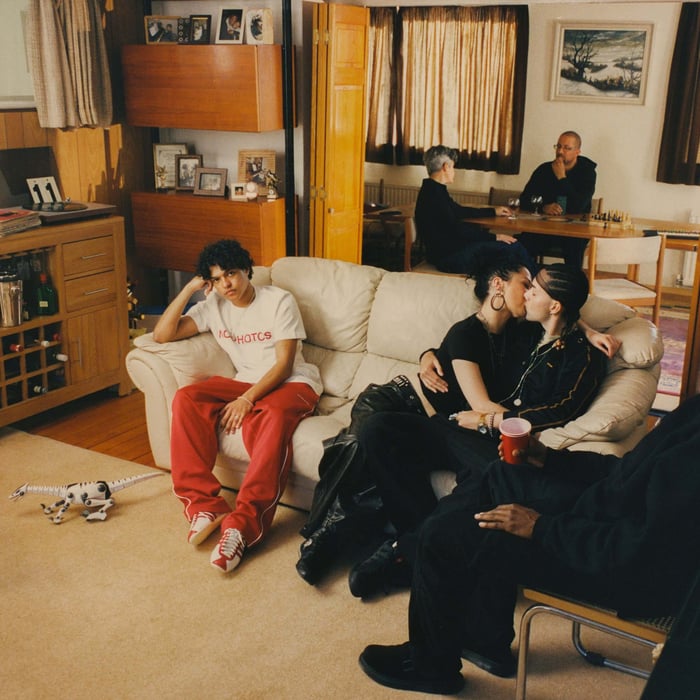
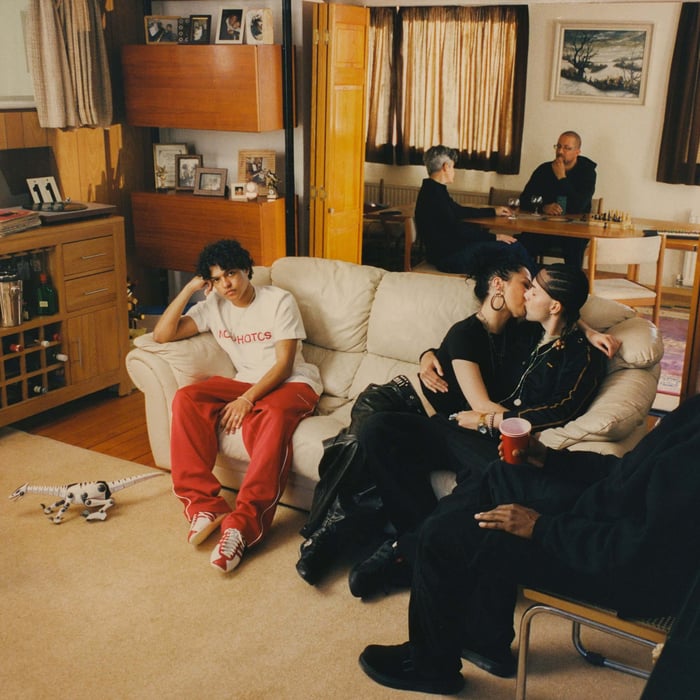
Courtesy of Neighbourhood Recordings.
The hook: this isn’t “sad music,” it’s a stress test
A lot of “bedroom pop” from the lockdown years felt like it was designed to help you fall asleep before your thoughts caught up. This Kamal album does the opposite. It sits you upright, turns the lights on, and starts listing the things you normally keep vague so you can function tomorrow.
And yeah, it’s blunt enough that I kept wondering, for a second, whether it’s brave honesty or just someone refusing to edit themselves. I’m still not 100% sure—and that tension is part of why it works.
The first move: ripping the gauze off the whisper-era sound
Here’s what I hear right away: the “whisper” isn’t the main character anymore. Instead, the piano is. Simple chords, not flashy—more like a plain table everything else gets set on. Strings rise underneath his vocals in a way that feels intentional: not “cinematic,” not “dramatic,” just pressure. Like the ceiling lowering by an inch every eight bars.
The bigger point is obvious: this record isn’t trying to be comfy. It’s taking that familiar, soft, close-mic aesthetic and using it as a trap—luring you into thinking you’re safe, then making you listen to lines that don’t let you drift.
And the intent feels personal in a specific way. Kamal. comes off like someone who’s had a piano in his hands since childhood and has been writing about heavy subjects long before it was “career-friendly.” That matters, because the songs don’t sound like they’re chasing a vibe; they sound like they’re chasing relief and not finding it.
Title track: the denim pun that turns into a collapse
The title track, “how the f*** does everybody else manage?,” builds like a slow ballad that’s trying to keep its composure. The chorus hangs on a denim-brand wordplay—“Traded true religion for a new balance”—and it shouldn’t work. It sounds like the kind of line that could’ve been a throwaway caption. But the way the music tightens beneath it makes it land like a bad coping strategy you keep using because it’s available.
Then the song starts stacking losses like receipts: label problems, ego bruises, money disappearing no matter how “slowly it comes.” It’s not flexing misery; it’s itemizing the ways stability gets punctured.
The hardest turn is when the third verse shifts to his mamita—her faith, the promise that God would cure her sickness, and then death anyway. He lands in that specific modern wreckage: wanting to pray, but not even knowing which prophet he believes in anymore. It’s not a tidy “crisis of faith” storyline. It’s the uglier version—grief interrupting belief mid-sentence.
An arguable take: that denim pun isn’t comic relief. It’s the album admitting it’s going to speak in the language of everyday distraction, because grand poetry would be a lie here.
“suffer”: intimacy as self-harm with a heartbeat drum
“suffer” is where the record stops pretending it’s about romance and shows you the bargain underneath. The girl can lie to his face, insult him, touch him wherever she wants. He asks for her hands on his neck, then immediately owns the masochism of it.
The production choice is nasty in a smart way: piano chords and a drum beat that sounds like a heartbeat. Not a club kick—an anxious body. The song makes closeness feel physical and dangerous, like affection is a method of control.
If I’m nitpicking, this is also where I briefly wanted more melodic surprise. The piano-and-heartbeat setup is effective, but it risks becoming too reliable—the album’s default room. Still, the emotional mechanics are clear: he stays, even while admitting it’s bad for him, because leaving would mean facing the silence.
Arguable statement: the song isn’t about her being cruel; it’s about him needing cruelty to feel something specific.
“need me less” and “contact lenses”: love under minimum wage lighting
“need me less” hits with a line that sounds too honest to polish: he’s “too damn young to be feeling this way.” Minimum wage, overtime, and the slow horror of being “gotten used to.” Then the post-chorus drops to a pit: “I’d rather be dead than not with you.”
That’s not romantic. That’s dependence wearing a love costume.
“contact lenses” is structured like spiraling self-interrogation: would she stay if he went broke, if he never got signed, if they were better off as friends. It keeps pushing until it flips outward—he starts looking at the wider world, where attention is prostituted through personalized TV screens. And then the fear that actually explains the whole panic: being afraid he peaked at eighteen.
At first I heard “contact lenses” as just another relationship anxiety track. On second listen, it felt more like the album’s thesis: love questions are a gateway drug to bigger questions you didn’t plan to ask.
Arguable statement: “contact lenses” isn’t insecurity—it’s a worldview forming in real time, and it’s not pretty.
“blood sweat and tears”: friendship, pins, and loyalty checks
“blood sweat and tears” goes back to a city where a friend is—except the vibe is “poor service,” emotionally and literally. He asks why she won’t send a pin, then demands she “show her Achilles” if she’s really a friend. It’s a ridiculous image on purpose: prove you’ve got a weak spot too, prove you’re human, prove this isn’t fake.
The second verse becomes a roll call—people named, doing their various things—followed by the only currency he seems to have left: “Whatever you carrying / You still got a piece of my heart.” It’s generous, but it’s also a little fatalistic, like he’s already accepted he’ll be the one giving more.
Arguable statement: this is a loyalty song written by someone who doesn’t trust loyalty anymore.
“all my favourite people are sad”: ages instead of names
Then the album stops playing and just swings.
“all my favourite people are sad” replaces names with ages, like trauma has its own calendar:
- seventeen: girlfriend with glass shards at her neck
- eighteen: entering her room and she’s passed out on ketamine
- twenty-one: little brother attempting suicide with pills, and the phone call that brings chills
And now he doesn’t answer the phone. Not because he’s cold—because he’s terrified the next call is death.
He lists meds—benzos, Prozac, SSRIs—and stays up all night laughing until he cries. That detail matters: it’s not “sadness” as an aesthetic. It’s dysregulation. It’s the body trying every possible setting.
I don’t love the title, honestly—it’s almost too neat for what the song contains. But maybe that’s the point: the language has to be simple because the events aren’t.
Arguable statement: the track doesn’t want your sympathy; it wants you to admit you recognize the pattern.
“youth”: the hook left unfinished on purpose
“youth” drops everything down to a simple keyboard pattern, light percussion, and a hook that’s deliberately unfinished. It’s exposed—loop of chord, admission, pause, chord again. The vocal sits there like it can’t hide behind anything.
It’s barely even a thought, which sounds like an insult until you realize that’s the design. Youth isn’t some cinematic montage here; it’s room tone and regret. He admits wasting it in the same breath he promises he’s on the way up. That contradiction is the whole track: ambition talking over disappointment like they’re sharing a mic.
The risk—here’s where the record can blur—is that several quieter songs live in similar clothing: light keys, light drums, then either strings show up or a guest shifts the temperature. Sometimes I kept waiting for a more dramatic production pivot that never came. But the sameness also creates a feeling: like days you can’t separate, because the mood never changes enough to mark time.
Arguable statement: the album’s “minimal” sound isn’t tasteful restraint; it’s the sonic version of being too tired to decorate your pain.
“a minute phone call”: when the soft voice says ugly things
“a minute phone call” is where he steps cleanly out of the blur—not by getting louder, but by getting sharper. He runs through existentialism, pessimistic blindness, kids with no pot to piss in, and then drops a line that doesn’t get softened by metaphor: every time he goes online he sees Columbine or demolition.
It’s one of the few times on the record where the outside world isn’t just background noise—it’s a direct assault. And then he points at the religious certainty people cling to: everyone thinks they have the best religion, so they never bother to listen.
I’m not totally sure the song resolves anything. It kind of just opens the window, lets the smoke in, and closes it again. But maybe that’s the truth: you don’t fix the world in a minute phone call. You just confess you’re seeing it.
Arguable statement: this track is the album admitting that personal misery isn’t separate from the newsfeed—it’s fed by it.
Features: narrowing, warming, grounding
The guest appearances aren’t there to decorate. They feel like Kamal. choosing different kinds of human presence.
Keaton Henson on “no friend, no lover”: smaller room, sharper edges
Keaton Henson arrives on “no friend, no lover” with a thin, fragile voice, and the arrangement narrows—soft guitar picking around the two vocals. The whole thing feels like it’s happening in a hallway at night.
Kamal. flicks away “plastic flowers,” fake reunions, the “Hey, stranger, how are you? It’s been time” script. The shared outro is so specific it hurts: no “Can we catch up?” on the Jubilee line, no career advice—“no, thank you, I’m fine.”
Arguable statement: the song isn’t antisocial; it’s allergic to performative intimacy.
Natanya on “back then”: warmth as a dangerous comfort
Natanya makes “back then” warmer—soft sway under his homecoming verse. Arms wide open like a baby reaching for a favorite toy. Her image—painting the walls of rooms inside her favorite voice—turns memory into architecture, like he’s living inside sound.
They meet in the bridge asking to be treated like Play-Doh, taught the way back. It’s a sweet idea, and also kind of alarming: adults asking to be reshaped because they can’t navigate the present.
Arguable statement: “back then” makes nostalgia sound less like comfort and more like dependency.
Dave on “the people that saved me”: friendship with a shadow
Dave shows up on “the people that saved me” with deep, grounded rapping over piano chords and open space. It’s speech-driven, steady, and it rides through a friendship that was never love—lying in bed, crying out: “God, am I better off dead? / What I did for the bread.”
Kamal.’s chorus answers with bodies in the bed, sour tastes, sweet memories he still longs for. That push-pull is the track: being saved by someone doesn’t mean you’re done needing saving. Sometimes it just means you’ve got a witness.
Arguable statement: the song suggests friendship can be as consuming as romance, but with fewer cultural scripts to explain it.
“i don’t care”: the lie that notices everything
By the time “i don’t care” starts, the album has earned the right to be petty and precise. He’s on the tube. A stranger wears his ex-girlfriend’s perfume. The scent drags him back to when they were cool—until she gets off at Liverpool Street.
Some weeks the relationship feels like a dream to him, like a halfway-decent movie scene with no verisimilitude. That’s such a harsh way to describe your own life, but I get it: sometimes your memories feel staged because you can’t believe you participated in them.
Carmen calls. She can’t text what she thinks. She gives him grief for letting everyone get under his skin, asks when he’s going to start caring about himself. He argues back like someone protecting a bruise: he can’t learn a language overnight. Life is a palindrome—born, then you die—same either direction.
So he gets drunk, admits he’s not good at being genuine, swears he doesn’t care.
For a song about not caring, it notices everything. Even the exact station she left him at. That’s the album in one move—denial spoken with forensic detail.
A quick, serious note on crisis support
If you or someone you know is struggling, in the U.S. and Canada you can call or text 988 (Suicide & Crisis Lifeline). In the U.K. and Ireland, Samaritans is at 116 123. Support is available around the clock.
Where I landed: the tracks that actually stick
I’m not going to pretend every moment is perfectly differentiated—some of the hushed keyboard-and-percussion sections can blend if you’re half-listening. But if you give the album full attention, the specificity starts biting.
The songs I kept coming back to:
- “how the f*** does everybody else manage?”
- “no friend, no lover”
- “all my favourite people are sad”
Not because they’re the “best written” in some abstract way—because they’re the ones that refuse to clean up the mess for you.
Conclusion: Kamal turned “soft” into something heavy
This Kamal album takes the soft materials of the era—close vocals, gentle chords, string swells—and uses them like a vice. It’s not trying to soothe you. It’s asking why coping looks so easy on everyone else, and then proving, track by track, that it isn’t.
Our verdict: People who like their music emotionally specific—names, places, stations, pills, prayers, pins—will latch onto this. People who want “sad” songs to stay pretty, vague, and playlist-friendly will bail halfway through and call it a mood. They’re not wrong; they’re just not listening close enough to be uncomfortable.
FAQ
- What’s the core mood of the Kamal album?
It feels like quiet panic held in with manners—piano-led songs where the calmness is a mask, not a hug. - Is the album mostly relationship-focused or life-focused?
Both, but the relationships act like gateways into bigger fears: money, faith, grief, and the dread of peaking young. - Do the features change the album’s sound much?
Yes—Keaton Henson makes things narrower and more brittle, Natanya adds warmth that feels risky, and Dave grounds a track in blunt reality. - Does the minimal production ever get repetitive?
A little. Some songs share similar light keys and drums, and the differences sometimes come down to strings or guest vocals. - Where should I start if I’m new to Kamal.?
Start with “how the f*** does everybody else manage?” for the thesis, then “no friend, no lover” for the social bite, then “all my favourite people are sad” for the unfiltered core.
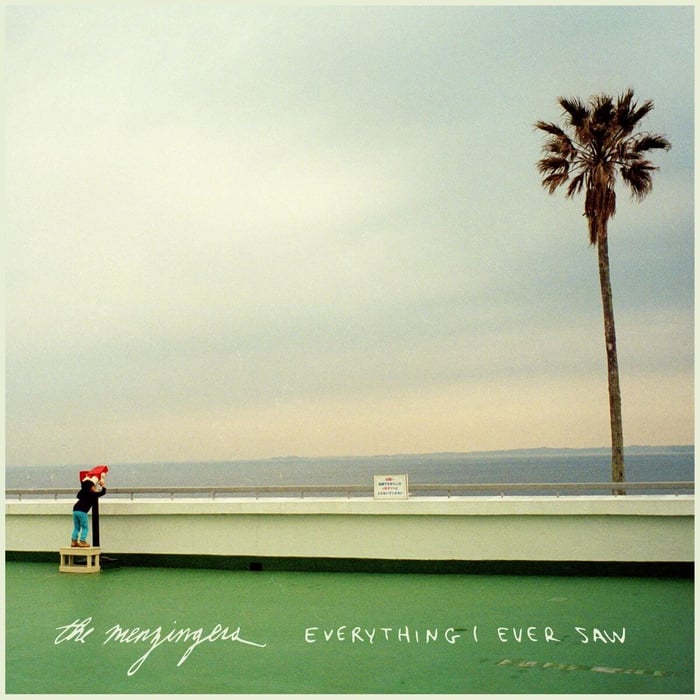
If the album cover stuck in your head the way these lyrics do, you can always shop a favorite album cover poster at our store—something to hang on the wall that doesn’t pretend everything’s fine.
 | DISCOUNTGET 30% OFF*Use code on your next order:
|
* This post may contain affiliate links, meaning we earn a commission if you make a purchase through these links, at no additional cost to you.