Emotional Junglist Review: Nia Archives Turns Heartbreak Into a Rave Trap


 See more Architeg Prints stories on Google.
Emotional Junglist Review: Nia Archives Turns Heartbreak Into a Rave Trap
Emotional Junglist isn’t “jungle vs pop” — it’s Nia Archives stress-testing romance at unsafe BPMs, and it’s way messier than it sounds.

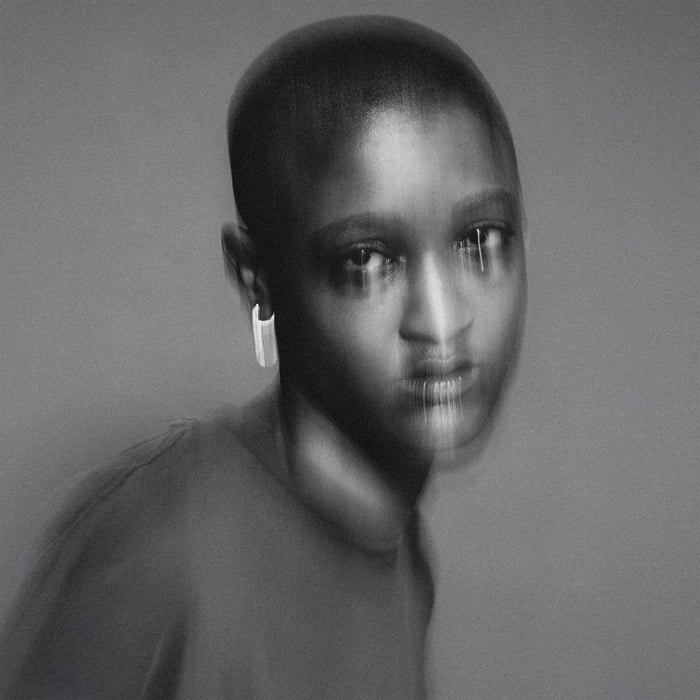
Courtesy of Universal-Island Records Ltd.
A Love Story Told With Breakbeats (And Bad Decisions)
If you’ve ever danced in a room full of people and still felt like you were the only person there, Emotional Junglist understands you. Not in a comforting way. More like in a “here, hold this live wire” way.
Nia Archives has been pulling jungle into the orbit of British pop for years, and you can hear that long run-up in how casually she does the weird stuff now: ‘90s rave drums snapped into place under melodic hooks that actually want to be sung in the shower, not just yelled over a sound system. Early on, I assumed this album was going to be a victory lap—jungle, but shinier; pop, but faster. On second listen, it’s obviously not that. This is an album built around one relationship’s full arc, and it insists on showing the unflattering parts, the embarrassing parts, the parts where you say you’re fine and then immediately text something deranged at 2:11 a.m.
And yeah, she basically spells out the mission statement herself:
“This is an alternative record. It’s not a jungle record.” — Nia Archives
That line doesn’t feel like marketing when you actually hear the tracklist. It feels like a warning label.
“Danger” and “Vertical”: She Starts By Jumping Off the Roof
The opening stretch doesn’t ease you in. It drags you by the wrist.
“Danger” rides breakbeat drumming like it’s a getaway car. She’s promising she’ll be right back—classic last words—while the song keeps finding new ways to sound like the floor is moving underneath her. There’s a moment where she spells out her predicament letter by letter, like she’s trying to make chaos sound orderly. The hook gets sticky on purpose, sliding into champagne bubbles and honeyed sweetness after all that frantic motion. It’s a clever trick: make the rush feel cute so you don’t notice how desperate it is.
Then “Vertical” turns longing into weather. It’s not subtle: hurricanes, living in his bed, she’s the river and he’s the sea. The vocals stay melodic and almost plain—like she’s keeping herself controlled—while the drums don’t cooperate at all. Chopped snares, rapid kicks, everything twitching. The most arguable thing I can say here: the track’s emotional “poetry” is almost too on-the-nose, but the drum programming saves it from becoming a diary entry read aloud on a bus.
I think the album is already telling you something important here: she’s most alive when things are unstable. I’m not totally sure whether that’s a confession or a flex.
“Around tha Bend”: The Album’s Real Thesis Statement
Here’s where it clicks.
“Around tha Bend” is the moment where the record stops flirting and starts sweating. There’s a tense guitar riff pacing back and forth over breakbeats and a bassline that throbs like it’s annoyed with you. She’s begging to get herself “around the bend and to the start,” which is a wild way of describing the desire to rewind your own life—like if you could just get back to page one, you could read yourself correctly this time.
What hits is the way she sounds like she’s waiting on something larger than her—spirits, fate, anything—to yank her out of her past. The arguable claim: this is one of the most honest breakup songs on the album because it doesn’t sound resolved. It’s not closure; it’s motion sickness with a chorus.
This is also where you start noticing a bigger production choice: even when the songs tilt pop, the drums don’t sit still. They fidget. They interrupt. They refuse to behave like “album drums.” That restlessness becomes a character.
When the Pop Mask Slips: “This Could Be…” and “Dance With Me 2nite”
The next turn is sneaky: the record pretends to calm down, but it’s just changing tactics.
“This Could Be…” is lighter—bouncy keys, a bit of footwork energy, a walk-home feeling. She’s carrying “flower buds, blooms unopened,” which is romantic in that annoying way where you can tell she’s about to make an avoidable mistake. She’s four months away from falling, she knows her own patterns, and she still breaks her rule because maybe this time the universe will stop laughing at her. The arguable part: the sweetness here isn’t innocence; it’s bargaining.
“Dance With Me 2nite” relaxes further—swinging bass line, shining guitar, and a chorus basically telling hesitation to take the night off. She confesses that love used to seem overrated until now, and that lands because she doesn’t sing it like a fairytale. She sings it like someone who’s seen plenty of people walk away and is tired of flinching. If anything, the track is almost too inviting—like it wants to be the song people clip for captions—yet the music keeps a faint edge, like she doesn’t trust her own optimism.
Mild criticism, though: this is where I briefly wanted one uglier vocal take, one moment where she lets her voice crack instead of smoothing the hook. The production is glossy enough that it occasionally sandpapers down the human grit the lyrics are reaching for.
Guest Energy That Actually Matters: “Get Me Down” and “Tender”
The features don’t show up as decorations. They change the temperature.
On “Get Me Down,” Jorja Smith cools the room instantly. Her voice wraps around Nia’s over shuddering bass and delicate drum programming, and suddenly the late-night temptation feels less like chaotic craving and more like a quiet decision you’ll regret politely. They’re both locked on the same idea—call me when you’re coming round—and the repetition feels intentional, like the song is showing how small a person’s world can get when they’re waiting for one text.
“Tender” is even more revealing, mostly because it doesn’t hide behind speed. It keeps things minimal with piano upfront, and the confessions trade back and forth in a way that feels like two people sitting on opposite ends of a couch, trying not to make it weird. Nia admits she withdraws, isolates, pretends to embrace fears while insisting she’s fly—then admits she’s tender-hearted anyway. Sampha’s presence doesn’t dramatize it; it softens it, and that softness makes the admission feel less lonely.
Arguable take: “Tender” is one of the album’s strongest songs because it refuses the rave payoff. It just sits there and tells the truth.
The Middle Stretch Where She Starts Numbing Out
This is where the album stops being fun about being messy.
“Feelingz Go Numb” is built on fragmented snare samples that feel like thoughts breaking apart mid-sentence. She asks “What have I done,” answers herself with “Feelings go numb,” and the repetition doesn’t feel like a hook—it feels like she’s trying to hypnotize herself into not caring.
“There Goes Ma Head” is the spiral track. She loses herself, swears she isn’t paranoid, admits she didn’t know she was so far gone, that she was standing on the edge. The music makes it easy to believe her: it’s the sound of someone trying to dance off a panic attack and realizing rhythm isn’t the same thing as stability.
Then “Almost Always” goes icy—no drums, no propulsion, just that stark space where pleading has nowhere to land. She’s grasping for straws until she has nothing left, and what hurts is that she misses who she was with him. Not just him. That’s the quiet poison of it.
“Tha Darkest Hour” brings the drums back, but as sharp bursts rather than comfort. Dark synth pads hang behind her like a storm cloud that won’t do the courtesy of raining. She realizes she doesn’t belong, rewinds herself, can’t silence her mind, and mourns someone who ends up feeling like a fleeting moment. The arguable claim here: this is the album’s emotional low point, and it’s supposed to be a little exhausting. If you’re not tired by now, you’re not listening.
Short Songs, Heavy Implications: “Train of Thought” and “Superlust”
These tracks are almost minimalist sketches, but they aren’t throwaways.
“Train of Thought” is nearly just one idea: her heart taking the train off with her lover’s carriage. It’s simple enough to sound like a nursery rhyme for adults who don’t sleep.
“Superlust” is even simpler. She draws lines out over shimmering synth textures until a kiss turns them both to dust. It’s the kind of image that sounds dramatic until you realize it’s accurate: some relationships do feel like they evaporate the second you touch them.
None of these songs “skips,” but they do function like a lull—an uneasy calm before the last stretch. And honestly, I kept waiting for one of these interludes to bore me, but they don’t. They’re too sharp.
Waking Up Is the Worst Part: “Lovers Grief”
“Lovers Grief” is where the hangover becomes the plot.
She’d rather be asleep than do this again. She drinks to forget over gloomy indie-rock chord changes and quick drum hits, and she aims her questions right at an ex: how can you live with yourself? Do you feel like a big man now watching me drown? It’s not pretty, and that’s the point. The song isn’t asking for sympathy; it’s documenting the mental replay.
Then she starts changing things—style, hair—trying to forget the part of her that cares. Arguable statement: that’s the most relatable thing on the album, and it’s also the saddest. Reinvention is great, but doing it as an eraser never works.
“Boys In Blue”: The Breakup Gets Ugly on Purpose
“Boys In Blue” doesn’t just end the relationship; it exposes it. Driving drums, heavy guitar riffs, and a vocal that finally sounds like it’s standing up straight.
The scenario is grim: the breakup gets so ugly that cops get involved. She taunts—go ahead and call the feds—looking down at someone she used to share a bed with who’s now trying to get her arrested. It’s a brutal pivot from the earlier songs where she’s praying for him to crash on her like a wave. Here, she’s done romanticizing. The last punch is that he’ll never take away from her—she won’t snitch, and couldn’t anyway.
My first impression of this track was that it might be trying too hard to be a “finale.” But after living with the album, it reads more like the only possible ending: not cinematic, just blunt. Some breakups don’t end with closure. They end with paperwork and adrenaline.
Also: this is easily one of my personal highlights, along with “Around tha Bend” and “Tender.” Not because they’re the “best written” in some abstract sense, but because they’re the moments where the album stops posturing and shows its bruises.
Conclusion: This Album Isn’t Here to Save You
Emotional Junglist takes jungle-adjacent energy and uses it like emotional staging, not genre cosplay. It moves from dopamine to dread, from sticky romance to numb aftermath, and it never lets the drums become mere decoration. The album’s big trick is that it sounds like a party until you realize the party is just where the feelings go to get amplified.
Our verdict: People who like their pop with breakbeats and their breakbeats with actual consequences will love this. If you want “proper jungle” purity or you need heartbreak music to feel polite and resolved, this album will irritate you—and, honestly, it might be doing that on purpose.
FAQ
- Is Emotional Junglist a jungle album or a pop album?
It plays in both spaces, but it behaves like an alternative pop record that uses jungle energy as emotional fuel rather than a genre rulebook. - Which songs hit the hardest emotionally?
“Tender” for quiet honesty, “Around tha Bend” for restless self-reinvention, and “Boys In Blue” for the scorched-earth finale. - Does the album have a continuous story?
Yes—one relationship from early obsession to numbness to aftermath. It’s not narrated like a movie, but the emotional sequence is obvious. - What’s one thing that might not work for some listeners?
The glossiest pop moments can feel a bit too tidy compared to the mess the lyrics are describing. - Who is this album best for?
Anyone who wants fast drums with real vulnerability—music that can soundtrack dancing and the walk home afterward.
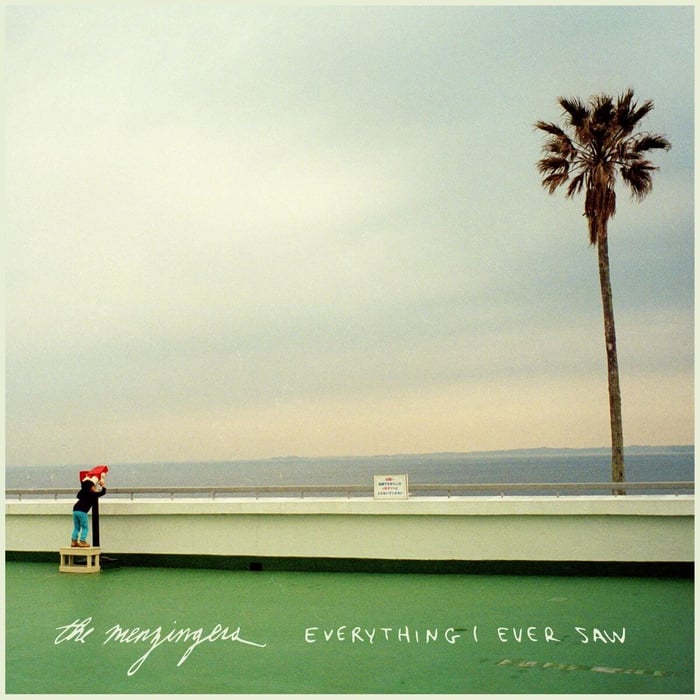
If you’re the type who judges an era by its cover art as much as its hooks, you can shop a favorite album cover poster at our store here: https://www.architeg-prints.com/ — it fits the whole “pretty surface, complicated feelings” vibe.
 | DISCOUNTGET 30% OFF*Use code on your next order:
|
* This post may contain affiliate links, meaning we earn a commission if you make a purchase through these links, at no additional cost to you.