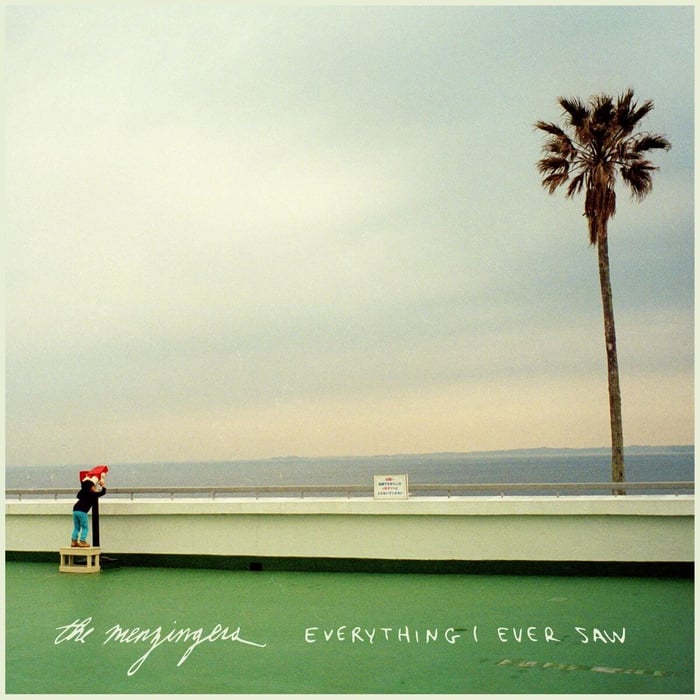
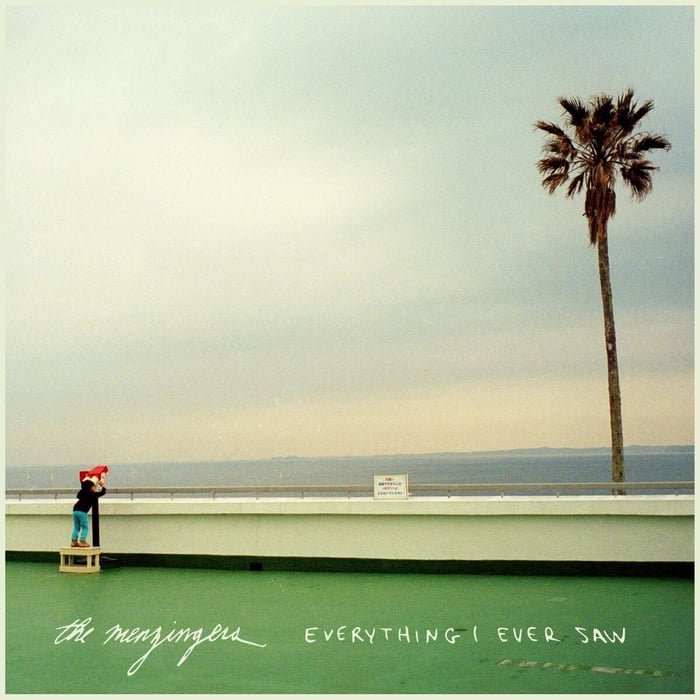
Menzingers Album: *Everything I Ever Saw* Is a Warm Hug With Teeth


 See more Architeg Prints stories on Google.
Menzingers Album: Everything I Ever Saw Is a Warm Hug With Teeth
The Menzingers album Everything I Ever Saw pretends it’s comfort-food punk—then sneaks in life-advice you didn’t ask for, and somehow it works.
Let’s be honest: this record is trying to catch you off-guard
The first thing I noticed about Everything I Ever Saw is how deliberately familiar it wants to feel. The Menzingers don’t show up to reinvent punk rock; they show up to make sure you still have a pulse. These are eleven sunlit tracks that act like a warm summer day—easy at first, then weirdly emotional when you’re not paying attention.
And yeah, the sound is recognizably them. Same emotional vocal interplay, same driving band feel, same sense that the guitars exist to keep the songs moving forward even when the lyrics want to sit down and stare at the ceiling. If you wanted a left turn, you’re going to complain. I get it. But I also think the lack of reinvention is the point: this Menzingers album is built like a reunion with an old friend who refuses to talk about anything except what matters.
“Chance Encounters” kicks the door in—then invites you to stay
The album opens with “Chance Encounters”, and it doesn’t waste time being polite. That riff has a grungy scrape to it, like it’s sanding off whatever boredom you walked in with. Then the vocals hit—Greg Barnett and Tom May sounding instantly recognizable in that “oh right, this is what sincerity sounds like” way.
It’s a tone-setter in the most practical sense: not a mission statement, more like a handshake that turns into a grip. The arguable part? I think they chose an opener that doesn’t try to be their best song—because the goal is momentum, not fireworks. And it works.
“Better Angels” does the church thing… then swerves back to the road
From there, “Better Angels” starts with this almost-sermon setup—organ underneath Barnett like someone’s about to confess something in public. For a second, it flirts with grandeur. Then the drums crash in and it snaps back into that classic Menzingers drive.
The sensation is pure movement: it feels like driving toward a sunset that’s doing way too much, painting the whole horizon orange like it’s trying to be romantic on purpose. It’s the kind of track that makes you want to sing even if you don’t know the words yet—which, frankly, is one of their oldest tricks. Still works.
If you disagree and think the “church intro” is cheesy, you’re not wrong. I wasn’t sure about it on first listen. But by the time the song locks into its groove, the intro feels less like theater and more like them staging the emotional stakes.
“Romanticism” is the early high point because it refuses to be ironic
Next up, “Romanticism” hits that sweet spot where punk rock stops acting tough and starts acting honest. It’s an ode-to-loved-ones kind of track—big feelings, direct language, no clever detours to protect the singer’s ego.
It reminded me of the same emotional lane you hear when artists lean into heartland storytelling and real-life devotion. It’s not subtle. That’s why it works. My hot take: this song is great because it doesn’t try to be cool; it tries to be true, and there’s a difference.
“Other People’s Money” is the palate cleanser—and it knows it
After three tracks that run hot, “Other People’s Money” slows the pace just enough to keep the record from turning into a straight-line sprint. The chorus is a legitimate earworm, the kind that follows you into the kitchen later while you’re pretending you don’t sing punk choruses to yourself.
That repeated hook—“OTHER PEOPLE’S MONEY! LA DEE DA!”—is goofy in a controlled way, like the band giving you permission to breathe before they pull the rug again. It also proves they understand pacing, which is something a lot of punk bands claim to care about and then completely ignore.
Arguable claim: the chorus does more heavy lifting than the verses here. The verses are fine. The hook is the reason the song sticks.
“Gasoline & Matches” is where the album stops smiling
Then “Gasoline & Matches” shifts the mood darker. Not “edgy,” not “aggressive,” just heavier in the gut. It’s built around the idea of encouraging a struggling friend, and that’s why it lands: it’s instantly relatable without being vague.
This is one of those tracks that doesn’t ask whether you are struggling—it assumes you know somebody who is. The emotional center of the album starts forming here, like the record is quietly tightening its grip. I kept waiting for them to soften the blow with a joke or a big, triumphant lift… and they mostly don’t. That restraint is the power.
“The Fool” and “Nobody’s Heroes” turn reflection into blunt force
From that darker tint, “The Fool” continues in the same direction but lets in a sliver of light. Tom May’s line about being “the believer and the dreamer” reads like a stubborn decision to keep going even when life is clearly not collaborating.
Then “Nobody’s Heroes” shows up and really twists the knife. It feels like a song wrestling with divorce—an ending, a recalibration, the weird quiet after a life chapter closes. The lyric about the future seeming far away, then arriving “and it’s a… mess” is one of those lines that hits because it’s not poetic; it’s plainspoken, almost annoyed. Like: this is what we were bracing for?
“The future always seemed far away. But we’ve entered it now, and it’s a fucking mess, for crying out loud.”
I’ll admit something: on first pass, I thought this stretch might bog the record down. Too much heaviness back-to-back. On second listen, it clicked that the sequencing is intentional—this is the part where the album makes you sit still long enough to actually feel it.
Arguable claim: “Nobody’s Heroes” is the real centerpiece of the record, not because it’s the loudest moment, but because it’s the least interested in entertaining you.
“Breathe” is the reset button—and it’s needed
After that emotional hammering, “Breathe” comes in with a riff that loops around your head like it’s doing laps. It’s more upbeat—not shallow, just lighter on its feet. It feels like the album letting the windows down after driving through weather.
This is also where the record starts looking forward instead of only looking back. And I think that’s the quiet thesis of this Menzingers album: nostalgia isn’t the goal; presence is. That’s a tougher sell than it sounds, because bands like this can easily turn reflection into a greatest-hits-of-regret montage. Here, it’s more like: yes, that happened—now stay awake.
“When She Enters My Dreams” doesn’t wallow; it just tells the truth
“When She Enters My Dreams” is another gut punch, but it’s a clean one. It plays more like a reflective anecdote than a nostalgia binge. It’s about falling in love and wanting to recapture that feeling—so you chase it in dreams like your brain is running a bootleg replay.
I’m torn here, honestly: part of me thinks the band almost leans too hard into that “lightning in a bottle” emotional trick they’re so good at. But another part of me can’t deny it works. The song keeps the album’s late stretch moving toward something bittersweet and, oddly, victorious.
And yeah—this is where I started thinking, against my own expectations, that this might be one of their best albums. I didn’t want to believe that at first because it sounds like fan-brain talking. But the track-to-track consistency is hard to argue with.
“Parade Day” feels like a finale… which is exactly why it isn’t
“Parade Day” could easily be the closing track. It has that final-song emotional sweep—friendship, time passing, the fact that you can’t always keep your people close even if you’d like to. It nails that specific adult sadness: you love your friends, you trust them with your life, and still you don’t know when you’ll all be in the same place again.
It’s the kind of song that makes you want to text your friends immediately, not because you’re sentimental, but because you’re suddenly aware the clock is ticking. Arguable statement: this track is more universal than the title track, even if it doesn’t get the last word.
The title track “Everything I Ever Saw” is the victory lap—and the warning
Then the namesake track, “Everything I Ever Saw,” closes the album with a victorious feeling that still stings. Barnett’s plea to be more present lands like self-talk he’s saying out loud because he doesn’t trust himself to remember it otherwise.
“I don’t wanna live, I just wanna remember, everything I ever saw.”
I’ll toss in one mild complaint, though: the band leans so confidently into that big emotional finale that it almost feels engineered to make you well up. It’s effective, but you can see the wiring if you stare too hard. The thing is… even when I notice the wiring, I still end up screaming along.
What it’s really doing: aging in public without turning boring
There’s a specific kind of band that hits the twenty-year mark and starts sounding like a museum exhibit of itself. The Menzingers dodge that by writing like they’re still surprised life is happening. This album doesn’t act like their best work is behind them—it argues, track by track, that the present tense still has teeth.
And the bigger trick: it leaves you wanting to replay it immediately, even if the first listen leaves you a little wrung out. That’s not just “good songwriting.” That’s them understanding how to pace feeling—when to sprint, when to coast, when to pull over and stare at the horizon for a minute.
One last arguable claim: if you think punk rock needs to sound dangerous to matter, you’ll call this soft. I think it’s braver to sound warm and still say something sharp.
Release details (the practical stuff)
Everything I Ever Saw is set for release on July 17 via Epitaph Records.
Conclusion
Everything I Ever Saw doesn’t try to impress you with novelty—it tries to make you pay attention to your own life while you’re humming along. It’s comfort that shows up with a bruise underneath it, which is honestly the most realistic kind of comfort.
Our verdict: People who like heart-on-sleeve punk with big choruses and bigger “oh no, time is passing” feelings will eat this up. If you want your punk to posture, sneer, or pretend it’s allergic to sincerity, this album will feel like someone handing you a journal and asking you to be normal about it.
FAQ
- What is the core vibe of this Menzingers album?
Warm, summer-lit punk that keeps slipping emotional reality checks into the hooks. - Which track sets the tone fastest?
“Chance Encounters”—it comes out swinging with a gritty riff and instantly recognizable vocals. - Is there a slower moment that still sticks?
“Other People’s Money” eases off the speed and wins on chorus alone. - Where does the album get the most emotionally heavy?
“Gasoline & Matches” and “Nobody’s Heroes” sit in the darker, more reflective center of the record. - Does the album end quietly or big?
Big—“Everything I Ever Saw” closes with a victorious rush that still feels like a warning about sleepwalking through life.
If this album got you thinking about visuals the way it got you thinking about time, you can shop a favorite album cover poster at our store—tastefully, not like a dorm room—over at https://www.architeg-prints.com.
 | DISCOUNTGET 30% OFF*Use code on your next order:
|
* This post may contain affiliate links, meaning we earn a commission if you make a purchase through these links, at no additional cost to you.