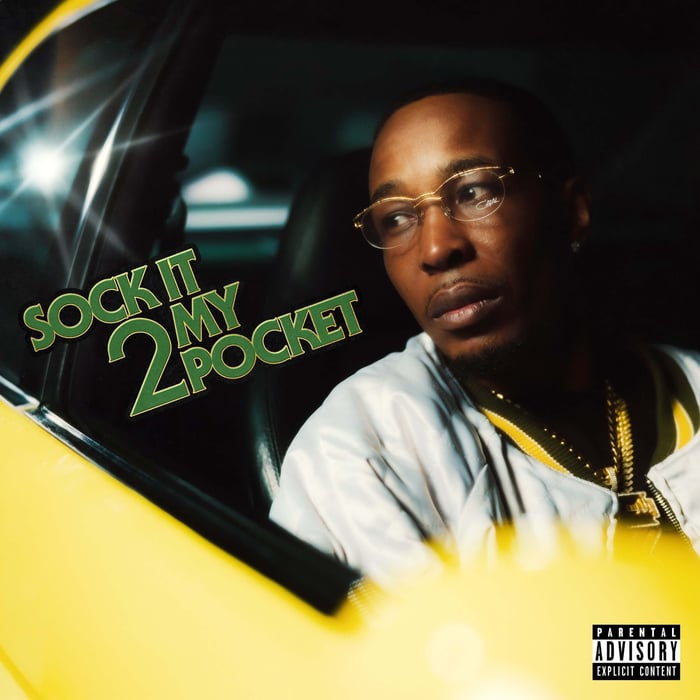
Sock It 2 My Pocket Review: Rome Streetz Turns Payment Into a Threat

 See more Architeg Prints stories on Google.
Sock It 2 My Pocket Review: Rome Streetz Turns Payment Into a Threat
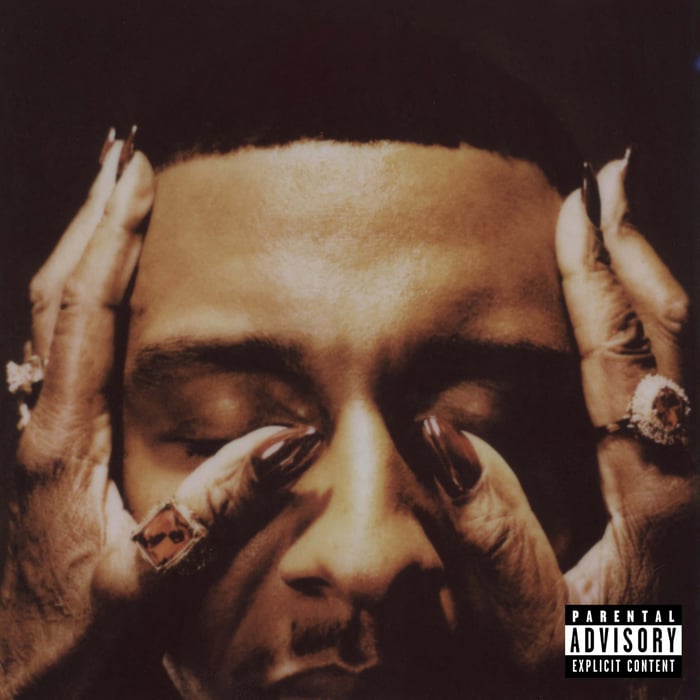
Sock It 2 hits like a hand outstretched—then clenched into a fist. Rome Streetz raps like energy costs interest, and he’s collecting.
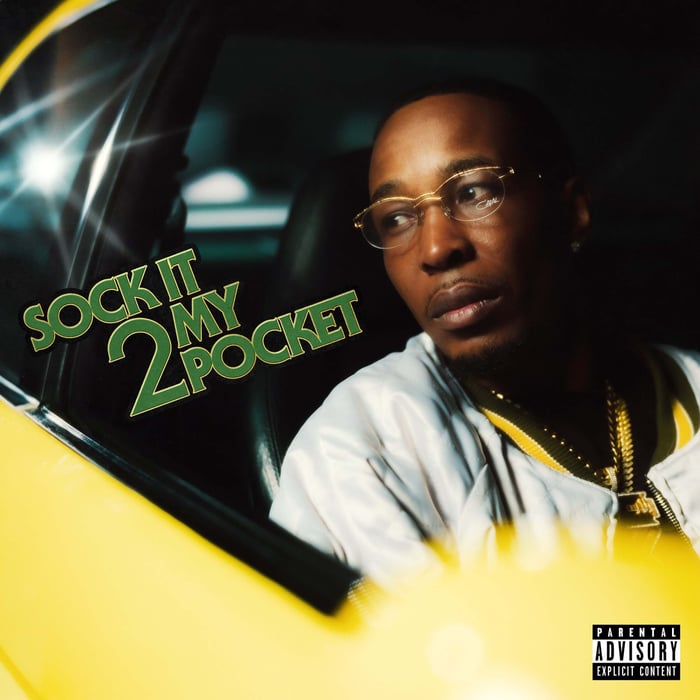
A hooky phrase that isn’t a hook—it's a demand
This album doesn’t open the door and invite you in. It stands in the doorway, palm up, staring you down. The phrase “sock it to my pocket” isn’t cute slang here—it’s the sound of a job being finished and the money being overdue.
Rome Streetz treats the line like a rule of physics: nothing is free, not movement, not loyalty, not even “energy.” And the way he repeats the idea across the record—casually, like other people say “bless you”—makes it feel less like branding and more like a lifestyle he’s tired of explaining.
The arguable part: I don’t think this is just a hustler catchphrase at all. It’s an album-wide thesis statement about exchange. If you’re around him, you’re either paying, earning, or costing him something.
“Yellow Brick Road” and the mother lesson that never stops echoing
The album’s real emotional wiring isn’t in the flexing—it’s in the little stories that keep flashing like warning lights. On “Yellow Brick Road”, Rome slips in a memory about disobeying his mother and refusing to work, and her response isn’t melodrama. It’s methodical: she puts the cuffs on him slowly. That detail matters. It’s not rage; it’s instruction.
That lesson bleeds into the way he raps through the rest of the record—this sense that consequences are a kind of family heirloom. Over that dirty loop, he sounds paranoid in a way that feels earned, not performed. He’s cutting off anybody who “can’t exist in my axis,” and the line lands like he’s trimming dead branches, not bragging.
Then Pete Rock shows up on “Son of a Gun” with a clean knock—bright enough to make Rome’s darkness look even darker by contrast. His mother tells him to aim, and he turns that into identity-building. He’s stacking images that feel like he’s daring you to roll your eyes: “Scorpio spinning kinda like the cylinder of my revolver,” then flipping into cultural teleports—Phife Dawg in a Prada parka, worldwide like Starbucks. It’s absurd on purpose, like he’s trying to make myth out of mood.
And then he undercuts it with grief: a dead friend, the wrong pills, Hennessy poured on the floor. That’s the move Rome keeps making—he lets you enjoy the shine for two seconds, then reminds you why he needs it.
The “aim” motif isn’t motivation. It’s Rome admitting he was trained into precision because softness wasn’t allowed to last.
“Belt 2 Ass”: the album’s best story is also the ugliest one
Here’s where Sock It 2 stops sounding like rap as entertainment and starts sounding like a police report told by someone who doesn’t trust the police.
On “Belt 2 Ass,” Rome tells the Malik story—the scar on the cheek, the arrest back in 2008 for wilding at the gate, then coming home to “weight”: a 7 Series with PA plates, a nice place in Jamaica Estates, nightlife that makes him easy to locate. It’s that classic contradiction: you survive, then you make survival visible, then visibility becomes the danger.
Conductor Williams leaves the beat like a loop of pressure and negative space—almost taunting Rome to fill it. And Rome does. The jealous dudes catch Malik pulling in. Malik spots the chrome Magnum, recognizes the same guy who cut his face in state, and the story turns surgical: he takes two shots but leaves him alive—alive, but broken, never walking again, laid out thinking about his son in daycare. Rome doesn’t romanticize the moment. He just puts the camera there and refuses to blink.
Then it gets even colder: the shooter is also someone Rome knew, someone who’d been sending him beats for a song that never got finished. And that guy dies later in a car crash with his sister on Thanksgiving.
I’m not totally sure if Rome is chasing catharsis here or just proving he can hold trauma in one hand and craft in the other. Either way, the track doesn’t “go hard.” It just sits heavy.
This is the album’s center of gravity, because it’s the one place Rome sounds less like he’s performing control and more like he’s remembering what control costs.
When the producers tighten the loop, Rome tightens his throat
The middle stretch plays like a demonstration of what Rome actually does best: he gets narrower. He raps like he’s trying to fit his life into the smallest possible pocket without losing any detail.
On “Cocaine Coltrane,” he’s basically cooking right on the track—hip-hop made for fiends, not playlists. He calls himself a Black Mick Jagger, and the flex works because he pairs it with a grimy little swipe: finessing the check “like the scammin’ pastor.” Denny LaFlare locks the beat into a tight loop, and Rome treats the loop like a countertop—everything happens right there.
Then Havoc pulls the walls even closer on “.22,” and Rome turns autobiographical in a way that feels practical, not confessional. Grandmothers praying over the grind. A bike sold to Gary. Profits folded back into the stash instead of worn. It’s not “I came from nothing” theater—it’s accounting.
“High Speed” (with 9th Wonder) is busier, full of accents and cuts, and Rome responds by getting sharp instead of loud. He talks about turning crumbs into an estate, then swings into head-shop theology: meeting God on DMT, remembering acid drops he used to sell out of a Visine bottle just to get his line jumping. It’s the kind of detail that makes you pause because it’s too specific to be random.
And on “Shoot Your Trophies,” The Alchemist brings that dark repeating loop—hypnotic, borderline claustrophobic. Rome flips the metaphor back on the producer’s name: “alchemy,” “chemist,” gold out of grime. He paints himself as a dope-dealing world citizen with a cracked iPhone full of CEOs and coke connections, then casually drops the price of a verse: a quarter brick. Not money—weight. That choice tells you exactly who he’s talking to.
Rome doesn’t use beats as “vibes.” He uses them like containers—smaller container, more concentrated poison.
Features that don’t steal the spotlight—because Rome won’t let them
This record brings in names, but nobody shows up to rescue a weak song. They show up to add another blade to the same knife.
On “’95 Mega on Shrooms,” Styles P talks like he always does—plain, sharp, almost conversational—calling his Porsche a “kale coupe,” rating himself “steep as the Book of Genesis,” keeping a blade in his New Balance. He’s funny without trying, which is a skill. Rome, next to him, doesn’t try to out-charisma Styles; he just squeezes syllables into the pocket and lets the contrast work.
On “Prada in the Polaroid,” Rome calls himself iconic after being told at twenty-five he’d die. The hook of that idea isn’t the mortality—it’s the way he treats the diagnosis like a deadline for legend-building. Lloyd Banks answers with his own measured pause, promising to stick around “like it’s tentacles on me,” then threatening to slim a hater down with no Ozempic. Banks sounds comfortable, like he never had to force his cool.
“Marathon or Race” brings out Westside Gunn with the luchador-mask energy: sticking a man up, Rey Mysterio versus the Big Show, yelling Griselda next to a Fashion Nova reference, then snapping back to prison memory—eating lasagna in cell 055 at USP. It’s ridiculous and brutal in the same breath, which is basically Gunn’s brand.
“Taylor Made Wave” is a darker, cleaner frame from V Don, and OX Omni goes off—Shower Posse talk, hailing a big Glock like Selassie, wailing like a banshee. Rome slides in with that “tailor-made” line—his wave sewn, fitted—then swipes a Maserati with a card like it’s a normal errand.
The features work because they don’t broaden the album. They tighten the circle around Rome’s worldview.
The “departure” that still smells like gunpowder
Here’s where my first impression had to change. I thought “Time & Place” was going to be the soft pivot—the track where Rome “switches it up” and pretends romance can exist without consequences. On second listen, nah. It’s still transactional; it just uses nicer lighting.
A woman wants to stay. IDK bounces his syllables around the drum hits, playful and quick. Rome stays tight, riding fly-and-flashy talk… until he puts the ski mask on and aims the strap at the spot where hoop dreams used to be. That’s the real Rome: even the tender moments get interrupted by survival reflex.
On “I Don’t Know,” he plays the flower-petal game with a woman who’ll hide his gun from police and help him bag up a block. It’s intimacy, sure—but it’s intimacy measured in risk management. And he drops a chorus that, honestly, could’ve been written by anybody. That’s my small gripe: for an album packed with hyper-specific detail, that hook feels like a placeholder that wandered in from Rap Template World.
Then “Elevate” slows down with Sovren—drums moving like they’ve got weight on them. Rome slows too. He tosses out a vision—A$AP Yams on acid—then time-stamps the stash in the cabinet (2016), and starts talking about the shift from court cases to corporations and S-corp funding. The flex here isn’t “I’m rich.” It’s “I learned how to make the system work for me instead of grinding against it.”
And at the end, Rome drags it back to basics: being told to sell something to his followers, wanting an easy job at eighteen, then the demand itself—“Sock it to my pocket / Put the money in my hand.” He’s not asking. He’s collecting.
the album’s closest thing to growth isn’t morality—it’s Rome upgrading the hustle into paperwork and calling it elevation.
“Dreamcatcher”: God shows him the bag, then asks the price
“Dreamcatcher” is where Rome tries to put a roof over the whole album. God visits him in his sleep, shows him everything he ever wanted, then asks how hard he’ll go to get it. And Rome’s answer isn’t inspirational—it’s bleakly practical.
“All I do is put pain on the page with the pen,” he says, and it lands like a craft statement, not a cry for help.
He compares it to horror writing—nightmare energy—like he’s admitting the work comes from a place he doesn’t control.
He says nobody was coming to save him, so he kept two phones: one for legal work, one to hit up for the slaps. A woman rides with a hundred M’s hidden in her crotch. The plug waits at a Colombian chicken spot—picked because the crowd likes to sniff. Rome wakes up from the God-dream and goes there directly, talking blood, sweat, tears, heart, soul—calling himself the living God while still insisting he meets the plug in person.
That contradiction is the point. He wants divinity, but he won’t stop touching the dirt to prove it’s real.
“Dreamcatcher” isn’t spiritual at all—it’s Rome admitting he can’t imagine success without a risk attached, so even God has to talk like a plug.
Conclusion
Sock It 2 doesn’t try to be lovable. It tries to be owed. Rome Streetz raps like every beat is an invoice, every story is collateral, and every relationship—mother, woman, friend, enemy—gets priced in either money or loss. Even when the sound brightens, he keeps the ski mask within arm’s reach, just in case the moment gets comfortable.
Our verdict: This works best for listeners who like street rap that’s detailed enough to feel like you’re reading someone’s burner phone—names, places, consequences, the whole mess. If you need big singable hooks or emotional resolution, this album will irritate you on purpose, then ask you for a fee for your time.
FAQ
- What does “Sock It 2” mean on this album?
It’s basically Rome turning a catchphrase into a worldview: effort costs, and payment is non-negotiable. - Which tracks hit the hardest on replay?
I kept going back to “Belt 2 Ass,” “.22,” and “Shoot Your Trophies” because they feel the most locked-in—story, beat, and pacing all gripping the same rail. - Is this a “concept album”?
Not in a theatrical way. The concept is repetition: money, paranoia, loyalty tests, and consequences circling the same drain from different angles. - Do the features change the album’s direction?
No—and that’s the point. Styles P, Lloyd Banks, Westside Gunn, IDK, and OX Omni all show up and still sound like they’re living inside Rome’s world. - What’s the album’s weakest moment?
The chorus on “I Don’t Know” feels oddly generic compared to how specific the verses and stories are everywhere else.
If you want something physical to match this album’s “pay me what you owe me” energy, a sharp album-cover poster on your wall isn’t a bad way to keep the mood honest—feel free to browse https://www.architeg-prints.com.
 | DISCOUNTGET 30% OFF*Use code on your next order:
|
* This post may contain affiliate links, meaning we earn a commission if you make a purchase through these links, at no additional cost to you.