As It Is Album Review: A Reunion That Sounds Suspiciously Like Therapy


 See more Architeg Prints stories on Google.
As It Is Album Review: A Reunion That Sounds Suspiciously Like Therapy
As It Is returns with “As It Is,” a pop-punk reset that turns the As It Is reunion into a loud, hooky self-repair job—sometimes messy, mostly convincing.
Reunion records usually lie—this one mostly doesn’t
This self-titled As It Is album isn’t trying to convince me the past never happened. It’s doing the opposite: it keeps poking the bruise to prove it’s real, then slaps a melody on top like that makes everything fine. And honestly? Sometimes it does.
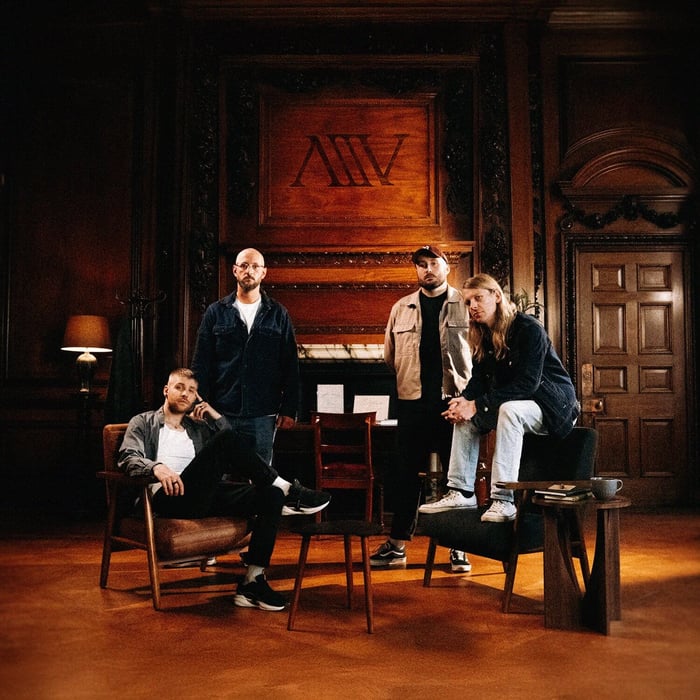
Eight years is a long time to leave a version of your band behind. When Patty Walters, Ben Langford-Biss, Ali Testo, and Patrick Foley come back together here, it doesn’t sound like four people recreating a brand. It sounds like four people testing whether the room still has oxygen. The whole record keeps circling the same idea: we broke this apart, and we’re choosing to rebuild it anyway. That’s the actual plot.
The vibe isn’t “legacy act.” It’s “we’re trying again, but without begging you to clap.”
“I’m So Alive!” opens with a grin that’s a little too wide
The first moment—“I’m So Alive!”—hits like somebody burst through the door yelling they’re doing great. At first, I didn’t fully buy it. It felt almost too bright, like the kind of optimism you borrow for the weekend and return on Monday.
But then the track starts behaving like the older, pop-punk-forward As It Is—closest in spirit to the sleek energy of okay.—and it wins me over on momentum alone. The chorus stacks up backing vocals like a group hug you can’t escape, and the saxophone pops out with the confidence of a band deciding they’re allowed to be fun again.
That sax is important. It’s not decoration; it’s a flag in the ground: we’re not stuck in the same palette anymore.
A reasonable person could argue it’s corny. I’d argue the corniness is the point—this is them daring you to cringe while they keep smiling.
“Ruin My Life” is the album admitting what the reunion actually costs
Where the opener sells you the glow, “Ruin My Life” shows the wiring underneath. It leans into bigger, arena-ready rock muscle, and it brings in Murray Macleod (The Xcerts) as co-writer and co-vocalist—an obvious move if your goal is to make the chorus sound like it could survive being screamed by a room full of strangers.
And yeah, it works. The song has that “reckless love song” energy where the romance isn’t a person—it’s the band itself, the whole situation, the dumb stubborn decision to care again. Walters basically says it outright:
“A reckless love song about the band and all we’ve been through together” — Patty Walters
That line matters because it tells you the album isn’t hiding behind metaphor. As It Is (the record) is trying to convert band history into something singable without sanding off the damage.
Here’s the part I’m not totally sure about: I can’t tell whether “Ruin My Life” is meant to sound triumphant or trapped. It kind of lands in both places, which might be intentional—or it might be the sound of a band still figuring out what to do with its own lore.
Either way, the hook doesn’t flinch.
“Do You Remember?” turns the road into a memory loop on purpose
After that, “Do You Remember?” slides in like a sequel scene: same characters, same van smell, same emotional whiplash. It’s co-written with Max Heyler (You Me At Six), and you can hear that influence in the way it frames nostalgia—like it’s both fuel and poison.
The track retells the familiar tour-story arc: the high highs, the low lows, the repetition that makes time feel fake. But it doesn’t feel like cosplay. It still lands as unmistakably As It Is, mainly because Walters doesn’t sing like someone reminiscing; he sings like someone trying to decide whether those memories are worth the price.
Arguable take: the chorus is stronger than the verses here, and that’s fine—because this song isn’t about detail. It’s about the sensation of remembering too much at once.
The first half plays like summer—even when it’s talking about something ugly
The album’s early run leans hard into “windows down” energy, and it’s not subtle about it. Bright melodies, punchy pacing, and enough uplift to make you forget the lyrical content is sometimes grim.
“Live, Laugh, Love, Los Angeles” is the clearest example of that trick. It’s basically Walters staring at the current U.S. political climate and refusing to write a dour song about it. The lyrics drag real things into the sunlight—violence, far-right creep, and the bleak little detail of “you’ve got no cash for the ambulance.” Then the band wraps all of it in bright, cheerful instrumentation like they’re smuggling anger past your defenses.
And that sax comes back, again, as one of the record’s most energizing moments—less “look at our cool horn line” and more “we’re going to keep moving, whether you approve or not.”
Arguable take: this track might be the album’s strongest “single-shaped” moment because it weaponizes catchiness. It’s protest music for people who hate being lectured.
“Marilyn” is the comedown—and it’s deliberately British about it
After that heat, “Marilyn” shifts into breezy acoustics and a soft Britpop lean that nods to the band’s Brighton roots. It doesn’t try to out-shout anything. It just sits there, warm and nostalgic, like it’s flipping through old photos you forgot you kept.
It’s sweet without being sugary, mostly because it’s less about romance and more about how people brush past you when you’re young and still leave fingerprints on your personality.
Arguable take: “Marilyn” does more for the album’s emotional credibility than any big dramatic anthem, because it sounds like the band isn’t trying to win—just trying to be honest for three minutes.
“Lose Your Way and Find Yourself” is where the record stops performing
By the time “Lose Your Way and Find Yourself” arrives, the album’s emotional center stops hinting and starts speaking plainly. This isn’t “we learned lessons” pop-punk. This is “we did the work and it hurt” pop-punk.
It plays like a heart-on-sleeve anthem, but not in the cheap way. The track feels lived-in—like healing isn’t a concept they’re writing around, it’s a thing they had to do to even make this album possible.
If the first half is the reunion walking into the room smiling, this is the moment you notice the tiredness behind the smile.
Arguable take: this song is the real mission statement, even if it isn’t the flashiest.
The horns tease a bolder album… then back off (and I kind of wish they didn’t)
There’s a quote floating around from Langford-Biss about the first half being built for a sunny day—windows down, driving around—and yeah, that’s exactly the feel. The bright instrumentation and especially the horn touches suggest the band could’ve made the sax a defining feature.
They don’t. They use it just enough to make you notice, then they move on.
This is where my one mild complaint lives: the album flirts with a more distinct sonic identity and then plays it a little safe. Not “safe” as in boring—more like polite. The horns could’ve been the album’s signature, and instead they’re the album’s occasional wink.
But I’ll give them this: what comes next earns its space.
Arguable take: committing harder to the horns would’ve made the record weirder—and therefore better.
From “Last At The Party” onward, the album pulls the lights down
Starting with “Last At The Party,” the tempo gradually eases off. The record trades the bright pop-punk bounce for more intimate arrangements, like the band is finally done trying to sound “back” and is ready to sound present.
- “Last At The Party” frames loneliness with acoustic guitar and piano, then lets the full band lift it gently rather than explode it.
- “Turn to Dust” keeps the emotional thread going, and it feels less like storytelling and more like someone talking to themselves out loud—messy, necessary.
- “If I Ever Lost You” is a slow burn that takes its time with heavy lyrics, refusing to rush toward a big cathartic payoff.
- “Not Anymore” strips everything down to guitar and close, unguarded vocals—basically a voice note you weren’t supposed to hear.
My first impression was that this back half might drag, because so many pop-punk records confuse slowing down with being deep. On second listen, I changed my mind: the pacing is the point. The band is forcing itself to sit in feelings instead of sprinting past them with riffs.
Arguable take: the quieter songs hit harder here than the “big” ones, because they don’t act like pain is a performance.
“What If It All Works Out?” ends on hope that actually feels earned
Then the closer—“What If It All Works Out?”—picks the pace up and aims for defiance, hope, and optimism without sounding like a motivational poster.
“What if failing isn’t failure, it’s a chance to start again?”
The line lands like the album finally admitting what it’s been doing all along: reframing the breakup, the distance, the rebuild—not as a tragedy, but as a reset button.
The way the voices and instrumentals build toward the finale feels like a deliberate summary of the reunion itself. Not “we’re back and bigger than ever.” More like: we’re back, we’re different, and we’re not asking permission.
Arguable take: it’s the kind of closer that works because it doesn’t pretend everything’s solved—it just insists the attempt matters.
The self-titled move is a statement, and it’s not subtle
Calling it As It Is isn’t just branding. It’s the band basically saying: this is the version we can stand behind now, without the old pressure of what the name used to mean.
The album runs on joy, brotherhood, and that specific kind of relief you only hear when people remember why they loved making music before it became a job with expectations attached. It doesn’t chase the past so much as it raids the past for parts and rebuilds something looser—more connected, less performative.
I’m not 100% convinced every experiment lands, and I still think they teased a more distinctive horn-led personality than they fully delivered. But the record feels like real people choosing the band again, which is rarer than it should be.
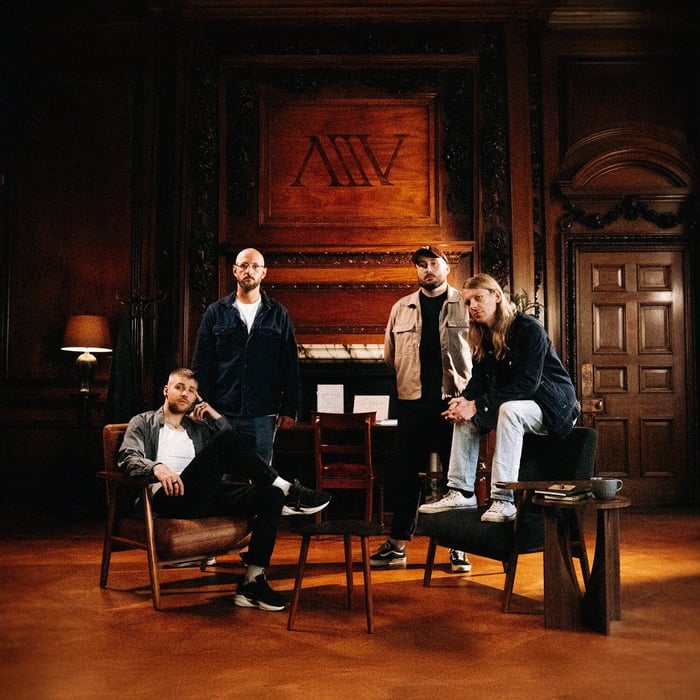
As It Is is set for release on July 17 via FLG.
Conclusion
This album isn’t trying to prove As It Is can relive the old days. It’s trying to prove they can survive being themselves in public again—louder on the front half, more exposed on the back half, and stubbornly hopeful by the end.
Our verdict: People who like pop-punk that actually sounds like the band has something at stake will get hooked on As It Is fast—especially if you want choruses that feel communal and lyrics that don’t dodge consequences. If you only want the sugar-rush version of the genre (no comedown, no awkward honesty, no quieter stretch), this record will start feeling like someone turned the lights on at the party and asked how you’re doing for real.
FAQ
- Is As It Is (the album) more pop-punk or more rock? It starts firmly pop-punk—big hooks, bright energy—then slides into more intimate rock arrangements in the second half.
- Which song best represents the As It Is reunion vibe? “Ruin My Life” feels like the mission statement: big, reckless, and weirdly tender about the band itself.
- Does the album have political themes? Yes—“Live, Laugh, Love, Los Angeles” directly points at U.S. issues, but it delivers the message through upbeat, bright instrumentation.
- Are there acoustic or stripped-back moments? Definitely. “Not Anymore” is the starkest example—just guitar and close vocals, like a private confession.
- What’s the emotional turning point on the tracklist? “Lose Your Way and Find Yourself” is where the album stops sounding like a comeback and starts sounding like lived experience.
If you want something physical to match the feelings—messy, loud, oddly sincere—shop your favorite album cover poster at our store: https://www.architeg-prints.com/.
 | DISCOUNTGET 30% OFF*Use code on your next order:
|
* This post may contain affiliate links, meaning we earn a commission if you make a purchase through these links, at no additional cost to you.