Fix Your Face Review: Masego Turns Heartbreak Into a Checkout Line


 See more Architeg Prints stories on Google.
Fix Your Face Review: Masego Turns Heartbreak Into a Checkout Line
Fix Your Face is Masego using charm, grief, and old-school expectations like props—then daring you to call him on it.
The first thing this album does is pretend it isn’t serious
Masego has always had that “I’m joking… unless you’re listening closely” energy, and Fix Your Face leans into it hard. It starts from that TrapHouseJazz idea—sax over programmed drums, a pastor’s-kid smirk, a vibe that used to feel like a clever party trick—and then it quietly widens the frame until it’s not a trick anymore. The jokes still work, but now they’re sitting next to mourning, breakup admin, and those little “mom voice” outros that land like a hand on your shoulder when you’re spiraling.
I didn’t expect the record to carry this much emotional paperwork. On first pass, I honestly thought it was going to be a sleek, flirt-heavy run with a few sad interludes—smooth music doing what smooth music usually does. But by the time the heavier songs start speaking plainly, it becomes obvious: the charm isn’t the point. It’s camouflage.
And yes, that’s an arguable read. You could say it’s just grown-up songwriting. I think it’s more calculated than that.
The pastor’s kid never left—he just changed uniforms
Here’s what Fix Your Face keeps circling: the kid who grew up in church doesn’t stop being a church kid just because the drums hit harder or the bass gets silkier. There’s a memory-thread running through “Sounds Like…” that feels like it’s pressed into the music—church clothes, creases, that dad’s tie pulled too tight. You can practically hear how performance got trained into him early: hold the camera like a soldier, do the drills before sunrise, be disciplined even when you’re too young to know what you’re earning.
Then the story swerves. The hoops dream collapses—knees give out, blackout, waking up with an IV and teammates standing around like the room is holding its breath. The hero posters switch from Kobe to Miles Davis. That detail matters, because it’s not just a taste change. It’s a whole identity transfer: from chasing a deal to chasing a sound.
And the church doesn’t disappear when the dream changes. It just shows up in different costumes. In “Heaven,” the church girl comes through after choir rehearsal, and the song does that risky little moral math: is it a sin if the soundtrack is gospel? It’s a provocative question dressed up like pillow talk. Then “Limerence” pushes the obsession further—betting on red, saving pictures to the camera roll like it’s evidence, admitting the world looks blurred and tilted: “I Stevie Wonder through life.” That line hits because it’s funny for half a second, and then it isn’t.
If you want a clean separation between sacred and messy, this album basically laughs and shuts the door.
“QVC” is not romance—it’s two guys selling the same fear
The moment “QVC” comes on, Fix Your Face stops pretending it’s only about vibes. Leon Thomas slides in like he’s working the sales floor, and the whole duet is written like a home shopping channel where the product is security and both men are bargaining for it.
Masego’s pitch is intentionally old-school—so old-school it borders on uncomfortable. The song frames domestic roles as a kind of natural order: she cooks and cleans not because he asks, but because (in his mind) it’s what she needs to feel feminine. Meanwhile he performs “provider” things—shoots, lifts, makes money, bites his tongue. Leon Thomas, on the other hand, sounds like he won’t even emotionally unpack the boxes until the white picket fence and the acres are already paid for.
Sung smoothly, it’s almost easy to miss what’s happening: two men admitting what they were taught to want, and how transactional it can sound once you say it out loud. I can’t tell if Masego is endorsing that worldview or exposing it. I lean toward exposing—but I’m not completely sure, and I don’t think the track wants to clarify. Ambiguity is part of the sales technique.
That’s the first real “tell” of this album: it uses sweetness to smuggle in something thorny.
“Someone” turns masculinity into a hostage situation
From “QVC,” the album slides into “Someone,” and the tone changes from pitchman to person. It’s still melodic, still polished, but the question at its center is blunt:
“If I cry and if I break / will you mistake me for a weaker man?”
That’s not a line you toss off if you’re only here to set a mood. That’s a line that comes from living inside a costume and worrying people prefer the costume to the body underneath.
Then Keyshia Cole shows up with the kind of edge that cuts through all the album’s perfume. Her complaint is domestic damage with teeth—fighting in the house, fine china breaking, staying beside the man who wrecks the place. When they meet in the bridge, it feels like an emergency hotline blinking at midnight, both of them panicking in the same language.
Arguable take: this is the record’s most effective duet because it doesn’t flirt. It corners you.
When Buju Banton arrives, the album stops being polite
No matter how elegant the love songs get, Buju Banton doesn’t care. On “Hello,” he drops into the track rougher and more grounded than the surrounding material, and the rhythm shifts away from the predictable love-song backbeat. The drums lean toward a Kingston bounce; the groove feels off-center in a way that wakes the whole album up.
That contrast is intentional. It’s Masego reminding you he can host different energies in the same room—church charisma, seduction, grief, and then a voice that sounds like it’s lived through things the satin chords can’t soften.
I’ll say it plainly: “Hello” proves the album benefits from disruption. Without moments like this, Fix Your Face risks becoming too good at being smooth.
Some tracks feel like scenes with the ending cut off
The album stacks a lot of characters and party-room snapshots, and not all of them get fully written into songs.
Foggieraw on “I Know You” plays the seducer with bar-long lines and a blunt punch of imagery—“Hidin’ hickeys from dickheads wearin’ their Dickies”—and the song enjoys its own swagger. “Recommend” feels like it takes place in a basement with a wall of coats, lingerie flashing through gaps, Baccarat hanging in the air, the hook passed around like a tip between friends.
But “Wonderwoman” never really gets past model-compliment territory and the lasso imagery, like the song is stuck admiring its own reflection. And “Go” feels like being trapped on the dancefloor because the DJ won’t let the night end—fun concept, sure, but the track itself comes off lighter than the people surrounding it.
That’s my mild gripe with Fix Your Face: a couple songs feel like sketches that forgot to become paintings. Maybe that’s the point—maybe it’s mirroring how shallow party connections can be—but I still wanted more payoff.
“Breathe” is where the album admits what it’s been avoiding
Then “Breathe” arrives and the whole record tightens. The context is pressure—loss in the family happening while meetings, sessions, and travel keep marching on like they don’t care. And the song is written inside that claustrophobia.
“Can I breathe? Can I live? / Can I grieve? Get a minute?”
isn’t poetic in a fancy way. It’s desperate in a practical way. The drums are restrained; the groove stays solid but refuses to get aggressive. There’s space around his voice, like the track is giving him room because his life isn’t.
He admits the news shook him to the core—then admits the strange emotional whiplash of still trying to be “cool” a week later. There’s even a defensive little warning in the pre-chorus: don’t come in here thinking you’ve got the story figured out. No book to read, no movie to watch. Just a heart under scars people keep misreading.
And when he sighs “I just can’t stop, the world won’t stop,” the beat keeps the exact pace of the schedule he’s complaining about. That’s not accidental. That’s the whole trap: the calendar doesn’t grieve with you.
Arguable take: “Breathe” is the song where Masego stops charming and starts telling the truth.
“Dotted Line” makes breakup logistics feel like weather
“Dotted Line” is him asking for a signature like it’s a last prayer. The song’s narrator feels worn down—hasn’t smiled in pictures in years, can’t even remember the tears properly, hears her name ringing through a stormy mess while she sells his wedding rings.
“Sign on the dotted line,” he begs, and the bridge gets slippery: is he blaming her for leaving to avoid facing his part in it? The imagery turns chalky, like something is dead and the room still has to be cleaned. Then he tries to convince himself that if it isn’t touching him, it wasn’t supposed to. That’s the kind of self-protective logic people use when they’re trying to cauterize a wound with a slogan.
This track is bleak in a grown-up way. Not “cry in the club” bleak—more like “call the office, submit the forms, pretend your hands aren’t shaking” bleak.
“Gone” and “Symone” show two ugly versions of coping
On “Gone,” Lekan sounds like he’s singing from a hospital bed: “Doctor, patch up my scars.” The keys move slowly; the drums are spaced out like the room is too quiet. It’s commitment turned into injury.
Masego’s response flips into pettiness—calling her the scum of his whole world, painting her as a sequel to Gone Girl, showing up late to his own show in his mind. There are details that sting because they’re so unromantic: jewelry being sold, pawn shop calls being answered, the relationship reduced to transactions and receipts.
Then “Symone” goes full paranoia. He digs through her phone, bangs her line, finds a second phone with a video on it—and still insists, “I’m just fine / I’m too busy getting most of my time,” while holding the evidence in his other hand. That’s the album being honest about denial: it doesn’t look noble. It looks ridiculous and sad at the same time.
I kept waiting for him to take the moral high ground here. He doesn’t. That’s why it works.
When Mom speaks on “Charlie Brown,” the whole album flinches
“Charlie Brown” gives Mom the speaking role, and it changes the temperature fast. Masego complains about the chaos—fifty numbers calling, fans with conditions attached to their compliments—and she listens like someone who has seen this movie before.
Her reminder is simple and sharp: this is what you prayed for. Remember who you are. You haven’t scratched the surface.
It’s not a sentimental interlude. It’s an interruption. And it reframes the album as something bigger than romance or grief: it’s also about pressure, entitlement, and the weird loneliness of getting what you asked for.
Arguable take: the “mom voice” outros aren’t cute touches—they’re the only authority figures on the whole record.
“Overthinking” hides the most intimate conversation in plain sight
“Overthinking” tucks its tenderness into the corners. Musiq Soulchild eases in with that conversational melisma—soft edges, rounded endings, a delivery that sounds worn-in from being used often. He coaxes “Let me take my time” and “Tune out the world,” like he’s trying to talk someone down from their own ledge.
In the verses, someone begs her to get that girl out of her head. Misery loves company, but not today. Then the talking resumes. The party continues. Drinks get served. Friends wait for him to walk back into the room.
And he does—every time.
That’s the sneaky triumph of Fix Your Face: it keeps returning to the room even when grief and paperwork and ego are all trying to drag the night into the hallway. By the end, I realized my first impression was too shallow. I thought this album was mainly a flex. On second listen, it feels more like a survival tactic dressed as entertainment—and, for me, that’s the best version of Masego I’ve heard.
Favorite tracks (the ones that actually land the punch)
Not the “catchiest,” not the “most playlist-friendly”—the ones that feel like the record telling on itself:
- “Someone”
- “Breathe”
- “Dotted Line”
Conclusion
Fix Your Face doesn’t just sing about love and loss—it shows the weird behaviors that leak out when you’re trying to stay charming while your life is wobbling. The smoothness is real, but it’s also a mask the album keeps grabbing mid-sentence, like it’s afraid you’ll see the face underneath.
Our verdict: People who like emotionally complicated R&B that still knows how to flirt will eat this up—especially if you’ve ever tried to “be fine” while clearly not being fine. If you need your breakup music to pick a side (hero/villain, right/wrong, clean closure), this album will annoy you on purpose—and then it’ll text you again at 1:07 a.m.
FAQ
- What is the core theme of Fix Your Face?
Heartbreak, grief, and pressure—filtered through charm that sometimes feels like defense and sometimes feels like habit. - Is Fix Your Face more “TrapHouseJazz” or more traditional R&B?
It plays both sides: sax-and-drums swagger is still there, but the songwriting leans into grown-up R&B confessionals when it matters. - Which song hits hardest emotionally?
“Breathe,” because it doesn’t dramatize grief—it shows how grief has to share space with a schedule. - Are the features essential or just decoration?
The best ones change the energy of the room (Keyshia Cole, Buju Banton). A couple others feel more like snapshots than full scenes. - Does the album stick the landing?
Mostly, yes—especially once it starts threading the “mom voice” reality checks and the overthinking spiral into the same night.
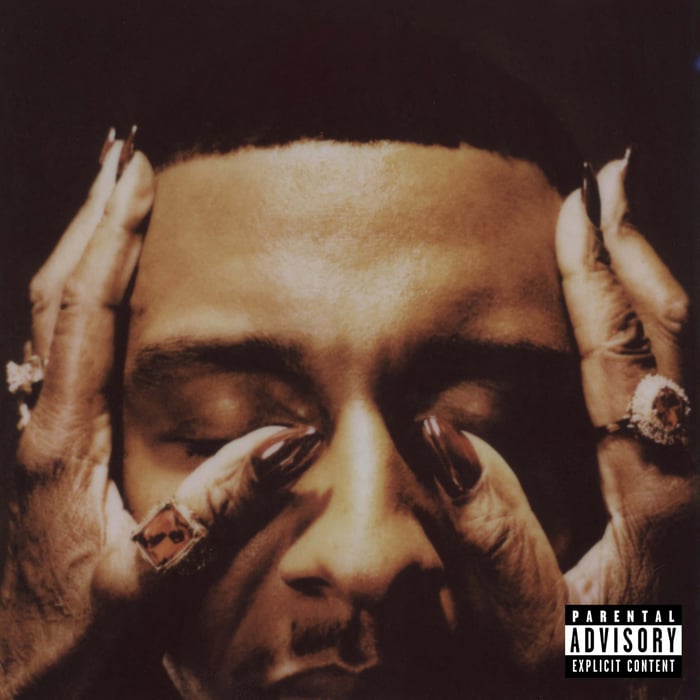
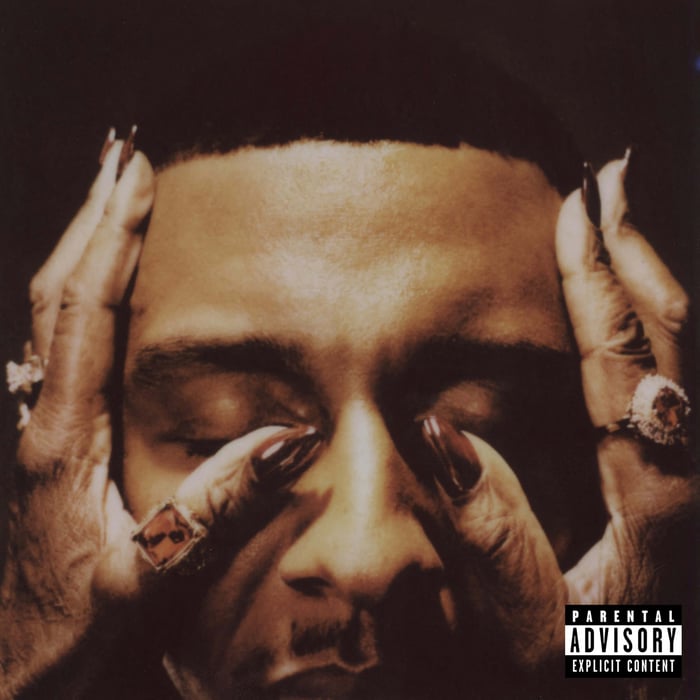
If you’re the type who judges an era by its cover art as much as its choruses, you can grab a favorite album cover poster at our store here: https://www.architeg-prints.com. It’s a nice way to keep the mood on your wall instead of in your group chat.
 | DISCOUNTGET 30% OFF*Use code on your next order:
|
* This post may contain affiliate links, meaning we earn a commission if you make a purchase through these links, at no additional cost to you.