Magi Merlin’s POWER HOUSE Review: Broken R&B That Won’t Sit Still


 See more Architeg Prints stories on Google.
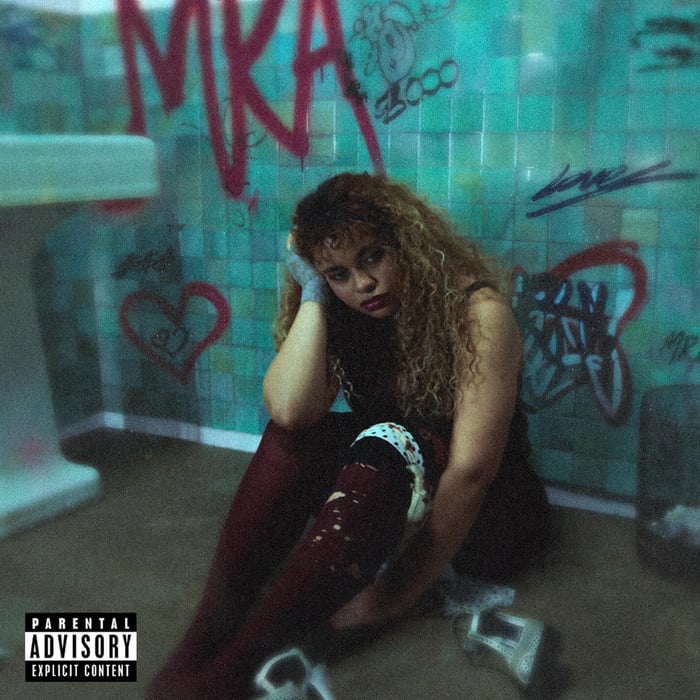
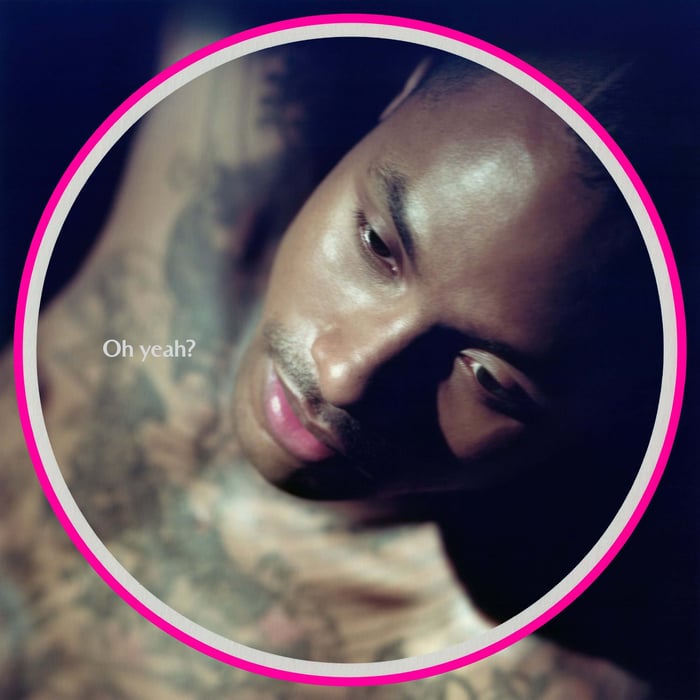
Album Review: POWER HOUSE by Magi Merlin
POWER HOUSE by Magi Merlin transforms “Broken R&B” into a compelling, chaotic exploration of control, vulnerability, and identity, delivered through sharp lyrics and innovative production.
Broken R&B, Except It’s Not a Cute Name Here
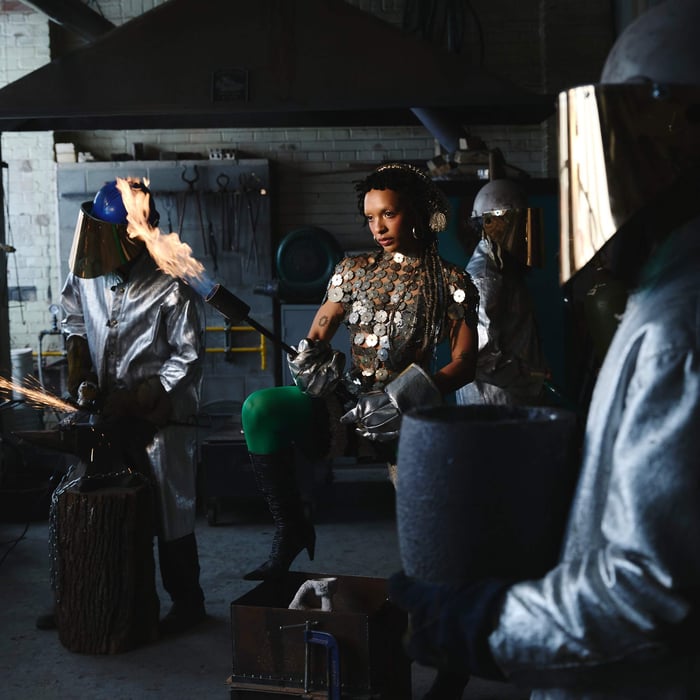
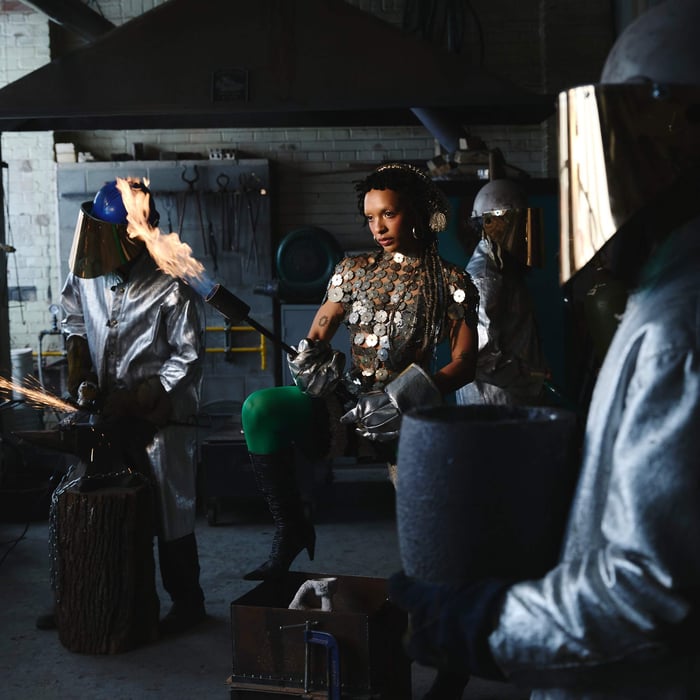
Here’s what POWER HOUSE is really doing: it’s taking that “Broken R&B” idea and treating it like a personality disorder with great lighting. Magi Merlin isn’t using “broken” as an aesthetic so much as a method—singing that keeps snapping into speaking, hooks that feel like they’re collapsing mid-pose, characters who bark orders while quietly begging you to hold them together.
I’m not totally sure if the “house” in POWER HOUSE is meant to be safety, status, or a trap. On first listen I assumed it was just a flex—like, welcome to my mansion, I’m the villain now. But by the time the record starts looping back on its own anxieties, the “house” feels more like a set where she’s directing, starring, and also stuck doing cleanup after the party.
And that tension—control versus spiraling—becomes the point.
“Welcome Home” Opens the Door, Then Forgets Who Owns It
The album starts with “Welcome Home”, and it’s not warm. It’s blunt bass, distortion, and that unsettled feeling of standing in a room you can’t prove is yours. The repeated questions—
“Where am I?/I own this place?/I own this place”
—don’t land like curiosity. They land like self-hypnosis.
Someone named Harsh has left. That detail matters because it makes the opening feel like the aftermath of something, not the start of something. She tries to patch the moment with competence—
“I’ll take care of it, though”
—and then the mantra starts:
“I fucking got it/I got it/I got it/I got,”
cutting off before it can finish the thought.
That unfinished last word is the first real tell: this album loves confidence, but it loves watching confidence crack even more.
“SpiceKick” Is a Stomp, a Smirk, and a Threat in Club Lighting
From there “SpiceKick” drops into a drum-machine stomp—smudgy, rubbery bassline, stiff snares like the room’s been squared off into corners. The vibe is detached at first, like she’s watching herself play a role. Then she starts controlling the space, and the threats come out with a grin:
“My music’s bat shit / Paid for your casket / I think you’ll like it / Now mark the date.”
A reasonable listener could call it pure swagger. I think it’s more specific than that: it’s swagger as performance art, because she keeps stepping out of it to comment on it. The funniest little rupture is that party pause where the persona falters and she admits the absurdity—
“See, she’s laughing at everything I say/I only told a joke like twice.”
That line doesn’t just get a laugh; it exposes the whole trick. She’s building a myth, then checking whether the room is buying it.
By the end she’s planning a full takeover—face everywhere—and even hands you instructions to “save yourself from me.” That’s not kindness. That’s her enjoying the chase.
“Thank You!!!” Uses Gratitude Like a Weapon
Then comes “Thank You!!!”, a high-pressure banger that basically dares you to breathe. Hard drums sit under a sheared hook while she silences the room—not with softness, but with force. She even grades herself out loud:
“Oh I think that I’m a clout chaser/I’m living like everybody else, losers.”
That confession sounds humble for half a second, and then it turns into a new kind of domination: first she lays down laws, then the beat flips into a dubby, dislocated vamp and the rules change with it. Gratitude shows up only after she decides she deserves everything.
The spoken assault hits like a deposition—
“Listen to me closely baby I’m the fucking best”
—and the “plan” is bleakly pragmatic:
“What’s fucking the plan?/Make another hit, fuck with another man.”
If you’re expecting a redemption arc, she’s not offering one. She’s offering strategy.
“EAT!ME!OUT!” Lets the Band (and a Sax) Talk Back
“EAT!ME!OUT!” is the moment where the album stops being a monologue and turns into an argument inside a live room. Hard drum pocket, thick bass, and a saxophone that doesn’t politely color the edges—it pushes into the center and starts talking back.
That’s why it works: the sax isn’t decoration, it’s resistance. It turns the track into a negotiation instead of a command.
She pulls a lover “down down down to the brink,” and then snaps into that perfectly framed insult-as-confession:
“I’m impossible to please/What else do you think about me.”
The court-language plea is the killer move—
“I plead guilty, your honor/Until the tables turn/And they’re turning.”
Even the title pun plays like a closing argument:
“You got me eating out your—/Can’t think, you’re eating me out.”
This is one of the album’s clearest statements: desire isn’t romance here, it’s leverage—and sometimes she’s not sure who’s holding the handle.
“pixxxie” and “Workout” Turn Selfhood Into a Script and a Set of Reps
Next, “pixxxie” shifts the appetite into something more controlled—and more humiliating. The character feels performed by the synth line itself, all cutting edge. She’s playing the girl who’s been written into somebody else’s screenplay, waiting in line for attention:
“Write me as a friend then/Waiting in your backlog.”
A guy named Josh tells her to wait. That name-drop lands like a shrug: not a villain, just another dude with narrative control.
But she keeps correcting the script from inside it:
“I’m not lost/I’m just in your bed.”
That’s not liberation, exactly. It’s her trying to reclaim the frame while still trapped in it.
Then “Workout” turns self-performance into literal exercise—drum-machine hits, handclap accents, the track egging her on like an instructor who doesn’t care if your knees survive. She does “reps” of personality, thinning herself down for approval:
“Folding myself thin so that you’ll like me, maybe.”
And then she drops the nastiest modern detail like it’s nothing:
“Thick just like the plastic in my bloodstream, baby.”
Near the end, a gun shows up at the party and she treats it like a coat-check item:
“It’s only just a gun/Touch it through my pocket for me/Move it to the side.”
That casualness is the horror. Then she clocks another woman staring and turns it into a little social knife-twist:
“Promise I won’t take your bride/But she’s looking me up and down/Maybe she just wants a ride.”
It ends with her tasting her own temper:
“I’m angry again/Ooh my favorite.”
If that line makes you laugh, you’re hearing the album correctly. It’s funny because it’s true in a way nobody should admit.
“So Smart” Softens the Voice, Not the Problem
After all that bite, “So Smart” comes in gentler—long notes and phrases over soft keyboard chords, pulse restrained like she finally put the sharp objects in a drawer. The negotiation here is with herself:
“I’ll push to be nicer to me, I guess.”
That “I guess” matters. It’s not a breakthrough; it’s paperwork.
And then she names the cost of being adored:
“Call me pretty, I’ll forget who I am.”
The hook returning feels like a note left on the fridge—something you write to yourself because you know you’ll pretend you didn’t know later.
A lot of albums use a soft track as a “real me” moment. I don’t think that’s what this is. This is still a performance—just with better posture.
“WHIP” Commands the Room, Then Accidentally Tells the Truth
“WHIP” swings back into commands, built on a lurching pocket with back-and-forth responses that feel like a fight choreographed for the dancefloor:
“Fuck your ideas/(Blasted for it)/I don’t like it.”
It’s confrontational, but I’d argue it’s also defensive—like she’s rejecting ideas before they can reject her. The tell is in the bridge:
“‘Safe-word’ another fight/Safety, all I wanted.”
That line is the album in miniature: aggression as a mask for wanting something simple and almost embarrassing.
If you came to POWER HOUSE for dominance, this is where it quietly confesses it’s still bargaining for comfort.
“Crawl” Is Intentionally Thin… and That’s Where It Loses Me a Bit
“Crawl” is the thin song: tight close-sung phrases creeping over dragging drum-machine grind, plus a melodic figure that refuses to become a proper chorus. It’s claustrophobic on purpose, like she’s stuck pacing a hallway.
The best part is the confession that slips through the cracks:
“I’m about to sell out/Paid for acting real cold/Now it’s weighing on my mental.”
That’s a real moment—clear-eyed and unglamorous.
But I’ll be blunt: the music around it doesn’t quite lift. I kept waiting for the track to “arrive” somewhere—some turn, some payoff—and it mostly stays hunched over. Maybe that’s the point, but it’s also the stretch where the album’s deliberate withholding starts feeling like it’s withholding from me, not just from itself.
“POPSTAR” Dresses Up Selling Out Like a Card Game
Then “POPSTAR” makes the “selling out” theme literal—wardrobe, spotlight, demands from the faceless “us.” The ask is phrased like a moral requirement:
“Give us a modicum of truth/To set you free.”
She answers like a card player:
“I see and raise you another.”
That response is the album’s most honest joke: the industry (and the audience) asks for truth, and she replies with escalation. She even hedges her own jackpot—
“Raise up raise up/I bet you won’t/I hope I don’t win my bets”
—over thick bass groove and slow drum hits that make the hook feel like a statement instead of a big sing-along.
The ending plays like a real-time dressing sequence:
“Look at my fit/Hots easy, try it bent/Caught/Am I?/Heart beat in my chest.”
It’s vanity and panic in the same mirror.
“Wtvr” Takes the Suit Off and Leaves the Nerve Endings Exposed
“Wtvr” strips the costume back off. Mid-tempo, fluid, chords folding around her voice like the room is trying to comfort her without touching her. She asks for the one thing she can’t accept cleanly:
“I feel guilty when you tell me you are proud.”
Later it softens into the plea:
“I feel guilty/Please just tell me you are proud.”
That’s the line that made me reconsider my first impression of the whole album. What I thought was pure domination theater is also someone who doesn’t know how to receive care without paying a tax in shame.
Then she names her condition and orders the fix at the same time:
“Ooh lala/Home inside a girl/Fix that.”
It’s ridiculous and brutal—like asking a contractor to renovate your nervous system overnight.
“Salt” Wins in Sixty Seconds, Then Eats Alone
“Salt” is a one-minute flash of appetite and victory—thin, bright percussion exploding like champagne sprayed at nobody in particular. The flex is already complete:
“I’m in Paris/Living at the top/Off the fucking clock/Breaking all your hearts.”
Whether that’s literal or just the fantasy of arrival doesn’t even matter. What matters is the way it’s delivered: like the credits are rolling and she’s still hungry.
The only mouth left to feed is hers:
“Mmmm, you taste that? You taste that?/I taste that/I taste that/I taste that.”
She comes back for the taste, and no one else gets a bite. That’s not romance. That’s resource management.
The Tracks That Actually Hit Hardest
If you want the clearest entry points—the ones where the album’s contradictions become fun instead of exhausting—these are the cuts that carry the sharpest intent:
- “EAT!ME!OUT!” (because the sax refuses to behave)
- “Thank You!!!” (because gratitude turns into a hostile takeover)
- “Workout” (because it turns self-invention into a dangerous hobby)
A reasonable person could pick different favorites, sure. But these three are where POWER HOUSE feels most like it’s saying the quiet part out loud.
Great (★★★★☆)
Favorite Track(s): “EAT!ME!OUT!,” “Thank You!!!,” “Workout”
FAQ
- What does “Broken R&B” feel like on POWER HOUSE?
Singing that snaps into speech, grooves that lurch on purpose, and hooks that sound like they’re cracking under pressure. - Is POWER HOUSE more aggressive or more vulnerable?
Both, and it’s not a balance—it’s a tug-of-war happening mid-line, especially on “Wtvr” and “Thank You!!!”. - Which track best represents the album’s sound?
“EAT!ME!OUT!” because the rhythm hits hard while the sax argues like it has its own agenda. - Does the album ever slow down emotionally?
“So Smart” is the closest thing to a soft landing, but even that gentleness feels like a negotiation, not peace. - What’s the one moment that might turn listeners off?
“Crawl” stays intentionally thin and unresolved; if you’re waiting for a big payoff, you might feel stranded.
If this record lodged itself in your head, you might as well let it live on your wall too—album art makes a strangely good souvenir for chaotic listening. You can grab a favorite album cover poster at our store: https://www.architeg-prints.com/
 | DISCOUNTGET 30% OFF*Use code on your next order:
|
* This post may contain affiliate links, meaning we earn a commission if you make a purchase through these links, at no additional cost to you.