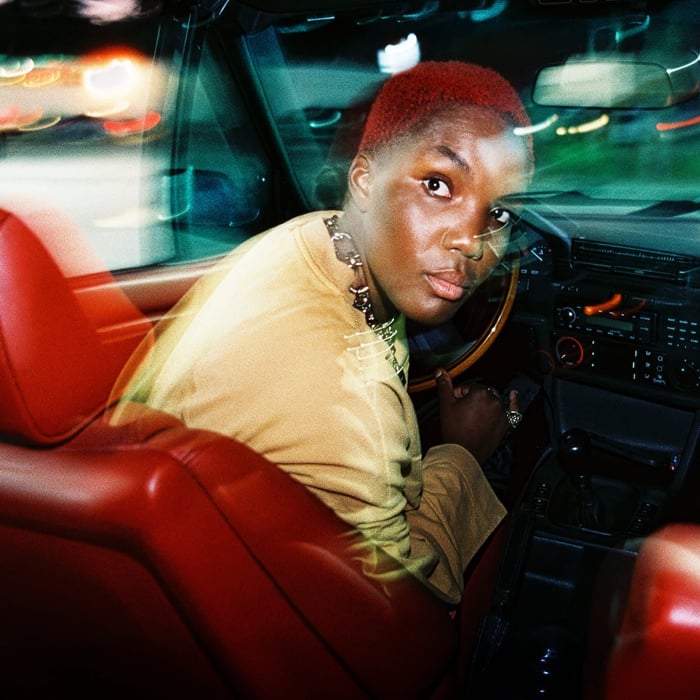
Arlo Parks’ Ambiguous Desire Review: Club Therapy With No Exit Sign

 See more Architeg Prints stories on Google.
Arlo Parks’ Ambiguous Desire Review: Club Therapy With No Exit Sign
Arlo Parks’ Ambiguous Desire swaps guitars for UK garage adrenaline, then dares you to call it healing while it’s still bleeding.
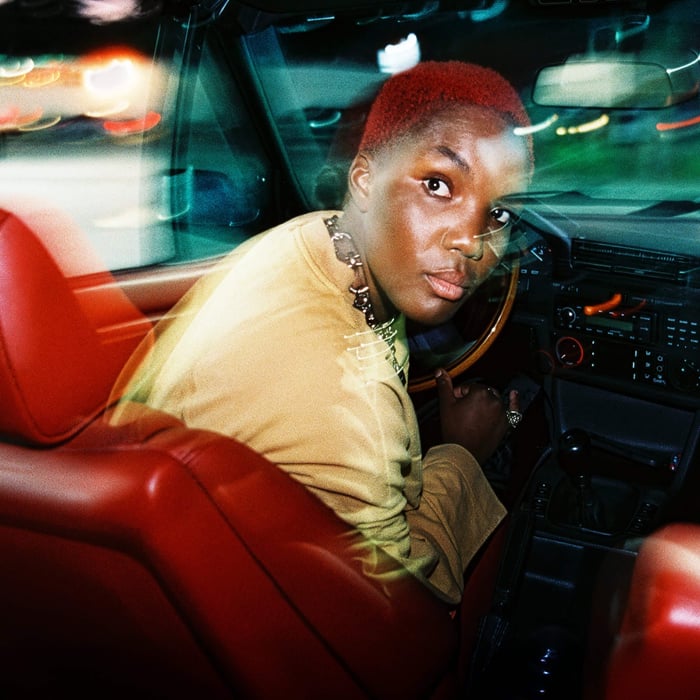
A record that opens the door—and then turns the lights down
Some albums want to “take you on a journey.” This one wants to drop you into a room at 2:07 a.m. with sweaty walls and a brain that won’t stop narrating. Ambiguous Desire isn’t Arlo Parks “going dance.” It’s Parks using the club like a crowbar—prying open feelings that were previously kept tidy in bedrooms and softly lit sadness.
The backstory you can hear in the pacing
Here’s what changed: time showed up. A canceled U.S. tour back in September 2022 (mental health, the kind of reason you don’t argue with) should’ve been a pause. But two years later, even after another album, you can still hear how her words used to sprint ahead of their own fog on My Soft Machine—great writing, slightly muffled delivery system.
Then April 2024: final show at Brooklyn Steel, and suddenly the kid who got signed at 17, won a Mercury Prize at 20, and did the big opening slots (Billie Eilish, Harry Styles) before she could even legally drink in the States… has empty space on the calendar. The kind you haven’t had since secondary school.
And instead of using that space to become “rested,” she stayed in New York and went outward. Juke nights in Greenpoint. Venue MOT in London. Midnight Lovers in LA. A book (McKenzie Wark’s Raving). A listening binge (Burial, Theo Parrish, LCD Soundsystem). DJing—still no DJ name, which honestly feels correct for where her head is at: she’s trying on identities, not branding them. And yeah, she fell in love with someone who lives in the city, which matters because this album keeps returning to one idea: leaving the house doesn’t cure you, it just gives your feelings better lighting.
That’s the real pivot. After years of writing about other people’s sadness from bedrooms, she went out—and brought the sadness with her, like an accessory you forget you’re wearing until it’s suddenly heavy.
The opening move: a club announcement that rewires the room
The first real flex happens before she even sings on “Get Go.” A soundsystem MC barks an intro—“The UK Border Clash, every Sunday, from 2 p.m. till 2 a.m.”—and it’s not just flavor. It’s a scene change. You’re no longer in “album world.” You’re in a venue where the bass has rules.
Most of Ambiguous Desire was built with Baird, the Baltimore producer she’d worked with once before on “Pegasus” from My Soft Machine. You can feel the difference immediately: they made this record over two years in his downtown loft, working fast—basically a song every other day. Modular synths and Ableton replace the old live-band setup.
And the biggest signal? The guitars are gone.
Not “less prominent.” Gone. In their place: breakbeats, UK garage textures, four-on-the-floor kicks. It’s heavier than anything on her first two records—not in the cartoon sense of “hard,” but in the sense that the low end now has authority. Paul Epworth and Buddy Ross show up as co-producers on a handful of tracks, but Baird’s fingerprints run the whole thing: hotter, twitchier, more nervous energy than the smeared arrangements that used to blunt her impact.
I’ll admit: my first impression was that the club coating might be a disguise—like she’d put rave paint on the same old wounds. But on second listen, it’s the opposite. The production isn’t hiding the feelings; it’s pressurizing them.
“2SIDED” and the sound of someone checking their pocket for proof
This record doesn’t romanticize desire. It treats it like a compulsion you can’t neatly explain to anyone else, which is why “2SIDED” hits so hard. When Parks sings “tell me it’s two-sided,” it doesn’t land like poetry. It lands like someone asking for confirmation the way you pat your pocket for your keys—reflexive, desperate, small.
The scene around it matters: heartbeat climbing, friends all inside, the dark pressing in. She isn’t asking for a grand statement; she’s begging for symmetry. And if that sounds dramatic, it isn’t—because the song makes it feel embarrassingly normal, the kind of thought you have and then immediately hate yourself for having.
One arguable take: this is the first time Parks’ music feels willing to be socially messy. Earlier work could feel like pristine sadness, beautifully arranged. Here, she lets the neediness show up without apology.
Queer desire that doesn’t tidy itself up
The desire on Ambiguous Desire points almost entirely toward women, and not in a vague “genderless muse” way—this album likes names, faces, and car interiors.
- “Jetta” gives you Cindy slipping out of a car in leather and pink chrome.
- “Get Go” places Maria on the dancefloor.
- “Floette” follows an unnamed partner while a car skims tarmac, and Parks admits she’s scared to commit and scared to leave.
That last one is the key contradiction she refuses to resolve—and I respect that. The record keeps saying: I want you, and I don’t trust what wanting does to me.
“What If I Say It?” is where she stares directly at the fear. She’s cried through her flight, in someone’s parents’ house in July, and the question lands with that specific post-travel weirdness—jetlagged vulnerability, nowhere to hide.
“What if I say it? / Does that make it real?”
— Arlo Parks, “What If I Say It?”
The other person looks back with guilty eyes and asks, “Do you think I’m someone else now? / Do you see all my shame?” Parks doesn’t answer, which is exactly why it works. Neat resolution would be emotional cosplay. Letting it hang is the whole point.
And “Floette” seals it with a line that’s both confession and shrug: “We’re blossomin’.” She names queerness and uncertainty in the same exhale, like she’s refusing to separate identity from the fear that comes with living it out loud.
“Blue Disco” is a party song where nobody’s trying to party
After that intensity, the album slides into something sneakier: the logistics of a night out. “Blue Disco” is the most offhand party song Parks has recorded, and the trick is that nobody in it is trying to have a good time—they’re just having one.
Fifteen friends at ten to six in the morning. Aleda’s cousin sick out back. Crash and Ames kissing and fighting in the same breath while the disco lights go blue.
Those details are too oddly specific to feel manufactured, which is why the scenes earn trust. She stocks Ambiguous Desire with named people in specific rooms at specific hours, and it feels like hearing someone recount a night the morning after—full of names, minor disasters, and what people were wearing.
Maria stands holding both her heels, sequins on her jeans, wishing she wasn’t herself. Joey guards his decks like they’re a diary. Daniyel is on loudspeaker while that car skims tarmac in dry heat. The album’s social world isn’t glamorous; it’s cramped, loud, and occasionally ridiculous—the exact conditions where feelings slip out.
Arguable claim: the “scene-setting” is not filler here. It’s the emotional delivery system. Without the rooms and timestamps, these songs would risk sounding like diary entries. With them, they become lived-in.
The ugly honesty section: stairs, Brazil, and saying it straight
Then “Beams” shows up and stops playing nice. Parks sobers up on a stranger’s stairs and tells someone plainly that she was suicidal in Brazil. No cushioning. No inspirational framing. Just the fact, and the Harley Weir photos they were looking at when she said it. That detail—the photos—matters because it pins the confession to a real moment instead of an abstract “dark time.”
“Senses” goes further and gets harder to sit with. She says she’s been dulling herself with art and women, and the part that surprised me is how impatient she sounds with herself—like she’s scolding her own coping mechanisms for not being efficient enough. While cycling, she wishes she’d disappear at speed. That’s not metaphor dressed up as danger. It’s a thought you have when you’re tired of your own brain.
She keeps asking: “Is it better than nothing?” And then Sampha’s outro lands with its own bluntness: “the clarity lies in the direction of pain.” It doesn’t “solve” anything. It just names the compass.
I’m not totally sure the transition into Sampha’s moment will work for everyone—it’s one of those features that risks feeling like a separate short film stapled onto your movie. But the more I replay it, the more I hear it as the record letting someone else speak because Parks can’t bear to sound wise right then.
“Luck of Life” and the one time someone else does the caring
“Luck of Life” is the comedown where the brain starts narrating again. She wakes on a sofa at 3 a.m., dreaming about playing pool with someone who already left, and she can’t figure out how to eat or what to wear. That’s depression rendered as logistics—when even choosing clothes feels like a test you didn’t study for.
And then the voicemail hits: a friend closes the song with “I’m here for you if you wanna talk about it, here for you if you don’t.” It arrives from outside Parks’ head entirely, and that’s what makes it sting. It’s the only moment on the record where someone else does the caring.
Arguable statement: that voicemail is the album’s most “hopeful” moment, and it’s not because it’s uplifting—it’s because it proves Parks isn’t trapped in a solo monologue, even when she sounds like she is.
What works, what wobbles, and why the jitter matters
The big win of Ambiguous Desire is that the production finally stops being polite. Baird’s sound—modular synths, breakbeats, garage swing, four-on-the-floor weight—gives Parks’ writing a body that can move. The album doesn’t float. It paces. It sweats.
But I do have a mild gripe: sometimes the new heaviness feels like it’s trying to prove a point a little too hard, like the kicks are daring you to take her seriously. Parks never needed that dare. Her writing already had the knife; the beats just give it a different handle. When the mix gets extra hot and jittery, it can occasionally crowd the lines instead of framing them.
Still, I’d rather hear her risk that claustrophobia than go back to the softened edges that dulled My Soft Machine in places. This record sounds like a person choosing the discomfort on purpose.
The tracks I keep coming back to (for better or worse)
Not a ranking, just the ones that keep grabbing my sleeve:
- “Senses” — because it refuses to prettify self-erasure, and that Sampha outro doesn’t blink.
- “Beams” — because it’s a confession pinned to a staircase, not an abstract “mental health song.”
- “What If I Say It?” — because it understands that saying the thing is its own kind of violence.
And if you want the sneaky mission statement in story form, “Blue Disco” does it: the album’s emotional thesis disguised as a night that got out of hand.
Conclusion: Ambiguous Desire is what happens when she stops staying home
Ambiguous Desire isn’t Arlo Parks reinventing herself for the dance crowd. It’s Parks dragging her feelings into public—into clubs, cars, stairwells, and 3 a.m. sofas—and letting the noise make the honesty less controllable. The guitars disappearing isn’t a genre pivot; it’s a boundary getting removed. The result is messier, hotter, and more specific, which is exactly why it lands.
Our verdict: People who like emotional detail, named characters, and club-informed production that doesn’t “fix” the sadness will actually like Ambiguous Desire. If you want your introspection quiet, acoustic, and neatly resolved—if you need the narrator to wrap it up with a bow—this album will irritate you on purpose, like a strobe light when you asked for a candle.
FAQ
- What is the core vibe of Ambiguous Desire?
It’s club music as a setting for confession—breakbeats and four-on-the-floor energy carrying lines that would usually be whispered. - Does Ambiguous Desire sound like Arlo Parks’ earlier albums?
The voice and writing are still hers, but the live-band feel is swapped for modular synths, garage textures, and heavier rhythm choices. - Is this album mostly about queer desire?
Yes, and it’s pointed: women are central, named, and placed in real scenes—cars, dancefloors, awkward moments that don’t resolve cleanly. - What songs should I start with?
Try “Senses,” “Beams,” and “What If I Say It?” if you want the emotional center. Try “Blue Disco” if you want the social snapshot. - Does the album offer closure?
Not really—and that’s the point. It leaves questions hanging because clean answers would feel fake in these situations.
If this record lodged itself in your head, you might as well give it wall space too—album art makes a strangely good memory anchor. You can shop a favorite album cover poster at our store: https://www.architeg-prints.com
 | DISCOUNTGET 30% OFF*Use code on your next order:
|
* This post may contain affiliate links, meaning we earn a commission if you make a purchase through these links, at no additional cost to you.