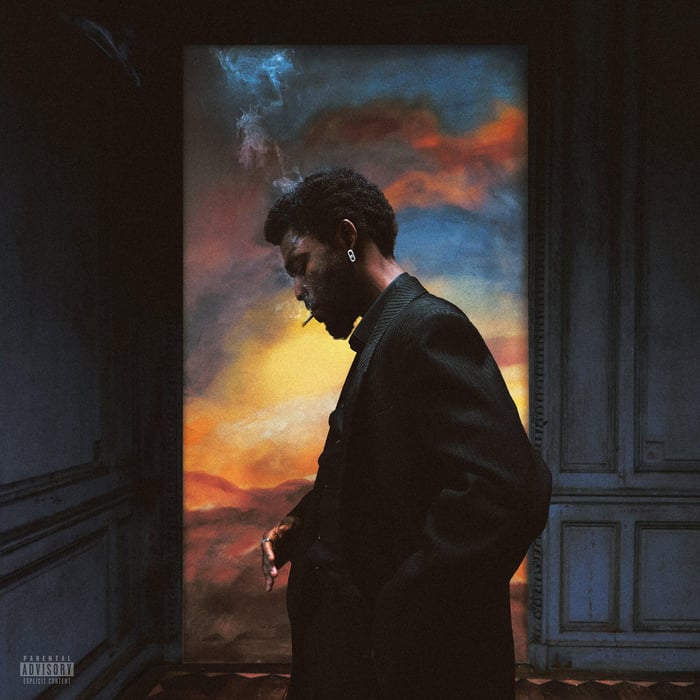
Omah Lay’s Clarity of Mind Review: Therapy in the Club Bathroom


 See more Architeg Prints stories on Google.
Omah Lay’s Clarity of Mind Review: Therapy in the Club Bathroom
Omah Lay’s Clarity of Mind isn’t “growth”—it’s a loop: weed, God-talk, money, regret, repeat, with just enough self-awareness to sting.
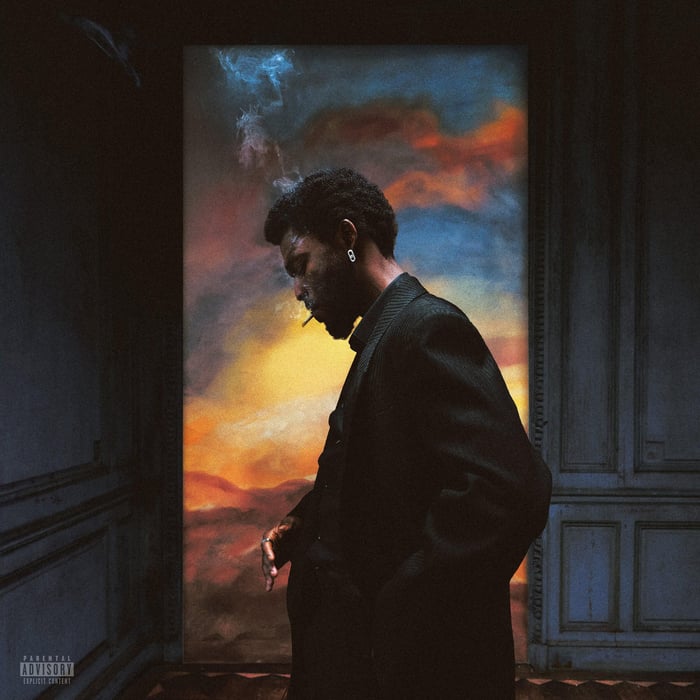
The first thing you notice: time passed, but the problem didn’t
Four years between albums is basically a lifetime in Afrobeats, and you can hear that pressure hanging off Clarity of Mind. Not in some flashy “I’ve evolved” way—more like a guy returning to the same habits with better lighting and sharper captions.
I kept thinking the album would open up into a new chapter, something that screams, “I figured it out.” It doesn’t. It opens like someone waking up and immediately reaching for the same old fixes, just more honest about how little they fix. That’s the real theme here: nothing works anymore, and he keeps doing it anyway.
And yeah, I’m aware that sounds grim—but the album doesn’t mope. It shrugs. That’s worse, and also more interesting.
The reset button: when your “new sound” stops being yours
There’s a very specific kind of bitterness behind this album—less heartbreak, more betrayal-by-the-industry. Omah Lay spent years watching plans fall apart, and you can feel the “fine, I’ll start over” energy baked into the writing.
The backstory matters because you can hear the decision-making: he had a direction, that direction got compromised (he shared an unreleased sound with someone he trusted, then heard an album drop not long after that felt a little too familiar), and he scrapped sessions and rebuilt from scratch. Whether you care about the finger-pointing or not, the emotional result is clear: Clarity of Mind sounds like someone rebuilding their house on the same land where it already burned down once.
My first impression was that the album’s steadiness meant safety—like he was playing it careful after the reset. On second listen, it hit me: it’s not caution. It’s stubbornness. He’s deliberately circling the same vices because that’s the point. He’s documenting a relapse that never stops being “tonight only.”
“Artificial Happiness” starts the album with the drug talking back
The opening move is blunt: the substance isn’t just present—it’s speaking. “Artificial Happiness” turns Ìgbo (cannabis) into a narrator, basically a persuasive friend who won’t stop calling your phone. That choice tells you everything about the album’s worldview. The vice isn’t a villain. It’s a companion.
He’s singing lines that feel like a dare to himself—tomorrow the feeling washes off, but tonight it’s warfront. The “Blood of Jesus” floating around in the ad-libs while he describes a weed-fueled night with not-enough money is the first example of the album’s favorite trick: sacred phrases used like background decor in a room where nothing sacred is happening.
That contradiction is either the whole point or completely accidental. I’m honestly not 100% sure which—and the album never clears it up. It just keeps walking.
“Don’t Love Me” is the album admitting the numbness out loud
Three tracks later, “Don’t Love Me” spells out the deadened sensation like it’s reading a receipt. The drinking doesn’t hit. The weed doesn’t lift him. And the way he says it isn’t dramatic—it’s almost bored, which is exactly why it lands.
“Hennessy no dey hit me again / Igbo no dey high me again.”
Then he turns coldly practical. He explains spending money on women in transactional detail—paying for nails (hers and her friends’) just to get sex, paying two years’ rent on a five-bedroom rooftop apartment for someone else. It’s not framed like flexing. It’s framed like routine maintenance on a life he doesn’t even like that much.
And the chorus—Don’t love me—keeps repeating until it stops sounding like a warning and starts sounding like a diagnosis. A reasonable listener could argue the hook is too insistent. I’d argue the repetition is the point: he’s trying to hypnotize the other person into leaving because he can’t.
“I Am” is where he does the math and still refuses the answer
“I Am” compresses the album’s logic into consecutive lines that feel like a shrug dressed up as wisdom. Smoking is dangerous—he does it anyway. Money is the root of evil—he packs it every day.
That’s the core attitude of Clarity of Mind: knowledge without transformation. The album is basically saying, “I understand the lecture. I’m still going out tonight.”
It’s a little too relatable, which is probably why it works. Also why it’s unsettling. A lot of artists pretend self-awareness is redemption. Omah Lay doesn’t. He treats self-awareness like another intoxicant: it makes you feel smart while you do the same dumb thing.
“Waist” is the funniest song here, and it shouldn’t be
“Wetin kill Samson? Na still ikebe o.” That line—buried in “Waist”—is the album’s sharpest little knife. He’s making a party track about a woman’s backside, then suddenly he’s praying mid-bounce: “Jesu chai o, scatter my enemies, confuse them with little things.”
And right after that, he admits he makes wrong decisions anytime he sees “ikebe.” The joke lands because the album keeps doing this: mixing lust confessionals with prayer like it’s one continuous genre.
You can disagree with me here, but I think “Waist” is the album’s thesis disguised as club music. It’s him admitting the body always wins, even when he’s literally calling on Jesus to intervene. The religious language isn’t there to clean anything up—it’s there to show how messy it already is.
“Holy Ghost” and “Amen” treat faith like a stimulant
“Holy Ghost” takes the contradiction further and makes it almost comical in its commitment: he calls the spirit his cocaine, his confidence booster, his mami water. Then he turns around and confesses tequila is hammering his liver and that every girl looks like wife material when he smokes indica.
That’s not “spiritual struggle.” That’s a guy stacking substances—chemical and symbolic—until something finally makes him feel okay.
“Amen” takes a slightly different angle: he asks God for peace of mind and enough money to buy anything he wants—in that order—while also wanting protection as he steps out in brand-new Louis Vuitton. It’s not subtle. He’s not pretending to be a saint. He’s basically praying with a shopping bag in his hand.
If you want neat moral arcs, this album will annoy you. It refuses to deliver the lesson. It just documents the cycle.
Two tracks thin out: “Water Spirit” and “Mary Go Round” don’t sharpen the idea
Not everything here hits as cleanly. Two songs, in particular, feel like they repeat the album’s points without adding much bite.
- “Water Spirit” stretches into an extended sex scene dressed in spiritual language—she’s here to wash his sins away, but the details are unmistakably physical, right down to “shut up your mouth and learn how to relax,” plus the tied hands and covered eyes. The concept is clear; the execution feels a little one-note for how long it runs.
- “Mary Go Round” drops lines about nothing being as sweet as kpetus, and how one person’s love of his life is another person’s hoe… and then it kind of stalls. It circles the idea without pushing it somewhere sharper.
I’m not mad at either track, but they’re the moments where Clarity of Mind briefly sounds like it’s padding its own argument. The album is strongest when it’s specific and slightly self-disgusted. These two feel more like broad sketches.
“Jah Jah Knows” finally admits the scariest thing: he’s not sure who he is
“Jah Jah Knows” is where the album stops flirting with confession and actually confesses. He tells Bisi not to wait for him. And then he says it plainly: as you see me, I’m not too sure. I don’t know what to do with my life.
That’s the emotional center, whether he meant it to be or not.
Then he tosses off a line that sounds simple until it sticks in your brain: Tell me who be policeman, if it wasn’t for the uniform. Strip the job, the fame, the weed, the money—what’s left? He doesn’t answer. He just lets “Jah Jah” hold the mystery.
This is an arguable take, but I think this track is the album’s most honest moment because it’s not trying to sound cool. It’s a person talking like a person for once.
“Coping Mechanism” softens everything—and that’s why it matters
Elmah is the only guest on the entire album, and her appearance on “Coping Mechanism” changes the air in the room. She asks him to smile. She says she can see something wrong in his countenance. And suddenly the album isn’t just Omah Lay arguing with himself—it’s someone else peeking in and saying, “Hey, you’re not okay.”
His verse here is the most unguarded he gets:
- he says unhappiness is hurting him
- he can’t feel his shoulders anymore
- he wonders if it’s because he carries all the load
- he talks about touring the world searching for where he might belong
It’s also the only track where nobody’s telling anybody to shut up, relax, or accept the deal. It’s just vulnerability, stated without theatrics. If you think the album is all vibes and contradictions, this is the song that proves there’s an actual person under the styling choices.
Tempoe’s mid-tempo grip keeps the album from falling apart
Production-wise, Clarity of Mind sticks to a steady mid-tempo bed for most of its runtime, largely because Tempoe produced or co-produced seven of the twelve tracks. That consistency suits Omah Lay’s delivery—half-sung, half-mumbled, like he’s talking to himself while the beat keeps the room moving.
The one-guest approach matters too. With only Elmah showing up once, there’s nowhere to hide. The album stays locked on a single voice looping through the same temptations, the same prayers, the same little defeats.
And “Julia” is a perfect example of that quiet defeat: he flips a table booked for twenty into a solitary night. Hallelujah and hosanna ring out while he decides he’d rather be alone than be around anyone else. That’s where the title finally stops feeling like branding and starts feeling like a summary of the damage.
The clarity isn’t peace. It’s just the ability to look yourself in the face, list what isn’t working, and still go back tomorrow.
Favorite tracks and where I land on it
I’d still call this album solid, even though it refuses to give you the satisfying arc you might want. It’s not a redemption story. It’s a well-lit spiral.
Favorite Track(s):
- “Don’t Love Me”
- “Waist”
- “Holy Ghost”
Conclusion: clarity isn’t healing—it’s just seeing the mess clearly
Clarity of Mind keeps placing God and indulgence in the same sentence like they’re roommates sharing a kitchen. It’s funny until it isn’t. The album’s big flex isn’t “I’m better now.” It’s “I can name my habits accurately.” And honestly, that kind of honesty can feel like its own trap: you start mistaking awareness for progress.
I came in expecting a clean pivot after the long gap. I left thinking the real pivot is darker: he didn’t switch lanes—he just got better at narrating the crash.
Our verdict: People who like Afrobeats when it’s emotionally complicated—when the hook dances while the lyrics quietly fall apart—will actually love Clarity of Mind. People who need their albums to end in growth, clarity, or at least a responsible lesson plan are going to get irritated. This one stares at the bad idea, shrugs, and texts it back.
FAQ
- Is Clarity of Mind a “party” album or a sad album?
It keeps dressing sadness in party clothes. Some songs bounce, but the words keep circling numbness, regret, and compulsion. - What’s the core keyword of this review and why does it matter?
The core keyword is Clarity of Mind—it’s the album’s thesis and the way the songs keep returning to self-awareness without real escape. - Does the album rely heavily on features?
No. There’s only one guest appearance (Elmah on “Coping Mechanism”), which keeps the album feeling like one long internal argument. - Which track shows the most vulnerability?
“Coping Mechanism.” Elmah’s presence pulls a more exposed verse out of Omah Lay than most of the record. - Are there any weaker spots?
“Water Spirit” and “Mary Go Round” feel thinner—less wit, less forward motion—compared to the sharper songs that make the same points more effectively.
If you want something physical to match the way albums like this stick in your head, consider grabbing a favorite album-cover poster from our shop: https://www.architeg-prints.com. It’s a calm way to commemorate chaotic music.
 | DISCOUNTGET 30% OFF*Use code on your next order:
|
* This post may contain affiliate links, meaning we earn a commission if you make a purchase through these links, at no additional cost to you.