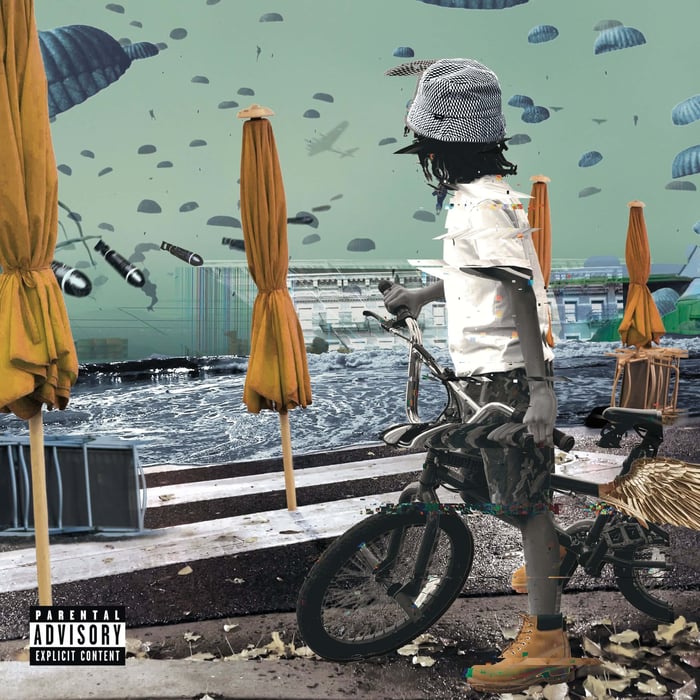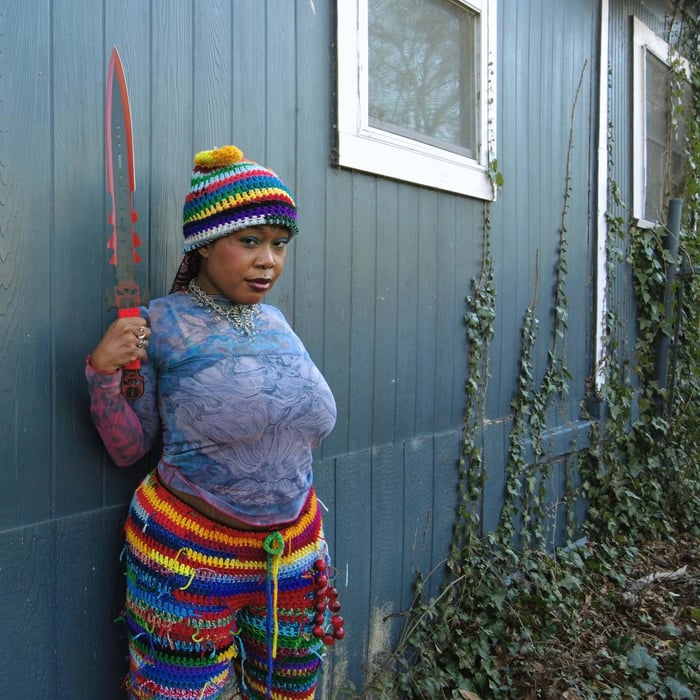
bbymutha’s Rent Due Review: Paying Bills With Chaos (and Teeth)


 See more Architeg Prints stories on Google.
bbymutha’s Rent Due Review: Paying Bills With Chaos (and Teeth)
bbymutha’s rent due sounds like a funny threat until you realize she’s dead serious—and the jokes are just a coping mechanism.
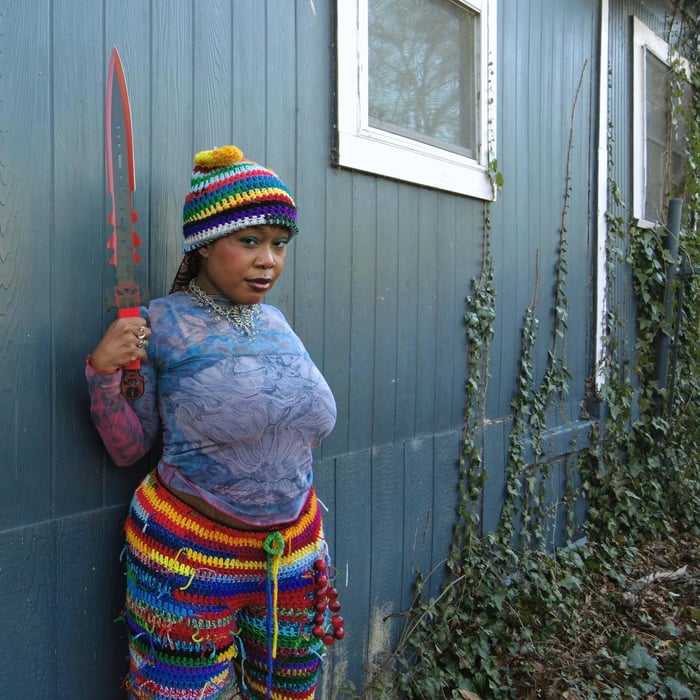
This album kicks the door in, then asks if you’ve got cash
rent due opens like a demand and stays that way. Not “a concept,” not “a vibe,” not some soft-focus diary entry. It’s the blunt math of being alive while behind—rent due, period, and you can hear the interest piling up in the way she raps.
The first move is a Coming to America sample: somebody walks in looking for a room, gets asked if they have money, and upstairs Stu still owes what he owes. It lands like a joke for half a second… and then it doesn’t. Because once you sit with what bbymutha is doing across this album, that little laugh-track energy starts sounding like camouflage. She’s making it funny so she can say it out loud.
I kept thinking this record was going to be mostly swagger—just another “I’m back, y’all can’t touch me” lap. On second listen, it’s closer to a running tally of who failed her, who cost her, and who she’s had to become to survive all that.
The real subject is people: who stays, who folds, who gets cut
Here’s the through-line I couldn’t un-hear: rent due is basically bbymutha sorting human beings into piles. Almost every track has some version of “you showed your hand” in it.
On “labor day,” she drops the kind of line people quote like it’s just savage—and it isn’t only that: “I can’t even trust my mama, how I’m supposed to trust a hoe?” She spits it like a starting point, not a punchline. The album keeps returning to the same pressure point: trust isn’t just hard for her, it’s expensive.
“muthaleficent back” is where the bravado cracks open for a second, and she hides it in the middle of a hook that’s basically just middle fingers in the air. The second verse admits what the whole album is trying not to admit:
She didn’t need people, but she wanted the feeling of people.
That moment—“I don’t need you bitches, never really did/I just thought I missed them pieces put together, made us friends.”—is the kind of confession that changes how the earlier flexing reads. Suddenly the “I don’t need you” isn’t confidence; it’s self-defense.
And she keeps filing people away across tracks like:
- “dreadhed,” where envy shows up in daylight and abandonment shows up in private
- “tempertantrums,” where she basically announces, “I love to argue/This is not a safe space”
- “prettyugly,” where she insists she never needed a fan base or a hive in the first place
A reasonable listener could say this is just standard rap tough talk. I don’t buy that. The repetition is too specific. This sounds like someone who’s been disappointed so many times that “cut everybody off” becomes an everyday posture.
Then “personally” flips the blade around. She says she misses her friends—misses the women who hug her. That’s the part that actually stings, because it exposes the distance between her exile mode and her human mode. And that distance is where she seems to live: angry enough to banish everybody, lonely enough to hear the silence afterward.
The “mother” part isn’t branding—it’s the engine
The hook of “runnin” is so plain it almost reads like a text message she didn’t mean to send: “I wanna run away/Fuck it, I’m mother, so I gotta handle it anyway.” That’s the entire album in two bars. She’s tired. She wants to disappear. She can’t, because real life doesn’t pause for your burnout.
And then Fly Anakin comes in—one of the rare features that actually feels like a response to the song instead of a guest verse stapled on for streams. He acknowledges her situation like he’s answering her directly, like he heard the “I gotta handle it anyway” and decided to meet her there.
“acting like my daddy” takes the self-parenting idea and makes it a mission statement. The logic is cold and clean: “Every time you glorify a nigga, he embarrass you/Had to glorify my damn self, that’s what daddies do.” It’s funny in that grim way where you laugh because the alternative is screaming.
Lisha G follows the same thread, running through what her father taught her—and how she’s copied him, right down to the stubbornness. That pairing matters. It turns the song from a one-person thesis into a shared survival tactic: if the men disappoint you, you either crumble or you build a version of “dad” inside yourself and keep it moving.
“threat” widens the frame: the cost of being visible in the wrong body with the wrong résumé. She points at how people treat her like a category mistake. If she’s country, they tell her to read a book. If they learn her age, they try to shelve her. If she’s a mother, that docks points. If she’s a witch—well, they want to lock her up. It’s not subtle. It’s not meant to be.
I’m not even fully sure I caught every reference the first time through “threat,” because the song comes at you like a stack of receipts dumped onto the floor. But the emotional message is unmistakable: she’s tired of being assessed like a product.
Money is everywhere, because money decides who gets to breathe
If you want a clean separation between “the art” and “real life,” rent due will ruin your afternoon.
Her finances show up the same way her grudges do: out in the open, not prettied up, not turned into a motivational speech. On “mainstream,” she brags, “My Louis bag is bogus, pussy potent,” and honestly that’s a better flex than most rappers manage with real designer. It’s not about the bag. It’s about the fact she can walk in with a fake and still carry herself like it’s unquestionable.
She talks about firing her managers because they gave her headaches. She says her boyfriend DJs for her—downstairs and on stage—like the boundary between personal life and business life doesn’t exist anymore (or maybe never did). She’s picky about who she works with, and it’s not presented like empowerment fluff; it’s presented like necessity.
There’s pride in the way she frames access, too: getting into clubs off a nickname alone after a decade of grinding without the usual industry rocket fuel—no radio, no playlist placement. She says it like proof of life.
And then “personally” tightens the screws. Touring but still can’t pay the bills. Starting over again. Hating business. Hating deals. She lists the parts of the industry she can’t stomach: people who see her as a check, strangers talking slick online, the way “ignore the hate” advice collapses the second it turns into actual threats.
This is where the album title stops being clever and starts being literal. rent due could’ve had any name and still been about money, because the record keeps circling the same ugly truth: the grind doesn’t stop even when you’re “on.” Especially not then.
If I have one mild complaint, it’s that the bitterness occasionally crowds the air out of a song before it gets to fully bloom. Sometimes I wanted her to sit in a moment longer instead of moving straight to the next target. But maybe that impatience is the point—when rent’s due, you don’t get to luxuriate.
When she stops explaining and just swings, the album gets dangerous (in a good way)
Here’s the version of rent due that’s the most fun: when bbymutha quits keeping score and starts throwing punches for sport.
“uber eats,” produced by Rock Floyd (who carries the bulk of the album’s production), opens with an eerie synth beat that feels Zaytoven-adjacent, then drops a chant: “Come outside, come outside, we ain’t gon’ jump you, bitch”—which is, by the way, exactly what people say right before they jump you. Then she promises to Uber her fists to your door.
The hook has the energy of a drunk auntie at a cookout who absolutely will follow through. Not because she wants chaos—because chaos has been waiting for her anyway.
She tosses out a line that’s funny and bleak at the same time: “Black and scary, fuck it, still a fairy.” That’s not a punchline-rapper line. It’s a whole identity argument shoved into one bar: don’t flatten me, don’t demonize me, and don’t act shocked when I keep my softness anyway.
“tempertantrums” is vulgar and focused in the same breath—sexual confidence sitting right next to threat posture. She raps like she’s marching down a hallway with mace in her hand, and she wants you to hear the steps.
And “mutha massacre’s mental mania!” goes full cartoon. She turns herself into a whole monster roster: goofy goober, three-headed dog, hell on wheels killing someone in her heels, giggling while her ass jiggles. Halfway through she announces, “Second verse for shits and giggles, hoes already dead,” and that’s the loosest she sounds anywhere on the record. It’s like she finally lets herself enjoy the performance.
These tracks make her influences feel obvious without her needing to footnote them: Gucci Mane, Trina, La Chat, Gangsta Boo—the school of rap where menace and comedy are basically the same muscle. If you can’t laugh while you threaten somebody, you’re not really in control. That’s the philosophy here.
“personally” is the album finally admitting what it’s been hiding
After all the grudges, money stress, and villain routine, “personally” asks the question the rest of the tracklist keeps dodging: why does she always have to be a bitch, always have to be a gangster?
She says she’s been a villain since other women put her in a corner. But she’s also a hero—to her kids, her man, her neighbors. That contradiction doesn’t get resolved, and I think that’s intentional. She’s not trying to become “likable.” She’s trying to be accurate.
She gets specific about what turns things personal:
- her children’s father trying to turn the kids against her
- women messing with her money
- carrying a Glock 43 on her person
She took it personal. You can hear that phrase like a hinge: it’s where survival turns into wrath.
Then the Kakegurui sample at the end lands like the bleak little bow on top: in a capitalist society, money and life are the same; the craziest people love to gamble. That fits her story too neatly to be accidental. She’s been betting on herself for over ten years, usually from behind, and she still hasn’t cashed out.
She says, “I leave it all up to you.” And no—she doesn’t sound like she means it. It sounds like something you say when you’re exhausted and you still have to get up tomorrow.
Conclusion
rent due isn’t trying to make you admire bbymutha. It’s trying to make you understand the cost of being her—how every relationship becomes an audit, how every dollar comes with teeth marks, how comedy turns into armor because softness gets billed as weakness.
Our verdict: This album will hit hardest for listeners who like rap that sounds like real-life pressure—money stress, paranoia, pride, and jokes that aren’t really jokes. If you need your records “uplifting” or politely inspirational, rent due will irritate you on purpose, then ask you to Venmo it anyway.
FAQ
- What is the core theme of rent due?
Money and survival, but more specifically: how money stress reshapes trust, friendships, and the version of yourself you’re allowed to be. - Is rent due more funny or more dark?
Both at once, often in the same bar. The humor feels like a mask she refuses to take off because the world doesn’t reward honesty. - Which songs best show the album’s emotional core?
“runnin,” “acting like my daddy,” “threat,” and especially “personally,” where the tough talk finally argues with itself. - Does the album lean heavily on features?
No—features show up like cameos, not crutches. Fly Anakin stands out because his verse actually speaks back to the song’s premise. - Is this a “mainstream-friendly” rap album?
Not really. Even when the hooks hit, the attitude is too unbothered and too sharp-edged to play nice.
If you want a clean way to keep this era of rap on your wall—without pretending it’s “chill”—a favorite album-cover poster is a pretty fitting receipt. You can grab one at our store.
 | DISCOUNTGET 30% OFF*Use code on your next order:
|
* This post may contain affiliate links, meaning we earn a commission if you make a purchase through these links, at no additional cost to you.