6WA Album Review: BigXthaPlug’s “Gangsta” Pivot Isn’t Subtle—It’s the Point


 See more Architeg Prints stories on Google.
6WA Album Review: BigXthaPlug’s “Gangsta” Pivot Isn’t Subtle—It’s the Point
BigXthaPlug’s 6WA album borrows West Coast DNA, then argues Dallas still owns the body. It’s brash, uneven in spots, and weirdly personal.
This record walks in like it already won
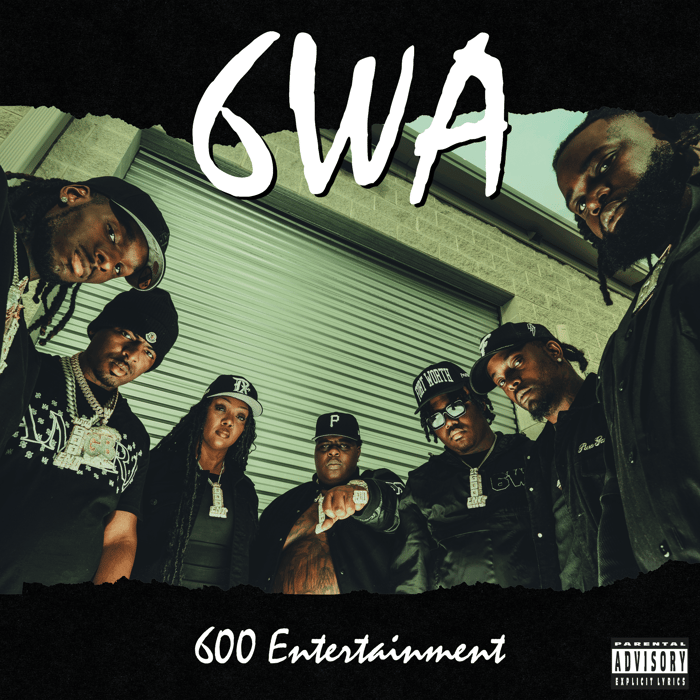
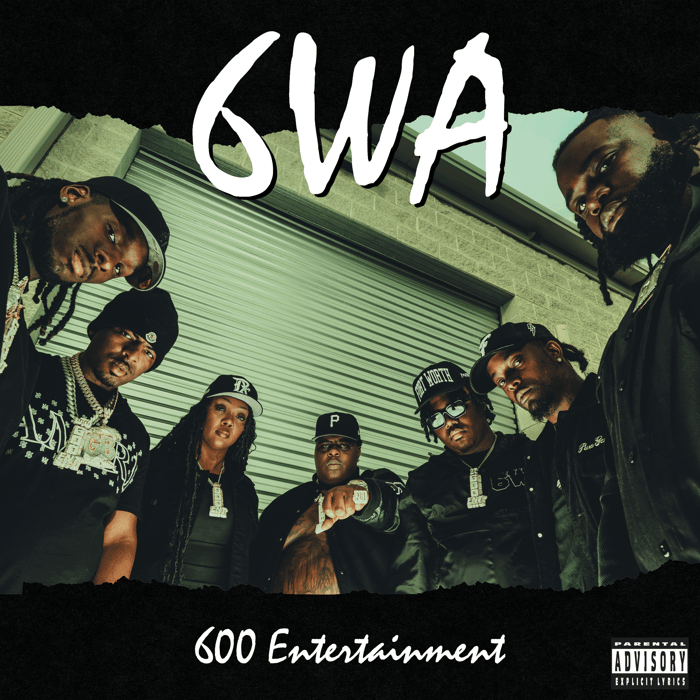
BigXthaPlug doesn’t ease into 6WA. It kicks the door, points at your expectations, and tells you they’re outdated. One minute he’s off an eight-month Nashville stretch that pushed him into chart noise; the next, he’s back in Dallas stacking four signees beside him and slapping an N.W.A-style visual statement right on the front.
And yeah—the whiplash is the whole idea. This is him proving he can pivot lanes without asking permission.
The real headline: BigX is signing his name to other people
The most important move on 6WA isn’t the samples, or the cover nod, or even the flexing. It’s BigX basically stamping “these are mine” across a lineup: Rosama, MurdaGang PB, Yung Hood, KevanGotBandz, and KaineMusic.
That’s what this feels like: not a solo victory lap, but an organizational flex. 600 Entertainment isn’t presented as a concept—it’s presented like a block you can drive through. The name traces back to the 600 block of Meadowridge Street in Ferris, Texas, and the album keeps pulling that thread even when it’s dressed in West Coast clothes.
Arguable take: the “group album” part isn’t the format—it’s the argument. BigX wants the listener to accept the camp as a unit, not a feature buffet.
West Coast samples everywhere… almost aggressively
The sound palette is packed with familiar DNA—chunks that clearly trace back to N.W.A, Eazy-E, Ice-T, Snoop Dogg, and that whole era of “you already know what this means” rap. You hear it in the choices: the way the album leans on recognizability like a shortcut to authority.
At first, I thought the sampling would make the whole thing feel like cosplay—Dallas trying on Compton’s jacket in the mirror. On second listen, it hit differently: the album isn’t asking to be mistaken for the West Coast. It’s using West Coast signifiers like a loud frame around a very Texas picture.
Still, the borrowing is heavy enough that it occasionally raises an awkward question: is this tribute, or is this a confidence issue? I’m not totally sure, and I don’t think the album wants to answer that cleanly.
Arguable take: the more obvious the references get, the less dangerous the record feels—because you start anticipating the move instead of fearing it.
“From the Bottom” is where BigX tells the truth on purpose
The first thing BigX does on “From the Bottom” isn’t threaten anybody—it’s talk money in a way that actually lands. Not abstract “I got rich” noise. A million dollars in cash, split up and handed straight to his mother. That’s a vivid choice: not “I bought her a house,” but “here’s the cash,” like he wants you to feel the weight and the risk and the immediacy.
Then he slides into the kind of motivation rap usually fumbles: kids, responsibility, the idea that without his son and daughter he’d still be in the street. It doesn’t sound like a press release. It sounds like a man insisting he’s not romanticizing the old version of himself.
“How you think we competin’? You on the same bag, I just made me some millions off country.”
That’s not just a flex. That’s him rubbing a career pivot in everybody’s face and daring them to call it corny.
Arguable take: this is BigX’s most effective kind of brag—when the flex has logistics, not just adjectives.
“Safe to Say” flips comfort into a victory lap
“Safe to Say” rides an “It Was a Good Day”-style feeling—one of those tracks where the beat itself tells you the point is relief. BigX runs through a morning that doesn’t turn into disaster: two phones, nobody locked up, the kids’ accounts looking right. Even the police stop ends in a warning, like the universe is briefly acting normal.
That’s the secret sauce: normalcy as luxury.
Rosama slides in and matches the vibe instead of trying to out-yell it. His verse is loaded with small domestic details—his girl cleaning his cuticles, twins playing peekaboo—like he’s purposely replacing rap clichés with the kind of quiet that only comes after chaos. Then the verse still keeps its street logic: seeing opps and nobody tripping, a lawyer call that ends with a case beat.
Arguable take: this track does more for the 6WA album than any of the gun talk, because it proves the crew can make “peace” sound hard.
Rosama is the camp’s best weapon besides BigX
If BigX is the anchor, Rosama is the personality. “Life of a Gangster” is the clearest example: he raps in third person like he’s writing a character study, riding low with blacked-out windows and a snub-nose revolver. The details are sharp, almost cinematic, and he never steps out of the voice.
He even drops a line like “Quick eraser like a number-two pencil,” which lands because it’s weirdly casual—like he’s telling you something alarming the same way someone tells you the potato salad is good.
Then “Long Live Fre$h” swerves and shows a completely different version of him—flashier, jokier, more reckless. That range matters on a group record, because otherwise everybody starts sounding like the same verse in different fonts.
Arguable take: Rosama’s willingness to commit to character makes the others sound a little safer by comparison.
PB, Yung Hood, KevanGotBandz, and KaineMusic: the crew tape actually has a crew
The title track hands MurdaGang PB his best moment: feds at the door at 6 a.m., cameras getting busted, dope getting flushed, a ram truck putting everybody on the floor. It’s not poetic, but it’s specific—and specificity is what makes street rap feel like reporting from inside the room.
Yung Hood’s “The Hottest” verse is basically a blunt list of reasons to keep hustling:
- nobody wants to be broke
- women cost money
- you might need bail
- home has to be straight
It’s funny in that “why are you saying the quiet part out loud?” way, and it’s also more honest than most rappers get when they try to justify the grind.
KevanGotBandz shows up on “Ain’t Never Slowin’ Down” with a detail that sticks: talking about his father getting caught up in dope while he’s sitting on $300K somewhere in the hills. That’s a particular kind of guilt—money in your hand, history still heavy—that crew projects usually skip because it kills the vibe. Here, it sharpens it.
Then KaineMusic comes in on the back half of “Who Dunnit,” introducing herself in third person—“Took flight just to show these hoes how to perform”—but the section is so short it feels like a trailer instead of a chapter. I wanted either more room or less teasing.
Arguable take: KaineMusic’s placement feels like the label saying “remember this name,” not the album saying “here’s a fully formed artist.”
The middle stretch flexes hard… and blurs a little
Here’s where 6WA starts acting like a crew tape on purpose: a run of flex tracks stacked close together.
“I Go” is basically Rosama and PB trading brands, guns, and food punchlines. Rosama’s “anemic, my iron tucked low in this shirt” is slick—clean wordplay, quick visual. PB claps back with “.223 with a clip ‘bout as big as a toddler” and the kind of ridiculous line that shouldn’t work but does: “I go Burger King, stay with that whopper.”
These songs move fast and don’t hang around long enough to get exhausting, which is smart. But I’ll be real: a few of them could swap verses and most people wouldn’t notice. That’s not a fatal flaw—it’s just what happens when the concept is “we have money and weapons” for four tracks in a row.
“Dopeman” works more like a chant than a story. “6ixer Party” brings in Snoop Dogg, and he does exactly what you expect: smooth, unbothered, basically showing up like a veteran guest who knows the camera is on.
BigX drops the night’s wildest overshare with: “She say she brought a friend too, well, I’m tryna put sausage on her dental.” It’s crude, sure, but it’s also revealing—this album isn’t trying to be tasteful. It’s trying to be loud enough that you can’t pretend you didn’t hear it.
Arguable take: the flex run is the album’s least interesting stretch, even when the lines are funny, because the stakes disappear.
The D.O.C. interlude is a blessing… and a challenge
Midway through, The D.O.C. (Tracy Curry) shows up for a spoken-word interlude. And it’s not just a cameo for clout—he sounds genuinely present. He thanks BigX for the tribute, then gives the kind of direct guidance that doesn’t come with a wink: this is DFW time. Do it like they do it down here. Leave breadcrumbs so the people behind you can eat. Keep God in your life.
It’s fatherly and generous.
And it also throws a spotlight on the album’s central contradiction: 6WA borrows heavily—the cover framing, the Eazy-E-era touchstones, the way “Amerikkka’s Most Wanted” opens with a direct “Boyz-N-The-Hood” lift, even Yung Hood saying “Flag on my left side, Crip until I die.”
But the parts that actually stay with me aren’t the borrowed West Coast signals. It’s the Dallas-specific air in the vocals: BigX talking Pleasant Grove, Rosama calling himself a country boy, PB describing a raid like it happened last Tuesday.
Arguable take: 6WA is most convincing when it stops trying to prove it studied the West Coast and just admits it’s from Ferris.
When the album smells like Texas, it finally feels like itself
BigX has a line on “The Hottest” about his father being the first person he knew who had chickens. Not code. Not metaphor. Actual chickens. And weirdly, that’s the kind of grounded detail that makes the harder stuff hit harder—because it reminds you these aren’t mythical gangsters, they’re people with families and strange childhood snapshots.
On “600 Degrees,” Rosama compares his chopper’s stutter to a speech disorder, PB claims he still has the block on his back even after leaving the city, and BigX closes it out like a mission statement: he used to spin and smack, now the plaques are platinum.
This is where the album quietly shows discipline: it’s about 32 minutes, and it doesn’t overstay. The production (Tony Coles, Rance, Charley Cooks) stays punchy—no bloated outros, no drifting. BigX also doesn’t crowd every song, which is a real choice. He gives his signees space to be heard, which is the whole point of a label-driven project.
Arguable take: the restraint is the flex—BigX doesn’t need to dominate the runtime because the roster is the message.
So what is the 6WA album actually doing?
It’s not reinventing rap. It’s not pretending to, either. It’s five rappers, good beats, a short clock, and a ton of lines you’ve heard in some form before.
But it sneaks in moments you won’t shake:
- handing his mom a million in cash
- cuticles getting cleaned while twins play peekaboo
- the blunt four-point explanation for hustling
- a raid scene described like an inconvenient morning appointment
I didn’t expect the domestic details to be the sharpest weapon here, but they are. They make the street talk feel less like costume and more like consequence.
Arguable take: the album’s best bars aren’t the toughest—they’re the ones that sound like real life leaking into the booth.
Conclusion
6WA is BigXthaPlug planting a flag for his whole camp while playing with another region’s iconography like it’s a set of power tools. When it leans too hard on the familiar West Coast blueprint, it risks feeling like imitation. When it lets the Dallas details breathe, it stops borrowing identity and starts showing one.
Our verdict: If you like tight, punchy crew tapes with recognizable samples, quick runtimes, and rappers who can still sound amused while talking serious, you’ll actually like the 6WA album. If you need originality on paper—or you get annoyed when homage starts looking like a Halloween costume—you’re going to roll your eyes by the middle stretch and never fully come back.
FAQ
- What does “6WA” mean on the album title?
It’s presented as a crew/area-coded statement tied to BigXthaPlug’s circle and the 600 Entertainment identity, with the whole project framed like a group banner. - Is 6WA a BigXthaPlug solo album or a label compilation?
It plays as a group release: BigX leads, but the point is putting his signees in real positions, not just quick features. - What kind of rap is on the 6WA album?
It’s gangsta-leaning crew rap with heavy West Coast-era sample choices, but the most memorable details are rooted in Dallas/Ferris life. - Which tracks hit hardest on first listen?
“Safe to Say” and “From the Bottom” stand out fast because they use specific life details instead of generic flex language. - Does the album feel too influenced by the West Coast?
At times, yes—the references are loud. But the project still feels most alive when it sounds like Texas talking through that borrowed framing.
If the cover art energy is half the reason you’re here, it might be worth grabbing a print that matches your wall to your listening habits. We keep tasteful album-cover-style posters over at https://www.architeg-prints.com.
 | DISCOUNTGET 30% OFF*Use code on your next order:
|
* This post may contain affiliate links, meaning we earn a commission if you make a purchase through these links, at no additional cost to you.