Art Monk Review: Patty Honcho & Wiz Kelly Turn Gatekeeping Into Jazz


 See more Architeg Prints stories on Google.
Art Monk Review: Patty Honcho & Wiz Kelly Turn Gatekeeping Into Jazz
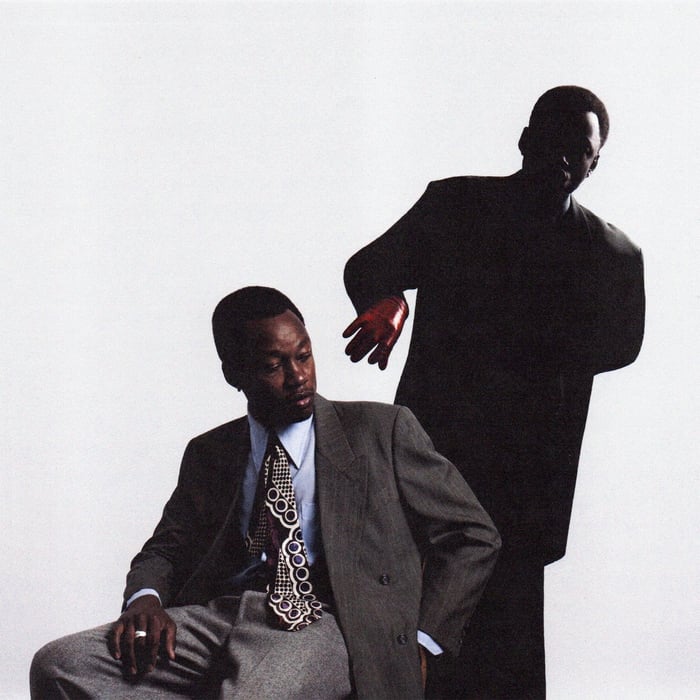
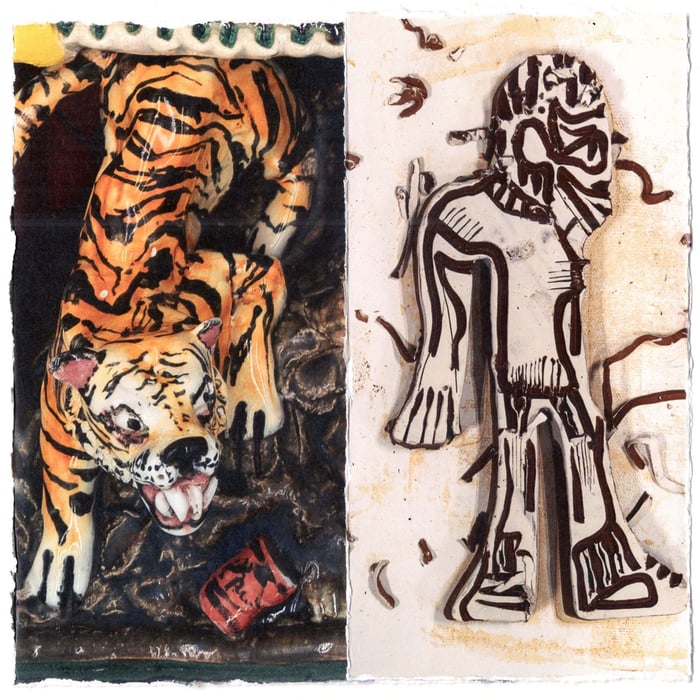
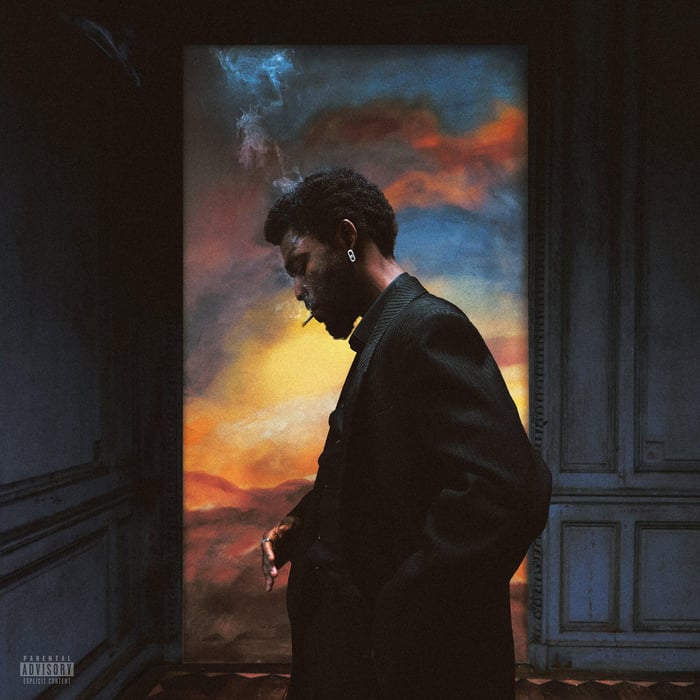
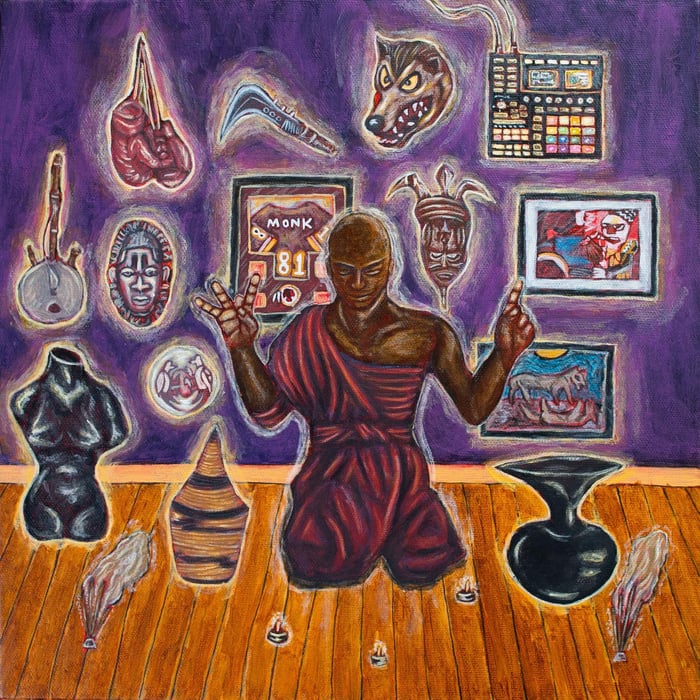
Art Monk is a bedroom-built rap album that worships craft, roasts tourists, and still slips up by admitting it wants love more than clout.
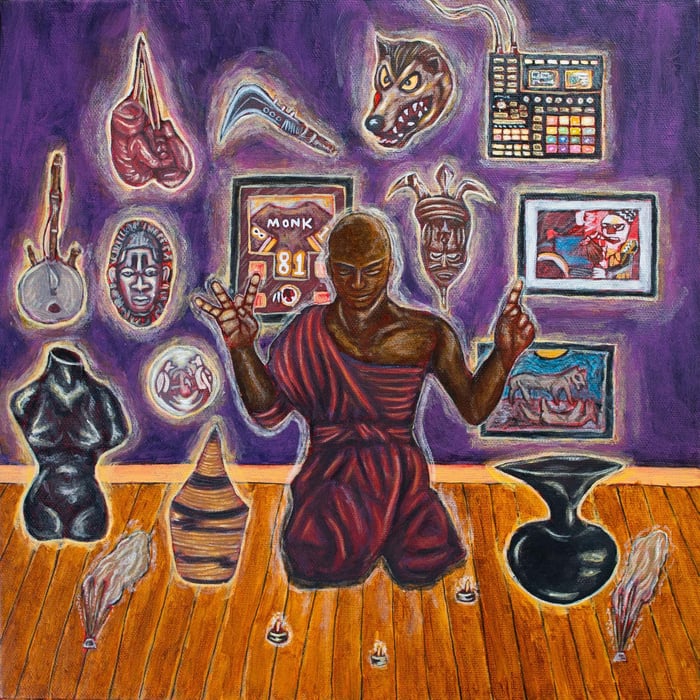
The title isn’t a tribute—it’s a dare
This record doesn’t walk in politely. It walks in like it owns the hallway, points at your shoes, and decides whether you’re allowed on the carpet.
Art Monk isn’t just a name-drop. It’s Patty Honcho collapsing “Art” the person and “art” the practice into one blunt little headline, like he’s saying: real greatness is quiet, steady, and ignored until it’s impossible to ignore. And yes, the album basically refuses to explain itself. It gives you one clue—then goes back to smirking.
Here’s the frame that hangs over the whole thing: Art Monk, the NFL receiver, got inducted into the Pro Football Hall of Fame in Canton in August 2008 and the crowd kept standing. Four minutes and four seconds of applause—longest in ceremony history, timed later by NFL Films. Eight years of waiting past his first eligible season. Voters passed him over because he wasn’t flashy, because the era loved louder guys. Meanwhile he retired with 940 catches, was the first player to hit 106 receptions in a season, and won three Super Bowls with Washington.
And then there’s the detail that makes the album title feel like a private wink: he’s also a first cousin once removed of Thelonious Monk.
Patty Honcho clearly loves that kind of legacy—earned late, argued over, undeniable when you finally look at the numbers. I think the album wants you to feel that same irritation: how many people get overlooked because they don’t do backflips for attention?
Wiz Kelly’s beats don’t “support” Patty—they test him
The next thing the album makes obvious: Wiz Kelly produced every track, and he’s not playing neutral. These beats don’t act like polite backdrops. They shift weight, they open and close doors, they dare Patty to keep up.
“Septa: Train of Thought” is the cleanest example of Wiz’s patience. It sits on a low, clipped loop that just keeps rolling, with a kick drum holding the shape for long stretches. Then a snare creeps in—then backs off again. It moves like commuter rail time: not dramatic, just inevitable. If you’re waiting for the beat to “drop,” you’re missing the point. The point is the ride.
“Dreams of a Pianist” does something sneakier. It pivots between a dusty soul chop and these breaks that feel like a room change—like the track steps through a doorway and suddenly the space is bigger. When Patty’s verses come in, it’s like Wiz rebuilt the floor between rooms so the rapper can walk across without falling through. That’s not “flexing production.” That’s architecture.
And then there are moments where Wiz and Patty stop pretending this is a formal studio album at all. “Introduction” opens with spoken-word—marble floors, heated tiles—like you’re being welcomed into a house that also happens to be a test. There are interlude-style segments too, where Patty talks to himself mid-session. I’ll admit it: my first reaction was, okay, here we go—another “my process is the art” thing. On second listen, it felt less like ego and more like a guy documenting the moment he convinces himself to keep going.
Still, not every skit-ish moment lands. A couple of those self-talk bits flirt with killing momentum, and the album is strong enough that it doesn’t need to prove it’s being made “right now.” But that’s a mild complaint—like criticizing a great meal because the plate is slightly too hot.
“The Art Monk” is where the crate-digging turns into a personality
“The Art Monk” sits in that mid-tempo pocket with chopped keys, and Patty uses it to show the kind of taste that isn’t performative—it’s borderline obsessive. He shouts out Horace Ott, the jazz arranger from South Carolina who scored for Nina Simone, the Shirelles, and the Village People. That’s not a reference you toss in to sound smart. That’s a reference you toss in because you actually care, and you’re daring the listener to care too.
That choice tells me what this album is really doing: it’s building a private museum and charging admission in the form of attention. If you don’t catch the references, you’re still allowed to listen—but you’re definitely being judged a little.
“Monk at the Masquerade” and “Arts of the Unknown” punch harder than the airier tracks. The kicks hit through the mix instead of letting the samples carry the weight. And Patty sounds like he knows it—his confidence spikes, like he can finally lean into the beat instead of tip-toeing around it.
The only “explanation” shows up at the end—and it’s on purpose
“Arts of the Unknown” ends with an old interview clip of the real Art Monk talking about the pressure of being Washington’s first number-one draft pick in twelve years. That’s the one time the album stops being coy and basically hands you the metaphor.
And it’s telling that the clip comes at the end of a track, not at the beginning of the album like some mission statement. This record doesn’t want to teach. It wants to see if you’ll keep listening long enough to earn the context.
I’m not 100% sure that decision works for everyone. Some people want the thesis up front. Patty would rather make you sit in the room first, then tell you why the room matters.
The women on this album aren’t trophies—they’re mirrors
A lot of rap writes about women like they’re either prizes or problems. Patty does something sharper: he writes about women like they’re specific human beings who expose different versions of him.
On “Introduction,” he meets a woman smarter than all his girlfriends. He doesn’t describe her with vague “bad” language—he pins her to pop culture: she looks like Maya from Girlfriends, she looks like Lynn, she looks like Joan. Then she drops a take that’s basically a compatibility test: Tha Carter III isn’t as good as Tha Carter II. Patty’s response is instant devotion—“I’ll buy everything in the mall for you.” It’s funny, sure, but it’s also telling. He hears taste and calls it romance.
On “The Art Monk,” there’s an Indiana woman who clears his fever—care, not conquest. Then the Chicago woman “touches the sky,” and he tucks a rebound punchline inside the brag, pulling in references to Caitlyn Clark and Angel Reese. He’s mixing tenderness with sports talk like it’s the same language. Honestly, it kind of is.
“Afterword: Outro” keeps that thread going but twists it. A Jamaican woman propositions him. A white woman named Cyrus—who looks like Miley—shoots her shot too. And both times he responds with this almost old-fashioned politeness: “thank you kindly.” He’s flattered, he respects the confidence, but he can’t do it.
Then the album darkens the joke just enough to make it sting. On “150,000 Hours,” he admits he’s at a point where he’ll force someone to love him. He just says it. No heroic framing. And he concedes he’s not mature enough for it. That’s the kind of self-own that makes the rest of the bravado feel less like posturing and more like defense.
This is also a gatekeeping album, and it knows it
The marble-floors concept from “Introduction”—remove your shoes, heated tiles, you’re welcome, but you’re a guest—doesn’t stay confined to one track. It becomes an attitude.
Half this album feels like an argument about who belongs in hip-hop and who should be asked to leave. And Patty’s gatekeeping streak runs hot enough to be funny, because he doesn’t even pretend he’s trying to be inclusive. He’s building a house, letting you in, and reminding you the whole time that it’s still his house.
On “Arts of the Unknown,” he brags that he inspired your inspiration and calls industry MCs amateurs compared to him. He goes for the kind of arrogance that only works if you can actually rap.
“I inspired your inspiration, baby, it’s clear to see / I’m at a height that the tallest man is probably scared to reach.” — Patty Honcho
“Monk at the Masquerade” wonders what hip-hop would say about vultures invading art—who gave them a proper stage in the first place. And on “Afterword: Outro,” Patty says his current view of the lane is disdain, that all he hears from other rappers is fodder bars. Then he tells them to put that same energy into finding their own swag instead of copying his.
The thing is: he’s not wrong and he’s not always charming about it. Sometimes the stance feels like it’s daring you to dislike him. But maybe that’s the point—if you want universal approval, you don’t make a heated-tiles album called Art Monk.
He does lighten it up, though. The jokes actually land more than they should: Chip Skylark references, Ryan Coogler namedrops, even a Simon Cowell punchline that has no right to connect but does. That weirdness is part of the album’s confidence: it doesn’t care if your idea of “cool” matches his.
The lone feature steals the room—and Patty lets it happen
“Path of Gems” is the only guest spot on the album, and KCxJones comes in swinging. It’s one of those feature verses that makes you sit up because the writing is dense but the cadence never gets tangled.
Jones crams Roman kings, polypropylene, Jeremy Renner, monastery burials, and an M. Night plot twist into a single sixteen. That should sound like a mess on paper. In practice, it’s controlled—like he’s stacking odd objects neatly just to prove he can.
Then Patty answers with a verse that gets stranger and more personal. He raps that anything government-funded is a crime business. He drops a crackheads-who-look-like-Biden’s-son punchline. And then he closes with the real question—the kind you don’t ask unless you’re actually bothered:
Does the woman he loves put him above her the way he puts her above rap?
And he doesn’t answer it. He just lets it hang there, which is the most confident part of the verse. A weaker rapper would tie it up with a neat moral. Patty leaves it unresolved, like he already knows the answer and doesn’t want to say it out loud.
The travel details aren’t set dressing—they’re the album’s pulse
The album’s geography is specific in a way that feels lived-in, not decorative.
“Septa: Train of Thought” is named after the Southeastern Pennsylvania Transportation Authority—the Philly commuter rail. The chorus talks about getting wisdom from riding that train, about blessings coming, but people still hitting you with your adolescent shame. That’s such an ugly, accurate feeling: you grow up, you improve, and somebody still remembers you as the version of you that didn’t know anything.
“150,000 Hours” keeps moving. Greyhounds run from Philly straight to 34th Street. He’s still pulling dime pieces in a Honda Accord. He wonders if anyone will rap at his wake when he’s ninety-plus. He wonders if his grandmother is still alive so they can eat pound cake together.
Those thoughts aren’t “content.” They’re the engine. This is what makes the album feel like more than bars over samples—Patty raps like a person with a commute and a memory, not just a persona.
And by the time the record wraps, it’s hard not to feel what it’s been aiming at the whole time: Patty Honcho raps from Paterson with a catalog deep enough to fill a milk crate, and Art Monk is the moment where his concept and his execution finally sit in the same room without arguing.
Where I landed (and where I didn’t)
I came in expecting the title to be a clever wrapper and nothing more. I left thinking the album is actually using that Art Monk story as a warning: if you’re steady, you might get ignored for years, and you still have to keep catching the ball.
But I won’t pretend every second is perfectly paced. A few interlude-style moments flirt with self-indulgence, and the gatekeeping angle can feel like it’s picking a fight with people who aren’t even in the room. Then again, maybe that’s what makes it entertaining—it’s opinionated enough to risk being annoying.
If you want the clean takeaway, here are the tracks that stuck to my ribs:
- “Septa: Train of Thought” — the commuter-loop hypnosis, and the shame-to-wisdom flip
- “Path of Gems” — KCxJones’ stacked-reference verse, and Patty’s unanswered love question
- “Afterword: Outro” — polite rejection as character development, plus the disdain monologue
Patty Honcho and Wiz Kelly made Art Monk like a house with heated floors: welcoming on the surface, but it’s also daring you to admit you don’t belong. The genius isn’t in explaining the metaphor—it’s in refusing to, because the album’s whole point is that craft doesn’t owe anyone a pamphlet.
Our verdict: If you like rap that’s sample-driven, reference-heavy, and slightly judgmental in a way that feels earned, Art Monk will feel like someone finally cleaned their room and turned it into a studio. If you need choruses to spoon-feed you, or you get itchy when a rapper openly gatekeeps “the lane,” you’re going to call this smug and move on—probably while wearing shoes on the marble floor.
FAQ
- What is the core idea behind Art Monk?
It treats “Art Monk” as a symbol of overlooked excellence—quiet work that eventually forces recognition, even if it takes years. - Does Wiz Kelly produce the whole album?
Yes, every track is produced by Wiz Kelly, and the sound stays sample-based while changing weight track to track. - Where does the album directly reference the real Art Monk?
At the end of “Arts of the Unknown,” there’s an interview clip of Art Monk discussing the pressure of being Washington’s first number-one draft pick in twelve years. - Is there much guest presence on the album?
No—KCxJones is the lone guest, appearing on “Path of Gems.” - Which songs are the best entry points if I’m new to Patty Honcho?
“Septa: Train of Thought” for the vibe, “Path of Gems” for the writing (and the feature), and “Afterword: Outro” for the album’s sharpest attitude.
If this album’s whole thing is “art that belongs on the wall,” you could take the hint and grab a favorite album-cover poster for your space. We keep it simple over at https://www.architeg-prints.com.
 | DISCOUNTGET 30% OFF*Use code on your next order:
|
* This post may contain affiliate links, meaning we earn a commission if you make a purchase through these links, at no additional cost to you.