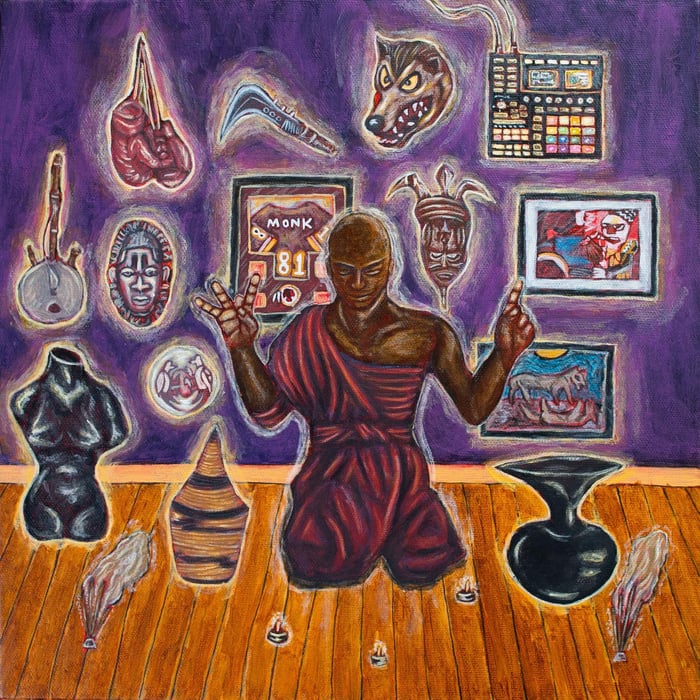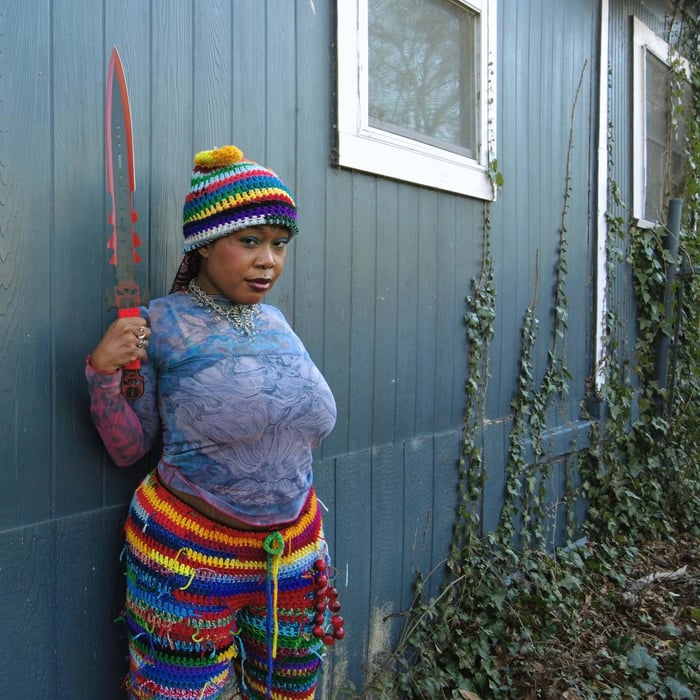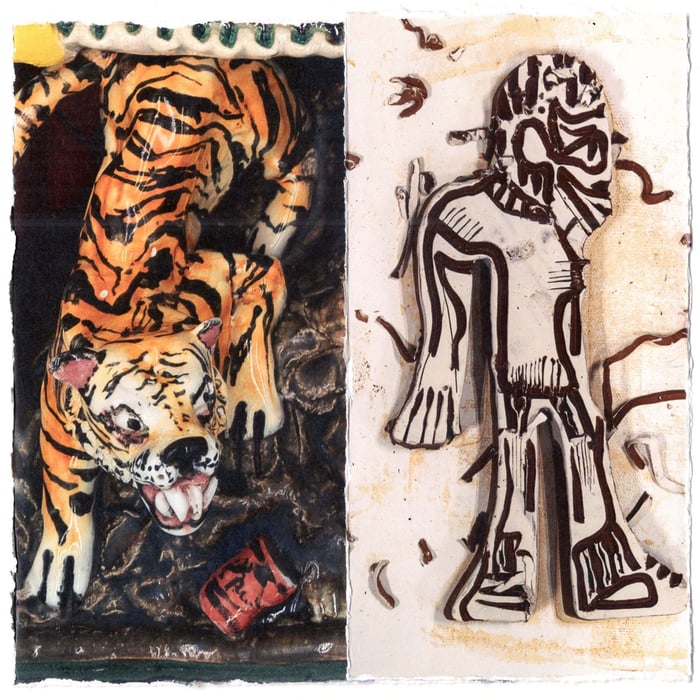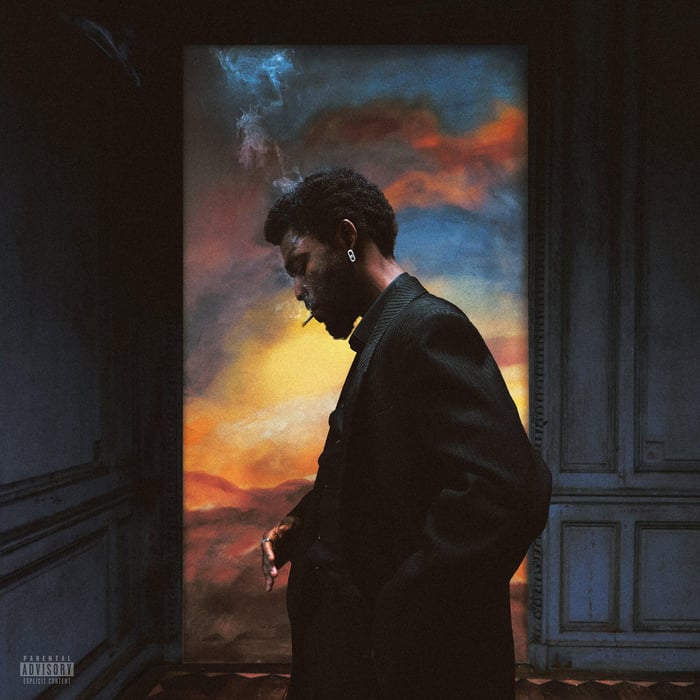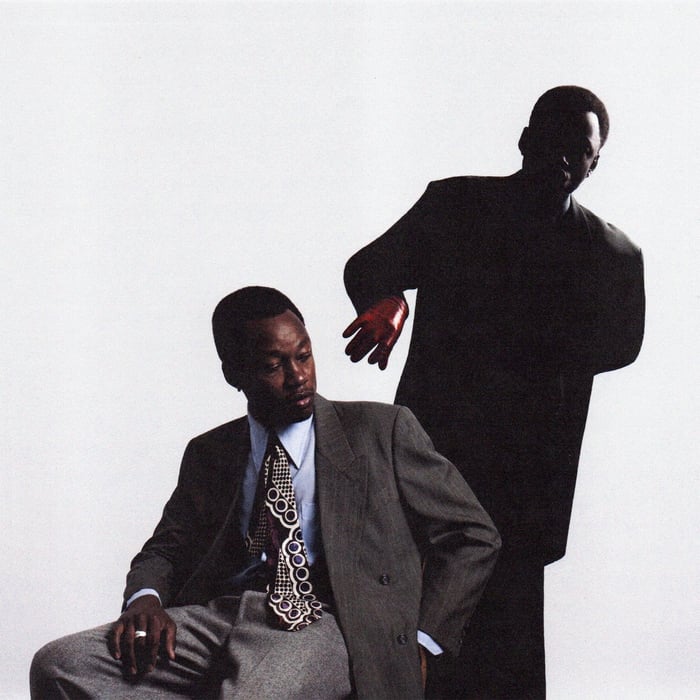
AJRadico say it again Album Review: Horny, Clever, and Stuck on Repeat


 See more Architeg Prints stories on Google.
AJRadico say it again Album Review: Horny, Clever, and Stuck on Repeat
AJRadico’s say it again album is a Queens-made plea for a text back—sharp beats, vivid scenes, and one habit that keeps derailing the point.
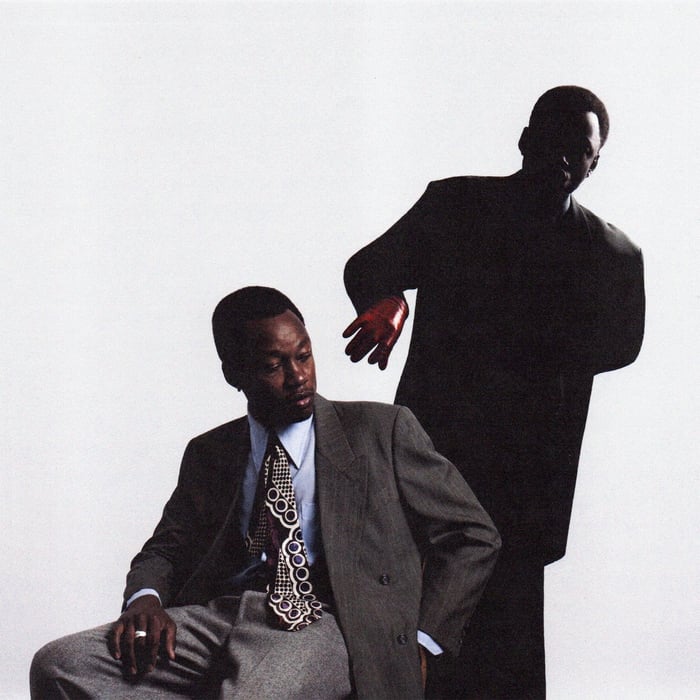
A record that starts mid-sentence (because it is)
This album doesn’t walk into the room. It’s already talking when you arrive, like you’re late to a conversation you didn’t agree to have.
The first thing that gives it away is the title: ... say it again ? The ellipsis and the question mark aren’t decoration—they’re the whole personality. This is a record built around asking, nudging, double-texting, circling back, and acting like that’s not what it’s doing. And yeah, that makes it instantly relatable… and also a little exhausting.
Where New York went, and where AJRadico didn’t
Here’s the backdrop you can feel without anyone spelling it out: between 2020 and 2024, young New York rap attention got vacuum-sealed around drill—those sliding 808s, sample-free thump, and UK-by-way-of-Brooklyn cadences that turned whole neighborhoods into brands overnight. One BPM, one pose, one viral angle, and suddenly a ZIP code has a signature sound.
AJRadico clearly heard all that and… swerved. This doesn’t sound like a guy chasing the drill lane. It sounds like a guy in Queens building his own little studio universe: making his own beats, rapping and singing on top, dropping loose tracks on Bandcamp like he’s leaving receipts, and taking side quests like showing up in a Telfar Paris Fashion Week film alongside Steve Lacy and Ashton Sanders. That’s not “industry plan” behavior. That’s “I’m doing my thing whether you catch it or not.”
And the “doing my thing” part goes deep:
- he started making beats around 2016
- he used to give them away for free
- he picked up the mic after people kept rapping on his instrumentals without permission
- his dad DJed parties and they made cassette mixtapes together
- his aunt played jazz
- he studied film at a Manhattan arts high school
You can hear all of that in the way the album edits itself—like scenes, like jump cuts, like the music is shot from angles instead of just “produced.”
The album’s real plot: ask a woman, get a response, repeat
The actual engine of this album is simple: AJRadico is constantly requesting something from women. It’s not one relationship stretched across a tracklist; it’s more like a carousel of conversations where the dynamic never changes. Different woman, same posture: he reaches, he asks, he waits.
Nearly every track is a version of that:
- “Rightaway” wants her time, her attention, basically the light of day.
- “How Long ?” asks how much rope she’s going to give him.
- “Tell Me” begs for affirmation—love, need, care—while also bragging about fumbling money and messing up her hair in the same breath, like he can’t decide whether he’s confessing or flexing.
- “Petroleum” ends the whole album by looping back to the thesis: “Would you be down? / Say it again.”
- and there are voicemail breaks—“Krazy Pt. I” and “Waste No Time”—where you’re basically eavesdropping on him trying to get through to someone who may or may not pick up.
An arguable take: this album isn’t “about women” as much as it’s about needing women to answer. The romance is almost secondary. The response is the drug.
When the setups are better than the payoff
Here’s where I started getting annoyed—mildly, but consistently. AJRadico keeps writing openings that feel human, specific, even funny… and then he yanks the steering wheel into the same destination: graphic sex bars. Every time.
“Coffee Date” is the perfect example. It starts with him asking her name twice so he won’t mispronounce it. That’s charming. That’s real. That’s the kind of detail that makes a song feel lived in instead of performed. Then, within a verse, he’s pinning her on a futon and slurping on her “like ramen.” And look—sex in rap isn’t the issue. Filthy records can be great front-to-back. The problem is the abandonment of whatever the song just set up.
“Freezetag” throws real tension on the table: it’s late, he needs space, he doesn’t want to hear her problems. That’s a real interpersonal moment—ugly, honest, specific. Then it bails on that tension for a kitchen-counter hookup at her grandmother’s condo. It’s like the song panics at the idea of staying emotionally complicated for more than eight bars.
By the time you hit:
- “Spell It Out”
- “How Long ?”
- “Take a Guess?”
- “Waste No Time”
…the pattern is basically tattooed on the album. Conversational setup, sharp turn into explicit sex, original subject evaporates. On “Waste No Time,” once the second verse rolls around—backshots, pancakes, lampshades, nightstands with cabernet—you can feel the record locking into its habit. The “setups” start sounding like paperwork you have to fill out before the hook arrives.
I’ll admit, I wasn’t sure at first whether that was the point—like maybe he’s intentionally showing how fast desire bulldozes meaning. But after fourteen songs, it doesn’t feel like commentary. It feels like a comfort zone.
The beats are the brag, and they earn it
The saving grace—no, the real flex—is that he produced every track himself, and the drum programming tells you exactly what he grew up admiring. You can hear that Timbaland/Darkchild kind of devotion in the way the rhythms don’t sit politely in a grid. Kicks hit where you don’t expect. Percussion rattles like it’s trying to start an argument. Hooks lean on sing-song phrasing that sticks even when the lyrics are just… whatever showed up first.
An arguable statement: AJRadico’s ear is ahead of his pen right now, and he knows it—that’s why the production keeps doing the emotional heavy lifting.
Specific moments that make the point:
- On “Rightaway,” the drums toggle between a stuttering hi-hat and a slower melodic phrase, giving him room to rap and sing inside the same bar. It’s like he built a beat that can forgive indecision.
- “Astray” (a duet with Tiberius Saint) strips down into a quieter 2000s slow-jam skeleton, with drums thinned to almost nothing. It’s not trying to impress you; it’s trying to pull you closer.
- And across the album, you can feel his process: sound first, lyrics last, words grabbed through freestyle momentum. The beats have personality; the vocals sometimes feel like they’re borrowing that personality instead of adding to it.
My revised first impression happened here: early on, I thought the production might be too busy—like he was over-decorating. But on repeat listens, it started sounding less like clutter and more like confidence. He’s not filling space. He’s controlling it.
When it clicks, it’s because the scene is real
The best songs are the ones where AJRadico stops sprinting toward the same payoff and actually lets a situation breathe.
“Komforter” is the clearest full picture on the album. She’s writing her thesis, laid out on the couch in his t-shirt. He’s in the den with friends trying to re-up. That’s a scene you can see without squinting. The love-song promise—“I’ll be your comforter for real”—lands because the room is built first. And Khal!l shows up with a verse that matches the energy without trying to hijack the track, which is rarer than it should be.
“Remember ?” is AJRadico at his least guarded. He admits he looked at other women and still couldn’t find anybody like her. He’s flipping through pictures. He asks, “what’s a thug without a ride-or-die?” He swears he’ll get better at communicating. It doesn’t feel like performance; it feels like someone talking slightly too late.
And then there’s “Krazy Pt. I,” which has the sharpest writing on the record because it finally sounds like asking costs him something:
“Why you paint me like the bad guy?
Why you frame me like I’m fragile?
Why you treat this like a pastime if we steady banging till we pass out?”
Those lines don’t “solve” anything. They’re confusion with teeth. Then the voicemail hits, and the energy changes—he’s not seducing, he’s trying to end the cycle. That’s the one moment where the reaching doesn’t feel like a routine. It feels like risk.
An arguable take: the album is at its best when it stops trying to be sexy and accidentally becomes honest.
Nostalgia breadcrumbs and neighborhood stamps
The pop-culture nods run through this thing like little neon pins on a corkboard: Kenan & Kel, Kim Possible, Nickelodeon’s All That, Attack on Titan, Forza, Monday Night Raw. It locks him into a specific generational pocket—late-’90s cable kid who graduated into anime and racing games and kept the references because they still feel like home.
There are also clear neighborhood stamps:
- a Sutter Ave shout on “Take a Guess?”
- the “Katalogue” crew tag showing up on “How Long ?,” “Referral,” and “Krazy Pt. I”
An arguable statement: those references aren’t “cute”—they’re how he proves he’s not roleplaying a persona. He’s anchoring the music in the stuff that raised him, even when the songwriting drifts.
And that drift is the whole tension here. Women are the subject on every song. The mood is consistent. The ear is legit. But the writing only sometimes stays long enough on an idea to make it matter. When he uses concrete detail, you lean in because you want to know what happens next. When he doesn’t, the track still sounds good—but it feels like it’s refusing to finish its own thought.
If I’m being blunt: a handful of these songs slide into a playlist easily. The rest feel like proof of concept—he can hold a vibe, but he hasn’t fully learned how to hold a subject.
Conclusion
... say it again ? plays like a talented producer-rapper testing how far mood can carry a conversation before the conversation collapses into habit. When AJRadico builds an actual scene—“Komforter,” “Remember ?,” “Krazy Pt. I”—the album stops looping and starts living.
Our verdict: People who love slick, personality-heavy production and don’t mind the lyrics treating romance like a call-and-response game will eat this up. People who need songs to stay on topic (or at least evolve past the same bedroom detour) are going to feel like they’re watching someone retype the same text message fourteen different ways—just with nicer drums.
FAQ
- Is say it again more rap or more R&B?
It’s rap-brained with R&B instincts—he raps and sings, sometimes in the same breath, but the hooks and bounce lean melodic. - Does AJRadico produce the whole album himself?
Yes. You can hear it in the consistency of the drum choices and the way every track feels built from the same hands. - What tracks show the best writing?
“Krazy Pt. I” has the sharpest lines, “Remember ?” is the most exposed, and “Komforter” paints the clearest scene. - What’s the main weakness across the tracklist?
Too many songs set up an interesting premise and then abandon it for the same explicit payoff, which starts to feel predictable. - Is this a one-story album about a single relationship?
No—it hops between different women song to song, but the dynamic stays the same: he’s reaching, asking, waiting for a response.
If this record put a specific image in your head—couch scenes, late-night voicemails, old TV nostalgia—getting a favorite album cover poster is a pretty fitting way to keep the vibe around. If you want, you can browse prints at Architeg Prints.
 | DISCOUNTGET 30% OFF*Use code on your next order:
|
* This post may contain affiliate links, meaning we earn a commission if you make a purchase through these links, at no additional cost to you.