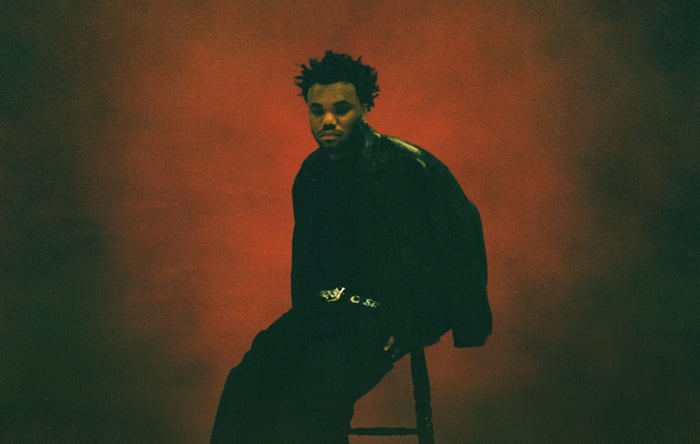
Baby Keem CA$INO review: a focused return shaped by family and pressure


 See more Architeg Prints stories on Google.
Baby Keem CA$INO review: a focused return shaped by family and pressure
CA$INO review charts Baby Keem’s first full-length statement since 2021, trading restless pivots for mood, memory, and a steadier sense of control.
Album context and release frame
Baby Keem’s CA$INO arrives after a long gap between full-length releases, following 2021’s The Melodic Blue. The time away doesn’t register as absence so much as a deliberate pause: the album behaves like a return planned in advance, not a scramble to re-enter the room.
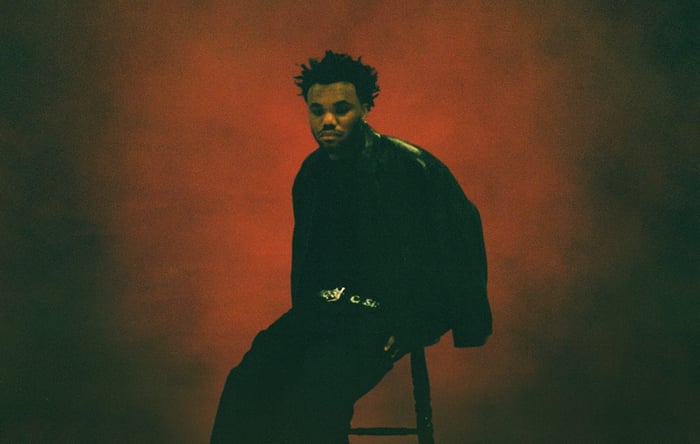
What the five-year gap sounds like in practice
The record opens with the posture of someone who has been nearby the whole time, but not obligated to provide updates. Keem’s profile hasn’t exactly gone dark—movement continues around him through touring and collaborations—yet CA$INO presents itself as the first clean, uninterrupted statement in a while, with the writing and pacing suggesting he’s no longer interested in being treated as an extension of anyone else.
That shift isn’t announced with speeches. It’s handled through follow-through: fewer detours, fewer “look what I can do” swerves, and a stronger sense that each track is meant to live where it lands.
A tighter sound: atmosphere first, chaos on a schedule
Where The Melodic Blue often ran on youthful restlessness—switching tones like it was trying to keep itself entertained—CA$INO prefers cohesion. The production settles into spacey textures, dusty samples, and low-end that arrives with the reliability of infrastructure. The album keeps a moody, late-hour feel without leaning on melodrama; it simply maintains pressure.
Several tracks make that approach obvious:
- “Birds & The Bees” moves with a smooth glide, letting warmth and punch coexist without forcing a decision. The drums hit, but they don’t interrupt; they just do their job.
- “CA$INO” (title track) stacks ghostly choir-like tones over club-ready percussion, creating a steady tension between reflection and bravado. Nothing explodes. It just stays active, like a room where people keep talking after the lights dim.
This is not a record that sounds confused about what it wants to be in the next 30 seconds. It prefers to keep the same weather system overhead and measure what happens inside it.
Lyrics that stay on task: family, loss, and the cost of momentum
Keem’s writing here comes across as more deliberate—less interested in throwing lines at the wall, more interested in recording consequences. Much of the album circles family, pressure, and the emotional fallout that follows early success once the noise quiets down.
“No Security” functions as an entry point into his self-imposed distance from the industry, and it doesn’t romanticize the break. He marks the passing of his uncle, then turns toward his mother with a line that lands like a blunt, everyday observation:
“look at me just like she’s goin’ to the bank”.
The lyric doesn’t beg for sympathy; it documents the transactional tension that money can introduce into a family dynamic, even when nobody asked for an accounting department at home.
Las Vegas sits in the background across the album as more than a location tag. On “I Am Not A Lyricist”, the city is treated as both origin point and ongoing complication. Keem describes his late mother’s struggles with substance abuse and the consequences that followed the move from Long Beach to Nevada, putting the setting to work as an environment that enables certain habits and doesn’t apologize for it. The line
“On the Strip with them demons and they all plotted on me / Everything ’bout that dirty desert took you away”
reads less like metaphor-hunting and more like a practical statement: a place can be loud, bright, and still function as a slow removal of stability.
The album’s emotional material doesn’t arrive as confession for confession’s sake. It’s presented like paperwork that has to be filed—because it exists, because it happened, because it continues to affect the day’s operations.
Irreverence still included, now used as pacing control
For all the inward-looking material, CA$INO makes room for Keem’s familiar irreverence—only now it’s deployed like a valve, not a personality requirement.
“House Money” runs on cocky swagger, with Keem delivering lines that treat status symbols as optional expenses. The lyric
“N***as know my name, what the fuck I need the chain for?”
lands as functional arrogance: not an attempt to charm, just a way to establish that he’s no longer auditioning for recognition.
Meanwhile, “Birds & The Bees” approaches love and sex with humor and a certain awkward charm. It doesn’t clean up the discomfort or pretend the subject is elegant. Instead, it treats romantic fumbling as a normal human condition—an everyday mess that can coexist with grief, ambition, and family stress without needing to be separated into different albums.
These lighter flashes don’t dilute the record. They keep it from becoming a single-note document of burden, and they preserve Keem’s unpredictability without returning to the constant volatility of the debut.
Features and proximity: Kendrick Lamar appears, but doesn’t steer
One of the more noticeable operational differences from The Melodic Blue is how CA$INO handles Kendrick Lamar’s presence. Where the earlier album included moments that made the co-sign feel like an event—big, hard-hitting appearances built for headlines—this record keeps Lamar’s involvement understated.
Lamar shows up with:
- a feature on “Good Flirts” alongside Momo Boyd
- a writing credit on “House Money”
The key point is not that Lamar is absent, but that the album doesn’t behave as if it needs him to be louder. Their chemistry remains detectable, yet CA$INO doesn’t lean on outside validation to justify its existence. It moves as if Keem is comfortable occupying the center of his own material, even when prominent collaborators are nearby.
In practical listening terms: the record doesn’t pause to point at its guests. It keeps going.
The album’s through-line: inheritance, independence, and staying functional
Across the tracklist, certain themes keep returning in different forms: inheritance, independence, and emotional survival. Fame is treated less like a victory lap and more like a condition to manage—something with side effects that need monitoring.
If the debut album carried the buzz of possibility, CA$INO carries the weight that follows once possibility turns into a job with consequences. The music repeatedly frames success as something that changes family dynamics, personal safety, and internal expectations, often without anyone formally agreeing to the new terms.
By the time the record ends, it doesn’t feel like Keem is still trying to prove he belongs. The album functions as a document of what he chooses to talk about once he no longer needs permission to speak.
Details
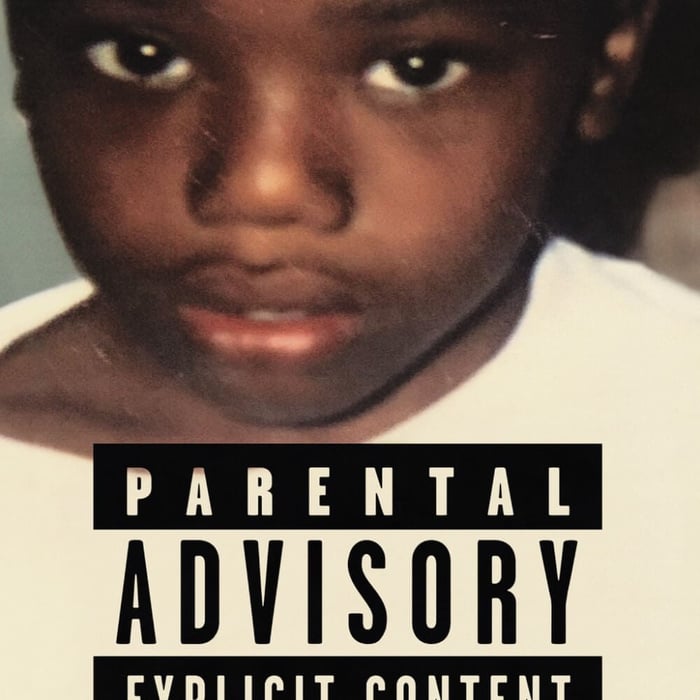
- Record label: pgLang / Eerie Times / Columbia Records
- Release date: February 20, 2026
FAQ
- What is the core focus of this CA$INO review?
This CA$INO review describes how the album maintains a cohesive, moody sound while emphasizing family, pressure, and the after-effects of early success. - How does CA$INO differ from The Melodic Blue in feel?
CA$INO plays more focused and atmospheric, with fewer abrupt pivots and a stronger sense of low-end-driven cohesion. - Which songs show the album’s balance between introspection and humor?
“No Security” and “I Am Not A Lyricist” lean inward, while “House Money” and “Birds & The Bees” introduce swagger and awkward humor to control the weight. - Is Kendrick Lamar central to CA$INO?
His involvement is present but understated: a feature on “Good Flirts” (with Momo Boyd) and a writing credit on “House Money,” without the album relying on him for momentum. - When was CA$INO released and who released it?
It was released February 20, 2026 via pgLang, Eerie Times, and Columbia Records.
If you want the CA$INO era to exist on a wall as calmly as it exists in your headphones, you can shop album cover posters at our store: https://www.architeg-prints.com.
 | DISCOUNTGET 30% OFF*Use code on your next order:
|
* This post may contain affiliate links, meaning we earn a commission if you make a purchase through these links, at no additional cost to you.