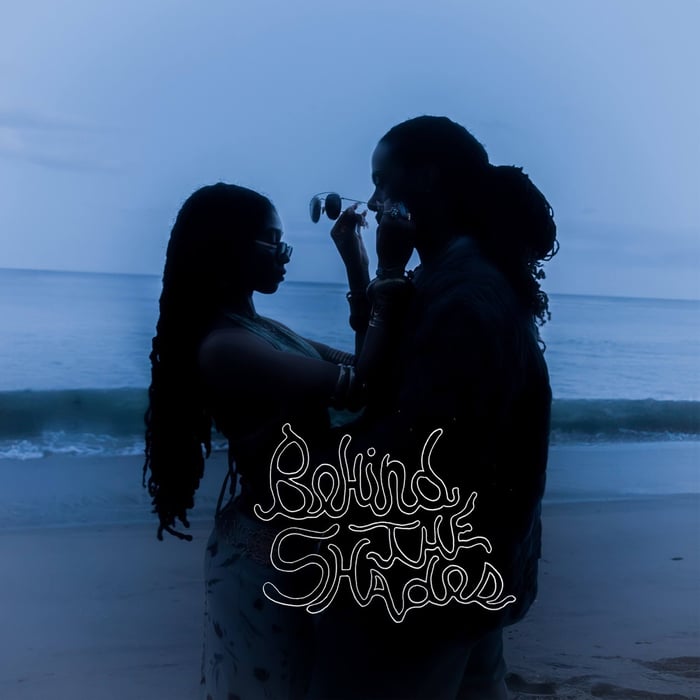
Behind the Shades Review: Chris Crispy’s Soft R&B That Refuses to Text Back


 See more Architeg Prints stories on Google.
Behind the Shades Review: Chris Crispy’s Soft R&B That Refuses to Text Back
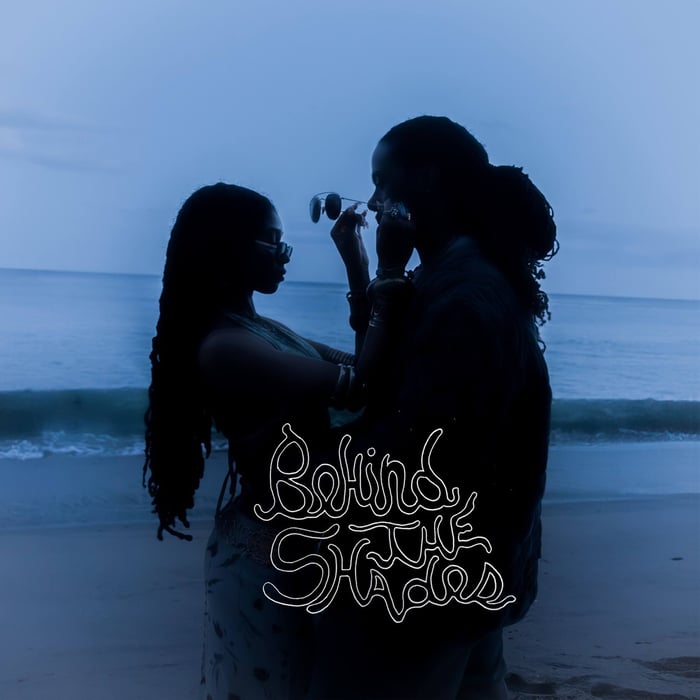
Behind the Shades is a 27-minute slow-burn of professional-grade R&B where desire stays vague on purpose—and that’s either the charm or the problem.
A Record Built in Los Angeles, Where Feelings Wear a Badge
Los Angeles makes a certain kind of musician: the kind who clocks in, nails the take, and keeps the mess off the floor. You can hear that “working professional” DNA all over Behind the Shades—not because it sounds sterile, but because it sounds controlled. This is R&B made by someone who understands how records are assembled, how grooves are staged, how softness can be engineered without turning into background mush.
Christopher Allan Smith—known for years as Chris Crispy behind the glass and behind the kit as the drummer for The Internet—steps out front here with a debut solo statement that’s only 27 minutes long. That runtime feels intentional, like he’s refusing to over-explain himself. The album’s whole deal is wanting someone and still not quite saying it. Not because he can’t write the words, but because he seems addicted to the tension of almost-confessing. It’s romantic in the way a locked door is romantic: the point is that you can’t get in.
And yeah, I’ll admit it—I assumed “soft, languid R&B from a longtime session-grade pro” might mean a tasteful snooze. On second listen, it’s not sleepy. It’s evasive. Big difference.
“Angel” and the Art of the Gentle Corny Line
The first real tell is “Angel.” He leans into charm like he knows it’s slightly embarrassing and does it anyway. Lines like “did it hurt when you fell from heaven” land with that classic slow-jam corny sweetness—except he delivers them like he’s not trying to impress anyone. That’s the trick: he makes the line feel less like a pickup attempt and more like a confession he’s rehearsed in private and finally risked saying out loud.
“Did it hurt when you fell from heaven”
The song plays like a lover’s plea: promise I’ll be true, don’t let her slip away, please forgive me if I sin today. The groove stays laid-back, unhurried, like he wants the track to feel like a late-night conversation where neither person wants to be the first to hang up. The vibe turns the girl into an idea—light, untouchable—and him into the guy who can’t stop orbiting it.
It works, but it also reveals the album’s main habit: he keeps his desire poetic and slightly foggy, like clarity would ruin the mood. A reasonable listener might call that seductive. Another listener might call it dodging.
“Hidden Feelings” Is the Album’s Most Honest Avoidance
The bridge from “Angel” to “Hidden Feelings” is basically: okay, so he’s smitten—now watch him try to manage being smitten.
This one doubles down on the concept of wanting to say something and building a whole plan around not saying it yet. He wants to tell her in person, not in a letter, not in some neat paragraph he can edit. There’s a line that pretty much exposes the entire record’s psychology: “I know a thing you don’t / You might feel the same / At least I hope.” That’s the emotional posture here—hope dressed up as strategy.
And then he bails on the strategy. He slides into those la-la-las and it turns into a full confession anyway, like the mouth moves before the brain can stop it.
Syd shows up on “Hidden Feelings,” and her presence matters because she doesn’t sound swept away—she sounds calm, like she already knew where this was heading. When the song arrives at “Now you know / But do you feel the same?”, her cool-toned response at the end doesn’t feel like a dramatic “yes” or “no.” It feels like the adult in the room answering a nervous question without feeding the panic. If you came here for fireworks, you might find that underwhelming. I think that restraint is the point: the album isn’t about winning love, it’s about surviving the wait for it.
“My Mind” Turns Loneliness Into a Routine (With Manners)
From there, the record drifts into “My Mind,” and the hook is basically a tiny portrait of avoidance: “I’m rolling dice getting high every night.” Not as a big tragic spiral—more like: this is what I do when I don’t know how to be direct.
The melodies in the verses tug at something like strength versus reality, but he never makes a speech out of it. He lets the notes do the work. And honestly, the funniest thing about “My Mind” is how polite he is while clearly unraveling. The invitations to love are delivered with gentlemanly care, like he’s holding the door open for someone while emotionally falling down a staircase behind his eyes.
I’m not totally sure if that contrast is intentional or just his natural vibe—but either way, it lands. The song suggests he’d rather keep everything sweet and courteous than risk being exposed as needy. That’s a very specific kind of Los Angeles heartbreak: immaculate presentation, messy interior.
“Yellow Brick” Is Where the Dream Actually Goes Somewhere
The next pivot makes sense: if real life is too blunt, escape into metaphor. “Yellow Brick” carries the same smoke-haze as “My Mind,” but it opens with this odd salutation of the song’s “weirdos,” and then it drops into a full narrative set in the land of Oz.
Two lovers stroll through that landscape, passing the scarecrow, lion, and tin man—each searching for a brain, a heart, and a soul. It’s not subtle, but it’s not supposed to be. The album’s been dodging directness so long that when it finally commits to an image, it commits hard. There’s an epiphany—“This life is but a dream”—and then the lovers go looking for a castle in the sky to call their own.
Here’s the thing: this is the one “high” on the record that actually goes somewhere. It’s escapism with a map, not just a fog machine. Once he commits to dreamland, he writes the journey cleanly, detail by detail. If you only hear one track and want the album’s thesis in miniature, “Yellow Brick” is it: he can’t say the thing straight, so he builds a world where the thing is safer to admit.
A fair critique: the Oz imagery risks feeling a little precious. But it’s also one of the few times the album stops hovering and actually walks forward.
“Nothing Serious” Pretends It’s Casual, Then Acts Like a House
After the dreamy drift, “Nothing Serious” shows up pretending it’s light. It’s co-produced by Bobby Earth, and it plays like two people trying to keep it chill while describing a relationship that’s clearly not chill at all.
They trade lines about wanting to grab hold of each other: go get lunch, rub bellies, talk like adults who are comfortable in each other’s space. Smith’s delivery keeps it warm, and there’s a specific kind of romance in how domestic it gets. Not candlelit drama—more like: we worked hard, now let’s enjoy the place we built.
He even pulls Bobby Earth into lines like “I’ll go get paid / Only if you want me to,” which is a wild sentence if you stare at it too long. It’s devotion dressed up as consent and productivity. If that sounds like a compliment, it is. If it sounds like he’s bargaining with himself, it also is.
This song is where the album’s professional sheen really pays off: the vibe is pretty and scenic, like he’s walking you through a new house he’s proud of. And then he starts rhyming as if romance is easiest when it can be structured—like rooms, like plans, like something you can point at and say: we made this.
“FML” Drops the Lights and Lets the Bass Do the Guilty Talking
The follow-up, “FML,” is the darker turn, and it doesn’t overplay it. He admits to losing love and starts asking the annoying question you ask yourself when it’s already over: was it lust, or did I just have fun?
His voice gets a little stammery here—less smooth confidence, more caught-in-the-throat honesty. He concedes he can’t get back the time that’s been lost, and the sweetness that comes easily elsewhere only shows up in fragments. The synth-bass sits heavy under the track, not flashy, just weighty—like a thought you can’t set down.
If the earlier songs are about wanting, “FML” is about the hangover of wanting. It’s not melodrama. It’s that specific regret where you don’t even trust your own memory of what you felt.
“Ahhhh” Goes Wide—But Keeps the Words Weirdly Small
From that darker pocket, the album slides into “Ahhhh,” which feels like the widest moment here in terms of ambition and space. The setup is plain: a couple dull days at work, then he drives out to see her under a sky full of stars, staying up all night, ready to break rules and change the game for one night.
And then… he doesn’t really do it. Instead of the big romantic leap, he lands in the middle of the night with “Rock or soul / We’re all the same.” That line feels like a shrug when you wanted a sentence. He circles the idea of her without giving her any sharp edges.
The closest he gets to describing her is this tossed-off line—“She’s got the coolest way about her size”—and it’s so casual it almost sounds accidental. Like he’s scared that describing her too clearly will make it real, and making it real will make it risky.
This is where the album slightly loses me. Not because it’s bad—because it’s almost brave and then chooses comfort. I kept waiting for the song to cash the check it wrote in the first verse.
“You Know” Finally Admits the Trap Is Self-Built
The bridge to the closing stretch is simple: after all that soft-focus longing, he finally has to look straight at the problem. “You Know” is where things come into focus, and he admits he’s got a heart issue. He can’t guard it. She leads him on and on, and he frames her pull like a siren—glitz and glamour that lead to regret and sleepless nights.
This track is less about fantasy and more about consequence. He’s been there for her late-night conversations, and that’s all he can do. The words still can’t fully convey the depth of what he feels, but you can hear him trying harder because the situation is uglier. He tries to let go and fails. He folds, then dives off again, waiting on tides that never turn.
“He has more language for the scenario where he’s stuck than he does for the scenario where he’s happy.”
If Behind the Shades is “soft,” it’s not because it’s easy—it’s because softness is the disguise he uses to survive wanting too much.
Conclusion
Behind the Shades doesn’t build toward a grand confession. It builds toward the admission that confession might never come—and Chris Crispy seems weirdly comfortable living in that almost-space. The album’s best moments (“Hidden Feelings,” “Yellow Brick,” “You Know”) prove he’s not afraid of emotion; he’s afraid of finality. And that’s a very specific kind of romance: not the kiss, but the walk home rehearsing what you should’ve said.
Our verdict: People who like R&B that’s sly, hazy, and emotionally cautious will eat this up—especially if you enjoy tension more than payoff. If you need big hooks, loud declarations, or lyrics that actually land the plane, you’re going to get impatient and start writing his texts for him.
FAQ
- What is the core mood of Behind the Shades?
It feels like late-night longing that keeps clearing its throat instead of speaking—soft grooves, restrained vocals, and a lot of almost-confessions. - Which tracks hit hardest on first listen?
“Angel” pulls you in with charm, “Hidden Feelings” makes the concept feel real, and “Yellow Brick” is the most vivid narrative swing. - Does Syd’s feature change the album’s energy?
Yes—her calm presence on “Hidden Feelings” adds a cool counterweight, like someone finally answering the question he’s been dodging. - Is this album more about romance or regret?
Both, but the romance is mostly imagined and the regret feels lived-in—especially once “FML” and “You Know” arrive. - What’s the main criticism someone might have?
The record sometimes keeps things so vague and gentle that a few moments (“Ahhhh,” especially) flirt with withholding too much.
If you want a physical reminder of this album’s clean, dreamy tension, you can always shop a favorite album cover poster at our store: https://www.architeg-prints.com/ — it fits the whole “soft presentation, loud feelings” theme nicely.
 | DISCOUNTGET 30% OFF*Use code on your next order:
|
* This post may contain affiliate links, meaning we earn a commission if you make a purchase through these links, at no additional cost to you.