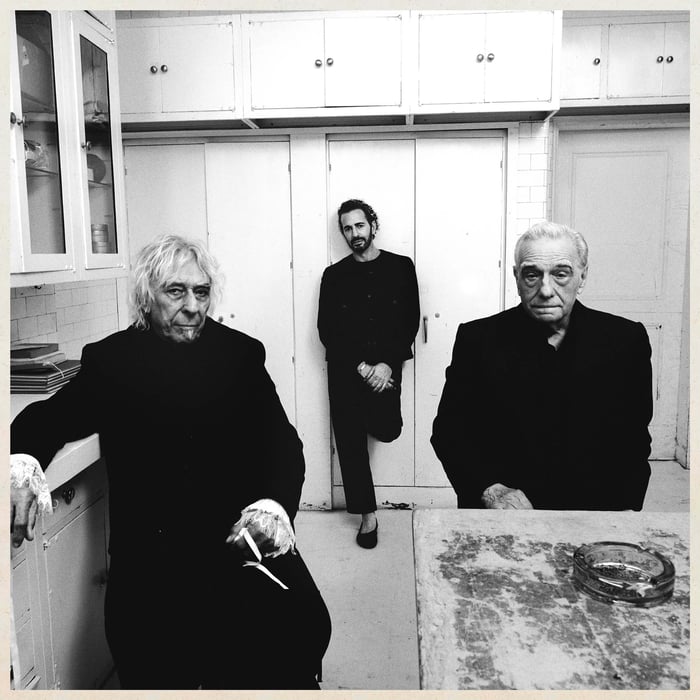
Charli XCX “Music Fashion Film” Review: Pop Star Tries to Quit—Loudly

 See more Architeg Prints stories on Google.
Charli XCX “Music Fashion Film” Review: Pop Star Tries to Quit—Loudly
Charli XCX turns Music Fashion Film into a frantic identity audit: marriage, runway hell, acting envy, and jokes sharp enough to draw blood.
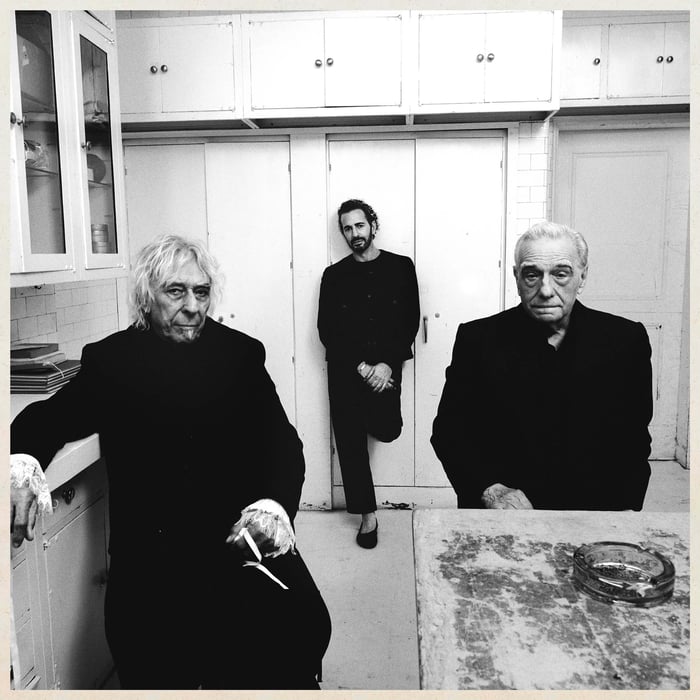
No break, no reset—just more Charli in the same room
If you came here expecting a cooldown lap after Brat, you can basically throw that idea into the nearest industrial fan. Music Fashion Film doesn’t sound like a vacation album; it sounds like someone re-opening the same project file because they don’t know what else to do with their hands.
The setup is blunt: she’s back with long-term collaborators A. G. Cook and Finn Keane, knocking out quick songs built from processed guitar, digitally mangled vocals, and electronic beats that mostly refuse to “drop” in the polite, crowd-pleasing way. And the real subject isn’t “fame” in general—it’s the specific horror of spending most of your life performing a version of yourself, then realizing you can’t locate the original anymore. A reasonable person could say this is indulgent navel-gazing. I’d argue it’s worse than that: it’s her admitting the navel is the only landmark she can still trust.
“Rock Music” and “SS26” are jokes… that keep bleeding
Here’s the trick Music Fashion Film keeps pulling: it throws a punchline and then refuses to let you relax. On “Rock Music,” she declares the dance floor dead—then goes full cartoon self-destruction anyway, banging her head until she gets nerve damage, daring a friend to jump off the stage and basically “hope the crowd catches you,” and shrugging if they don’t. That shrug is doing a lot of work. It’s not nihilism for aesthetics; it’s her testing whether anything still registers as real.
“SS26” aims the camera at fashion-world apocalypse energy. She struts a runway that feels like it leads straight to hell while spring collections roll out like the world isn’t collapsing. And she plays PR chess with herself, tossing out lines like:
- “Think my politics could work as a press strategy”
- “And my heritage could give me quite the USP”
No specific scandal gets pinned to the board. That’s the point. The album cares less about what happened and more about the ritual of reaction: deny, draft the Notes-app apology, re-emerge immaculate as long as the outfit is steamed. Someone might argue she’s being flippant. I think she’s being accurate—and accuracy just sounds flippant when you say it out loud.
“Camera” is the album’s real pivot: acting as emotional self-harm
“Camera” is where the record stops smirking for a second and actually lunges. It’s accessible in a way that feels intentional—like she wants the door unlocked so the uncomfortable question can walk in without knocking.
She goes to a film set because headbanging didn’t do the job. Acting makes her want to throw everything away: her music, her fans, her life. And she says the quiet part at full volume:
“Do I wanna make music?”
“Am I being fuckin’ stupid
If I try to be a girl on the screen when I’m turning thirty-four?”
I’ll admit, on first listen I thought she was doing the classic pop-star “new era” tease—another costume rack, another press cycle. But sitting with it longer, it doesn’t play like reinvention. It plays like escape fantasy. On the mark, she feels “fresh,” “undiscovered,” almost violently alive—ready to fail, ready to be ugly, thrilled by the danger of sucking at something in public. Off the mark, she wants that danger for one simple reason that’s both honest and kind of bleak: it’s the only way to feel like she’s not actually herself.
That’s a harsh thesis for a pop album to carry, and you can disagree, but to me it’s what the songs keep circling: not “who am I?” but “how do I stop being me for five minutes?”
The demo-ish sketches: fun, sharp, and sometimes too quick to matter
Not everything here feels fully built. Some tracks hang at demo level—like she liked the idea of the song more than living inside it long enough to finish the drywall. That’s not a fatal flaw, but it does make parts of Music Fashion Film feel like a gallery wall of sketches taped next to a completed painting.
The best of those sketches is “Card Declined,” which turns shopping into character creation. She’s smiling through it, building a whole personality out of purchases:
- “I’ll buy some jewelry, a personality”
- “A whole backstory, card declined”
Then the card bounces and suddenly the bit turns inward: she stops playing and admits she thinks about someone “every single day and night.” That emotional switch is the song’s real flex. It’s not “relatable.” It’s more like watching someone drop the performance because the payment didn’t clear.
“2007” drifts into a fantasy of becoming a pop star in her bedroom—like stardom is something you can assemble from an apartment and pure wanting. And “Yeah” plays like a private argument: one voice refusing, another voice insisting she absolutely does want it. They’re pleasant, even sticky in the moment, but they vanish before they really develop. I kept waiting for at least one of them to come back with a second act and prove it wasn’t just a good draft.
Marriage turns into a horror box on “I’m Afraid”
“I’m Afraid” is the scariest track here, and it earns that title by not dramatizing—by treating domestic happiness like something that arrives in labeled packages you’re supposed to open correctly.
She spirals through versions of herself: wife, kid, destroyed, bitch, too drunk, unable to sleep, unable to feel. She’s terrified of ruining it, to the point of telling him to take the ring off her hand. The production stays sonically opaque, like the feeling is trapped behind frosted glass.
And then she confesses the ugliest detail—the kind of thought artists aren’t supposed to say because it makes them sound like a villain in their own documentary:
“All this pain makes me believe
I’m a better artist now”
She knows it’s an excuse. That self-awareness doesn’t redeem it; it just makes it sharper. A lot of listeners will call this vulnerability. I think it’s closer to temptation.
“Wink Wink” tries on reform like it’s a new outfit (and it doesn’t fit)
“Wink Wink” is her pretending she’s reformed. She’s “not a bad girl anymore,” doing wholesome-girl theater with trampolines and no underwear, switching to trousers, selling the Porsche, and even taking fashion advice as moral correction: “My friend Rostam told me I dressed like a slut/So now I shop at A.P.C.”
The song’s whole joke is that nobody buys it. And honestly, the track doesn’t even want you to buy it. It’s a performance of being believed, and the punchline is that belief never arrives. She wonders why nobody thinks she could ever be an “angel girl,” but she delivers that question like she already knows the answer: because she’s spent years making sure the world associates her with the opposite.
If you think this album is trying to become more “mature,” “Wink Wink” is basically Charli tossing that label into the trash and setting the bin on fire.
“Persona” and “No One Lasts Forever”: intimacy as distance, distance as intimacy
“Persona” locks onto a friend in the same industry—someone who says she’s fine while suffering daily, someone who tells stories Charli loves even while recognizing they’re lies, someone who calls her “best friend” as a way to keep space intact. And Charli admits she’s complicit: she likes hearing her own voice too. She likes the distance. They’re similar enough to provoke each other, and the line that sticks is the one that sounds like a mirror snapping shut:
“I know you see me when I see you.”
“No One Lasts Forever” shifts scenes to a Paris apartment floor. Now that “everybody knows her name,” she’s braver—or maybe she’s just more reckless with her image because the stakes feel imaginary anyway. A French girl talks philosophy while people back home label Charli irresponsible, the kind of person who’ll fill her veins with drugs. The consolation lands hard: nothing lasts. She uses impermanence like armor, her reason for not fearing anybody.
And then the album hands the mic to director David Cronenberg for a spoken passage that underlines the thought in plain ink: lying on the sidewalk, thinking about people and life instead of art, and then the line that seals the mood.
“They are dead, they are gone, no one lasts forever.” — David Cronenberg
I’m not totally sure the spoken cameo is necessary—part of me thinks the song already had the point handled. But I can’t deny it changes the temperature. It makes the record feel less like diary pop and more like a cold room where someone finally says what everyone’s been politely avoiding.
“Magic Metal Montana” is the tenderness that survives the wreckage
In a record packed with cynicism, darkness, and self-mockery, “Magic Metal Montana” is the warm pocket you almost don’t expect to find. It’s a toast to the man saved as “A. G.” in her phone—A. G. Cook—clinked with whiskey he doesn’t drink, so she drinks it for both of them.
She loves his haircut, his dancing, his girlfriend, the random little constellation of things he likes: “Magic, metal and Montana.” The friendship gets reduced to the couplet that explains their whole relationship without pretending it’s more sentimental than it is:
- “You’re my best friend, but we don’t talk”
- “We make music, we talk that way”
That’s one of the most believable “best friend” lines I’ve heard in a pop context, precisely because it isn’t trying to be poetic. She calls herself the lucky one and gives him the humblest compliment possible: he makes it easy for her. And she clearly doesn’t think “easy” is something she deserves—or something she should even want.
If Music Fashion Film has a heart, this is where it’s hiding.
Where I land: the tracks that actually stuck
I’m not going to pretend every moment here is equally sticky. The record is intentionally messy—sometimes thrillingly so, sometimes just… slightly unfinished. But the songs that keep pulling me back are the ones where she stops treating identity like a branding exercise and starts treating it like a problem she can’t solve.
The ones I’d circle first:
- “Camera”
- “Persona”
- “No One Lasts Forever”
And if you want the dark horse that hits harder than its casual setup suggests, “Card Declined” earns its spot too.
Conclusion
Music Fashion Film isn’t Charli XCX “moving on” from anything. It’s her pacing the same room, touching the same walls, and admitting the problem isn’t the schedule or the spotlight—it’s that she doesn’t know how to stop performing even when she wants to feel something real.
Our verdict: This album will actually land for people who like pop that talks back—listeners who enjoy watching an artist poke holes in their own persona while the synths keep humming. If you want clean arcs, tidy choruses, and a comforting sense of growth, you might find yourself annoyed, like you showed up for a movie and got someone’s Notes app read aloud (with better production).
FAQ
- Is “Music Fashion Film” a direct continuation of Brat?
It feels more like a refusal to leave the same emotional room than a sequel. The sound is swift and processed, but the real continuation is the mindset: no rest, no reset. - What’s the central tension of the album?
She wants to be “fresh and undiscovered” through acting and risk, but she’s trapped inside the identity she’s performed for years—and she knows it. - Are there lighter moments, or is it all dread?
There’s humor everywhere—especially “Rock Music,” “SS26,” and “Wink Wink”—but the jokes are sharp enough that they still cut. - Do any tracks feel unfinished?
Yes. A handful play like sketches that disappear before they grow—“pleasant,” but quick, like taped demos beside the main canvas. - What songs should I start with?
Start with “Camera” for the thesis, “Persona” for the mirror-talk, and “No One Lasts Forever” for the cold clarity.
If the album’s visuals stuck in your head as much as the lines did, it’s the kind of cover that actually works as wall art—feel free to browse a favorite album cover poster at our store: https://www.architeg-prints.com/.
 | DISCOUNTGET 30% OFF*Use code on your next order:
|
* This post may contain affiliate links, meaning we earn a commission if you make a purchase through these links, at no additional cost to you.