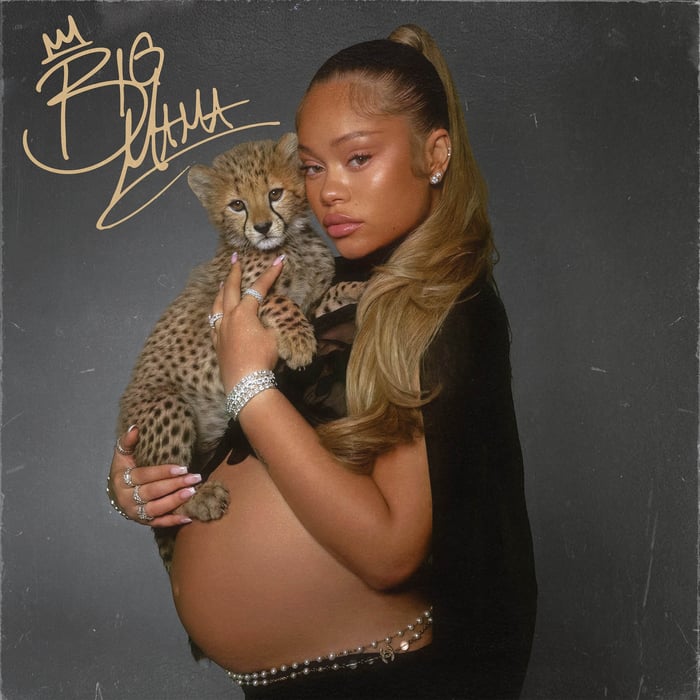
Big Mama Review: Latto’s “Big Mama” Flexes So Hard It Packs a Diaper Bag

 See more Architeg Prints stories on Google.
Big Mama Review: Latto’s “Big Mama” Flexes So Hard It Packs a Diaper Bag
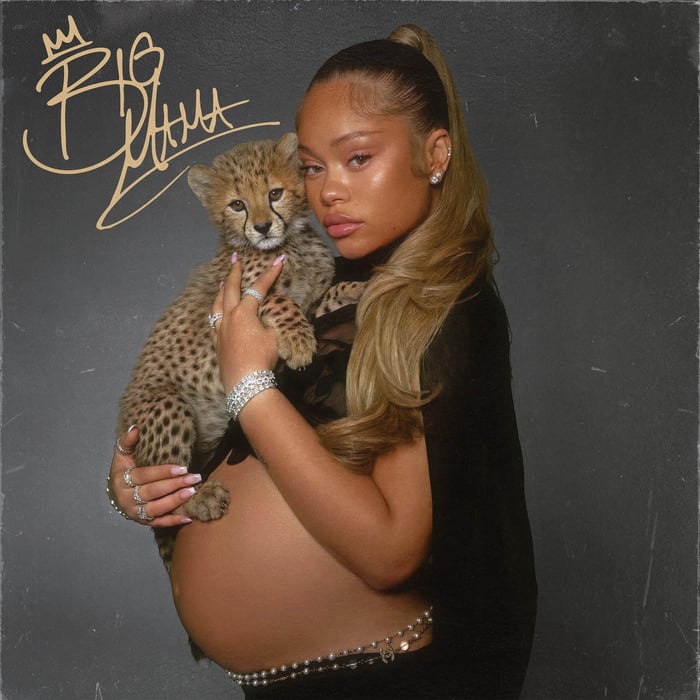
Latto’s Big Mama treats pregnancy like a trophy, not a softening. It brags, snaps, and occasionally flinches—on purpose. Here’s what I heard.
A quick warning: this album doesn’t want your approval
Latto isn’t easing into motherhood on Big Mama. She’s using it like a new horsepower upgrade. The whole record moves like someone leaning out the driver’s window to yell, “Yeah, I did that too,” and then hitting the gas before you can respond.
At first I thought the pregnancy angle was going to be one of those glossy “new chapter” themes—soft lighting, softened edges, the usual PR-friendly glow. But after a few tracks, it’s obvious she’s doing the opposite: she’s stacking pregnancy on top of the flexing, like it’s one more thing she won at.
And that’s the point. Big Mama isn’t trying to be tender. It’s trying to be untouchable.
“Business & Personal”: the baby as a brag, not a life lesson
The intro, “Business & Personal,” tells you immediately what kind of timing this album runs on. Latto drops details the way some rappers drop chains—car seat included. A car seat gets treated with the same reverence as a luxury purchase, placed right beside references to nightlife, money, and an almost cartoonish story about someone trying to return $10K and being told to keep it.
The pregnancy doesn’t arrive as a vulnerable confession. It lands like another trophy she can hold up while smirking. She even wedges it between punchlines—one about being MVP-level, another about the wait for her own release measured against the painfully slow crawl of GTA 6. That’s such a specific kind of flex it almost feels petty, which is exactly why it works.
There’s also an interlude energy hovering around the whole move: like, why are you acting surprised? The pregnancy isn’t “changing her.” It’s just adding torque. A verse later she’s back to talking like other rappers’ singles are weaker than her leftovers—while the kid is basically riding shotgun next to a vintage Rolex she calls the only old face in the room.
This is Latto making one thing clear: Big Mama isn’t a makeover. It’s a power-up.
“Get Money Girl”: retirement talk from someone still sprinting
Latto plays with the idea that this is her fourth album and, at one point, she flirted with calling it her last—even though that claim clearly doesn’t sit still. “Get Money Girl” doesn’t sound like someone backing away from the game. It sounds like someone doing victory laps at full speed because walking would feel like losing.
There’s a skit moment that pulls in Trina’s voice for local commentary, and then Latto comes in icy: talking like pulling a million out is nothing, moving with cameras on her family, her sister in the frame. She even slips in a jail reference tied to her family like it’s just another detail in the larger portrait—money, attention, consequences, and the weird way all three start to look normal once you’ve had them long enough.
She came up young—first off the visibility of a teen win on The Rap Game, then “Bitch from da Souf” in 2019—and what’s funny is: Big Mama is allegedly the “goodbye” era, but the verses sound hungrier than a farewell should. That contradiction feels intentional. Like she wants you to feel how ridiculous it is to expect her to soften, slow down, or act grateful in a polite way.
Arguable claim: if this is “retirement music,” it’s retirement music the way a shark “rests.”
“GOMF”: letting the insults talk so she doesn’t have to
“GOMF” opens with disembodied voices listing the kind of insults that follow her around—race talk, geography policing, surgery rumors, ghostwriting whispers—delivered deadpan, like the allegations are being read into the record.
And then the beat drops and she doesn’t exactly “respond.” She dismisses. That’s the move. She counters the gossip with body talk and posture: beneath reply. The hook hits like a brush-off in real time—“Get off my jock, bitch, you know how I rock”—and GloRilla jumps in and angles it toward money, treating the drama like background noise while the cash stays foreground.
Glo even folds pregnancy into the taunt, which makes the track feel like a weird mirror: two women using the most over-scrutinized parts of their lives as ammo, not baggage. The best part is that the insults get handed a microphone and still lose on their own track. Honestly, that stings more than silence.
If you came here hoping Latto would “address the rumors,” she kind of does—by acting like they’re too boring to deserve a real song.
“Chrome Heart Diaper Bag”: where sex and motherhood collide without flinching
Nowhere on Big Mama do the album’s two engines—sex and motherhood—slam together harder than “Chrome Heart Diaper Bag.” The title alone is a mission statement: designer leather, nursery logistics, and zero intention of choosing one vibe.
Latto drops one of the funniest, nastiest lines on the whole album about “shittin’ on” other women for so long she never got “a diaper rash,” and it sounds like she enjoyed writing it. The track keeps stacking: bragging about drowning in Chanel, a closet that outgrew the boutique she used to run, name-check-level wrestling talk (John Cena gets pulled into the metaphor like he’s just another accessory).
Then the pregnancy storyline snaps into focus: a scare turns into confirmation, delivered plainly—no dramatic violin swells, no apology. It’s wedged between sex talk and a chant of her own name, which is the most Latto way to handle a life-changing moment: make it another bar, keep moving.
Arguable claim: this is the real thesis track of Big Mama, because it refuses the usual “motherhood = humility” script.
“Hostage” and the guest spots: when the toxicity gets outsourced
“Hostage” flips an Isley Brothers sample into something possessive and glossy, and Latto slides in a line about him “put the D in deposit,” turning intimacy into ownership into flex. It’s not subtle. It’s not supposed to be. It’s her making romance sound like a transaction she controls.
21 Savage shows up with the crudest verse on the album—so graphic I’m not repeating it—and I’ll admit I didn’t expect the record to go that blunt. Some listeners will call it chemistry. Others will call it lazy shock. I kind of hovered between both reactions, which might be the point: these songs want you slightly uncomfortable, because comfort is not the brand here.
But I can’t dodge it: there’s a Trayvon line in the middle of this that lands awful. Not “edgy,” not “provocative,” just bad. It’s the rare moment on Big Mama where the confidence doesn’t read as power—it reads as carelessness.
That said, the guests generally work best when they shove the toxic-love vibe somewhere Latto might not take it alone. There’s a “he pay the bills and pay me attention” kind of coolness in how she frames it—like affection is another luxury item.
And because the album keeps reminding you the father is in the picture, those boasts don’t float in fantasy. They carry weight like status updates: not romantic, just real-world loud.
“Okayyy” and “Onnat”: codes, cold jokes, and checking temperatures
Doja Cat on “Okayyy” shifts the mood into something giddier—more playful, more chaotic. She riffs all the way into a locked-phone punchline, spelling out “0-K-4-Y” and offering “the code.” It’s flirty in a way that feels like it’s winking at the whole idea of privacy. Like: what’s intimacy now, if not a passcode and a threat?
Then “Onnat” slides over a Purple Ribbon All-Stars flip and snaps back into Latto’s colder register. She drops the pregnancy right into the braggadocio with a line so blunt it almost dares you to misunderstand it: keeping the baby “for a check,” then immediately undercutting it—still hasn’t gotten it. And then she promises that once the baby “drop,” she’s “checkin’ bitches temperature.”
That’s the album in miniature: say something outrageous, then use it to announce dominance.
I’m not even totally sure she expects you to take every line literally. Some of it feels like she’s baiting the internet into doing what it always does—clutch pearls, generate clicks, keep her name moving.
The mid-album run: when one mood starts to blur
After a while, Big Mama drifts into a stretch of toxic-partner songs that start to smear together. Not because they’re bad—because they’re stacked too tightly.
- “Gimme Dat” has her shopping for a Hellcat while casually admitting to a couple toxic traits.
- “Fallin’” turns obsession into a confession, right down to copying a lover’s breathing.
- “Death Row” sells loyalty even while admitting the love life is a mess.
- “Make Me” and “Naked” push that same devotion into bedroom/vocal booth territory.
Each track has at least one sticky bar, one line that makes you go, okay, she’s still locked in. But five deep, the sameness starts sanding down the sharpest edges. The part that lost me—briefly—was realizing I could swap a couple hooks between these songs and not notice right away.
Then “Anxious” comes in with Wizkid and Odeal, pulling toward an Afrobeats hook and breaking the run mostly by drifting into a different world entirely. It doesn’t “solve” the blur so much as teleport away from it.
What actually holds the album together isn’t the guest list—it’s the behind-the-scenes continuity. A recurring production crew runs through the project like spine and cartilage: Coupe from “Business & Personal” through “Naked,” with Supakaine and Pooh Beatz showing up repeatedly too. That consistency keeps the beats coherent even when her writing is more scattershot.
Arguable claim: the production is doing more of the album’s heavy lifting than Latto would ever admit out loud.
“Daddy’s Girl Interlude”: the moment she stops performing
Near the end, the flex finally shuts up for a minute. “Daddy’s Girl Interlude” puts Latto face-to-face with her father, and for once the bars aren’t built to go viral.
“My protector left me with no protection.”
“Pride aside, I always wondered why my last name was Stephens.”
“I took the cape off and seen y’all as just my conceivers.”
That’s the album finally admitting that “Big Mama” isn’t just a title. It’s a reaction. If your protector leaves, you learn to build your own armor—and you learn to call it jewelry.
What surprised me is she doesn’t go for the easy reconciliation scene. She pivots toward her own daughter on the way and says she can’t wait to teach her. It’s not sentimental. It’s determined.
“Mama”: the title stops being a punchline
And then “Mama” lands, and the word that’s been used like a swagger tag all album suddenly points at someone else: her actual mom, Misti Jane. The AP watch and the bow-wrapped Range energy steps aside for something simpler and sharper—praise without theatrics, gratitude without fake softness.
The line about getting perfect features without inherited trauma is the kind of statement that sounds like a flex until you realize it’s also a relief. Like: I’m allowed to start clean, even if my life is loud.
Latto announced the album and the baby around the same time, flirted with calling it the end, then kept moving. That’s basically the arc of Big Mama: it talks like an exit and raps like a continuation. The closer you get to the end, the more it feels like she’s not leaving—she’s just switching roles. Daughter. Artist. Mother. Boss. All at once, no gentle transitions.
What hit hardest (and what didn’t)
To keep it plain, here’s where Big Mama really shows its hand:
The stuff that works because it’s ruthless
- Turning pregnancy into brag fuel instead of “growth content”
- Letting the hate-voice intro on “GOMF” convict itself
- “Chrome Heart Diaper Bag” refusing to choose between sex and motherhood
- “Daddy’s Girl Interlude” dropping the mask without asking permission
The stuff that doesn’t work because it’s sloppy
- The Trayvon line—flatly a misfire that pulls you out of the song
- The mid-album toxic-love stretch running too long in the same emotional lane
My first impression was that the album might be one-note—flexes, money, bodies, repeat. On second listen, I caught the actual trick: the flexing is sometimes a cover for control issues, and the control issues are sometimes a cover for abandonment. That doesn’t make it “deep.” It makes it honest in an unflattering way, which is more interesting anyway.
Conclusion
Big Mama doesn’t romanticize motherhood and it doesn’t apologize for pleasure. It stacks both into the same silhouette and dares you to call it contradictory—because contradiction is the whole flex.
Our verdict: People who like rap that treats life changes like ammunition—not therapy—will love Big Mama. If you want “maturity” to sound like humility, you’re going to spend this album waiting for a softness that never shows up, like waiting for a Hellcat to start purring politely.
FAQ
- Is “Big Mama” mainly about pregnancy?
Pregnancy is in the lyrics constantly, but it’s framed as status and power, not vulnerability. - What’s the most “Latto” moment on the album?
“Chrome Heart Diaper Bag” turning motherhood logistics into designer-level flexing without losing any bite. - Does the guest list improve the album?
Sometimes. The guests help redirect the toxic-love theme so it doesn’t feel like Latto is talking to herself the whole time. - Where does the album stumble?
A stretch of relationship-heavy tracks blurs together, and one lyrical reference crosses the line into plain bad judgment. - What tracks are the best entry points?
“GOMF,” “Chrome Heart Diaper Bag,” and “Daddy’s Girl Interlude” show the album’s three core modes: defiance, swagger, and real life.
If you’re the type who bonds with an album’s aesthetic as much as the music, it’s honestly not a weird move to put that on your wall. If you want, you can shop your favorite album cover poster at our store here: https://www.architeg-prints.com
 | DISCOUNTGET 30% OFF*Use code on your next order:
|
* This post may contain affiliate links, meaning we earn a commission if you make a purchase through these links, at no additional cost to you.