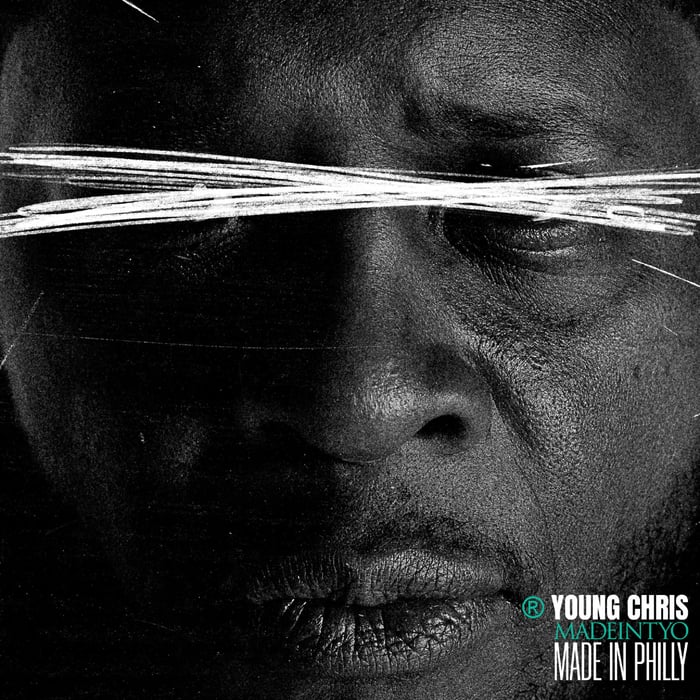
Made In Philly Review: Yacht Rap With a Glock in the Glovebox


 See more Architeg Prints stories on Google.
Made In Philly Review: Yacht Rap With a Glock in the Glovebox
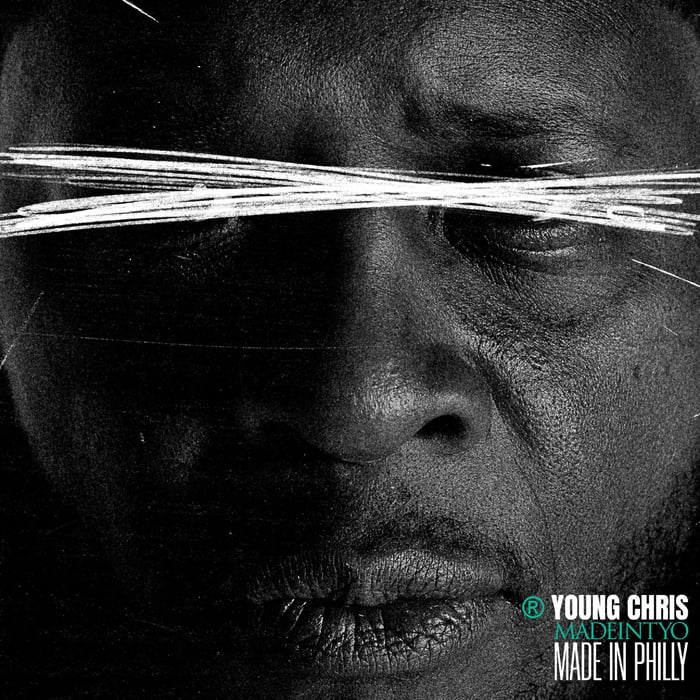
Young Chris and MadeinTYO use Made In Philly to flex, then immediately confess—sometimes in the same bar. Made In Philly isn’t comfort food; it’s survival food.
A Luxury Cold Open That Dares You to Leave
The first thing this album does is test your patience. It walks in wearing money like cologne—thick, loud, and a little unnecessary. I went into Made In Philly ready to roll my eyes, because I’ve heard the “I’m rich, you’re not” intro a thousand times and I’m not spiritually obligated to sit through number 1,001.
Young Chris opens “Fine Wine & Steak” on a yacht with rosé out in the ocean, diamonds that only matter if they come with extra commas, the whole luxury starter pack. Taken by itself, it’s the kind of verse that makes you check how long the project is and consider a different use of your time.
But then the verse swerves. Not subtly, either. He pivots into “Catch him in the studio, booth while he recording / Glock 23, knock him out his Jordans,” and suddenly the yacht isn’t a vacation—it’s a moving crime scene with better catering. That’s the trick: this album uses luxury like a decoy. It flashes the watch so you won’t notice the panic underneath until it’s already in your lap.
That choice feels intentional. Chris isn’t trying to convince you he’s “up.” He’s showing you how being “up” doesn’t cancel out the part where you still look over your shoulder.
Prayer, Commissary Bread, and the Same Old Fear
From there, Made In Philly keeps stacking incompatible realities like it’s daring them to coexist. There’s a prayer said in the passenger seat before anyone eats. There’s grace before the meal. There’s bread sent from commissary to people behind the gate. And somehow, none of it is presented as a sentimental detour—it’s just the normal world of the record.
“Family and Benjamins only thing important,” Chris decides, and the line lands because it’s not a clean moral. It’s a messy one. The toast and the threat are pointed in the same direction.
On “Worldwide Hustlas,” he drops one of those moments where the bravado gets punctured by something plain and human: “Man of my word, niggas is dyin’ young / I’d rather be layin’ up old.” That isn’t a punchline; it’s the album’s real flex. And it’s the kind of confession you don’t make if you’re trying to sound invincible.
He even shouts out his company in the same stretch—“Creative, dedicated, relentless, bitch, I’m ’bout my business”—like he’s reminding himself out loud. That’s what I kept hearing across the record: not just confidence, but self-instruction. Like he’s narrating the rules to stay alive.
“From Nothing” Isn’t a Victory Lap—It’s an Unanswered Question
Here’s where my first impression started to crack—in a good way. I thought the “come-up” stuff would stay shallow, but “From Nothing” makes the chorus feel almost suspiciously easy: “How the fuck I come from nothing to a superstar? / Turned a Honda to a supercar.” It’s loud. It’s proud. It’s the kind of hook that usually arrives with no complications.
Then the verse undermines it. Chris admits he’s overthinking, that he thinks he needs a session, that he calls a therapist—and then, one bar later, basically admits he walked out on it. That’s not an inspirational arc. That’s a guy acknowledging the door exists, touching the knob, and backing away because the room behind it is too bright.
“Trauma from them gunshots pinging,” he says, and what hit me is that he names the wound like it’s a normal body part. He’s not presenting it as something he overcame. He’s presenting it as something he’s decided to live next to, open.
I’m not totally sure if the album wants you to admire that, or just recognize it. Either way, it’s uncomfortable—and it should be.
Lloyd Banks Shows Up Calm, Which Makes Chris Sound More Exposed
Lloyd Banks appears on “From Nothing,” and he’s pitched in a completely different emotional temperature. Banks raps like a man who’s already arranged the past into a story with an ending. He hits lines like “Panicking and we used to starve,” then pivots to the payoff: “Reputations are bulletproof, armored cars in a new garage,” then the softer outcome—“Showing up for goods all that matters, helping them smile for days.”
Banks’ writing keeps tying trauma to resolution. Chris doesn’t. Chris stays stuck in the present tense: overthinking, stressing, not listening to the therapist, trying to convince himself he’s fine because his kids are a bigger blessing. That contrast matters. It makes Chris sound less polished, sure—but also more honest. Like he’s not ready to turn pain into a neat narrative yet.
And honestly, that’s the real “from nothing” on this track. Not the Honda-to-supercar math. It’s the mental gap between surviving and feeling safe.
Bravado That Immediately Buckles Under Its Own Weight
Chris even names “Alexis Skyy” directly on the track titled “Alexis Skyy,” still talking his talk: “It’s 20 years later, dem haters is sick.” For half a second, it plays like the standard “I’m still here” chest-out anthem.
“Drowning in tequila, trying to find my peace.”
That’s the album in miniature—victory placed right next to decay, with no attempt to separate them into different songs or different moods. If anything, Made In Philly seems to insist that the win and the rot arrive in the same package.
On “Cuban Cigar,” he frames survival like a grudge you carry in your teeth: “They left me to rot, got left in the cold / Said fuck it, I’m dribbling back to the block,” then follows with “I’m coming back with a vendetta.” He even pins it to geography—“Nicetown is my area / Wanco is my street”—as if naming the blocks is a way to prove the story still belongs to him, even if people already decided it doesn’t.
That’s a pretty confrontational move. It’s also kind of sad, if you listen too closely: like the only stable identity left is the one formed under pressure.
Freeway on “Too Strong” Breaks the Flexing Spell
“Too Strong” brings in Freeway, and this is the point where the album stops pretending the bragging is the main event. Freeway starts from the familiar place—same block, rock bricks before rap, names that raised him—then he drops the floor out.
“My kidneys failed, y’all thought that shit was over / Then I got the transplant.”
Then: “Lost my kids, y’all thought it was over.” There’s no showmanship in the way he delivers it. It’s purge-language. Inventory. And the line that sticks isn’t “I beat it,” it’s “All I see is miracles.”
“All I see is miracles.” — Freeway
That’s the album’s most grown moment, because it refuses to decorate tragedy with swagger. It’s not victory music. It’s “I’m still standing and that’s already weird” music.
And it works partly because the project’s palette (especially with MadeinTYO involved) leaves room for that kind of blunt testimony without trying to turn it into a movie scene.
The Sex Songs: The Part That Dragged Me
Not everything here earns its runtime. The graphic sex material drags—badly. “Let Me Cook” in particular feels cheesy in a way that doesn’t connect to the album’s actual stakes. I kept waiting for it to land like relief or like character detail, but it mostly just wanders forward without aim.
The whiplash is the problem. This record can pivot from yachts to violence and make it feel like one life. But when it pivots into explicit bedroom talk, it doesn’t feel like the same person anymore—it feels like a label obligation that wandered into the wrong album session.
And yeah, you can skip those tracks. The project doesn’t collapse without them. If anything, the stronger songs make the weaker ones feel even more disposable, which is kind of the harshest thing you can say about a moment on an album that’s trying to sound essential.
“The Source” Is Where the Album Actually States Its Values
“The Source” is the strongest version of this album’s emotional core. It paints a scene that doesn’t need dramatic lighting: a man beside a crib feeding his crying daughter “dreams” when there’s no bottle in the house. A mother’s mind slipping away—dementia hovering close enough to feel like it’s already in the room.
Then Chris slides in with what feels like the closest thing Made In Philly has to a mission statement: “No pointing fingers, let’s find a solution.” And for a second, all the yachts and Glocks go quiet. Not because they disappear, but because they finally seem small.
That line doesn’t sound like activism. It sounds like exhaustion turning into a decision. The album isn’t asking you to clap. It’s asking you to understand the basic math: blame doesn’t feed anybody.
So What’s Really Happening on Made In Philly?
This isn’t a “mature rap album” in the way people usually mean that—no tidy arcs, no polite introspection, no soft lighting. Made In Philly is messier and more revealing than that. It flexes, then immediately shows you what the flex is trying to cover.
What surprised me most is how often Chris refuses closure. He’ll mention therapy, then admit he won’t hear it. He’ll toast, then reach for a weapon. He’ll talk about haters, then admit he’s drowning. The record keeps denying the listener the comfort of a clean takeaway.
If I have a gripe, it’s that the album sometimes confuses explicitness for personality—like it’s afraid quiet domestic detail won’t hold attention without some skin in the frame. But when it slows down and just shows the life—kids, illness, street geography, old grief—this thing hits harder than most rap projects that are twice as “serious” on paper.
Conclusion
Made In Philly doesn’t separate the champagne from the paranoia; it pours them into the same glass and hands it to you like that’s normal. And honestly, maybe it is.
Our verdict: People who like rap that keeps the bruises visible—even during the victory speech—will get hooked on Made In Philly. If you need your flexing clean, your pain neatly processed, and your sex bars to sound like they belong on purpose, you’re going to get annoyed and wander off. This album isn’t here to be your friend; it’s here to tell you what the room smells like.
FAQ
- What is the core theme of Made In Philly?
It keeps circling one idea: success doesn’t erase fear—it just buys better scenery while the fear rides shotgun. - Which tracks feel most essential on Made In Philly?
“From Nothing,” “Cuban Cigar,” and especially “The Source,” where the album stops performing and starts admitting things. - Does Made In Philly balance introspection and bragging well?
Sometimes. The best moments fuse them in the same verse; the weaker moments (like some sex-focused tracks) interrupt the emotional logic. - How does the Lloyd Banks feature affect the album?
It highlights how unresolved Chris sounds in the present tense. Banks sounds like he’s filing the past away; Chris sounds like he’s still living inside it. - What makes “Too Strong” stand out?
Freeway’s verse drops the bravado entirely and turns survival into plain speech—transplant, loss, and “All I see is miracles.”
If you want a physical reminder of this album’s split personality—gloss on top, real life underneath—consider grabbing a favorite album cover poster from our shop: https://www.architeg-prints.com
 | DISCOUNTGET 30% OFF*Use code on your next order:
|
* This post may contain affiliate links, meaning we earn a commission if you make a purchase through these links, at no additional cost to you.