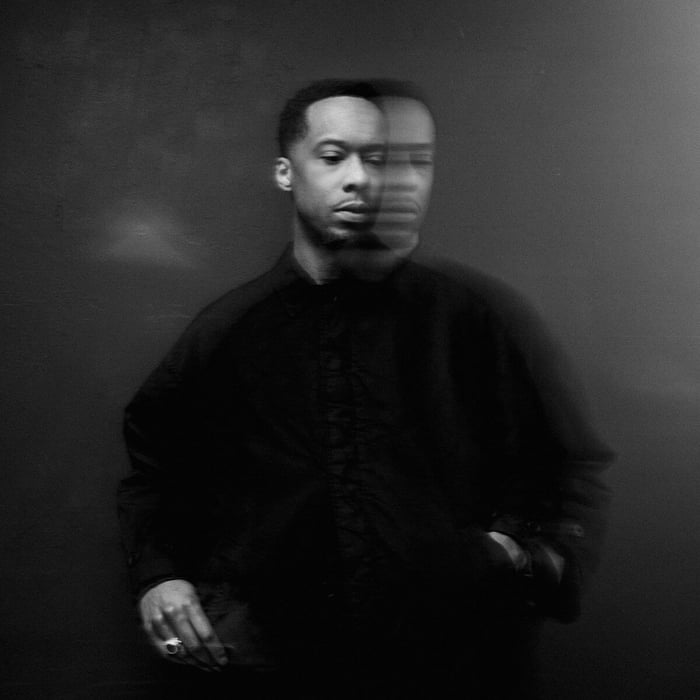
Black Milk’s CEREMONIAL Review: Church Rap for People Who Hate Church


 See more Architeg Prints stories on Google.
Black Milk’s CEREMONIAL Review: Church Rap for People Who Hate Church
Black Milk turns CEREMONIAL into a private ritual—room noise, live drums, and moral weight. Here’s what Black Milk is really doing.
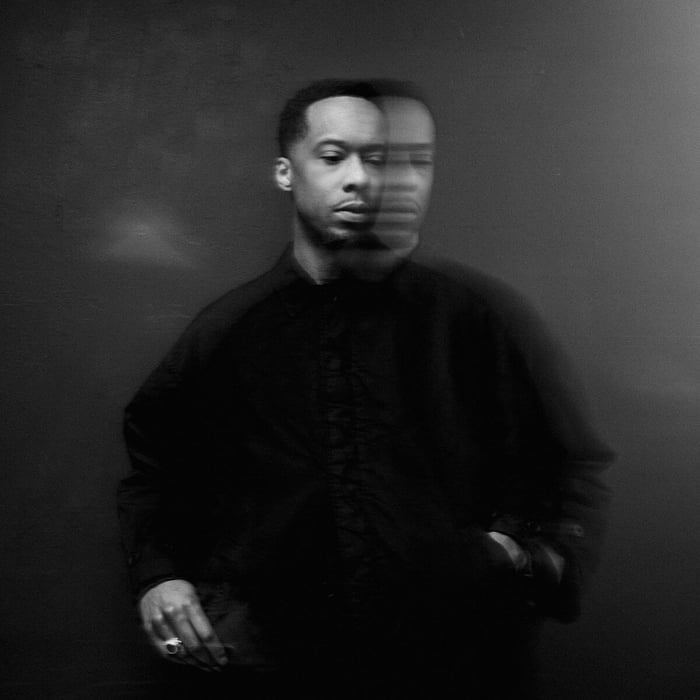
This isn’t a flex album. It’s a “keep your voice down” album.
The first thing CEREMONIAL tells you—before you even start picking out lyrics—is that Black Milk isn’t trying to win the day. He’s trying to hold the room. This is music that behaves like it’s been playing before you walked in, and it’ll keep playing after you leave, whether you understood the point or not.
And yeah, I know how that sounds. But that’s the vibe: hushed, continuous, stubbornly adult.
A small but telling detail: even the packaging acts like a translation
There’s a translator’s note attached to this release, pointing out the writing was originally in Japanese and then moved into English. That tiny framing choice matters more than it should. It primes you to expect distance—like you’re not supposed to fully “get” it on first pass.
A reasonable listener could say that’s pretentious window-dressing. I read it differently: it matches the album’s whole method. Everything here feels slightly removed, like the emotion is real but delivered through gloves.
Black Milk’s “problem” is that people file him wrong
Curtis Cross has been rapping longer than he’s been producing, but almost nobody talks about him like that. Twenty years of albums under the name Black Milk will do that: the production gets treated like the headline, and the voice becomes part of the furniture.
CEREMONIAL quietly argues against that filing system. It keeps the beats strong, sure, but it keeps putting his rapping in front of you in a way that feels intentional—like he’s reminding you he’s not just the guy behind the boards.
That’s an arguable claim, obviously. You might hear this as another producer-rapper record where the production still steals the show. I just don’t think the sequencing agrees with you.
The Detroit lineage is there, but he refuses to cosplay it
Black Milk’s history hangs over this album even when it’s not name-dropped: starting with Slum Village in high school during that post-Dilla transition; shaping a big chunk of eLZhi’s The Preface (still some of the sharpest Detroit rap production of the 2000s); forming Random Axe with Sean Price and Guilty Simpson for a one-and-done; getting more momentum with Black & Brown! alongside Danny Brown; co-producing through Jack White’s Third Man orbit; and getting pushed toward a solo lane after early encouragement from Phat Kat.
That arc could’ve turned into a victory lap album. Instead, CEREMONIAL sounds like a person who’s allergic to victory laps. It’s Detroit in the sense that it’s durable and unsentimental—not in the sense that it’s trying to sound like a museum exhibit.
“Dreams Not Only Made at Night” is where the album stops being polite
From the jump, “Dreams Not Only Made at Night” moves like a casual night that turns into a permanent memory. Muted piano. Steady drums. Friends heading to a corner store. Somebody tosses a five. The ride feels off. They pull up and—without the song doing the usual dramatic wind-up—another friend is down.
It even drops a couple lines that land like a dead stare:
“Back on the news at five / Feel too familiar, never act too surprised.”
Here’s the point: the song doesn’t treat violence like a plot twist. It treats it like local weather. That choice is the whole thesis of the record, and you can absolutely disagree with me—maybe you’ll hear it as pure storytelling craft. But it plays like intent. It plays like someone who’s seen this loop too many times to perform shock.
Reporting vs mourning: the album keeps refusing to clarify
There’s a scene that’s hard to shake: a woman follows a man she shouldn’t have into a car, sees him open a compartment, hears shots, ends up face-down on pavement screaming “what you got me into,” while cops bark “hands behind your head, face to the floor.” Then Sam Walker’s spoken-word breaks in, flat and observational: witnesses to a shooting.
Every detail feels like it belongs to somebody else—like Black Milk is holding other people’s memories up to the light. And I’ll admit it: I’m not totally sure what stance he’s taking in that moment. Is he documenting? Is he grieving? Is he accusing the listener of gawking?
The uncomfortable part is that the song doesn’t choose for you. It just makes you stand there.
“OK... Nah” uses a guest verse like a pressure gauge
Saba shows up on “OK... Nah” and raps about cold in summer heat—one of those bodily details that instantly tells you the nervous system is in charge. He drops Bernard McCullough (Bernie Mac’s government name) like a small Chicago nod tucked inside bigger lines about going reclusive.
And the placement matters: Saba’s verse sits between two from Cross. Cross opens up yelling about police staying trigger-happy and where spirits go. Then he comes back later with Detroit imagery—fur dragging across the floor, babies on the way.
You could argue the guest feature breaks the immersion. I think it tightens it. Saba doesn’t “add variety.” He adds a second climate, and it makes Cross’s Detroit scenes feel even more hemmed-in.
The closer tries to sound holy without becoming corny (mostly succeeds)
On “YOUIT (Truth Be Told),” BJ the Chicago Kid sings “too real for this shit,” and Cross raps about moving in silence “like Charlie Chaplin,” calling his money “holy matrimony.”
That’s a ridiculous phrase on paper—“holy matrimony” as a money metaphor should be corny. Somehow it isn’t, because of how tired the delivery feels. Not bored-tired. Life-tired. Like the punchline never arrived, and he’s done waiting.
One mild knock, though: the “Charlie Chaplin” line is a little too cute for an album that spends most of its time refusing cute. It doesn’t ruin anything, but it briefly reminds you you’re listening to a writer who knows he’s clever.
Only one outside beat, and you can feel the control-freak discipline
Brandon Myster provides the only outside beat here. Everything else feels like Cross protecting the walls of the project—keeping the temperature consistent, keeping the room familiar, keeping the “guest energy” from turning the album into a playlist.
Some listeners will hate that. They’ll want more outside voices, more obvious contrast, more feature fireworks. But I think the lack of guests is the point: CEREMONIAL doesn’t want a party. It wants witnesses.
When Cross brags, he does it like he’s arguing with himself
“In the Sky” has Cross rapping, “Angelo on the canvas, colorful on the basslines,” comparing himself to Michelangelo—then immediately sliding into how people disappear like remotes sunk in a sofa.
That’s what he keeps doing: he reaches for grandness, then undercuts it with something petty and real. The Michelangelo comparison tightens as he goes—Sistine Chapel ceiling, brush strokes that can’t dry. It’s not just “I’m an artist.” It’s “I’m stuck doing this even when the world won’t sit still.”
On “Right Time,” he calls his accomplishments “condiments sitting next to the main course,” and says his steps are giant “like Coltrane.” That condiment line is the one that hits me—because it admits the fear that even your best work ends up as a side item in someone else’s meal.
You might hear those lines as standard rap talk dressed up with art references. I hear someone trying to convince himself the work mattered.
The title track “CEREMONY” is the dirtiest moment on purpose
“CEREMONY” rides heavy drums and a dusty soul loop while a vocal chants the title over the top. No rapping. No big arrangement. It just lets the production run.
And crucially: it’s dirtier than the other instrumentals. The grime isn’t an accident—it’s the only moment that feels like it’s been pulled from a different box of tapes. Like Cross wanted one track to sound handled, thumbed-through, left in a car too long.
At first, I thought it was just an interlude—nice texture, move on. On second listen, it felt more like the album’s altar: the place where words get removed because words would cheapen it.
The live players aren’t “adding warmth.” They’re adding claustrophobia.
Jarelle James’ drums on “Crash Test Dummy” crack with air behind every snare—like somebody hitting wood in a small room, close enough that you can hear the space bounce back. Ian Fink’s keys on the instrumentals run loose and slow. They wander like they’re not chasing a hook, just circling a thought.
This isn’t “live instrumentation” as a luxury. It’s live instrumentation as evidence. You can hear people present, and that makes the stories heavier—because now it feels like testimony instead of entertainment.
A fair disagreement: some people will call this “underwritten” musically, like the players are just vamping. I get that complaint. The looseness can read like a lack of editing. But to me, the looseness is the edit. It’s Cross refusing to polish pain into something snackable.
Stank Babies Studio is basically a character, and the album knows it
The whole thing was tracked at Stank Babies Studio, the same spot Cross has used for over a decade, and you can hear the room on every song. Not in a corny “room tone” way—more like the record never fully seals itself. It breathes. It creaks.
This is where the album’s biggest trick happens: it sounds like a session tape that kept playing after the red light went off. Like the players kept going, nobody counting minutes, nobody trying to make a moment go viral.
That’s a dangerous aesthetic, honestly. It can turn into shapelessness fast. But CEREMONIAL stays focused by repeating a specific feeling: the sense that time is passing whether you cope or not.
So what is CEREMONIAL actually doing? It’s denying you catharsis.
If you came here for big emotional payoffs—huge hooks, climactic resolutions, clean moral lessons—this album will shrug at you. CEREMONIAL keeps choosing the in-between state: not healed, not hopeless, just awake.
And that’s the intent I keep hearing: Black Milk made a record where the “message” never gets to be a slogan, because slogans are what people use to avoid looking at the details.
My personal picks ended up being:
- “In the Sky”
- “Dreams Not Only Made at Night”
- “OK... Nah”
Not because they’re the most immediate, but because they’re the clearest examples of the album’s actual move: turning craft into a kind of quiet endurance.
Conclusion
CEREMONIAL doesn’t chase you. It stands still and makes you come closer, then punishes you a little for expecting comfort. The album’s power isn’t in sounding grand—it’s in sounding present, like the room kept the memory even after the people left.
Our verdict: People who like rap when it’s patient, image-heavy, and slightly haunted will lock into CEREMONIAL fast—especially if you enjoy hearing the studio itself “talk.” If you need big pop hooks, constant features, or a neat moral bow, this will feel like being stuck in a serious conversation with someone who refuses to change the subject (on purpose).
FAQ
- Is Black Milk the main rapper on CEREMONIAL?
Yes—Cross is rapping throughout, and the album feels designed to remind you his voice isn’t secondary to his production. - Does CEREMONIAL have a lot of guest features?
No, it’s sparse on guests. Saba and BJ the Chicago Kid show up, and Brandon Myster provides the only outside beat. - What’s the vibe of “CEREMONY”?
It’s a grimy instrumental anchored by heavy drums and a dusty soul loop, with a vocal chant repeating the title—no rapping, just the track running. - Where was the album recorded?
It was tracked at Stank Babies Studio, and the sense of that room comes through across the project. - What are the standout tracks to start with?
If you want the album’s mood in concentrated form: “In the Sky,” “Dreams Not Only Made at Night,” and “OK... Nah.”
If you’re the type who bonds with an album’s aura as much as its songs, a good cover print scratches the same itch. You can browse album-cover-style posters at our store: https://www.architeg-prints.com.
 | DISCOUNTGET 30% OFF*Use code on your next order:
|
* This post may contain affiliate links, meaning we earn a commission if you make a purchase through these links, at no additional cost to you.