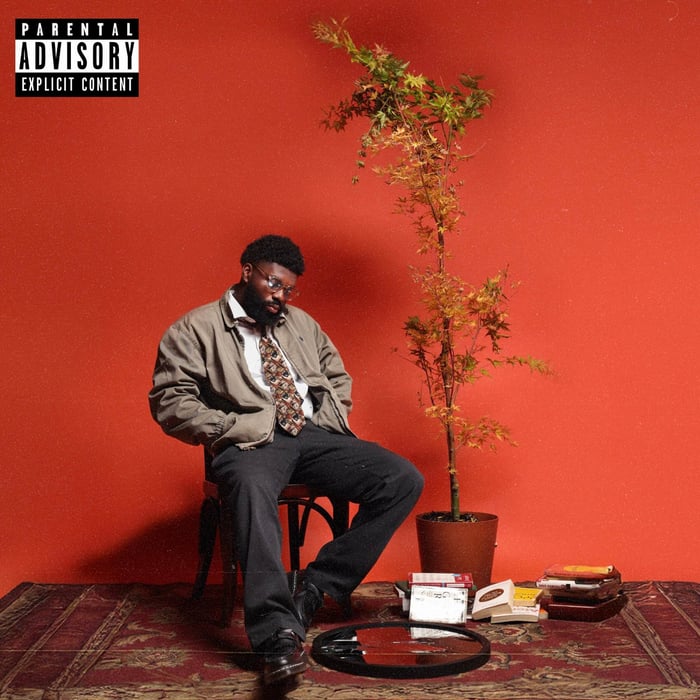
When a Man Falls Review: Caleb Colossus Trips, Prays, Keeps the Receipt


 See more Architeg Prints stories on Google.
When a Man Falls Review: Caleb Colossus Trips, Prays, Keeps the Receipt
Caleb Colossus turns When a Man Falls into a blunt self-audit—God talk, label rejection, and breakup flashbacks that don’t resolve neatly.
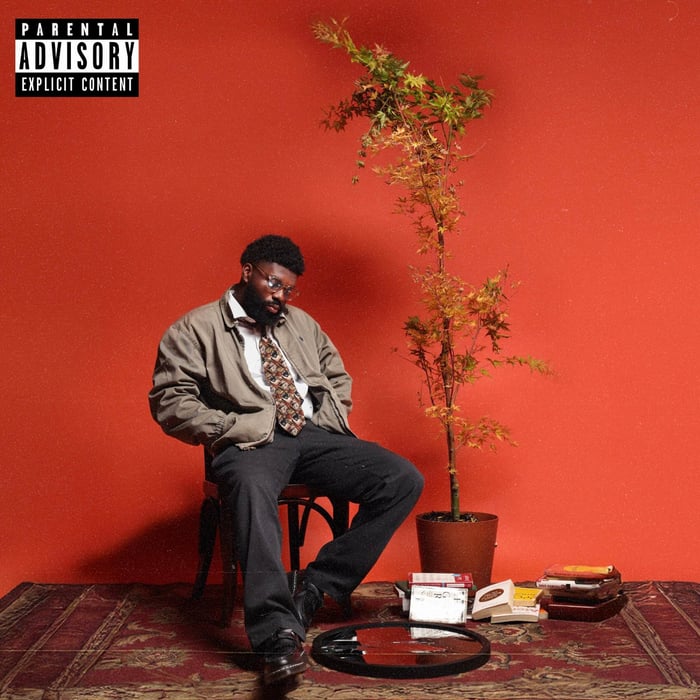
This record isn’t chasing you—it’s chasing him
Some albums want your attention. When a Man Falls sounds like it’s trying to get Caleb Colossus to sit still long enough to tell the truth.
And not the “I’m up next” truth, either. The uncomfortable kind: the kind you mutter in a room that’s too quiet, with the lights too honest.
The backstory sits in the music like a stone in a shoe
Here’s the setting that leaks into everything: Stone Mountain, Georgia—close enough to Atlanta to feel the gravity, far enough to grow up with a little space around you. Colossus started rapping back in middle school, played football at Chamblee, graduated in 2013, and kept moving like a person who assumed the standard route would eventually open up.
It didn’t. By 2026 he’s stacked multiple projects without a label deal, pulling roughly nine thousand monthly listeners on Spotify—numbers that don’t scream “industry priority.” The money, weirdly, came from brand partnerships: about $200,000. None of it from the songs themselves. And when the music did get walked into label rooms, the response he got was basically: you sound dated; Gen Z won’t care unless you’re talking about expensive watches and women like they’re props.
I can’t prove it, but I swear you can hear the exact moment that comment landed. When a Man Falls plays like the record made after being told your real voice is “unmarketable.” Not “bad.” Worse: inconvenient.
God isn’t a theme here—He’s the person on the other end of the line
The obvious move after that kind of dismissal would be to pivot—lean flashier, talk tougher, flex harder. Colossus goes the opposite direction. He talks to God. A lot.
And not in the neat, inspirational way that makes for clean captions. More than half this album is direct address: bargaining, apologizing, asking, repeating himself, circling the same anxieties like he’s wearing a groove in the floor. There’s repentance for habits he hasn’t actually put down. There are prayers for a season that hasn’t arrived. There’s that specific kind of spiritual negotiation where you promise improvement while quietly keeping the exit door cracked.
A reasonable listener could call it preachy, but that’s not what I heard. I heard a guy using God-talk as the only language big enough to hold his embarrassment and his ambition at the same time.
Still, I’m not fully sure whether the album wants God as comfort… or as an alibi. It slides between those two in a way that feels honest, even when it’s messy.
“Numb” is the breakup scene he can’t stop replaying
The breakup on this album isn’t cinematic. It’s worse: it’s modern. His ex moved across the country and ended it over FaceTime. That detail matters because it tells you the exact flavor of loneliness we’re dealing with—pixelated closure, timed to a bad connection.
On “Numb,” he plays the relationship back like surveillance footage, trying to pinpoint the moment she spotted whatever flaw became the dealbreaker. The fallout isn’t just romantic. Family members had to stop talking about being in-laws. That’s a specific kind of loss people don’t mention because it sounds petty—until it happens and suddenly half your imagined future gets repossessed.
The scene he paints lands in a cold apartment with vinyl records, cabernet, and that deadened refrain: he can’t feel anything anymore. Just cold. Just blank.
It’s not subtle, but I don’t think it’s trying to be. This is him choosing clarity over cool—an artistic decision that will lose some listeners and keep the ones who actually recognize the feeling.
“TV Dad” is a fantasy he doesn’t let himself enjoy
The next bridge from heartbreak is temptation—domestic temptation. “TV Dad” imagines the version of life that looks like a commercial without being fake: high school sweetheart, front stoop, soccer practice, packing the van. You can hear him trying the life on like a jacket in a store mirror.
Then he cuts back to what he actually has: 29, no kids, no wife, watching friends get married and doing the mental math on his own timeline. He drops a line about being Nancy Kerrigan on thin ice—his phrase—and it’s almost funny until you realize it’s the sound of a man trying not to panic.
There are little flashes: a Joni Mitchell name-check, a mood that “only sees blue.” Then a Phife Dawg tribute wanders into the second verse from what feels like a different room in his brain entirely—like his grief is channel-surfing. The outro reaches for Jack Pierce and a Grammy that hasn’t happened, which is both ambitious and a little painful, like watching someone point at a star while they’re still stuck in traffic.
My first impression of “TV Dad” was that it was just another “wish I had a family” track. On second listen, it hit me that it’s actually about comparison—the way you can ruin your present by staring too hard at someone else’s “next.”
“Flowers” turns “give them their flowers” into a quiet insult
“Flowers” is where the business reality stops being background context and becomes the subject. Colossus brings up that $200,000 from brand deals—the money he made from being adjacent to culture rather than paid by it. And he admits the humiliating part: labels still turned the music down anyway.
He asks the question that hangs over the whole album:
- Should he simplify his writing to be chosen?
- Should he sand off what makes him himself?
- Should he trade “unmarketable” for “selected”?
At the same time, the corporate job he once swore off is already accepted. That detail stings because it’s not dramatic—it’s practical. It’s the sound of somebody making rent while the dream pretends not to notice.
Even the hook takes the phrase “give people their flowers” and twists it into a complaint about taste: they want peonies, I gave ’em daffodils. That’s such a specific kind of resentment—he’s not saying he gave nothing. He’s saying he gave something real and got punished for it because it wasn’t the preferred bouquet.
If there’s a mild criticism here, it’s that the idea is sharper than the song’s need to repeat it. The point lands early, and the track still keeps circling, like he doesn’t trust you to get it. But honestly, that repetition might be the point: he doesn’t trust himself to accept it.
The motivational turn is real… and it kind of swerves
After all that bruised specificity—FaceTime breakups, vinyl-as-company, money-that-isn’t-music-money—the record starts leaning into grit slogans. Knocked down 94 times, standing tall on 95. Gym wall material. The vibe shifts toward “trust God, run it back, keep pushing.”
Part of me respects the turn because that’s what people do: they hurt, then they try to build a ladder out of the hurt.
But another part of me felt the seam. After hearing him admit such unflattering, human details, the jump to generic uplift can feel like changing the subject mid-confession. Like he got too close to the nerve and decided to cover it with a hoodie that says “persevere.”
A reasonable listener might love that pivot. I’m not fully convinced it earns all of it.
“Sinner Man” refuses to clean up the contradiction (thank God)
Then “Sinner Man” comes along and fixes the problem by refusing to fix anything. It keeps the contradiction intact: repentance while still side-eyeing luxury (yeah, he’s eyeing a Maybach). Praying to grow where God planted him while still sweet-talking women under canopies.
This is where the album feels smartest: it doesn’t pretend spiritual growth is a straight line. It sounds like a person trying to be better while still being himself in the exact ways he’s not proud of yet.
That tension is the real engine of When a Man Falls. Not “inspiration.” Friction.
“Hubby” lets Durand Bernarr float in, then flips the perspective
“Hubby” brings in Durand Bernarr with a hook about wanting a husband—from the couch, no less—which is funny in that plain way life is funny: romance as a comfortable demand.
Colossus answers by flipping the verse into the woman’s perspective. She’s been through a whole roster—Jalen, Chris, Tristan, Nigel, Devante, Michael—none of them stayed. Now she’s spinning Olivia Dean and Summer Walker on vinyl, waiting for a man who actually walks in His image.
And that’s the tell: even when the song is about love, it’s still about God. Or more specifically, about using faith as a filter for disappointment. You can disagree with the framing, but you can’t deny the intention: he’s trying to write desire without writing emptiness.
The influences are loud, but the distance matters
Colossus clearly carries a particular set of reference points: Outkast’s Speakerboxxx/The Love Below as the first album he actively paid attention to, and a personal top tier that includes Kanye’s MBDTF and Kid Cudi’s Man on the Moon.
You can hear him aiming at that kind of scope—big emotional swings, confession-as-spectacle, sadness that doesn’t whisper. But he’s aiming from much further back, without the machine around him those artists had. That’s not a diss; it’s part of the story. He’s swinging for arenas while still having to justify himself to gatekeepers who want a simpler product.
The album even says the quiet part out loud on “Puzzled” with a spoken intro that feels like a slap and a pep talk at once:
“Nobody’s gonna come save you.” — Caleb Colossus
That line frames the whole record as self-rescue—messy, prayerful, occasionally corny, and still necessary.
Conclusion
When a Man Falls is what happens when a rapper gets called “dated” and answers with more honesty instead of more trend. It’s breakup autopsy, spiritual bargaining, and career anxiety pressed into the same vinyl-shaped loneliness he keeps referencing—then occasionally interrupted by motivational poster energy that doesn’t always match the earlier detail.
Our verdict: People who like their rap personal, God-facing, and a little uncomfortable will latch onto this album fast—especially if “TV Dad,” “Flowers,” and “Numb” hit your exact nerve. If you need every track to flex, flirt, or chase algorithms, you’ll get impatient and wander off halfway through the prayer.
FAQ
- Is When a Man Falls more about faith or career frustration?
It’s both, and the point is they’re tangled. The label rejection fuels the prayers, and the prayers don’t erase the resentment. - Which songs feel the most emotionally specific?
“Numb” for the breakup aftermath, “TV Dad” for domestic envy, and “Flowers” for the money-versus-music reality check. - Does the album ever feel contradictory on purpose?
Yes—“Sinner Man” especially. It keeps repentance and temptation in the same room instead of pretending one cancels the other. - Is there a moment where the album loses focus?
The motivational “get back up” stretch can feel like it smooths over the sharper storytelling, even if that smoothing is part of the coping. - What’s the main idea the album keeps returning to?
That adulthood is a running comparison: against friends getting married, against rappers getting signed, against the version of yourself you thought you’d be by 29.
If this record put an image in your head—a front stoop that doesn’t exist yet, a cold apartment with vinyl, that “nobody’s coming” mantra—getting an album-cover poster kind of fits the mood. You can browse favorites at our store here: https://www.architeg-prints.com/
 | DISCOUNTGET 30% OFF*Use code on your next order:
|
* This post may contain affiliate links, meaning we earn a commission if you make a purchase through these links, at no additional cost to you.