Buddy’s Simmie Sims Review: He Put His Real Name On… and It Shows


 See more Architeg Prints stories on Google.
Buddy’s Simmie Sims Review: He Put His Real Name On… and It Shows
Buddy’s Simmie Sims turns party-rap into a family ledger—bouncy drums, bruised voice, and prayers hidden in plain sight.
A Name Change That Isn’t a “New Era,” It’s a Receipt
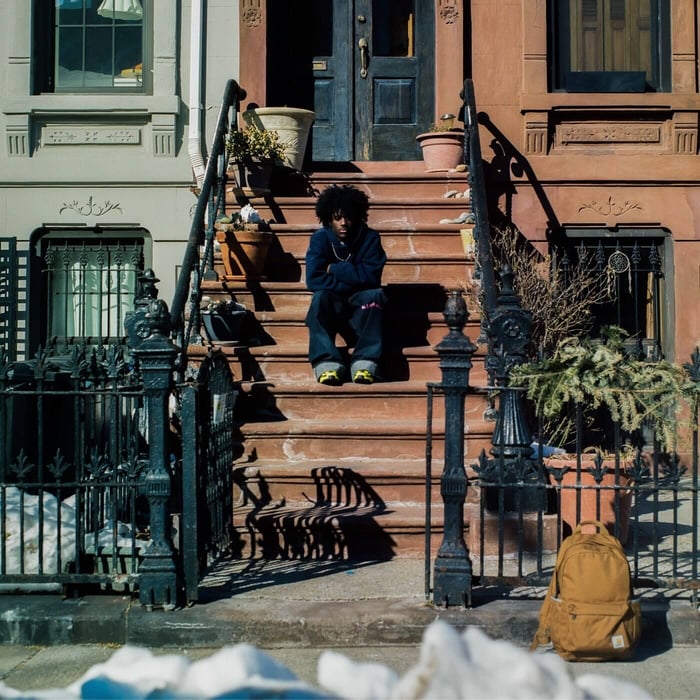
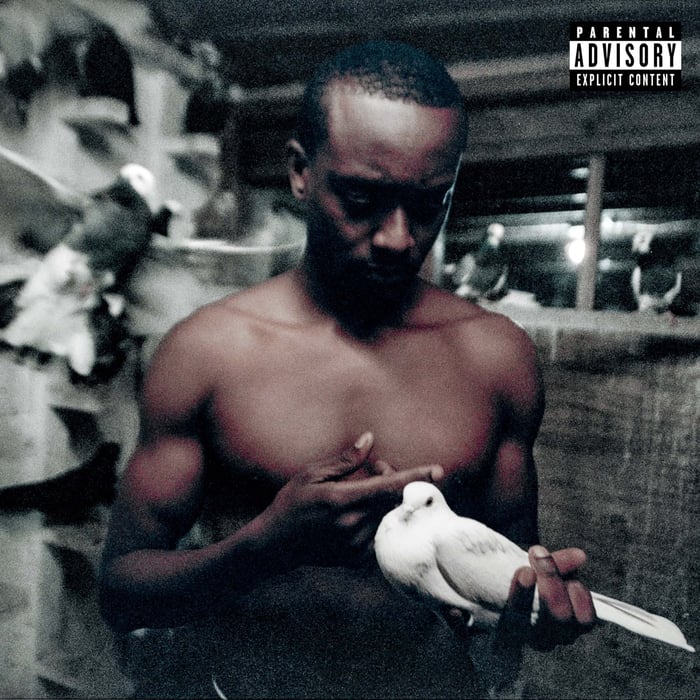
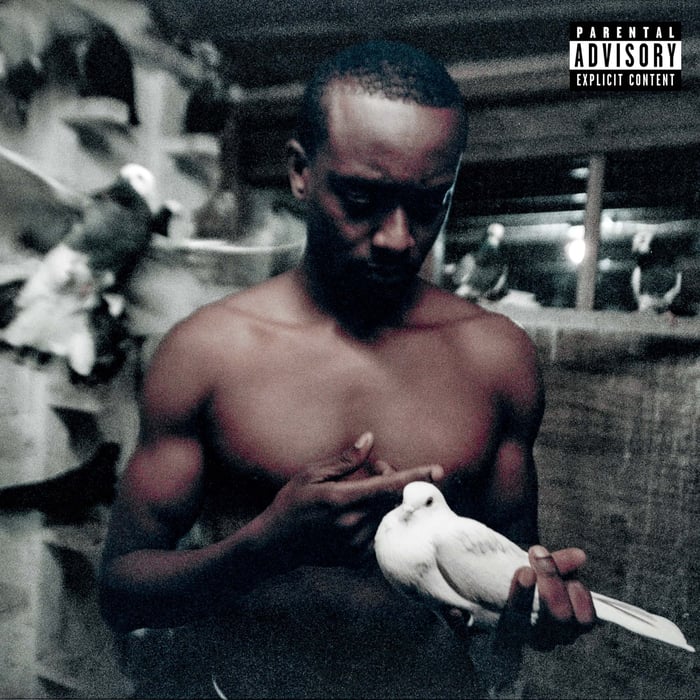
Here’s what hit me first: the loudest creative decision on Simmie Sims III isn’t a synth, a hook, or a feature—it’s the name on the cover. Buddy’s spent fifteen years being “Buddy,” which always felt like a setting more than a person: top-down weather, bright drums, easy motion. Then this album shows up wearing Simmie Sims III, his actual name, like he finally got tired of being the version of himself that fits on a playlist tile.
And it’s not just trivia. The naming choice drags the whole bloodline into frame. The uncle who dies on the first track is another Simmie. The kid credited later as a featured performer is Simmie Sims Jr. Three generations of the same name sitting on one project, whether you want to read into it or not. Buddy’s basically telling you: this isn’t just “me,” this is what I’m responsible for.
At first I thought the “real name” move was going to be cosmetic—like when an artist changes fonts and expects applause. But a few tracks in, it’s obvious he’s using the name like a weight vest.
The Career Context: He’s Been Busy, Just Not Mean
Buddy’s arc is weirdly steady when you line it up. He was that kid Pharrell pulled into i Am Other, and after that his music started arriving on a clean schedule. Harlan & Alondra (named after the cross streets by his childhood home) felt like a mission statement: personal geography, sunny momentum. Then he kept feeding the catalog every couple years—Don of Diamond Dreams in 2020, Superghetto in 2022—and even ran side routes like Janktape Vol. 1 with Kent Jamz (2020) and Ocean & Montana with Kaytranada (2017).
Meanwhile, he’s been collecting on-screen work too—Bel-Air, Rap Sh!t, and that Snowfall spinoff—plus a monthly live habit: five nights a month at the Blue Note in Los Angeles, singing over Don Brown’s collective. That’s not “comeback” behavior. That’s “working musician” behavior.
But here’s the thing: none of that earlier stretch sounded meaner than what he had in him at day one. Buddy’s default mode has always been melodic and bouncy, music built for Friday nights and city lights. Simmie Sims doesn’t throw that away—the drums still move like his drums always move. What changes is the voice sitting on top of them. The album opens with death and a grieving father on the phone, and suddenly all that bounce becomes a coping mechanism instead of a vibe.
“Reasons” Opens Like a Confession Wrapped in a Denial
The first track, “Reasons,” is Buddy doing this careful list-making thing—naming what he’s not. Not a preacher. Not a deacon. Not a pastor. Not a priest. Not evil. And yes, he still believes there’s a God.
That sequence matters because it’s not faith as comfort. It’s faith as an argument he’s having with himself. The song keeps moving, and by the third verse the picture gets ugly in a plainspoken way: he’s pushed family away, he grinds so hard he hardly sees them, his uncle is dead, his dad is calling him devastated—and Buddy’s response isn’t enlightenment. It’s drinking more.
Then he does the slickest—and most telling—shift on the whole track: he flips into second person. “Wait a minute now… Know you really love him but he gone already…” He starts handing the grief to “you,” like he can’t stand to hold it in his own hands for too long. I’m not totally sure if he realizes he’s doing that, which honestly makes it feel more true. People do that when they’re trying to sound stable.
Arguable take: if “Reasons” had a weaker beat, the lyrics would feel like a journal entry. The bounce is what lets him talk about death without the track collapsing.
The Love Songs Don’t Beg—They Wander Off
The saddest love song here belongs to “Marmalade,” where Indigo Boys drift in and the whole thing feels like late-night texting you never send. Buddy builds it around a pun on Chateau Marmont, and then keeps sliding into “Chateau Marmalade,” like he’s mispronouncing his own reality on purpose.
Most of the track is him circling the same absence: where did she go, where does she stay now, why does hearing her name still do that thing to his chest. The hook keeps slipping toward that made-up place—Chateau Marmalade—like he’s turning an L.A. landmark into a fantasy continent just so he can live somewhere else for three minutes.
If I’ve got a mild complaint, it’s that Buddy sometimes leans on wordplay the way some people lean on cologne—too close, too often. The pun works here because it’s tied to the emotional dodge. But in a couple other pockets on the album, the cleverness can feel like he’s trying to stay charming so nobody notices he’s spiraling.
Arguable take: “Marmalade” is more devastating than any of the “serious” songs because he never raises his voice. He just keeps losing the address.
“Bittersweet” Is Two Guys Promising Growth… and Not Moving
“Bittersweet” brings in Kent Jamz, which matters because their partnership already exists (Janktape Vol. 1), so it doesn’t feel like a feature-for-streams. It plays like a conversation that’s been paused and resumed.
The premise is mutual failure, but not in a dramatic way—more like two dudes admitting they got their own lives wrong in predictable ways. Kent thought he’d be happy once she walked away, so he bought a new chain instead. Buddy thought he’d “be good,” and somehow ended up alone anyway.
The detail I can’t shake: both of them end their verses with a promise—repeated four times—that they’ll get themselves together before calling her. And then… nothing. No dial. No call. The song ends without the relief of follow-through. That’s the real point. Growth is treated like a slogan people say to stop the panic.
Arguable take: the hook isn’t what sells “Bittersweet.” The repeated self-promise does. It’s the sound of procrastination dressed as maturity.
“Round Me” Turns Gatekeeping Into a Prayer List
“Round Me” is where the album’s two worlds—the party instinct and the spiritual impulse—finally collide without pretending they’re compatible. The chorus feels like a command about keeping people away, the usual “don’t come around me” energy. But inside the verses, Buddy starts tumbling into prayer:
- pray for my daddy
- pray for my dead uncle
- pray for my auntie
- pray for my dead locs
- pray for his problems
- pray for his money
- pray for his mama
It’s messy on purpose. It doesn’t read like a neat “message.” It reads like someone speed-listing the things they can’t control.
Then late in the song, the title flips. The same guy who was talking about keeping haters and bad company out starts counting what’s actually around him—God, homies, sisters, angels. The wall turns into a circle. That’s a bigger twist than it sounds, because it admits the tough-guy posture is just a way of managing fear.
Arguable take: “Round Me” is the real centerpiece of Simmie Sims even if it’s not the flashiest track, because it’s where Buddy stops acting like confidence is his personality.
“Pray for a Blessing” Isn’t Gratitude—It’s Bargaining
“Pray for a Blessing” stacks lists like someone pacing in their kitchen. Buddy walks through the week as a collision of opposites: a lotta love, a lotta hate, a lotta salt, a lotta shade, a lotta praise—every list ends the same way, asking for a blessing. Not “thank you.” Not “I’m good.” A request.
Jay Rock takes the third verse and turns it into a chain of refusals: he wants heaven, hell is a hole, he’s not selling his soul, not stabbing the bros, not relaxing the hoes, not faking for the gram, not taking a life. It’s basically a moral inventory performed at rap-volume.
And Buddy’s still asking for the blessing anyway, which is the quiet confession: being “good” doesn’t feel like protection. This album keeps returning to that idea—virtue isn’t a shield, it’s just a choice you keep making while life keeps happening.
Arguable take: Jay Rock’s verse works because it’s rigid. Buddy’s parts work because they’re not. The tension between those approaches is the song.
“Hopped Out” Flexes Like a Travel Itinerary… and That’s the Joke
When Huey Briss jumps on “Hopped Out,” the album suddenly expands into pure motion: seven verses, two MCs, and a lyric sheet that sprints through L.A. real estate like it’s doing cardio.
You get planes, whips, choppers, rooftops. Compton to Watts to Slauson. Dover Street Market. The Highlight Room in West Hollywood. Then Vegas, Miami—like the song refuses to sit still long enough for feelings to catch it.
Buddy’s third verse even spells his name through luxury fashion—“CC,” “CDG,” “B-U-D from CPT.” On paper that’s corny. Out loud, it’s actually funny, because he delivers it like he knows it’s ridiculous and is enjoying the ridiculousness anyway. It’s a flex with a smirk instead of a snarl.
Arguable take: “Hopped Out” is deliberately excessive. It’s not about sounding rich—it’s about sounding busy.
“NUNYA” and “OTW” Party Hard, Then Pull the Floorboard Up
A few tracks earlier, “NUNYA” brings in Guapdad 4000 and does something sneaky with one shared line: “how much worse could it be.” Buddy uses it like a setup for a stunt—classic bravado. Guapdad’s relationship to that line hits differently because for him it lands as “I’m literally out of jail.” Same phrase, two meanings, compressed into one boast. That’s the album’s whole trick: the fun lines keep casting longer shadows than you expect.
“OTW” with Kalan.FrFr runs the “on the way” fantasy—money, women, bottles, strippers, babies all headed toward the Westside. It’s glossy enough that, on first listen, I thought it was just there to keep the album from getting too heavy.
Then the closing minute caves in. The premise collapses into a question that loops until it starts to eat the song alive: when the party’s over, where do you go, who do you call? Buddy doesn’t answer. That’s the point. The question is the hangover.
“When the party is over
Where you gon’ go?
Who you gon’ call?”
Arguable take: the best part of “OTW” is the last minute, because it admits the first two minutes are a coping strategy.
The Family Credits: FAUCET, a Child Feature, and the Album’s Real Thesis
“House Jam” gives Buddy’s sister the most space any woman gets on this album. She records as FAUCET, and her verse is long enough to feel like Buddy is intentionally making room—like he’s letting the family speak inside the thing he just named after the family.
And then there’s the credit that quietly changes the temperature: Simmie Sims Jr. listed as a featured performer. His father is Simmie Sims III. His grandfather is the Simmie Sims who called grieving back on track one. You don’t need to be sentimental to feel what that implies: Buddy isn’t just making songs anymore. He’s archiving a name that somebody else has to carry.
Arguable take: putting his sister and his son in the same album ecosystem isn’t “cute.” It’s Buddy building a little dynasty bunker out of music.
L.A. Rap in 2026 Feels Like a Split House—And Buddy Knows It
By 2026, L.A. rap doesn’t feel like one conversation—it’s a divided room. Kendrick’s touring with a Pulitzer-level aura. ScHoolboy Q moves on his own schedule. Vince Staples is writing for television. Jay Rock is showing up on the fourth full-length from a rapper the city still weirdly under-notices.
And Simmie Sims III doesn’t come in with some big “I’m back” trumpet blast. The producers are largely younger—mostly in their twenties—names that don’t exactly travel far beyond the local radius. Nobody here is trying to “run the conversation.” The album sounds like it knows the conversation is fragmented anyway.
Buddy’s advantage is boring but real: longevity and range. Fifteen years of working. Albums on a steady cycle. Acting on the side. A Blue Note residency. The whole resume says “I’m not leaving,” even if the spotlight plays hard to get.
Printing Simmie Sims at the top at thirty-two doesn’t read like a rebrand to me. It reads like what happens when the “game version” of you shrinks smaller than the self your father handed you—and then your son shows up with the same name, waiting to inherit whatever you’ve built.
Conclusion: The Bounce Stayed, the Mask Didn’t
Simmie Sims keeps Buddy’s natural motion—the drums still roll like they’re meant for night drives—but the album keeps stuffing prayers under the party lights until the lights start to look harsh. It isn’t trying to be darker for aesthetics; it’s darker because Buddy can’t avoid the news he opened with. I kept waiting for a clean resolution, a moment where he’d decide what all this means, but the album refuses that tidy ending—and honestly, that refusal is the most believable thing about it.
Our verdict: This album will actually land for listeners who like their feel-good rap slightly haunted—people who want hooks and the aftertaste. If you need Buddy to stay purely carefree, you’re going to get annoyed when the prayers keep interrupting the flexing, like a phone call you can’t ignore.
FAQ
- What is the core idea behind Buddy using the name Simmie Sims?
It feels like he’s dragging his real life into the frame—family history, responsibility, and the stuff a stage name can conveniently blur. - Which tracks best show the album’s “party with a shadow” vibe?
“Round Me” and “OTW” nail it: both start like confidence, then reveal the anxiety underneath. - How do the features change the album’s tone?
Indigo Boys deepen the heartbreak on “Marmalade,” Kent Jamz turns regret into a two-person stalemate on “Bittersweet,” and Jay Rock brings hard moral lines to “Pray for a Blessing.” - Is this album a big stylistic shift for Buddy?
Not really in drums or bounce. The shift is emotional—his voice and writing keep circling grief and faith instead of just skating past them. - What’s one thing that might not work for some listeners?
The album sometimes leans on clever phrasing and flex talk even when the emotional core is heavy; if you want total seriousness, that contrast can feel like an interruption.
If you’re the type who treats album art like part of the music, you can always grab a favorite album cover poster for your wall over at our store—it fits the whole “name-means-something” theme without trying too hard.
 | DISCOUNTGET 30% OFF*Use code on your next order:
|
* This post may contain affiliate links, meaning we earn a commission if you make a purchase through these links, at no additional cost to you.