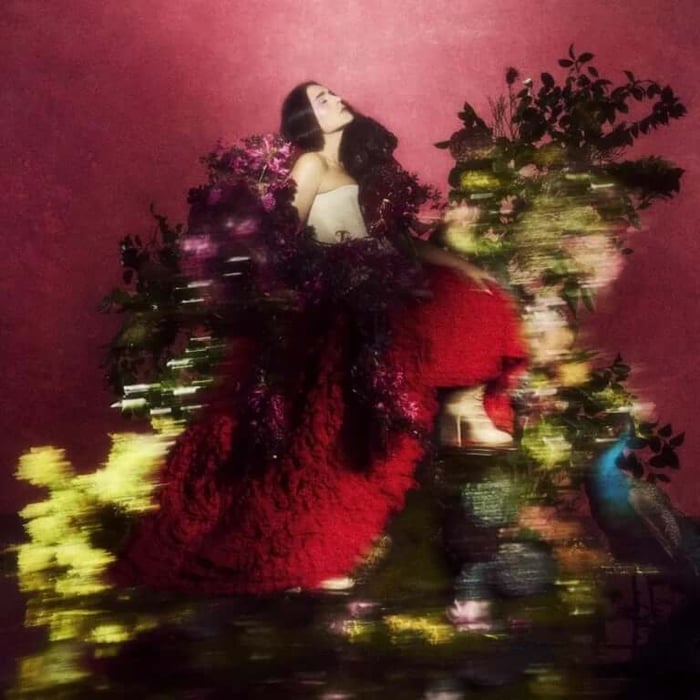
Superbloom Review: Jessie Ware Plays Goddess, Then Does the Dishes


 See more Architeg Prints stories on Google.
Superbloom Review: Jessie Ware Plays Goddess, Then Does the Dishes
Jessie Ware’s album Superbloom blends disco devotion with grounded domestic themes, exploring the tension between fantasy and reality with euphoric dancefloor moments and intimate reflections.
A quick warning: this album wants your surrender
Jessie Ware doesn’t ease you into Superbloom—she escorts you in like it’s a velvet-rope situation and you’re already on the list. The record keeps insisting it’s pure dancefloor ecstasy, but it keeps leaving little fingerprints of real life on the mirror.
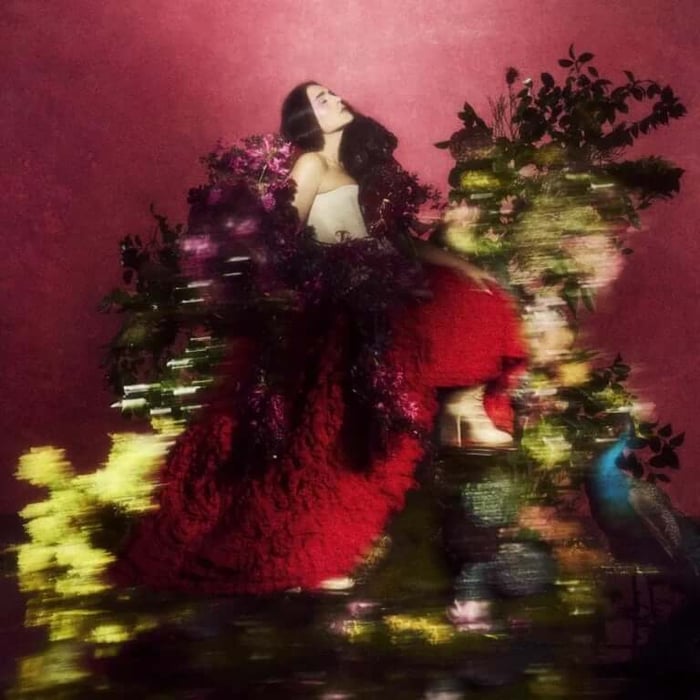
Jessie Ware’s “lane” is real—and she knows it
You can hear how comfortable she is here: the same high-gloss disco-pop architecture, the same “classic but not dusty” instincts, the same emotional stakes dressed up as nightlife. The first stretch basically dares you to complain about familiarity—because it’s familiar on purpose.
And yet, I kept catching a tension running underneath: this isn’t just nightclub worship. It’s also about what happens when you go home with the person you trust most and realize stability can feel like its own kind of costume. I’m not totally sure Jessie means it to feel conflicted, but that push-pull is what gives the album its actual bite.
A spring album that keeps checking the calendar
Superbloom sells itself like a season: bright, transitional, flirtatious, slightly unreal. It wants “new beginning” energy, but it also sounds like someone wrapping up a very specific era of their own persona—like she’s closing one door while already turning the handle on another.
That’s the trick here: the album aims for heaven (big hooks, big romance, big sheen) while also grounding itself in everyday gravity—commitment, routine, a kind of grown-up sensuality that doesn’t pretend you’re 22 and invincible. Sometimes that grounding makes the glitter look smarter. Sometimes it makes the glitter look… a tiny bit like a wig you can’t stop adjusting.
1. The Garden Prelude
Here’s the inhalation before the exhale: a woozy, lush instrumental that feels like stepping into humidity. It’s almost a minute long, and it works because it doesn’t “set the scene” so much as fog the windows. Controlled breathing through the nose, then the little “Wow” at the end like she’s signaling: yes, the fantasy has officially started.
Arguable take: this prelude isn’t decoration—it’s Ware choosing mood over momentum right away, which is basically her telling you she’s not in a rush to impress you.
2. I Could Get Used to This
“This is what I know,” she sings, and she’s not kidding. The track is a “secret garden” invitation that frames heaven as both endless and basically down the hall. It’s the Jessie Ware formula—discipline disguised as pleasure.
I did have the familiar worry: how many times can you run this template before it stops feeling like yours and starts feeling like a really expensive reenactment? But the way the song sizzles answers the question for now. It doesn’t sound tired. It sounds like she’s only now getting comfortable enough to repeat herself without apologizing.
Arguable take: the familiarity isn’t a limitation here—it’s the flex. She’s showing she can make “more of the same” feel like a sharper version of itself.
3. Superbloom
The title track reframes the whole album as devotion-with-benefits: commitment that still contains surprise. Instead of strangers brushing past each other on a dancefloor, this is about a partner who knows you so well they can make you feel unfamiliar again—playful unpredictability, not the scary kind.
The “something classic, something new” blend is basically her signature now, and I can hear her leaning into it like it’s a personal religion. The twist is that the euphoric rush seems to come from the same source as the steadiness: the fantasy and the home life aren’t opposites. They’re feeding each other.
Arguable take: the title track isn’t a mission statement—it’s Ware trying to prove that long-term love can still feel like a costume change.
4. Automatic
This one brings in Colman Domingo as the “voice of the love gods,” and the song treats that like a completely normal thing to happen on a disco record—casual divine approval. The chorus crowns her: “You’ve got the perfect woman.” The clever part is how effortless it feels, like the track is breathing in sync with the relationship it’s praising.
Strings and woodwinds swoon around the groove without turning it into a museum piece. There’s a line about being told to “take a breath” when she’s moving too fast, and the arrangement actually behaves like that: it exhales, then locks back into stride.
Arguable take: this is Ware at her most persuasive—not because it’s the biggest moment, but because it sells “ease” without sounding lazy.
5. Chariots of Love
Another interlude, but not a throwaway. It’s a flurry of angelic voices, then sultry little invocations of the album title, and then—almost abruptly—it all gets vacuumed into a rising pulse.
Arguable take: these interludes aren’t filler; they’re Ware building a “temple” around the dance tracks so the pleasure feels sanctioned, not accidental.
6. Sauna
The title alone is basically a dare, and the song actually cashes it. This is the mid-album standout where the synths spiral upward and the vocals stack until the whole thing feels airborne.
And the lyrics finally get more openly primal—especially that gasp of a line about taking off into the night and landing in someone else’s arms. This is where the album’s fantasy world-building meets a very human impulse to slip the leash for a second. When it hits, it’s less “naughty” than it is feverish. You don’t want it cooled down; you want it to last one more minute.
Arguable take: Sauna is the moment the album stops being polished and starts being hungry, which is why it feels so alive.
7. Mr. Valentine
The dance-punk edge shows up like a splash of cold water—finally, a texture that isn’t fully locked into the album’s main sheen. The jittery energy is the best part.
But then the chorus swings into a more classic disco lift, and for me it lands a little trite, like the song suddenly decides it has to be “beautiful madness” instead of just letting the nervous electricity win. I kept thinking: this track could thrive on twitchy momentum alone. It doesn’t need to soar; it needs to bite.
Arguable take: the verses are stronger than the chorus here, which is the exact opposite of what Ware usually does best.
8. Love You
This is a mid-tempo ballad placed right where it should be, like a breather with good lighting. But the emotional language feels broad—big feeling, slightly generalized wording—like it’s describing devotion from a safe distance.
I’ve heard Ware express adoration more convincingly before, and that’s what makes this one feel a bit too neatly framed. It’s pretty, it’s functional, it’s even moving in spots… but it doesn’t quite cut as deep as it wants to.
Here’s the YouTube link referenced alongside that “pure adoration” moment:
https://www.youtube.com/watch?v=yHKMEHT_Jus
Arguable take: this is the album’s most “correct” song—nicely done, slightly risk-averse, and not as memorable as the surrounding chaos.
9. Ride
This one wears a disco-western costume and refuses to feel embarrassed about it. It even samples the theme from The Good, the Bad and the Ugly, which is either genius confidence or the musical equivalent of walking into a party in a cowboy hat and not explaining it.
It’s also the first song she wrote for the album, and you can hear a more overt escapist impulse here—cheeky, glamorous, almost too on-the-nose in its wink. But Ware’s performance is so giddy she sells the whole thing. I rolled my eyes on first pass… and then, annoyingly, it stuck. On second listen, it felt less like a gimmick and more like her admitting she likes pageantry.
Arguable take: Ride is almost too theatrical, but that’s the point—this album needs a little deliberate ridiculousness to keep the fantasy breathing.
10. Don’t You Know Who I Am?
Right when the drama risks feeling thin, this track brings stakes back into the room. It remembers something a lot of “revival disco” forgets: classic disco wasn’t just freedom—it was the chance that one night could crack your life open.
Ware declares, “I’m the love of your life,” in a chorus that practically swoons with self-belief. There’s a bite to it too: she’s seen him dancing with someone else, and instead of collapsing, she plants regret like it’s part of the choreography. “Fool me once, kiss me twice / We’ve been dancing all night”—that’s not just romance, that’s her demanding the night keep paying interest.
Arguable take: this is Ware using ego as emotional armor, and it’s way more compelling than pure bliss.
11. 16 Summers
Then the floor drops out. A stark piano ballad, and it doesn’t hide behind shimmer. She’s been circling questions about motherhood for years, but this is the first time it lands with plainspoken weight—balancing career and parenthood, the tension of being away, the weird guilt math you do when love and ambition both want full custody.
The detail that hits hardest is the lip-biting tension of stretching the truth: “I just close my eyes / And now my life’s in double time / Come hold these hands you’re slipping through.” The mantra is “to live and love without regret,” but the song lets regret seep through anyway—and that’s what makes it honest.
Arguable take: 16 Summers is the album’s most intimate moment because it stops seducing you and just tells on itself.
12. No Consequences
Co-written with Tom McFarland (of Jungle), this track pivots into a funky, gospel-infused twist that stands out immediately. It doesn’t sound like the rest of the album’s palette; it sounds like a door cracked open to the next thing.
It’s bright and dizzying, and it hints at how Ware’s grooves could evolve past this era. If Superbloom is closing a trilogy of sorts, this track is the one that actually believes in “after.”
Arguable take: this is the most forward-looking production on the album—and it makes some of the earlier comfort-zone moments feel intentionally conservative.
13. Mon Amour
The album doesn’t leave without circling back to its playful singles-mode, and Mon Amour could easily sit among them. “We’ll talk in the morning / But right now let’s find out what nights are for”—classic Ware. The “new” part is how she wraps sensuality around things that bloom in the morning, like she’s trying to reconcile the night’s appetite with daylight responsibilities.
A couple songs earlier she was listening for “the falling leaves, the cooling breeze,” and No Consequences already proved waking up can be its own kind of craving. Nothing really stops time, but a great night can blur the edges of “right now” until you start bargaining for one more repeat.
Arguable take: Mon Amour isn’t a finale so much as a relapse—she knows exactly which pleasure button to press, and she presses it anyway.
The real point of Superbloom review-level obsession: fantasy vs. furniture
If there’s a story Superbloom keeps telling, it’s that Ware wants to be both the dancefloor deity and the person who still has to live with herself when the lights come up. The album’s best moments (Sauna, Don’t You Know Who I Am?, 16 Summers) don’t pretend those versions of her are separate. They collide. Sometimes they kiss. Sometimes they argue quietly in the hallway.
And yeah, there are points where the gloss turns into autopilot (Love You doesn’t land as sharply as it thinks it does; Mr. Valentine fumbles a chorus that could’ve been weirder). But the bigger truth is this: Ware sounds like she’s testing the limits of her own “lane,” not abandoning it. Whether that next turn is bluer, more electronic, more crooner-y—who knows. I’m not fully convinced she even wants to leave the dancefloor. She just wants it to contain a life, not replace one.
Conclusion
Superbloom is Jessie Ware tightening the crown she already wears—then letting you catch her adjusting it in the mirror. It’s euphoric on the surface, but the album keeps sneaking in the grounded details that make the sparkle feel earned instead of staged.
Our verdict: People who like disco-pop that treats pleasure like a belief system will love this—especially if they enjoy a little domestic reality bleeding into the fantasy. If you want Ware to radically reinvent herself every cycle, you’ll probably get impatient and start yelling “take the wig off” at perfectly good choruses.
FAQ
- Is this a “Superbloom review” that thinks the album is just a sequel to earlier Jessie Ware eras?
No—some songs clearly echo familiar formulas, but the album keeps grounding the euphoria in commitment, routine, and real stakes. - Which track feels like the album’s turning point?
“Sauna.” That’s where the fantasy stops being decorative and starts feeling physically urgent. - What’s the most emotionally direct moment on the album?
“16 Summers.” The piano ballad drops the glitter and lets regret show up without being melodramatic. - Does the album ever stumble?
A little. “Love You” feels emotionally broad, and “Mr. Valentine” has a chorus that plays it safer than the verses deserve. - What suggests where Jessie Ware might go next?
“No Consequences.” The gospel-funk tilt feels like a new door opening rather than another lap around the same room.
If this record put a specific image in your head—neon, roses, a kitchen at 3 a.m.—it might belong on your wall. If you want, you can shop a favorite album cover poster at our store: https://www.architeg-prints.com.
 | DISCOUNTGET 30% OFF*Use code on your next order:
|
* This post may contain affiliate links, meaning we earn a commission if you make a purchase through these links, at no additional cost to you.