CD Listening Gets a DJ-Style Twist With km5’s Sp1 and Mp1


CD Listening Gets a DJ-Style Twist With km5’s Sp1 and Mp1
CD listening gets a fresh creative setup with km5’s Sp1 speaker and Mp1 mixer, adding radio, mixing controls, wireless playback, and portable style.
A Fresh Way to Enjoy Physical Music
There’s still a small thrill in choosing a CD, sliding it into a player, and watching a physical album become part of the room. km5’s new Sp1 speaker and Mp1 mixer build on that ritual, giving the brand’s Cp1 CD player a stylish audio setup that feels part listening station, part compact DJ booth.
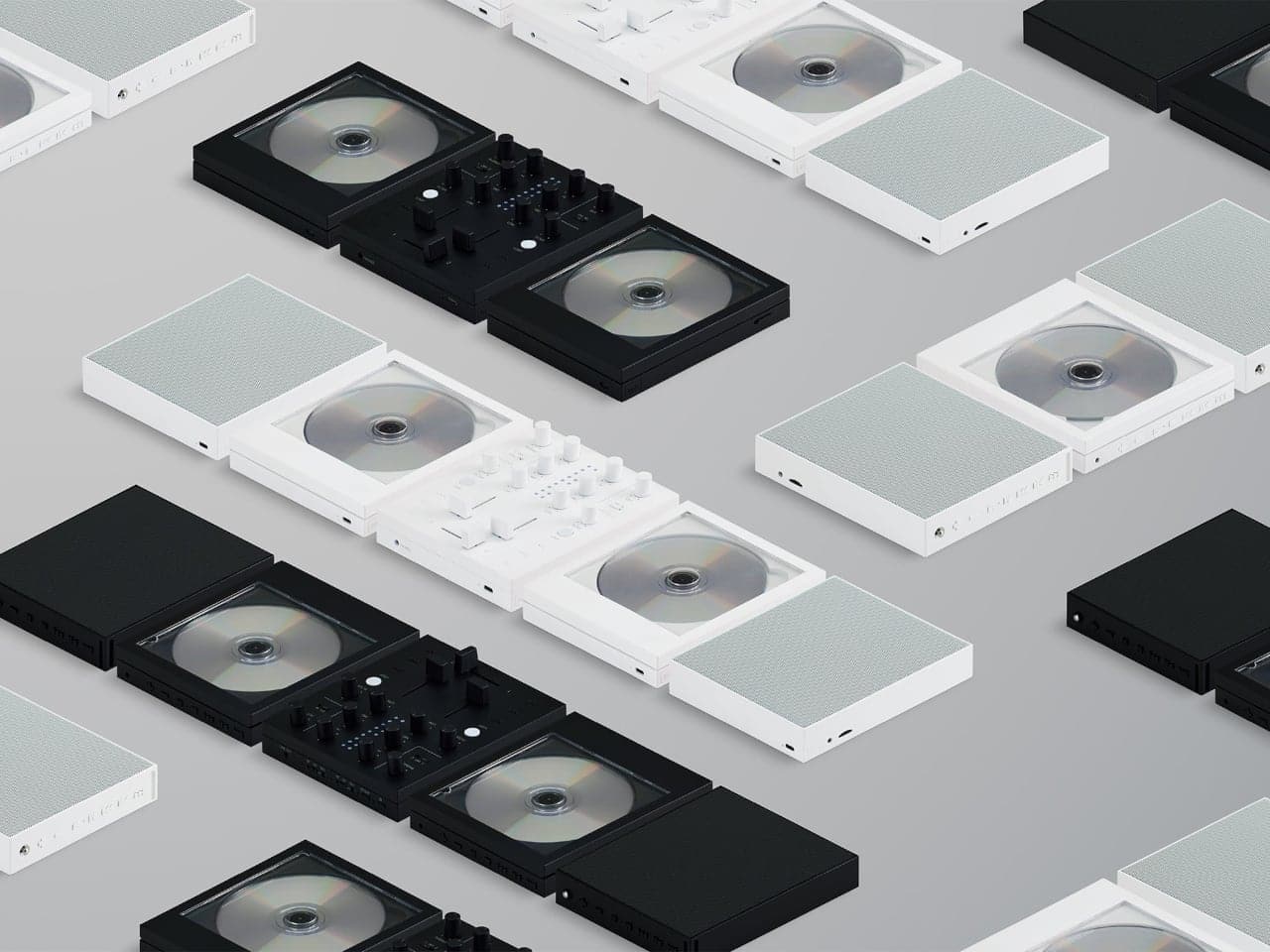
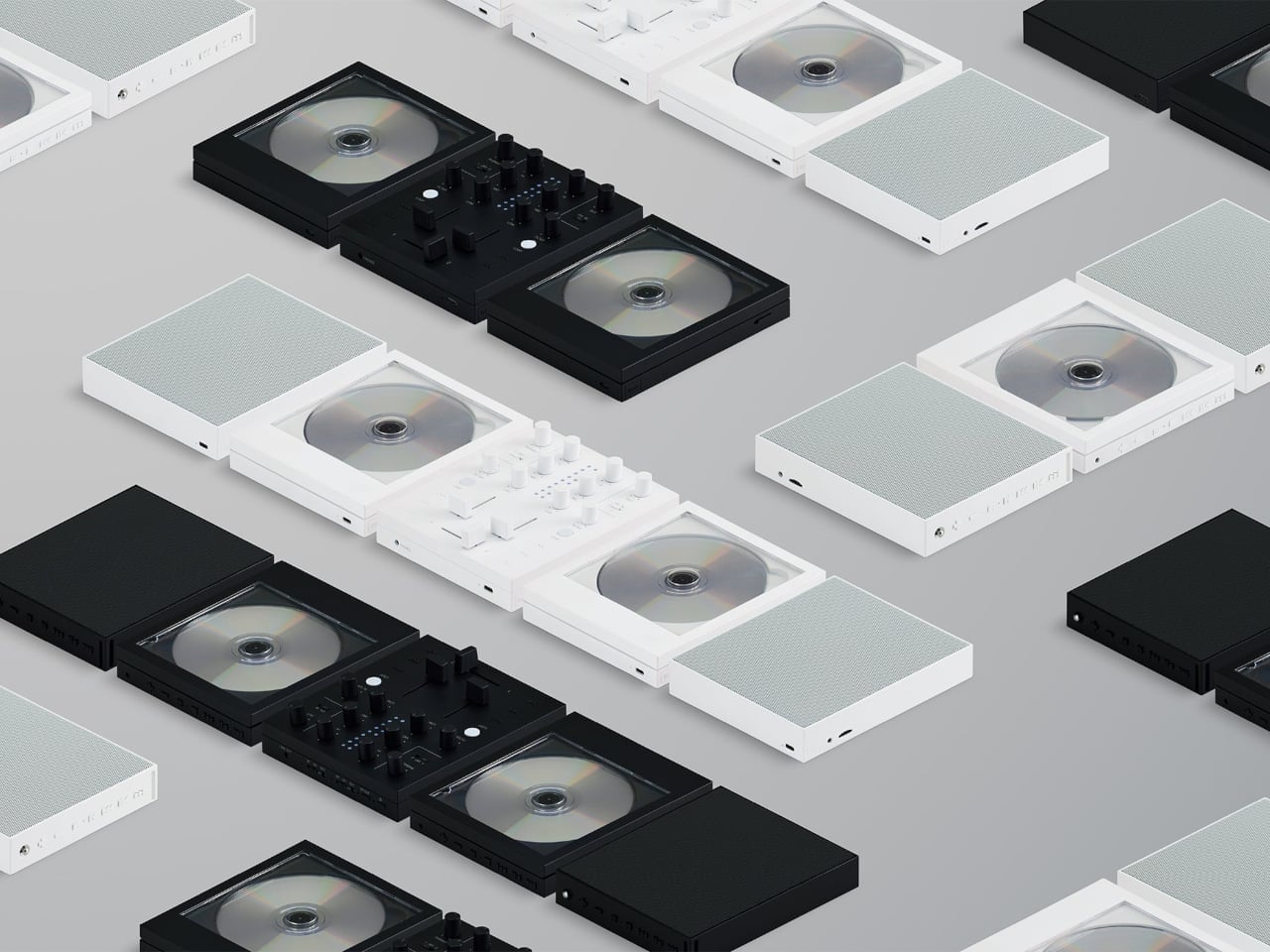
The concept is easy to understand: the Sp1 handles sound, while the Mp1 lets you shape and blend it. Together with the Cp1, the components create a coordinated system for anyone who enjoys the character of physical media but doesn’t want their audio equipment to look like a pile of unrelated black boxes.
That’s the clever part. Instead of treating a CD player as a nostalgic object that belongs in a cabinet, km5 gives it companions that make the entire listening experience feel active again. You can simply play an album, switch over to radio, or start experimenting with transitions and effects when the mood strikes.
A Matching Design Language
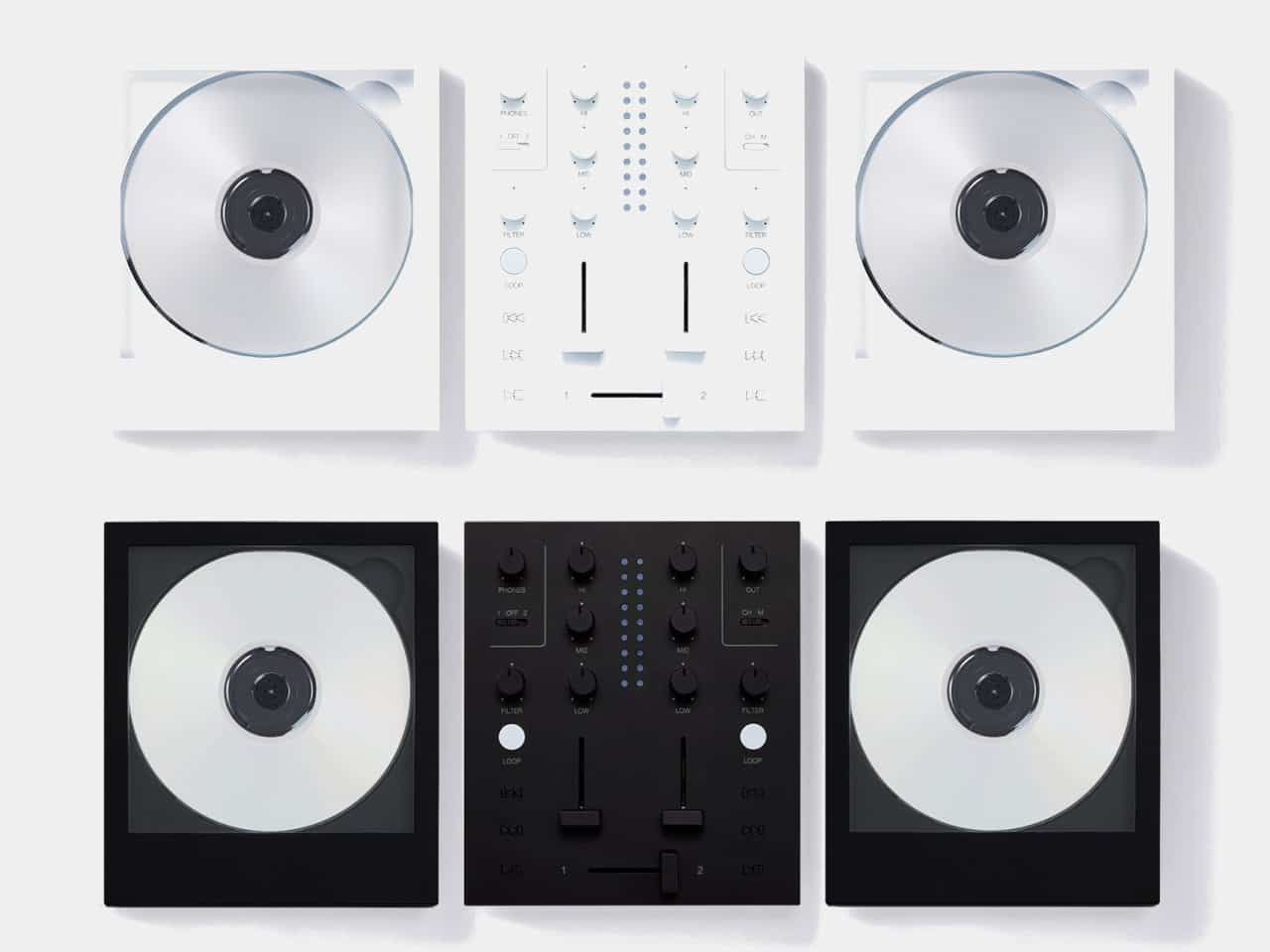
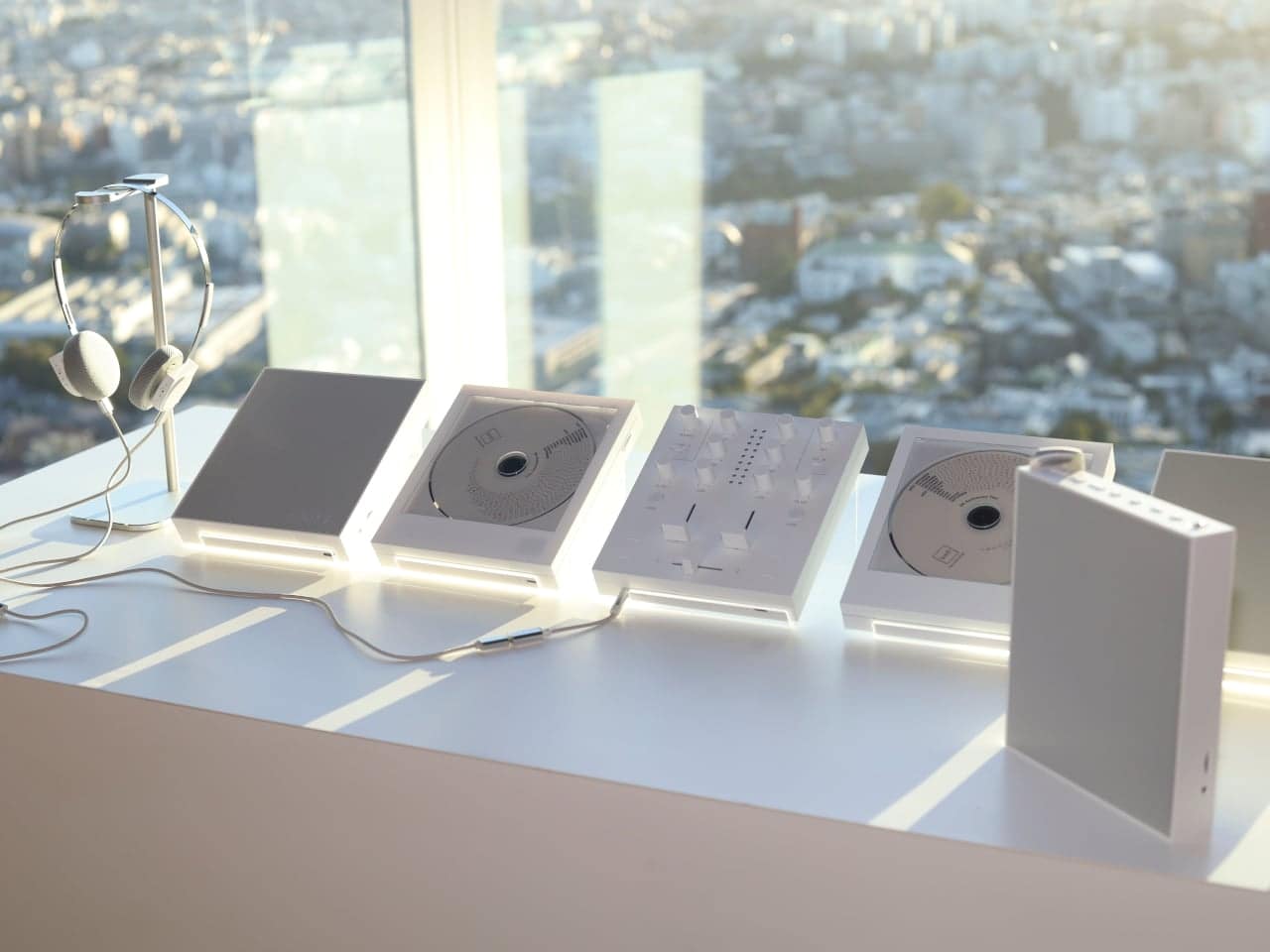
Before getting into the technical details, the visual approach deserves a moment. The Sp1 and Mp1 borrow the Cp1’s flat, frame-like shape, creating a shared design language across the lineup. They’re available in black or white finishes, allowing the units to sit together neatly without competing for attention.
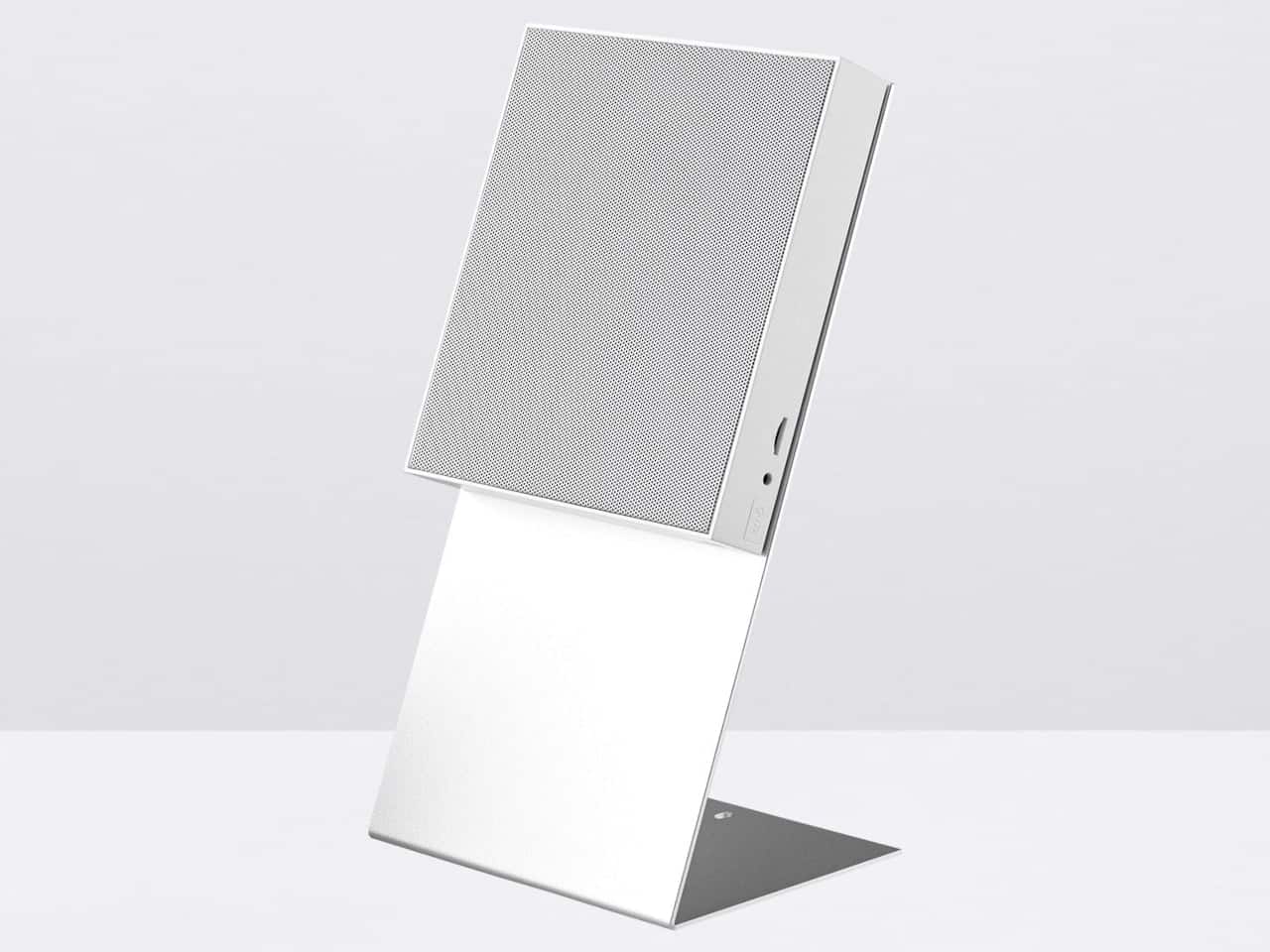
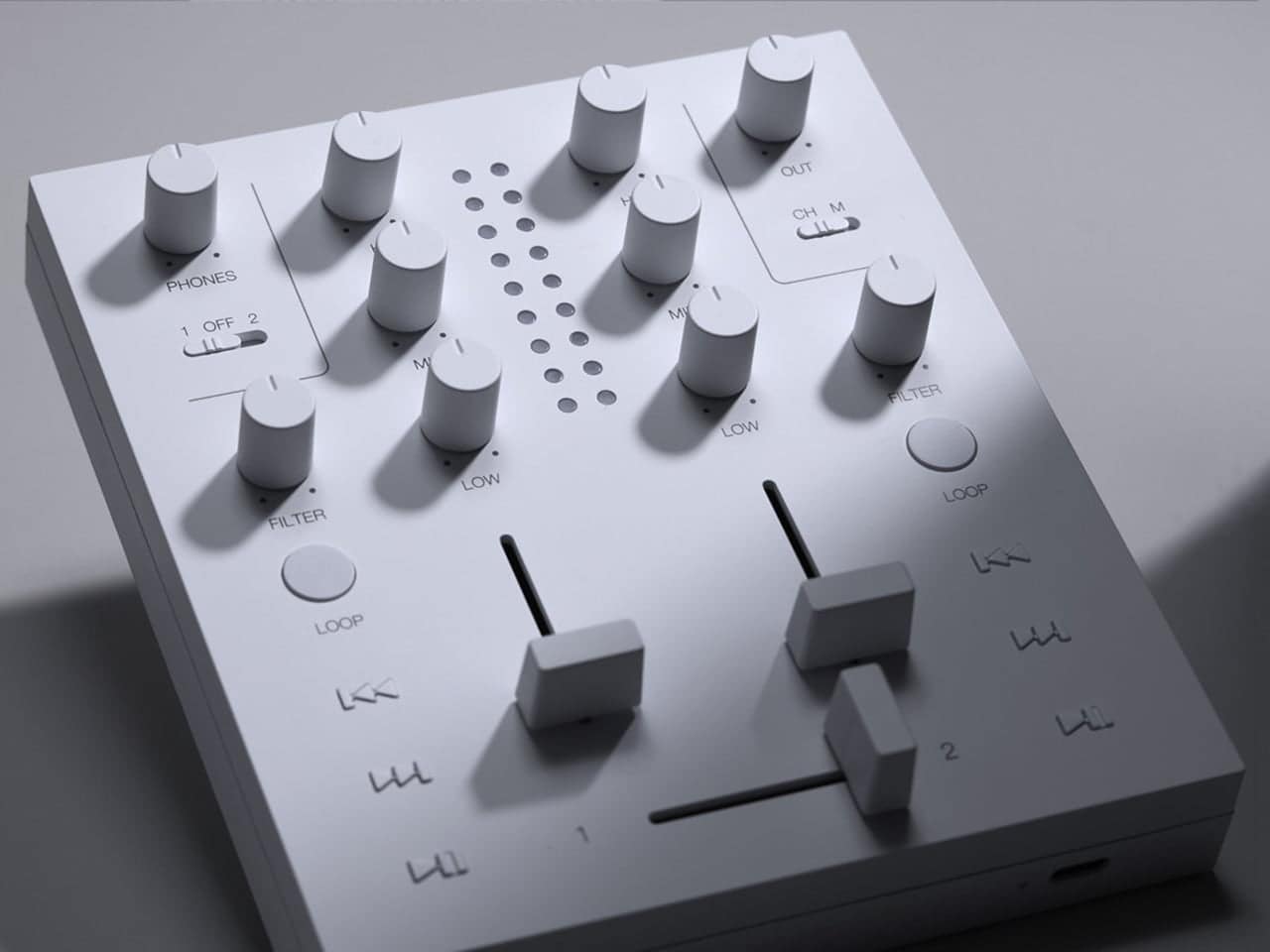
The two new products share the same overall size, but their front panels immediately reveal their different jobs. On the Sp1, a perforated grille occupies the area where the Cp1 displays its disc. On the Mp1, that same visual space becomes a control surface filled with knobs, sliders, and buttons.
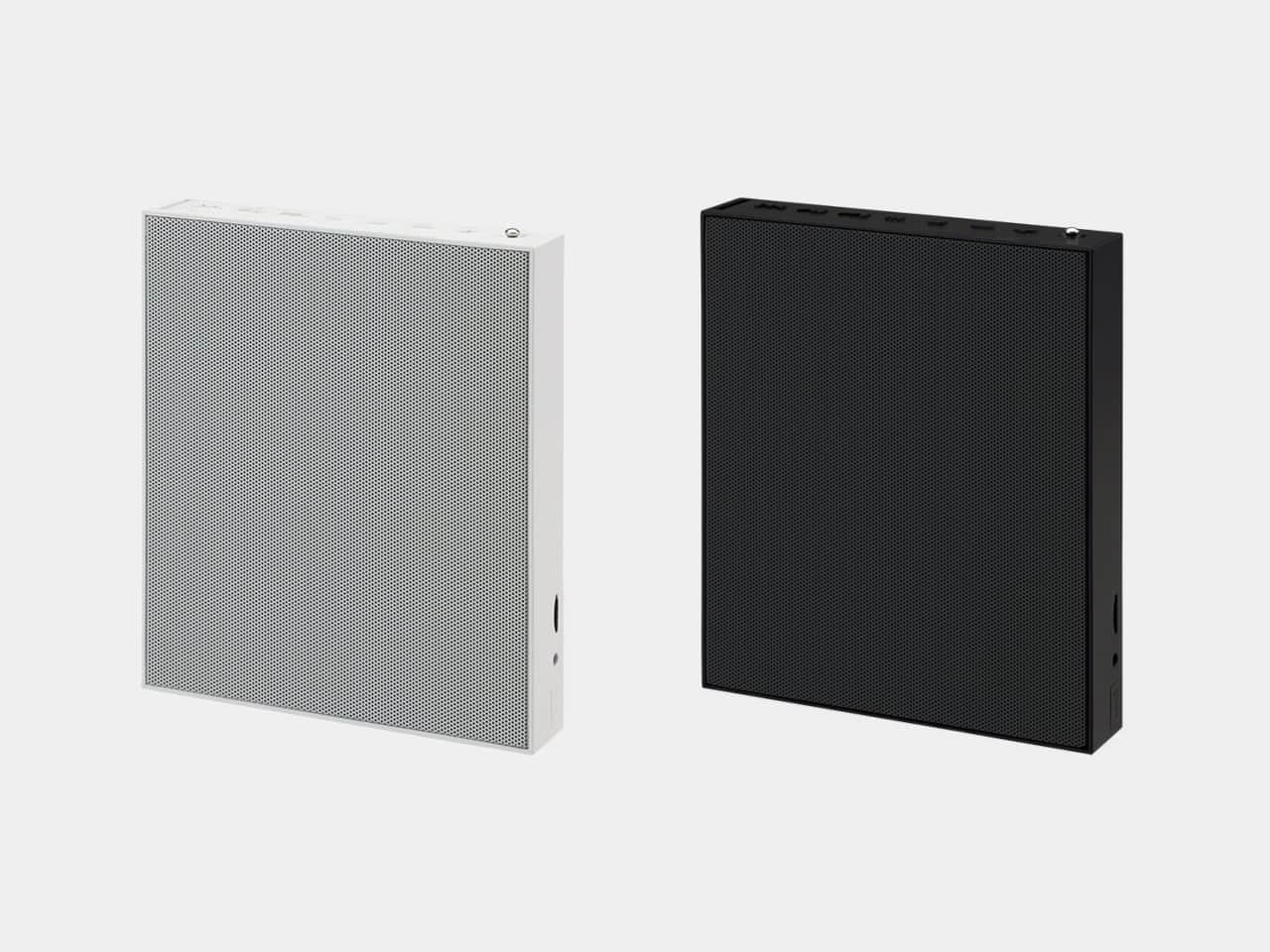
It’s a restrained design trick, but an effective one. The products feel related without becoming identical, rather like instruments in the same band. The Sp1 looks quiet and architectural, while the Mp1 announces that it’s ready for hands-on play.
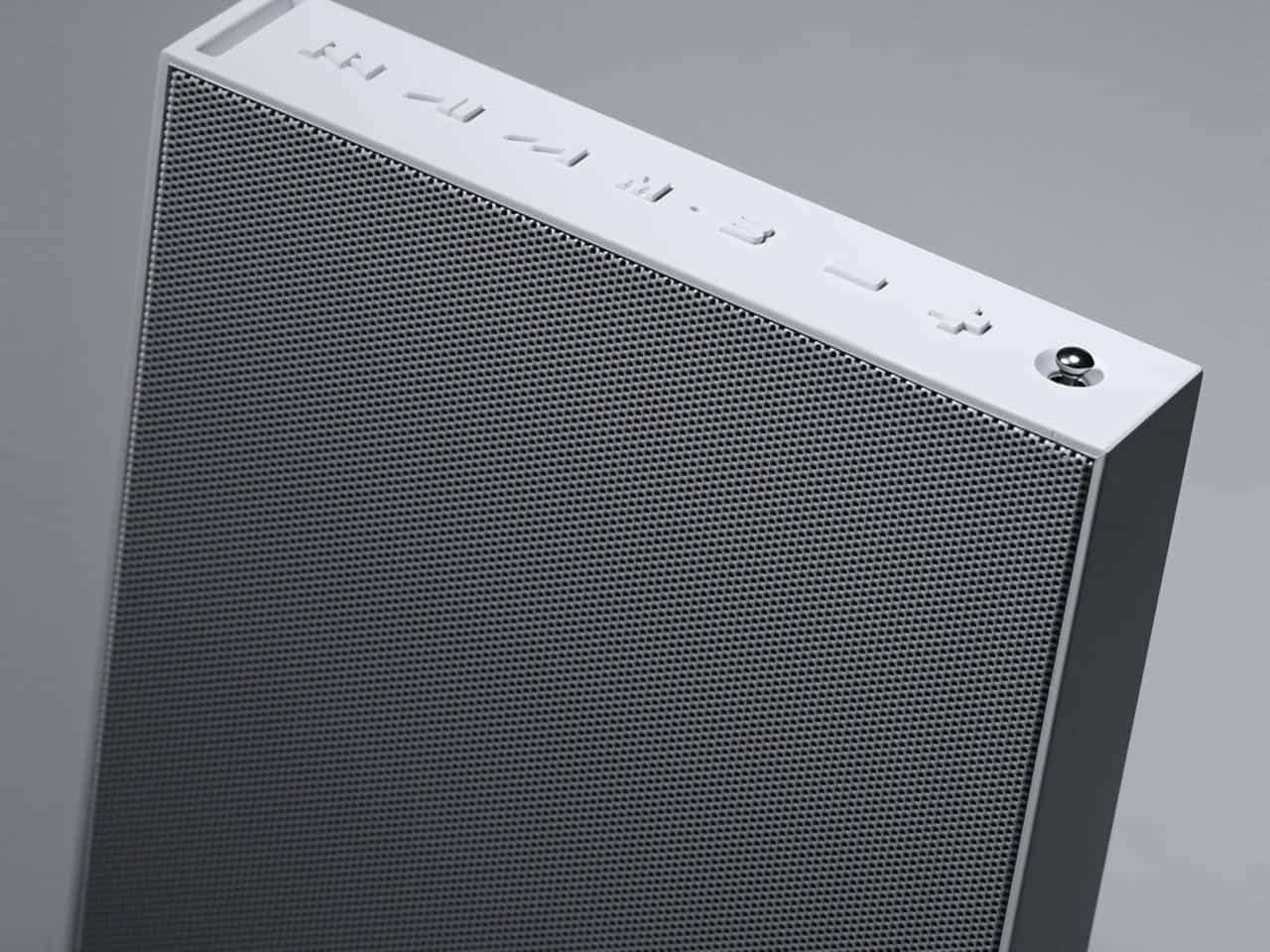
The Sp1 Is More Than a Speaker
At first glance, the Sp1’s front grille keeps things wonderfully simple. Look closer, though, and there’s more happening beneath that calm exterior. A dot-matrix display sits behind the grille, showing the time and playback information without adding a separate rectangular screen to the front.
That decision keeps the speaker from drifting into the familiar territory of gadget clutter. There’s no oversized display demanding attention. Instead, the information appears within the grille when needed, then blends back into the design.
Physical buttons line the top edge, joined by a retractable metal antenna. That antenna is a charming little giveaway: the Sp1 isn’t only intended for streaming or playback from another device. It also works as an FM radio, allowing you to tune in without reaching for a phone.
Inside, the speaker uses two 1.77-inch full-range drivers and two passive radiators. Those components suggest an effort to produce a fuller sound from the compact enclosure, although the specifications alone don’t tell us exactly how powerful or deep the bass will feel in practice.
The Sp1 also supports Bluetooth and microSD playback, giving you alternatives to the Cp1. It can record radio programs as well, which adds a slightly old-school touch to an otherwise modern setup. There’s something appealing about that feature; radio becomes more than background noise when you can save a program for later.
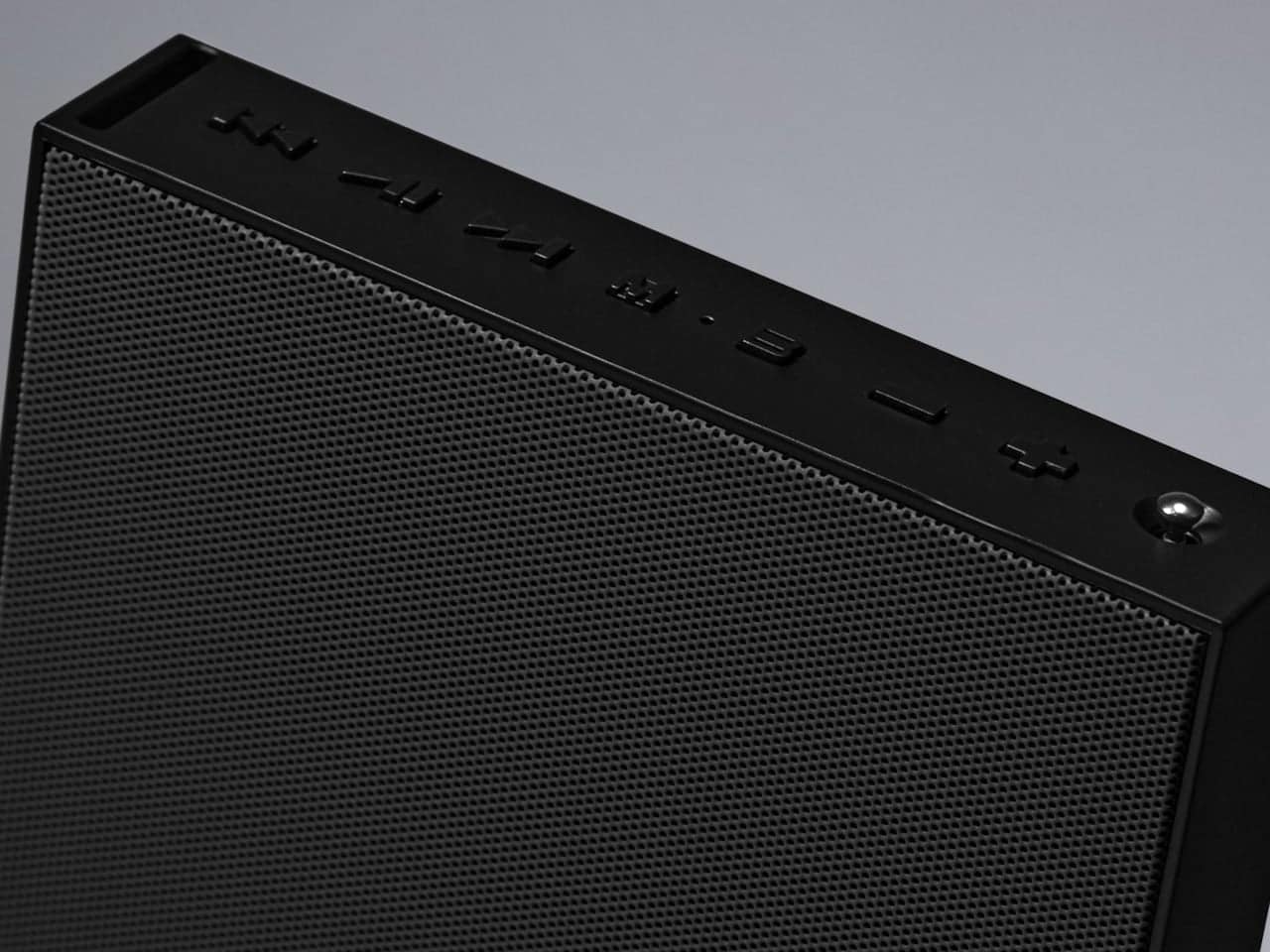
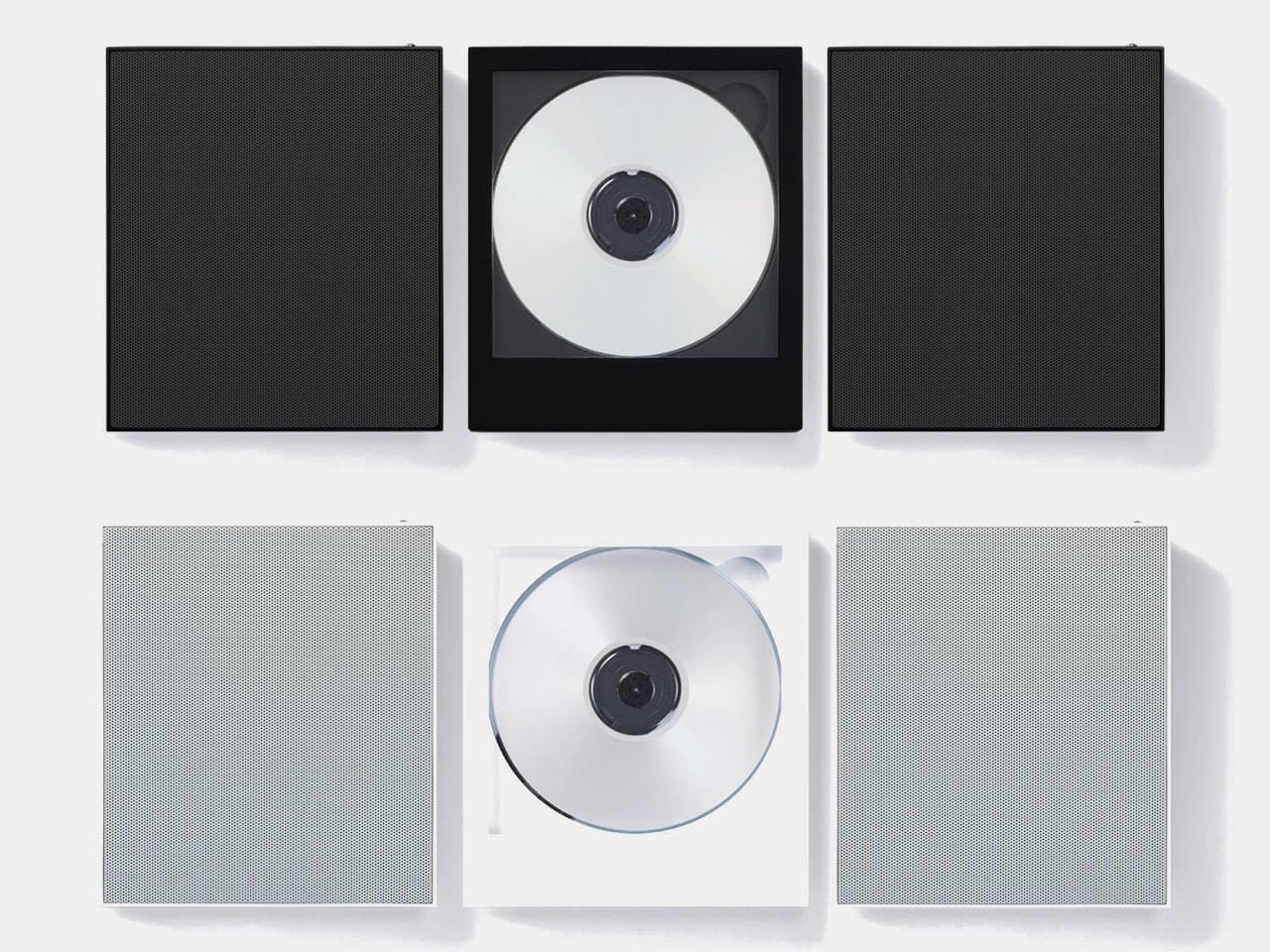
If one Sp1 doesn’t feel like enough, two units can be paired for stereo playback. That gives the system room to grow. You can begin with a single speaker and later create a wider arrangement instead of replacing the original unit altogether.
The Mp1 Turns Listening Into Mixing
The Mp1 takes the same understated frame and fills it with a very different kind of energy. Rather than simply pressing play, you can use the mixer to combine sources, adjust tonal balance, and reshape sections of a track.
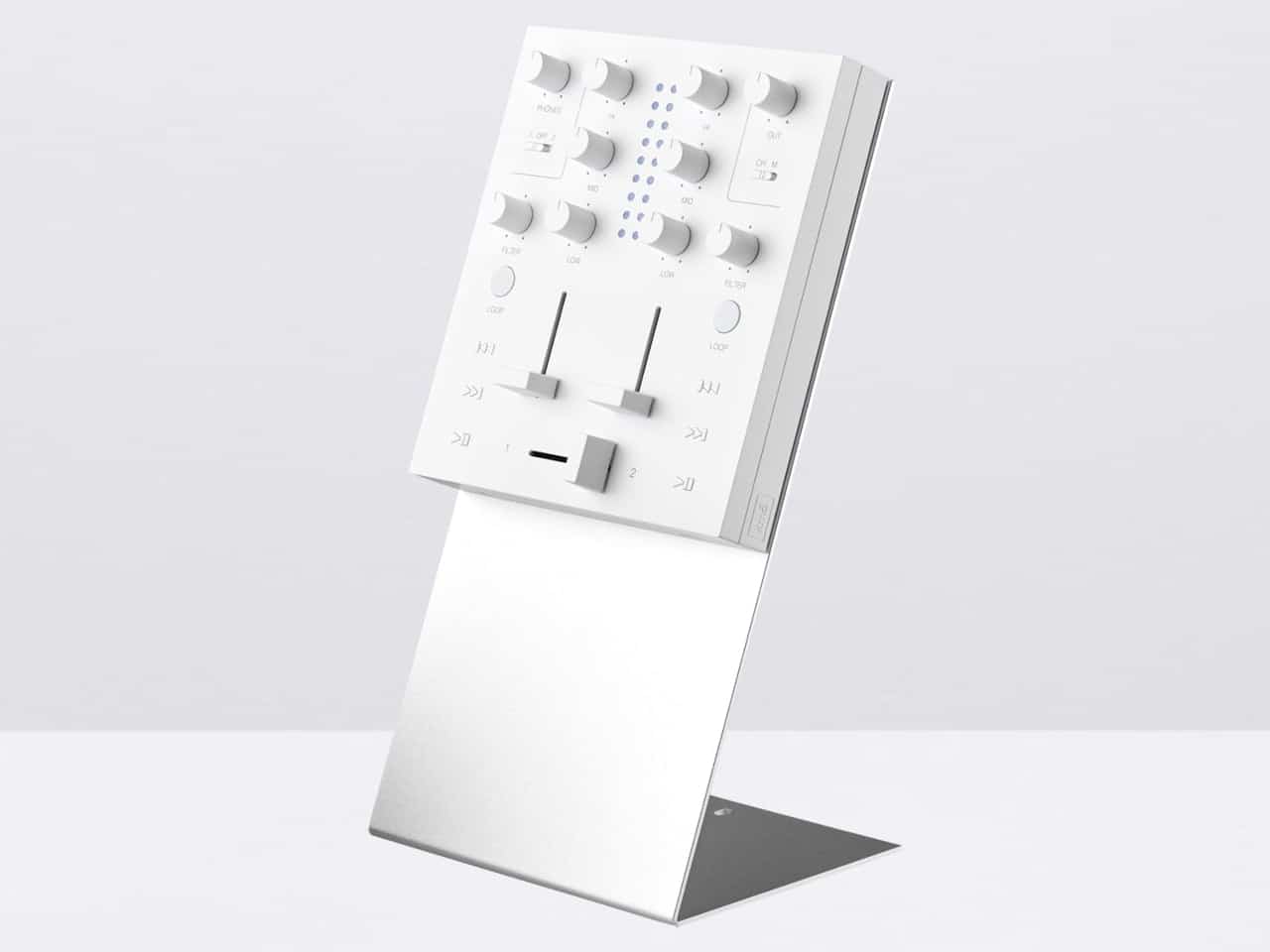
Its two channels feature separate level sliders, allowing you to control how much of each source enters the mix. Beneath them, a crossfader lets you move between those sources, whether you’re making a smooth transition or leaning into something more dramatic.
The Mp1 also includes three-band equalization for bass, midrange, and treble. These controls give you a simple way to bring out a vocal, soften a bright passage, or give the low end more presence. Filters provide another layer of adjustment, changing the character of the sound as you work.
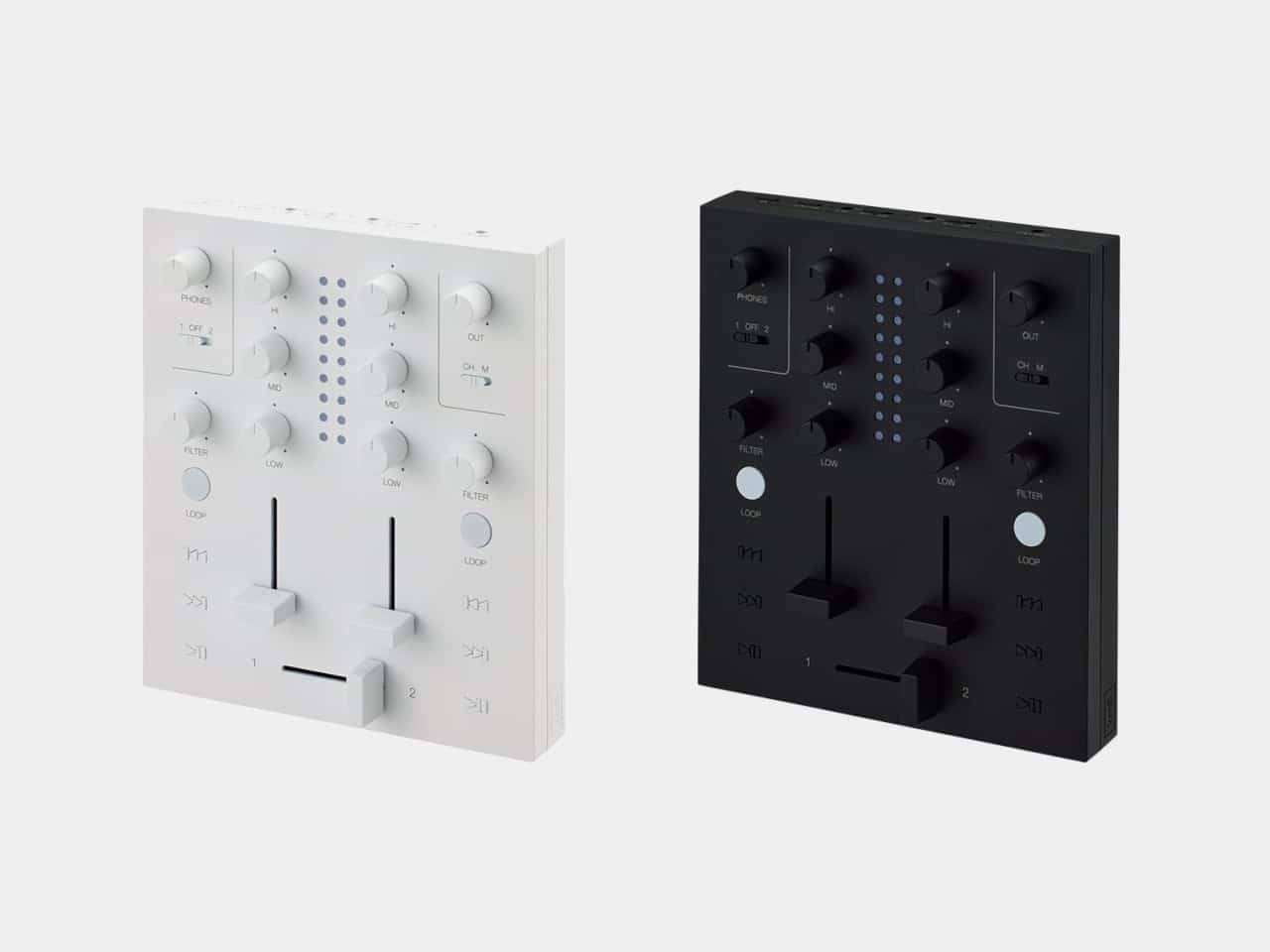
Then come the loop buttons. They let you repeat sections of a track, so a favorite phrase, beat, or instrumental passage can stay in the spotlight for a while longer. It’s a playful feature, especially for listeners who want to interact with an album instead of treating it as a strictly linear experience.
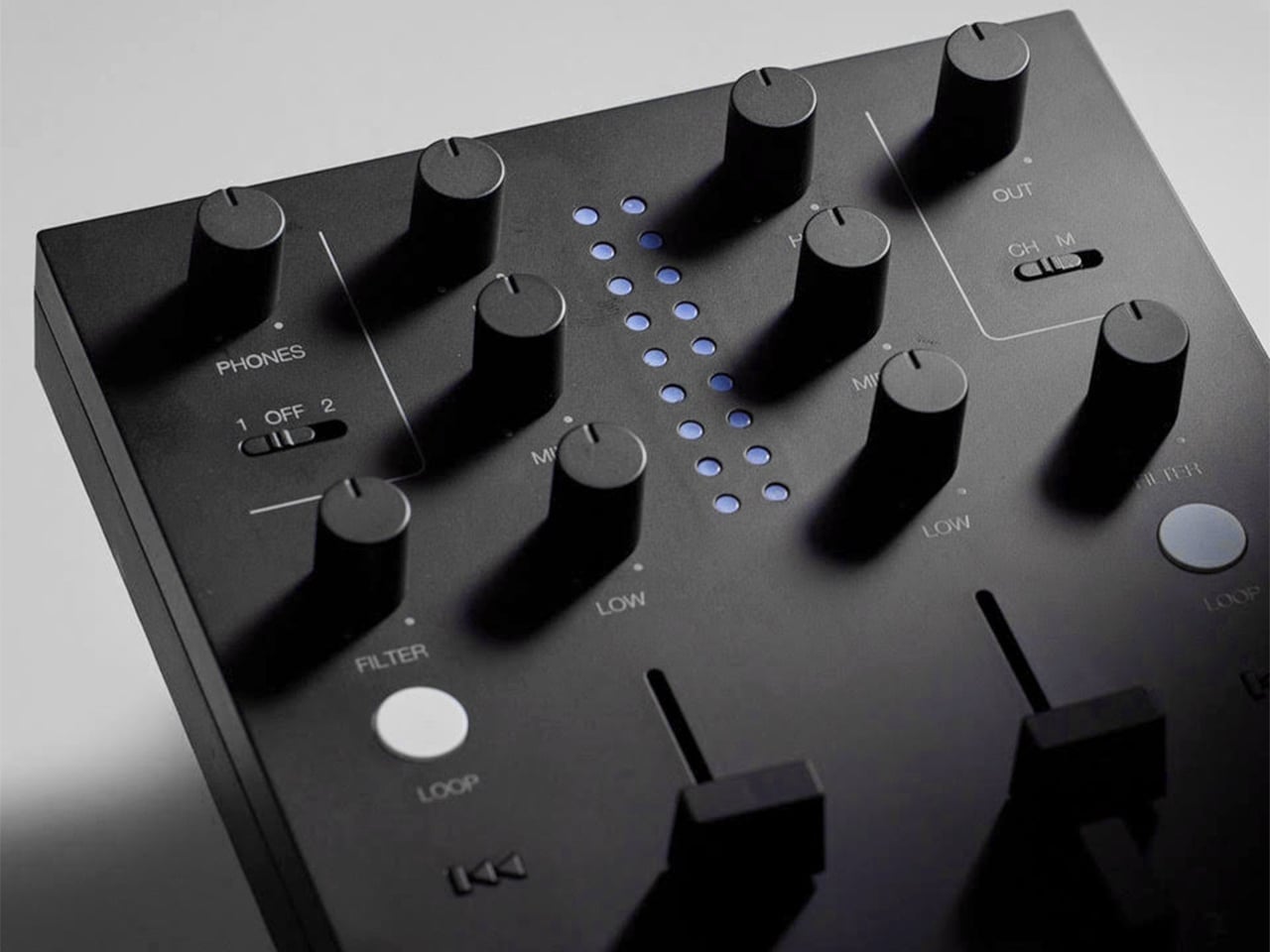
This doesn’t mean every listener has to become a club DJ overnight. The controls can be approached casually. A little EQ adjustment here, a fade there, and suddenly a familiar album feels different—not changed at the source, but newly interpreted by the person listening.
Wireless Sources, With Wired Options Too
The Mp1 includes two Bluetooth inputs, allowing it to receive music from sources such as the Cp1 and a smartphone. The mixer can then send the combined sound wirelessly to a compatible speaker.
That flexibility means you don’t necessarily need to purchase every matching component to make the Mp1 useful. It can work as part of a larger setup, which is a welcome detail for anyone who already owns audio equipment or wants to build gradually.
Line inputs and outputs are also included for wired connections. That gives users another way to connect the system, particularly when a physical cable feels more dependable or when wireless playback isn’t the preferred choice.
The published details don’t establish how much delay a completely wireless arrangement might introduce during mixing. That could matter when timing transitions or trying to align two sources. For relaxed listening, it may be less of a concern; for more precise hands-on mixing, it’s one detail that will need practical testing.
Portable Enough to Leave the Desk
The Sp1 and Mp1 aren’t limited to a permanent desktop arrangement. Built-in batteries make it possible to move the setup around, whether that means taking it to another room or simply clearing the desk for the afternoon.
km5 quotes approximately 12 hours of battery life for the Sp1 and around six hours for the Mp1. The difference is worth keeping in mind. The speaker may still be ready for another album while the mixer is already searching for a charger—an amusingly realistic limitation for a portable music session.
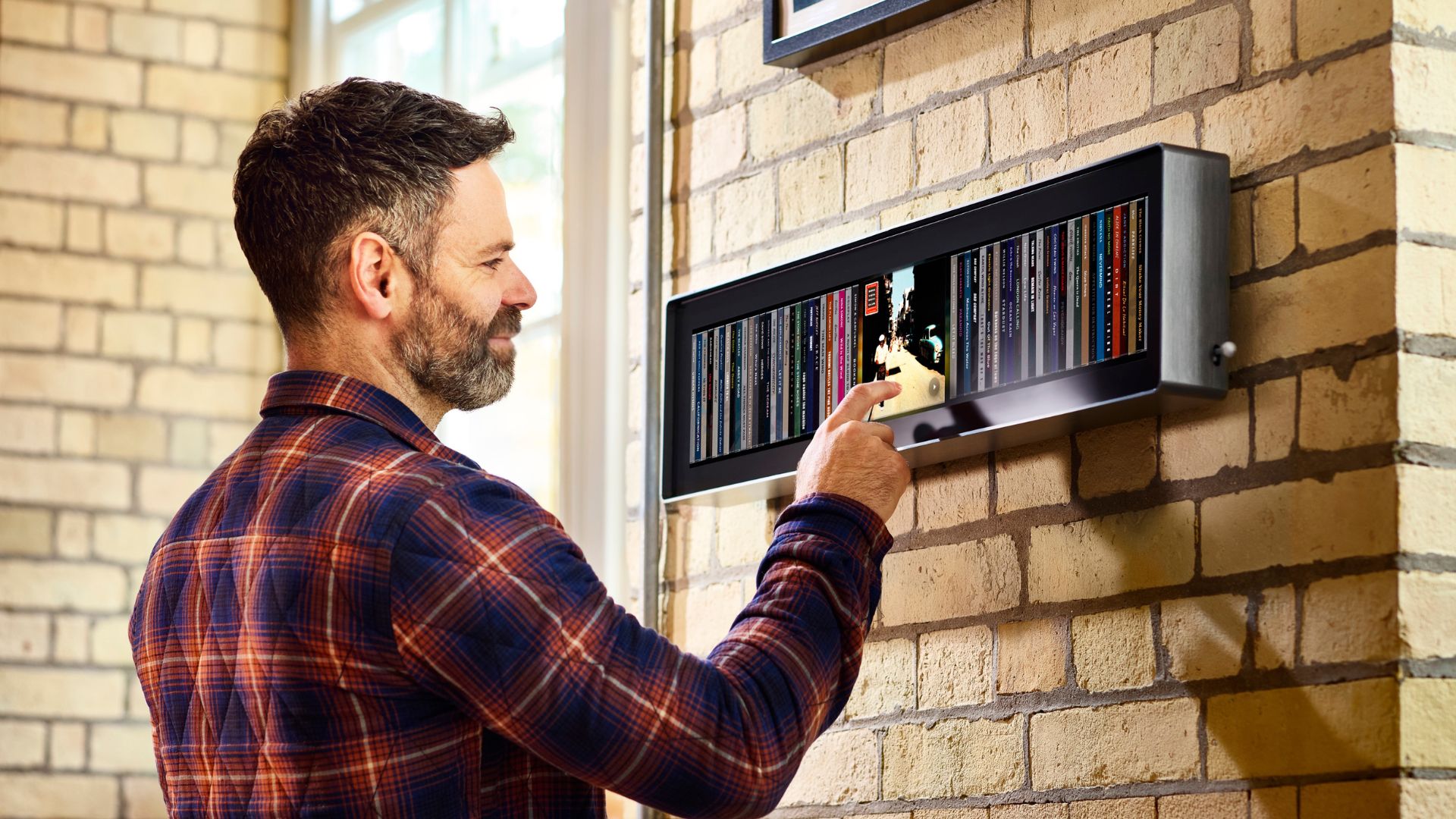
Optional wall-mount accessories offer another placement option. Instead of occupying a table or shelf, the products can become part of the room itself. The Mp1 can even be operated on the wall, which is an unusual but intriguing invitation to stand up, reach over, and make adjustments yourself.
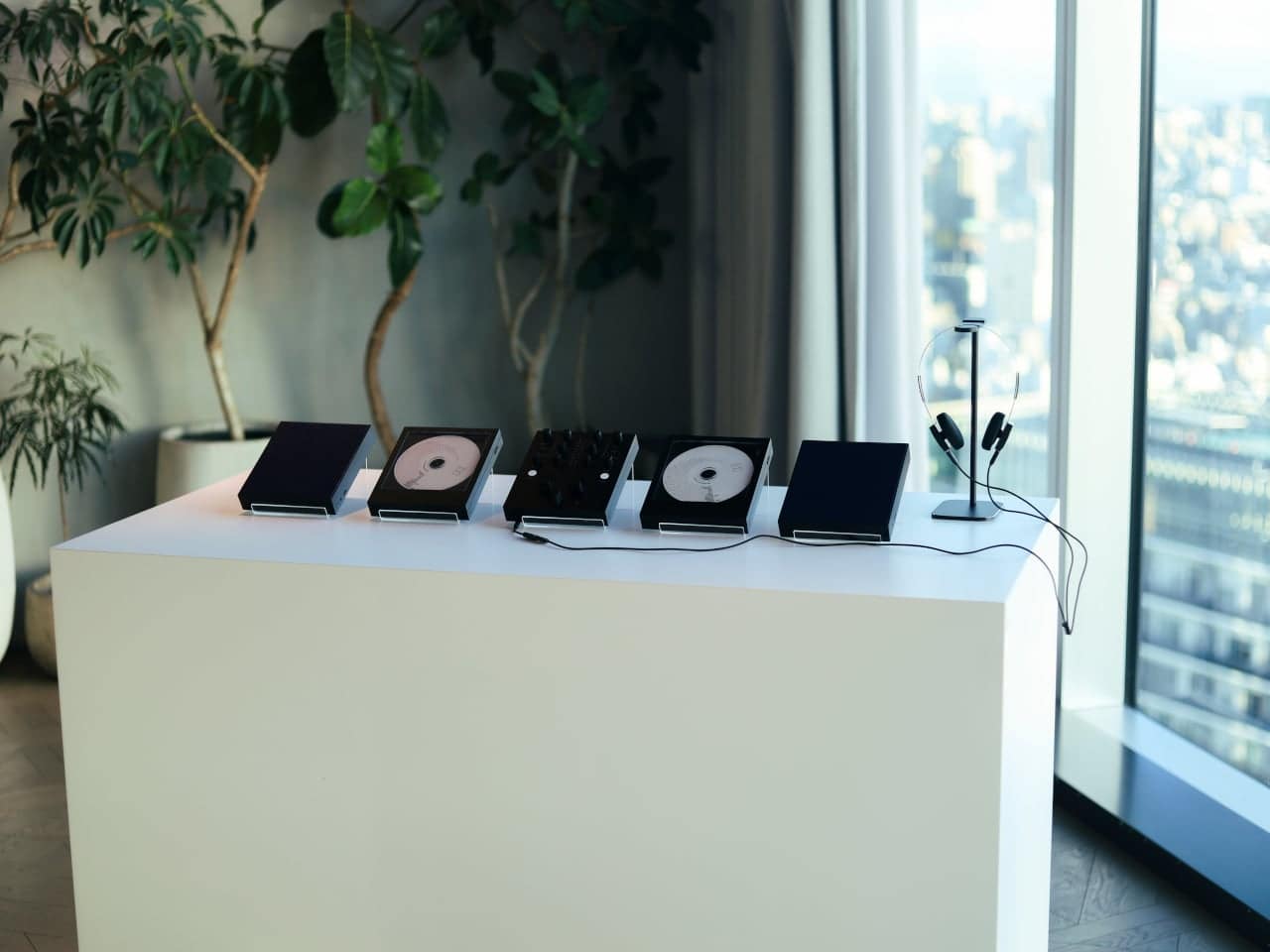
That wall-mounted approach changes the relationship between listener and equipment. The mixer stops being a hidden component tucked beneath a shelf and becomes a visible part of the room’s rhythm. It’s a small nudge toward more active listening—less sofa, more fingertips.
Preorders and Expected Timing
Preorders are scheduled to open on November 16, 2026. km5 expects shipments to begin in February 2027 or later, although pricing has not been confirmed.
For anyone considering the portable setup, the battery figures will be important. Six hours for the Mp1 could cover a good listening session, but the Sp1’s approximately 12-hour rating gives it twice as much endurance. In other words, the speaker may be ready to keep going when the mixing portion of the evening needs a recharge.
That balance between portability and practical battery life will likely shape how people use the system. Some listeners may keep the equipment near a wall outlet, while others might treat the Sp1 as a flexible standalone speaker and bring in the Mp1 when they’re ready to experiment.
Conclusion
The Sp1 and Mp1 give CD listening a more tactile, playful personality. The Sp1 adds FM radio, Bluetooth, microSD playback, recording, and stereo pairing, while the Mp1 brings level controls, EQ, filters, looping, and crossfading into the picture. Together, they turn a minimalist CD setup into something you can see, touch, and actively shape. Would you use the Mp1 for serious mixing, casual album experiments, or a little bit of both?
FAQ
- What are the km5 Sp1 and Mp1?
The Sp1 is a compact speaker designed to accompany km5’s Cp1 CD player, while the Mp1 is a mixer that allows listeners to blend sources and adjust music with physical controls. - Can the Sp1 play music without the Cp1 CD player?
Yes. The Sp1 supports Bluetooth and microSD playback, and it also works as an FM radio. It can record radio programs as well. - Can two Sp1 speakers be used together?
Yes. Two Sp1 units can be paired for stereo playback, allowing the system to create a broader arrangement. - What controls does the Mp1 include?
The Mp1 has two channel level sliders, a crossfader, three-band EQ controls for bass, midrange, and treble, filters, and loop buttons. - When will the Sp1 and Mp1 be available?
Preorders are scheduled to open on November 16, 2026, with shipments expected in February 2027 or later. Pricing has not yet been confirmed.
If physical music still has a special place in your home, a favorite album cover can bring that same feeling to your walls. Browse tasteful music-inspired prints at Architeg Prints.
 | DISCOUNTGET 30% OFF*Use code on your next order:
|
* This post may contain affiliate links, meaning we earn a commission if you make a purchase through these links, at no additional cost to you.