Jojo Headphone Concept Turns Its Cable Into a Yo-Yo-Style Headband


Jojo Headphone Concept Turns Its Cable Into a Yo-Yo-Style Headband
The Jojo headphone concept replaces bulky sliders with rotating ear cups, turning a simple cable into the headband and the main design feature.
A Cable With a Bigger Job
Headphone cables are usually the part we tolerate. They dangle from an ear cup, snag on a jacket zipper, and spend most of their lives being treated like an afterthought. The Jojo headphone concept takes that familiar nuisance and gives it a starring role.
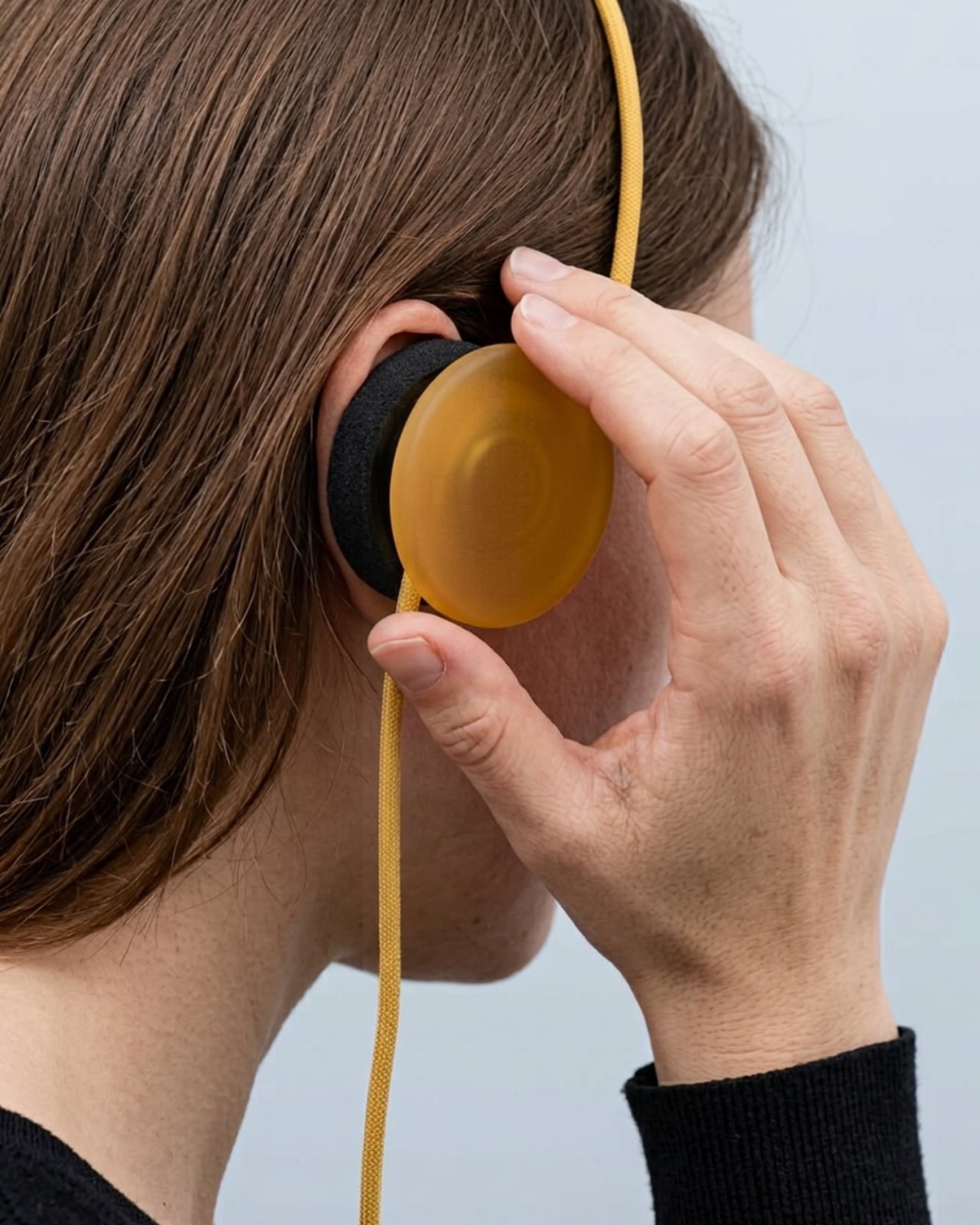
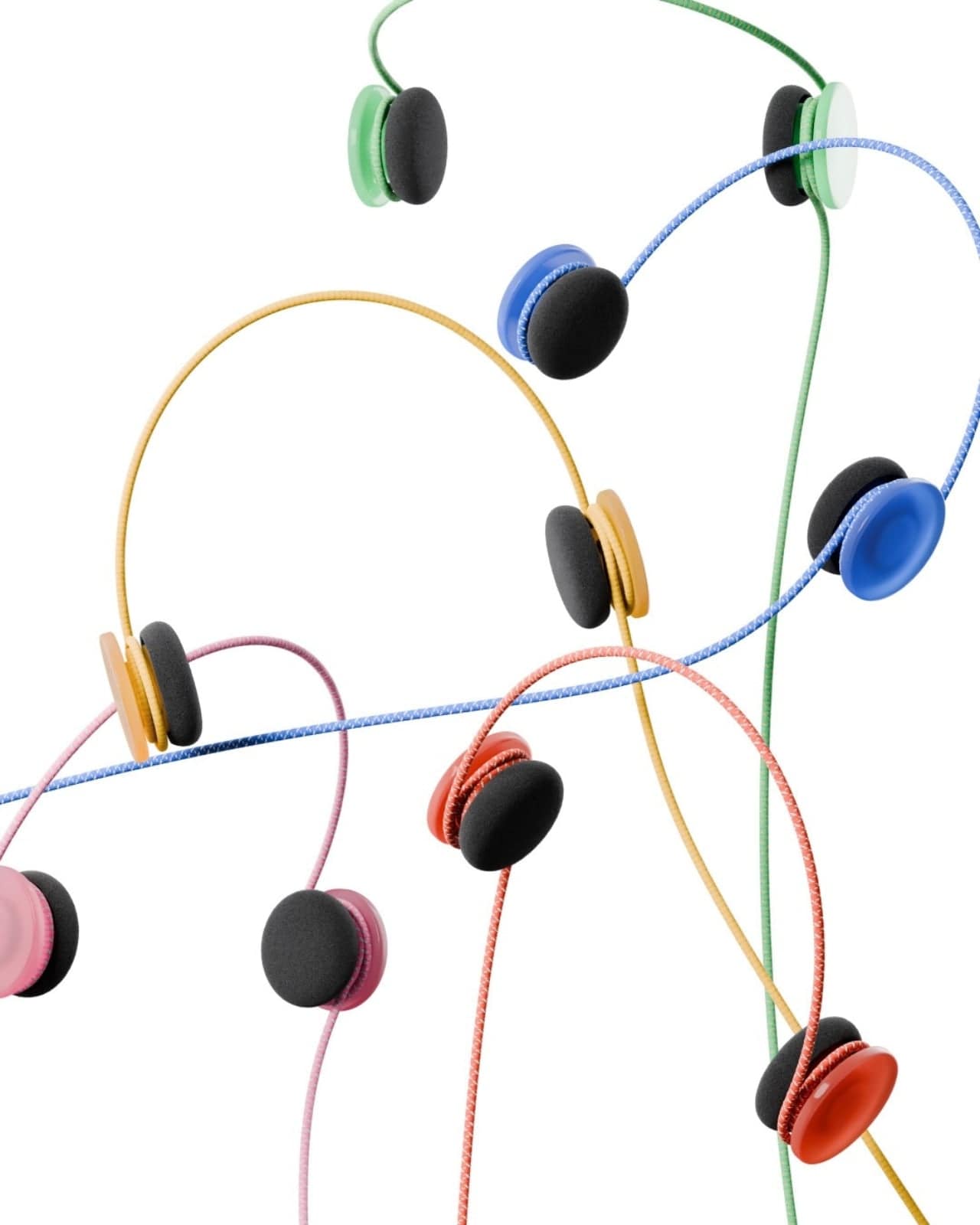
Created by All Design Lab, Jojo uses the cable as the headband itself. Instead of relying on a separate rigid support structure with sliding arms, the concept allows the ear cups to rotate, winding or releasing the cable to adjust the fit. It’s a wonderfully direct idea: fewer visible parts, one continuous route, and an interaction that feels more like handling a clever object than adjusting ordinary headphones.
Why the Simplicity Feels So Fresh
What catches my attention is that the design doesn’t try to hide the wire. Many contemporary headphones disguise their cables, hinges, and adjustment arms beneath smooth plastic shells. Jojo does the opposite. It asks how much of the cable can become part of the product.
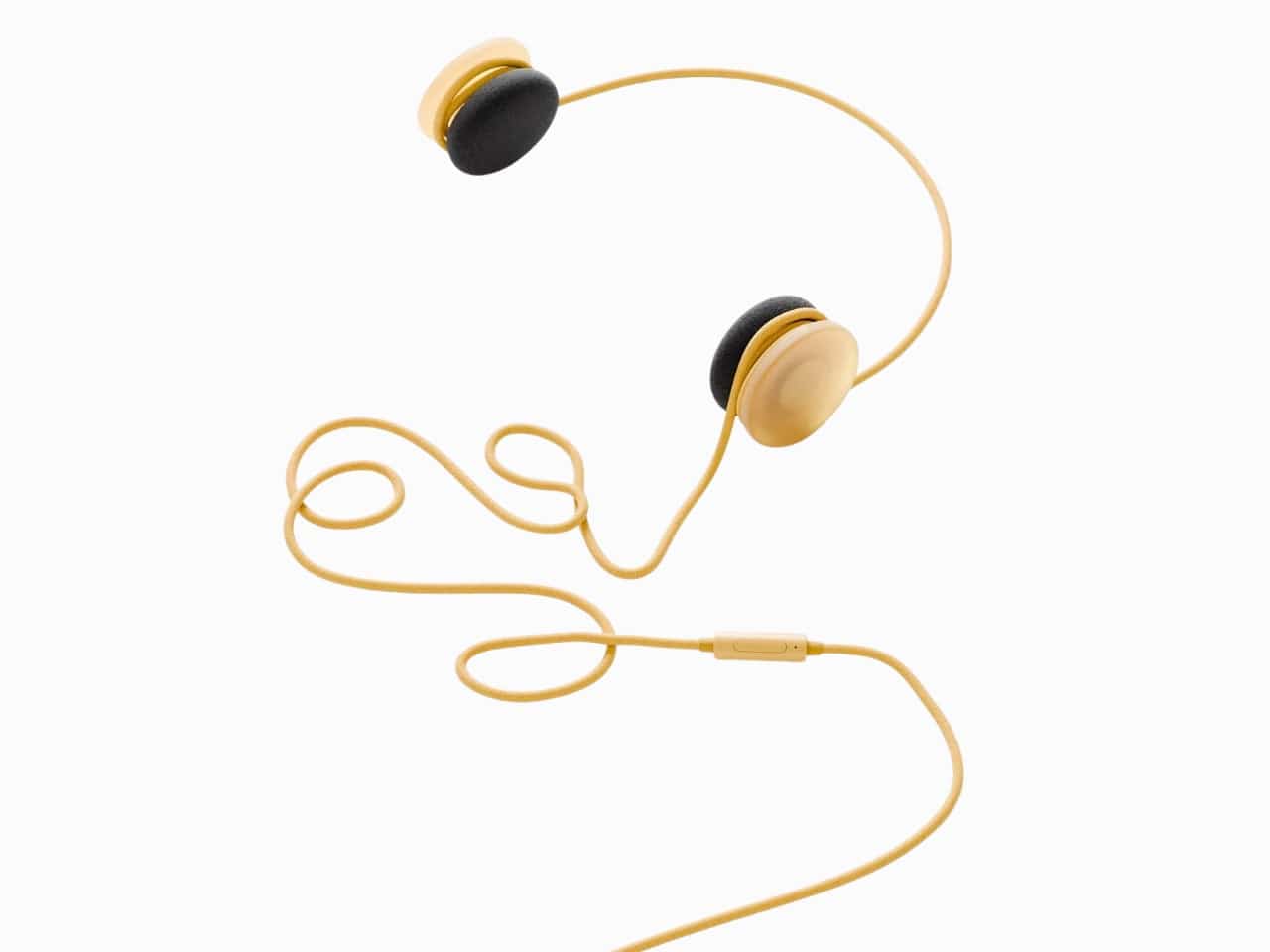
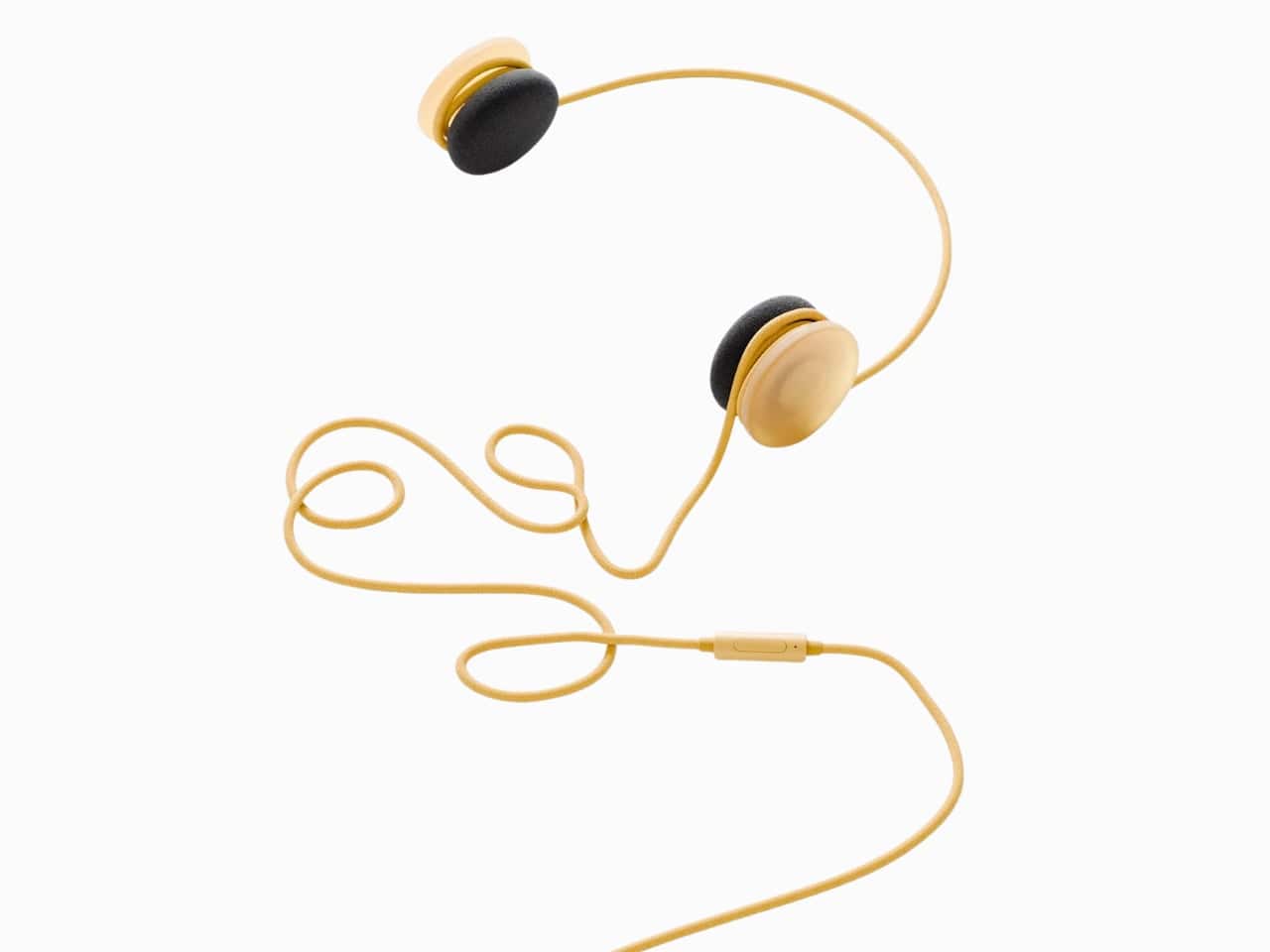
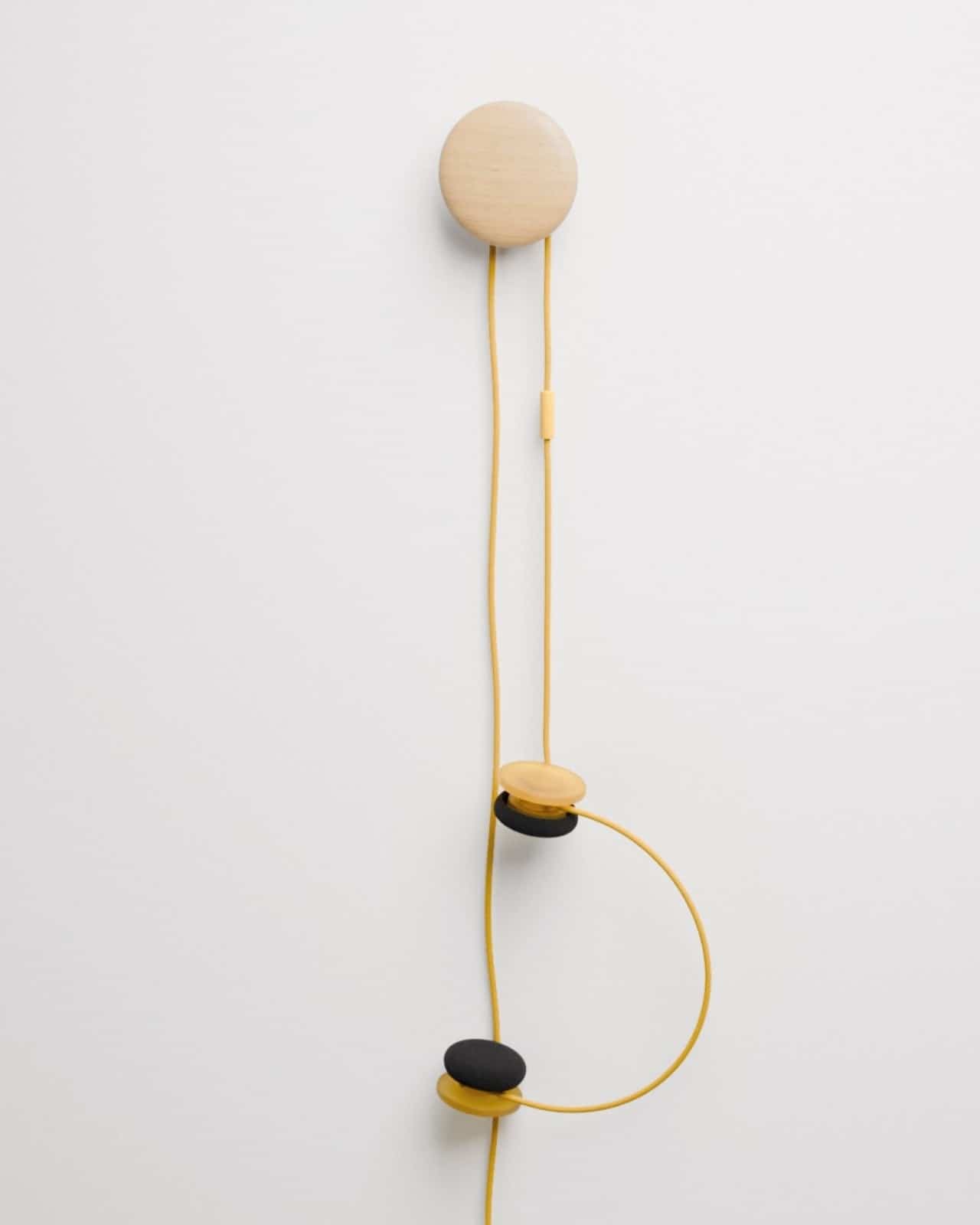
That makes the concept easy to understand at a glance. There are two ear cups, dark cushions, and a cord tracing a continuous path from one side to the other. Nothing feels unnecessarily ornamental. Even before knowing how the mechanism works, you can see that the cable is not merely carrying audio; it is shaping the entire object.
There’s a nostalgic quality to that honesty, too. It recalls a time when product design allowed functional elements to remain visible instead of smoothing everything into an anonymous black oval. Jojo feels almost playful because it shows you the trick.
Designer: All Design Lab
A Continuous Route From Plug to Ear Cup
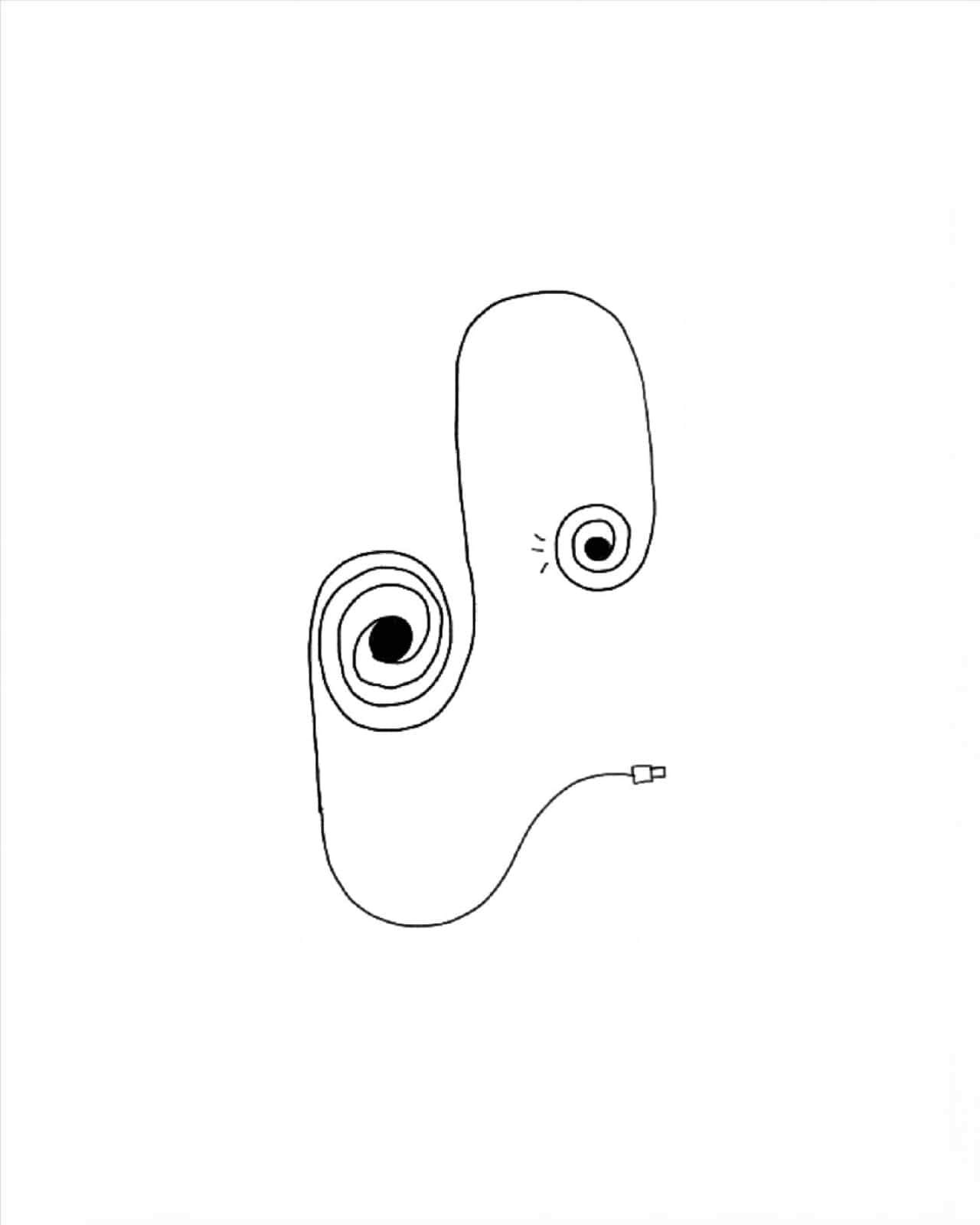
The cable begins at a USB-C plug, travels through a compact inline remote, and enters the first ear cup. From there, it arches over the wearer’s head, forming the band before winding into the second cup.
That continuous path is what gives Jojo its “single-cable” character. It doesn’t mean the headphones contain only one physical component. The concept still needs drivers, cushions, covers, internal hubs, and an adjustment mechanism. Instead, the phrase describes the visible and structural journey of the cable from one end of the product to the other.
It’s a neat visual decision because it removes the usual visual break between cable and headband. In a typical pair of wired headphones, the cable exits the ear cup and the headband does something entirely different. Here, both functions are handled by the same long, looping element.
The Yo-Yo Mechanism Explains Everything
The yo-yo comparison isn’t just a catchy description. It explains the main interaction.
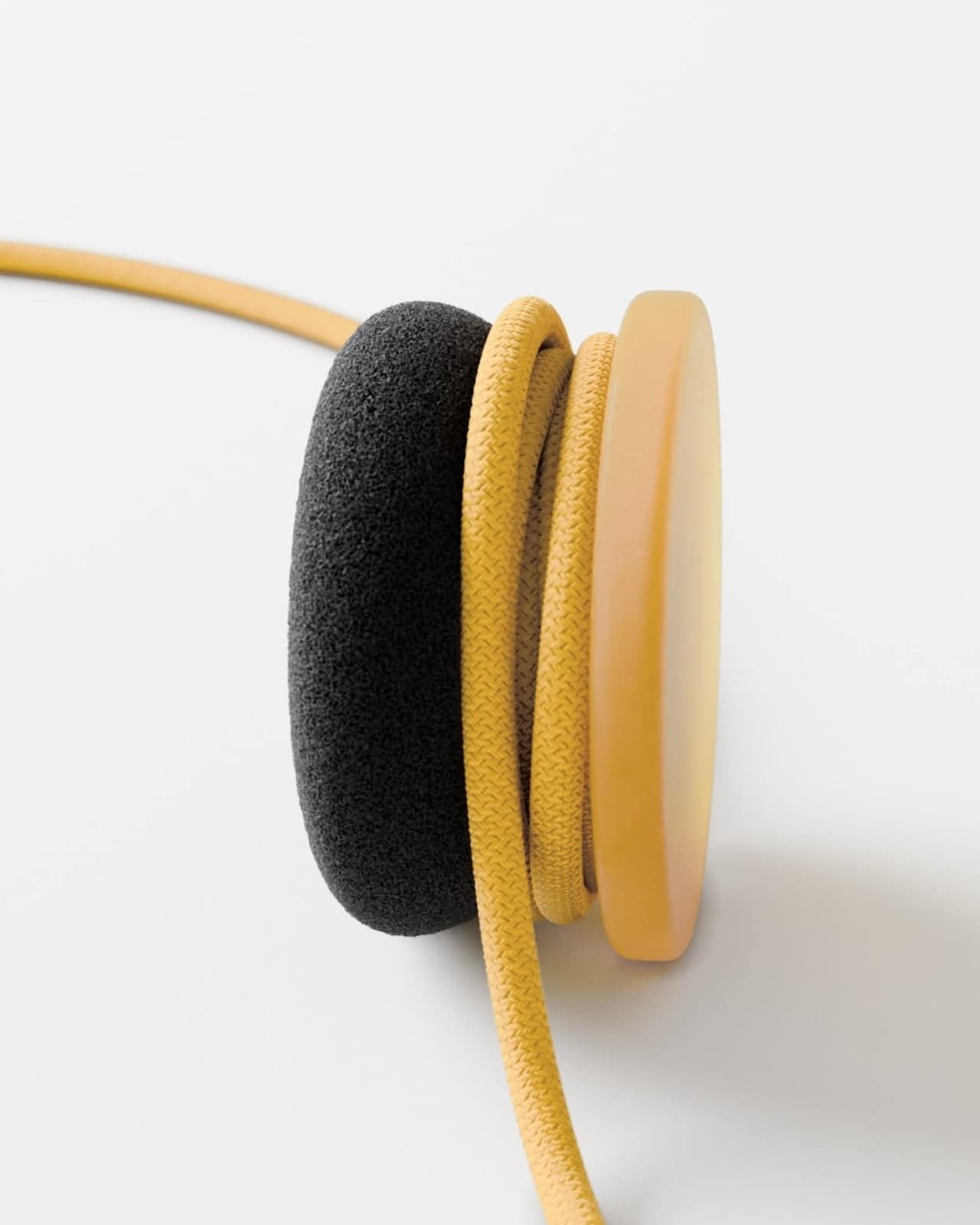
Rotate the outer cover of an ear cup, and the internal hub winds the cable in or lets more of it out. That changes the amount of cable available for the headband, allowing the ear cups to move closer together or farther apart. Instead of pulling a telescoping arm from a housing, you turn a disc beside your ear.
That’s the sort of small gesture that makes a concept memorable. The adjustment isn’t hidden away in a tiny slider or stiff hinge. The part you touch is also the part that visibly changes the product’s shape. It’s a little like winding a toy, only the result is a more personal fit rather than a spinning propeller.
On paper, the logic is satisfying. The object explains itself through movement, which is always a welcome quality in product design. You don’t need a complicated diagram to understand that turning the cup changes the cable length.
Stepped Adjustments, Without Moving the Cushion
Inside the hub, a ratchet is proposed to provide small, stepped adjustments. Once the cable reaches the preferred length, the mechanism holds it in place rather than allowing it to slip back freely.
The more thoughtful detail is what happens at the ear. The cushion is intended to remain stationary against the ear while the outer cover, hub, and driver rotate together. That distinction matters. If the foam cushion rotated with the shell and dragged across the skin each time the fit was changed, the playful mechanism could become irritating very quickly.
Anyone who has adjusted headphones while wearing them knows how easily a tiny annoyance can ruin the experience. A cushion shifting, twisting, or pulling at the ear can make a product feel unfinished. By keeping the contact surface still, Jojo separates the adjustment motion from the part responsible for comfort.
Materials That Make the Idea Visible
The proposed materials support the concept’s visual language. A braided textile cable would read clearly as a cord rather than a disguised plastic headband. It could also reinforce the idea that the cable is flexible enough to wind around the hubs.
Frosted translucent covers would offer a partial view of the mechanism inside the ear cups. That choice adds just enough visual curiosity without turning the headphones into a technical display piece. You might see hints of the winding system while still getting a clean, calm exterior.
The black foam cushions keep the areas touching the ears simple and familiar. They provide a visual anchor against the more unusual cable and translucent components. It’s a restrained palette, but not a boring one. The contrast between soft black foam, woven cable, and hazy transparent covers gives the concept a recognizable personality.
I especially like that the cable remains prominent instead of being disguised as a conventional support arm. The entire point of Jojo is that the cord has been promoted from necessary accessory to central structure.
The Remote Keeps Everyday Controls Separate
The inline remote follows the same compact approach. It houses a microphone and volume rocker, placing routine controls on the cable rather than crowding the ear cups.
That separation feels practical. The ear cups already have an unusual job: rotating to adjust the fit. Adding volume controls to the same surface could make the experience confusing, especially when you’re reaching by touch and can’t see which part you’re pressing.
A volume change should be quick and automatic. Fit adjustment, by contrast, is a more deliberate physical action. Keeping those two tasks apart gives each interaction a clear place. The cable handles communication and volume, while the ear cups handle positioning.
The Big Question: Can a Cable Be a Comfortable Headband?
This is where the charming concept meets the less glamorous reality of engineering. A cable used as a headband needs to do several things at once. It must remain flexible enough to wind around the hubs, but it also needs enough structure to hold an arch over the head and help keep the ear cups positioned correctly.
Comfort is the question I’d want answered first. How would the pressure feel across the top of the head? Would the cable settle gently, or would it create a narrow contact point? Would the ear cups remain stable while walking, turning, or reaching for something in a bag?
These questions can’t be resolved through a polished render alone. The idea looks wonderfully clear in still images, but wearability depends on the cable’s stiffness, texture, tension, and weight. A support that looks elegant from the side could feel surprisingly different after an hour of use.
Winding the Cable Again and Again
Repeated winding raises another important concern. The cable is responsible for both electrical and structural work, so its durability would matter more than it does in a typical pair of wired headphones.
Every adjustment would bend the cable around the internal hub. Over time, that repeated movement could affect the outer braid, the internal conductors, or the way the cable maintains its shape. The design would need to account for those stresses without losing the smoothness of the yo-yo-like action.
Repairability would also deserve serious attention. A continuous cable creates a wonderfully clean visual story, but elegance doesn’t automatically make replacement easy. If one section became damaged, could it be replaced independently? Would the hubs open without damaging the ear cups? Could the cable be serviced without dismantling the entire product?
Those aren’t reasons to dismiss Jojo. In fact, they’re the questions that make the concept worth discussing. The core idea is strong enough that it deserves a path toward practical answers.
A Familiar Gesture With a New Purpose
Jojo remains a concept rather than a demonstrated listening experience. There’s no confirmed real-world test here to prove how the adjustment feels, how securely the headphones stay in place, or how the cable performs after repeated use.
Still, the proposed interaction has real appeal. Rotating the outer cup is a familiar little gesture, but it produces an unusually visible result: the overall shape of the headphones changes as the fit is adjusted. You can understand what happened because you can see the cable being gathered or released.
That kind of physical feedback is increasingly rare in a world of touch controls and hidden mechanisms. Jojo brings back the pleasure of turning, winding, and feeling a mechanism respond beneath your fingers.
A Clever Concept That Needs Real-World Proof
The Jojo headphone concept succeeds because it gives one overlooked component a much larger role. The cable is no longer simply something trailing from the ear cup. It becomes the headband, the visible signature, and the key to adjusting the fit.
Whether it could become a comfortable, durable product would depend on details that still need testing: cable tension, pressure distribution, ratchet reliability, long-term bending, and repair access. But the design’s central gesture is hard to forget. If Jojo can make that twist feel dependable without turning the headband into a nuisance, the cable may have earned its place at center stage.
Jojo is the kind of concept that makes an ordinary object feel newly intriguing. Would you wear headphones that adjusted by winding their cable like a yo-yo, or would you still prefer the dependable familiarity of a sliding band?
FAQ
- What is the Jojo headphone concept?
Jojo is a wired headphone concept by All Design Lab that uses its cable as the headband. Its ear cups rotate to adjust the cable’s length and change the fit. - How does Jojo adjust without sliders?
Turning the outer cover of an ear cup winds the cable into an internal hub or releases more cable. A ratchet mechanism is intended to hold the selected length. - Does the ear cushion rotate during adjustment?
The concept proposes that the cushion stays still against the ear while the outer cover, hub, and driver rotate together. This is intended to prevent the foam from dragging across the skin. - What controls are included on the cable?
The compact inline remote houses a microphone and volume rocker, keeping everyday controls separate from the rotating ear-cup adjustment system. - Is Jojo available as a commercial headphone?
Jojo is presented as a concept, so its long-term comfort, durability, repairability, and listening performance have not been demonstrated in the provided material.
If Jojo’s blend of visible mechanics and playful simplicity speaks to you, browse our favorite album cover posters for another way to bring music-centered design into your space.
 | DISCOUNTGET 30% OFF*Use code on your next order:
|
* This post may contain affiliate links, meaning we earn a commission if you make a purchase through these links, at no additional cost to you.