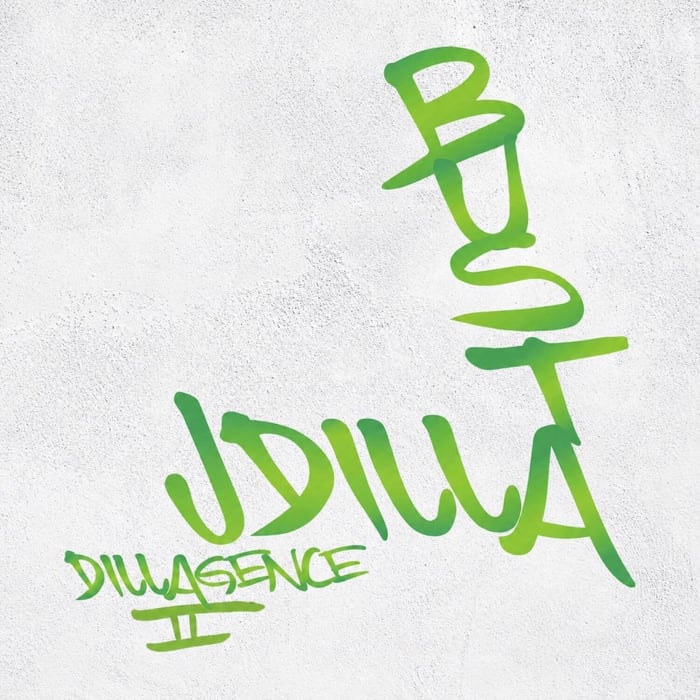
DILLAGENCE II Review: Busta Rhymes Raps Over J Dilla Like He’s Late


 See more Architeg Prints stories on Google.
Album Review: DILLAGENCE II by Busta Rhymes & J Dilla
DILLAGENCE II pairs Busta Rhymes with J Dilla’s pre-2006 beats—brilliant when Busta slows down, messy when he argues with ghosts.
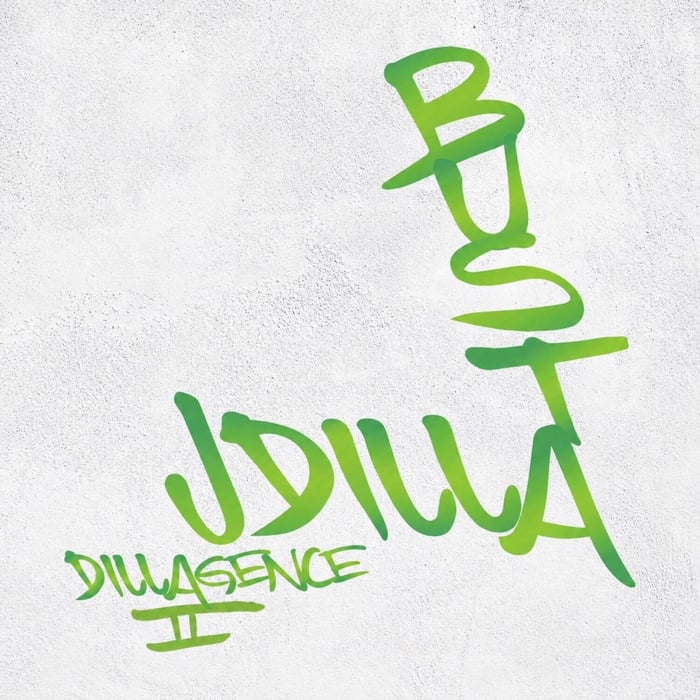
Courtesy of The Conglomerate Inc.
A record built on a time mismatch (and it knows it)
Here’s the weird truth at the center of DILLAGENCE II: half of what you’re hearing is frozen in amber, and the other half is a living, breathing 54-year-old trying to shake hands with it.
The beats—J Dilla’s beats—are locked. Whatever got decided in that MPC universe got decided before 2006. The only thing that can move now is Busta Rhymes: his voice, his choices, his instincts, his ego, his restraint (or lack of it). And that’s exactly why this sequel feels less like a “collab album” and more like a negotiation across time.
A reasonable listener could call that premise disrespectful—like messing with a legend’s unfinished business. I hear it differently: this album is Busta admitting he can’t out-run Dilla’s timing, so he has to learn how to live inside it.
Busta’s always been a drummer—this is him admitting it
The thing people forget about Busta is he doesn’t treat rapping like “lyrics.” He treats it like percussion. You can hear that mindset all over this tape: the way he places syllables in the empty air between kick and snare, the way he chops phrases into bursts, the way he turns breath into bounce.
That tracks with his origin story too—he started drumming as a kid, got a Remo six-piece kit at seven, and never stopped thinking like a rhythm player. And Dilla? Dilla’s drum programming always sounded like it had a pulse and a limp at the same time—straight time and swing rubbing each other raw, that off-grid push-pull that feels more human than “perfect.”
This is the first big idea DILLAGENCE II is quietly pushing: Busta can’t just do his usual speed-flex over these beats. The pockets are too opinionated. They don’t “support” a rapper; they dare him to behave.
“I’ve never tried the speed rap on a Dilla beat. It doesn’t warrant that.” — Busta Rhymes
And yeah, that quote basically becomes the rulebook for the album—when he follows it.
The big creative gamble: Busta’s modern process vs. old beats
Busta doesn’t write verses the old way anymore. No notebook grind, no slowly carving out a perfect sixteen. Instead, he records like he’s fishing: he sits in front of the mic and says the verse as it arrives. Some days that net comes up full; some days it comes up holding… not much.
That method makes the whole project even stranger. These beats have been sitting finished for years—like sealed jars from a past era—while Busta’s approach is deliberately impulsive and present-tense. So DILLAGENCE II isn’t just “new Busta over old Dilla.” It’s improvisational memory trying to lock into something that was already complete before the world changed.
I kept waiting for the album to smooth that contradiction out. It doesn’t. It leans into it. Sometimes that tension sparks. Sometimes it just sits there, awkwardly, like two friends who only know each other from group chats.
“How the Boss Will Deliver” is Busta as a one-man tornado
The first rap on “How the Boss Will Deliver” hits like a compressed freestyle grenade—one take, in and out in under a minute and a half, ideas stacked so tight they start sweating.
What makes it work is that his threats don’t just aim at enemies. They keep bending toward music itself, like he’s beefing with the beat and flirting with it at the same time. The best lines are the ones where he turns brags into craft talk—promising to “chatter the beat up” like a producer would, then pivoting into Motown imagery with that Spinners flip about “spinning the block.”
It’s funny, but it’s also revealing: Busta sounds most alive here when he’s treating rap like a physical object he can bend. You could argue it’s not even a “song” as much as proof-of-life. I wouldn’t fight you.
“This Woman” sounds like a séance that somehow grooves
There’s a moment on this album that’s honestly hard to process emotionally, even if you’re not trying to be sentimental about it.
“This Woman” carries a hook recorded in a room started decades ago and left unfinished—D’Angelo and Dilla in the same space, then time doing what time does. Hearing that hook now feels like two absences stacked on top of each other, and Busta has to write into the negative space without turning it into a museum exhibit.
He doesn’t go for grief. He goes for description—almost cinematic, almost ridiculous in its detail. He frames this woman like she’s being greeted in a lobby, like being a concierge is a hobby; he throws out Dorothy Dandridge energy; he turns her into a Caribbean queen; he even lets himself shrink into a little Billy Ocean.
A listener could call that too much. I get it. But I think the excess is the point: Busta fills the room because silence would feel like admitting nobody’s coming back.
“Drugs” is where the concept actually turns honest
At first, “Drugs” looks like it’s going to do that tired metaphor thing—rap as addiction, music as the high, blah blah. I almost rolled my eyes on the first few seconds.
Then the verse hits, and he does the unglamorous labor that makes the metaphor earn its keep: fourteen hours to bag a whole key, blood in the coke, numb fingers from the blade. He makes the work ugly on purpose so the turn actually lands when it flips into: “I got that drug for the street like a doctor prescribin’.”
That’s the trick: the drug becomes the rapping itself, the thing that keeps the listener’s mouth open even when they know they shouldn’t be impressed anymore. And with C.S. Armstrong singing the fiend side of the deal on the chorus, Busta slows down into this dealer-counting cadence—measured, controlled, almost businesslike.
Hot take: this might be the best use of Busta’s maturity on the entire record. The younger him would’ve overperformed it. The older him lets the math show.
“Love & War” is older-rapper writing that actually earns its age
“Love & War” doesn’t pretend Busta is 25. It complains like a man who’s watched the culture rot in real time and is tired of pretending that’s “content.”
He’s sick of the matrix, asking for the glitch to disappear—then he zeroes in on a detail that feels painfully current: people filming a crisis before they help, just so they can post it. That’s not a “rap observation.” That’s a fed-up human observation.
Talib Kweli comes in and drags the problem into the house: when did love become competition, when did it become love and war. He talks through apologies like they’re structural beams—something civilization literally collapses without. And he makes a sharp point: the same qualities you fall for become the ones you run from.
A younger version of either rapper couldn’t have written these verses in the mid-’90s. That’s not nostalgia; it’s growth. If you don’t hear that, you’re listening for the wrong thing.
“Entry” turns mentorship into a pressure test
Busta has always talked about being brought onto stages early—veterans seeing potential, pointing at the future, pulling him into it. On DILLAGENCE II, you can feel him trying to return that energy: he’s the guy on camera every few months giving a younger artist their flowers.
But “Entry” is the version of that love that actually matters: he shares the track.
La Reezy takes over right after Busta hands off “golden lyrics,” and she doesn’t treat it like a polite co-sign. She insists on serving it fresh, like the skillet’s still hot. Her verse is full of vivid, strange motion—life as ballet where she has to outdance the devil just to dance with the stars; Louisiana rendered in wild images; a matrix she breaks through. And she lands this blunt little victory lap about bolting the door against idiots while she stayed great and they stayed medium well.
Arguable claim: La Reezy doesn’t just “feature” here—she resets the temperature of the album. If you think this project is only about Busta and Dilla, this track corrects you.
“Talk Ya Shit” and “Kingpin” feel like guests walking into Dilla’s house
Some of the guests show up the way Busta says he shows up for features: stepping into the situation rather than trying to remodel it.
On “Talk Ya Shit,” Lil Wayne raps on a Dilla beat for the first time. That should sound like a novelty, but it doesn’t play like stunt casting. It plays like salvage that somehow still feels like fresh tape—Wayne taking one shot for pain, one drag for sorrow, reporting his health in banking terms, using “Wells Fargo” as a stand-in for “well.” It’s a small clever move that stays in your ear.
“Kingpin (Knock Ya Head Off)” is the track where the room finally fills all the way out. Anderson .Paak sings the hook in this chilly, seasonal tone—like he’s wearing a coat indoors. Busta brags he’d rob a bank if feeding his kids required it, which is an insane sentence to say casually, but that’s Busta: he makes criminal desperation sound like fatherly practicality.
Then Ludacris shows up sounding weirdly reinvigorated, listing joy like a receipt: an advance blown on a Picasso, rugs bought in Morocco, and rival live shows dismissed as crowds full of mannequins.
You could argue this is the album briefly turning into a rap party. I’d argue it’s more specific than that: it’s Busta building a living circle around Dilla’s absent center, like noise is a form of respect.
When it slips: “How You Want It,” “Shoo,” and the budget-rap problem
Not every track earns its existence. And the misses here are extra frustrating because the premise is so loaded.
“How You Want It” is Busta doing a wealth-boast inventory—Benz truck low to the ground, cream interior, mansion furnished in every wing, leather seats soft as coconut custard—then the third verse casually assumes his place in the top echelon of all time.
Here’s my uncertainty: I can’t tell if that’s meant to sound triumphant or defensive. Maybe both. Either way, it’s one of those moments where the writing feels less like “rap as rhythm” and more like “rap as résumé.”
And then there’s “Shoo,” which—no point whispering it—is the worst song here by far. It’s built around a comments-section grievance: too many singers and rappers crowding his replies, so he chants “But can you rap, rap, rap?” and spends three minutes telling everybody to get away from him.
The part that lost me is how disposable it feels. Any rapper with a budget could’ve made that track over almost any beat from almost any year. That’s a problem on a project that’s supposed to mean something.
“Lay Down” falls into the same trap: generic dominance talk stretched over production that deserves a more intentional performance. T3 of Slum Village brings some life—Cartier frames, “hotter than habanero,” calling himself a pencil sensei—but even he can’t fully rescue the stretch.
If you disagree and love these tracks, I get it. Busta’s charisma is still a force. But charisma isn’t the same thing as purpose.
“What We Got In Common” is the album’s real thesis, and it’s not comfortable
Then Common shows up on “What We Got In Common” and suddenly the album remembers it has a brain.
He crosses parallel lives: same blocks, similar struggles, same hustle, elders sitting them down, patient conversations that don’t magically change the situation. He builds that shared-history bridge… then draws the line the verse was designed to reach: doing a bunch of similar things doesn’t make two men the same.
That distinction matters here because DILLAGENCE II could’ve easily been nostalgia cosplay—“look, the old magic!” Instead, this track argues against lazy sameness. It insists on difference across time and distance, even while the music itself is literally time-travel.
Then a beat switch by Karriem Riggins drops in, and suddenly the scene is Malcolm at the Audubon and Martin on the balcony—wisdom and realism like a prison you can’t talk your way out of, a heart living where a broken mirror hangs.
On second listen, this became my favorite moment on the album. The first time through, I thought Common was going to soften the project into something polite. He doesn’t. He sharpens it.
Favorite tracks (because yes, some of this really hits)
I’m not going to pretend the album is perfect, but when it connects, it connects with specificity:
- “Drugs” — the metaphor actually earns its weight
- “Love & War” — grown-man writing without the lecture tone
- “What We Got In Common” — the thesis statement that refuses nostalgia
Conclusion: the album isn’t a reunion—it’s an argument with time
DILLAGENCE II works best when Busta stops trying to “win” and starts trying to fit. The Dilla beats don’t reward domination; they reward feel. When Busta slows his instinct down and writes like a man hearing the pocket instead of chasing it, the record becomes something rare: not tribute, not revival, but a tense, funny, human conversation between eras that don’t naturally align.
When he leans on generic flexing or petty complaint hooks, the whole concept briefly collapses into “content.” And that’s the one thing Dilla’s music never sounded like.
Our verdict: People who love hearing rappers age in public—messy, wise, still loud—will actually like this album, especially if Dilla’s drums are your religion. If you only want peak-’90s Busta doing backflips for three minutes straight, you’ll get impatient and start checking your phone around “Shoo,” like it’s a civic duty.
FAQ
- Is DILLAGENCE II made from new J Dilla production?
No—the beats here were finished and fixed before 2006; the “new” variable is Busta’s present-day rapping. - Does Busta do his fast “speed rap” style on these beats?
Not really, and that restraint is part of the point. The Dilla pockets don’t reward sprinting. - Which track best explains what the album is trying to do?
“What We Got In Common.” It tackles shared history, then insists difference still matters—perfect for a time-spanning project. - What’s the most emotional moment on the record?
“This Woman,” because it places a voice and drums from artists who aren’t here anymore into the same living track. - What should I play first if I’m skeptical?
“Drugs.” It’s the track where Busta’s maturity clicks into the beat instead of wrestling it.
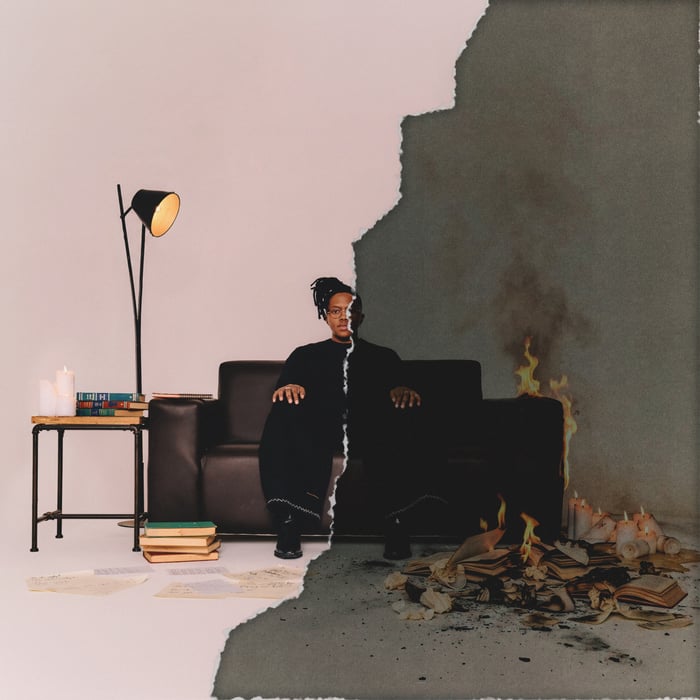
If the cover art (and the whole time-capsule idea) sticks with you, you can always shop a favorite album cover poster at our store—tastefully, not desperately—over at https://www.architeg-prints.com.
 | DISCOUNTGET 30% OFF*Use code on your next order:
|
* This post may contain affiliate links, meaning we earn a commission if you make a purchase through these links, at no additional cost to you.