Sewaside IV Review: Mike Shabb Turns Trauma into a Radio Heist


 See more Architeg Prints stories on Google.
Album Review: Sewaside IV by Mike Shabb
A powerful exploration of survival, identity, and street life through the lens of Montreal’s east side, as crafted by Mike Shabb in his latest album Sewaside IV.
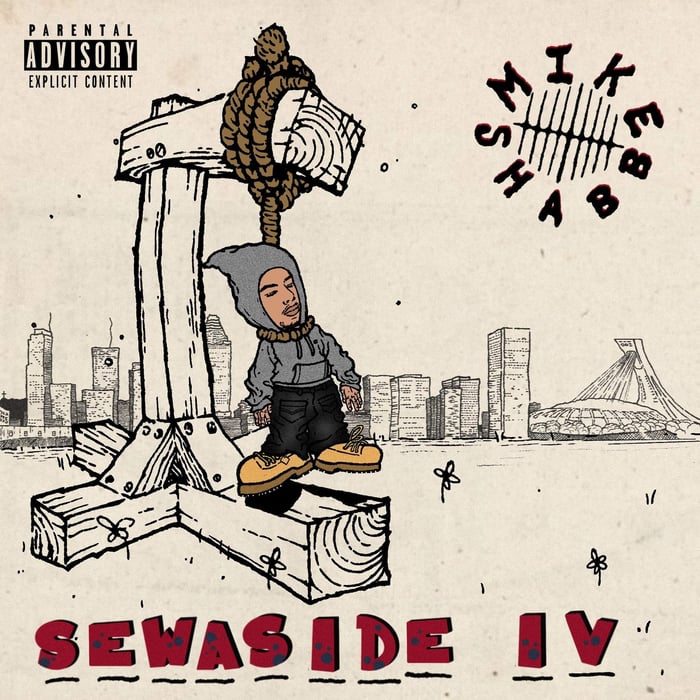
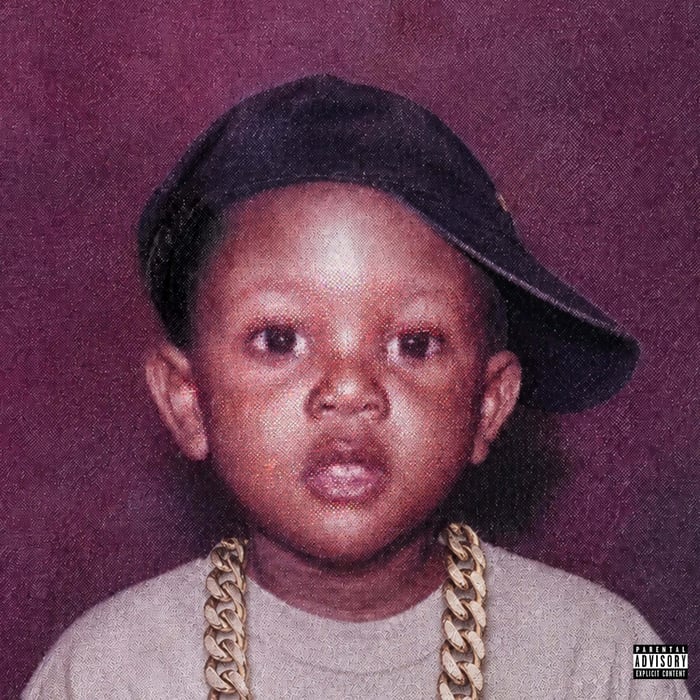
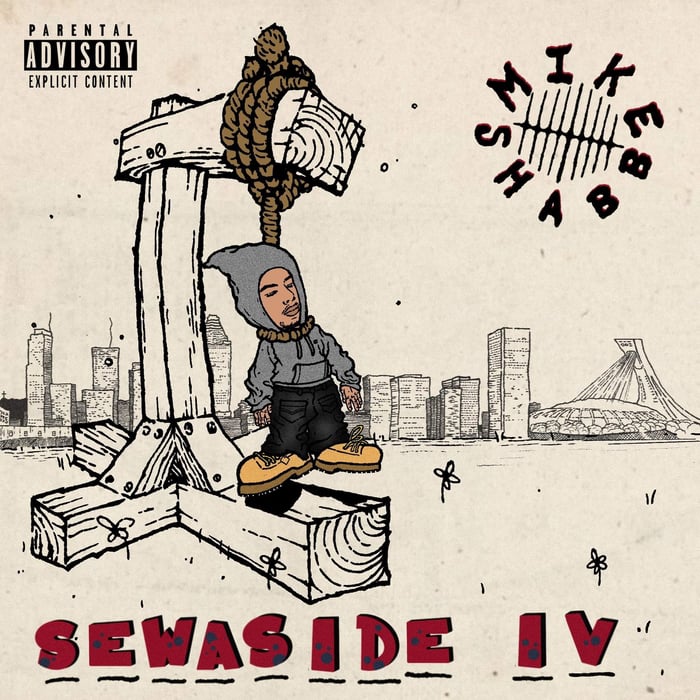
Image courtesy of Blk Music.
A quick warning before you press play
This album doesn’t ease you in. It walks up, grabs your shirt collar, and starts listing receipts—family, hunger, pride, violence, identity—like it’s tired of being politely misunderstood.
The world-building isn’t aesthetics—it’s a work schedule
Here’s what hit me early: Sewaside IV sounds like it was made by someone who thinks “art” is a luxury word for people with time. Mike Shabb (Malcolm Blair) doesn’t present himself as a rapper who also produces; he moves like a builder who raps because the blueprints need narration.
I can hear the mentality of somebody who engineers other people’s records, then goes home and builds his own from the floor up anyway. The record carries that “studio-is-the-only-safe-room” energy—except it’s not safe, it’s just familiar.
And yeah, you can feel the career squeeze points around it: time spent engineering Boldy James’ Fair Exchange No Robbery, time spent producing “Switches on Everything” for Westside Gunn. Those aren’t brag lines here; they’re proof of access. The real flex is that he still chooses to self-release and funnel things through his own label, Near Mint, like he doesn’t trust the usual gates to keep him alive.
He’s been in Montreal since he was eighteen, and the album treats that fact like an incision—not trivia. Also, it’s hard not to hear the momentum shift after Sewaside III got longlisted for the Polaris Music Prize. This isn’t a victory lap, exactly. It’s more like: oh, now you’re listening? fine—listen to all of it then.
Why “Sewaside IV” is a location, not a concept
The title isn’t trying to be poetic. Sewaside IV is named after the 8500 block of the east side of Montreal—the people who lived there, the air there, the rules there. The album doesn’t romanticize the block as some mythic proving ground; it treats it like the default operating system you can’t uninstall.
And I’ll make a claim some people won’t like: this record isn’t interested in being “relatable.” It’s interested in being specific enough that you either accept it or tap out.
“Flowers!”: the album’s heart, laid out like a ledger
The center of gravity for me is “Flowers!”—three straight verses where he talks to his mother over a soul sample like he’s finally letting himself say it without flinching.
You catch the lived math: she worked the night shift, skipped her own dinners so he could wear nice shoes, taught him to fight, taught him everything he knew. But even that devotion has a limit—she couldn’t teach him how to be a man, and his father was gone.
What makes it land is how unceremonious he is about the worst parts. His mother’s breast cancer and his father’s death show up in the same run of bars, like grief isn’t organized neatly in real life. He describes going speechless for the first time, feeling like a loose screw. His mother survives. His father dies and basically gets two lines and no return.
That imbalance is the point. It’s not “unfair” in the song’s logic—it’s accurate. Death doesn’t negotiate screen time.
I wasn’t totally sure on first listen whether I wanted this much direct family detail in an album that also deals in street urgency. But that hesitation didn’t last long. On second listen, the family material isn’t a detour—it’s the root system everything ugly grows out of.
“Montreal!” and “Jack Mode!”: the studio dream with a gun under it
The album keeps flipping between two clocks: rap time and jackin’ time. “Montreal!” puts it plainly over ‘90s hip-hop-laced backing:
“The bottom line is I’m a Crip with no deal / So if my music don’t sell, I’ma rob and steal / Ain’t taking orders from nobody, fuck a job for real.”
Those lines do two operations at once. They’re a threat, sure—but they’re also an economic summary. The studio isn’t funding, street life is on standby, and he’s not pretending he’s above it. The block is described as hotter than Summer Jam, young dudes as hitmen for hire, the neighborhood openly admitting they don’t live so good. It’s not glamour; it’s a temperature reading.
Then “Jack Mode!” pushes the origin story even earlier: his mother knew he’d been the man of the house since sixth grade. And he draws a map of survival where money barely matters because the ecosystem is crooked either way:
- where he’s from, it “ain’t about if you rich or broke”
- the neighborhood survives on “hookers and dealers and dope”
He even admits he sometimes thinks about just killing a man. Sometimes he wants to shoot out a minivan. It’s blunt enough to make you shift in your seat—and I think that’s intentional. He’s not asking you to excuse it; he’s showing you how casual the thought can get when violence is part of the background noise.
If I have one mild complaint here, it’s that the sheer density of confession can start to flatten the dynamics. When every few lines are life-or-death, your ears stop blinking. A little more negative space wouldn’t have ruined the realism—it might’ve sharpened it.
“Disco Duck III” and “Reminisce!”: romance, loops, and the smell of summer
“Disco Duck III” is Shabb in the record store “lookin’ for loops,” but the scene doesn’t stay cute. He’s selling, shooting, and getting wired while drunk in Tennessee—like the travelogue version of bad decisions.
He runs those surreal-yet-specific nicknames for his partner: the Black Betty Boop, the Black Marilyn, the Black Mona Lisa. It sounds like he’s trying to mythologize her and apologize to her in the same breath.
A spoken interlude drops you downtown on St. Catherine Street on a balmy summer night, noticing something in the air. For a second, the album pretends it might float. But it doesn’t stay outside.
Because inside is where “Reminisce!” lives—A Tribe Called Quest-influenced, block-and-shop folded into one room. He raps about dreaming of getting paid since he was a kid, scratching serial numbers off a twelve-gauge pump, and paying respect to young people who couldn’t be here. That “rest in peace” doesn’t feel ceremonial; it feels like attendance being taken.
Second verse, he stops anyone from calling it cosplay:
“This ain’t an image, this really me...
he learned from drug dealers, killers, legit guys too
businessman cousin helped make him who he is”
And then the contrast that actually stings: cousin ran a legitimate business; brother was into something else. The album’s obsession is that fork in the road—how two people in the same family can become different kinds of survival.
“Tales from da Hood, Pt. 1”: the horror scene he refuses to soften
If you want the track that best explains what Sewaside IV is doing, it’s “Tales from da Hood, Pt. 1.” Shabb goes rapid-fire, and the cadence isn’t there to impress you—it’s there because the story is spilling faster than he can morally process it.
He puts on a hoodie, creeps through an alleyway, crawls through a window with a mask, breaks in, leaves a man brain dead on a couch, then hits the bush around the corner trying to bury a box. That’s not “cinematic.” That’s indictment-level detail.
He says he has a demon on his shoulder. His mind tells him to stop, but he can’t. Then the aftermath: showering, heart racing, pacing like someone seriously ill, not sleeping, staring at the window wide open all night, candle burning all day.
The nastiest creative decision is the second voice singing—the voice of the man he hurt. The line that stuck in my throat:
“He was once a provider, now his family’s on welfare.”
Then it escalates: a killing in a metro station, everyone hopping out and leaving the car empty. Shabb sits down and lights a cigarette. Bloodied shoes on the train, people screaming, and his line about being suicidal—“the devil caught him again.”
I’m not going to pretend I “enjoy” that sequence. I’m not even sure the song is meant to be enjoyable. It’s closer to a confession you overhear and wish you hadn’t. And that discomfort is the whole trick: Shabb forces the listener to stop using violence as set dressing.
“Bastard Child!”: identity as a tax you pay daily
Just when you think the album has finished with heavy topics, it adds another: the body itself.
Shabb talks about his white grandmother being racist until she encountered his Black father. His parents naming him Malcolm without hesitation on the day he was born—like that name was both protection and prophecy.
“Bastard Child!” centers a hook that basically refuses the binary: “I ain’t black, I ain’t white,” calling himself a “bastard” in a society that wants to treat him like a hazard.
He stages a traffic stop like a scene you can’t escape:
“Step out the car, show me your hands, Black man.”
The driver says he’s never going back to jail and drives off. The song folds personal abandonment into social profiling without blinking: father left, mother sad, another mixed kid for the statistics he sprouted from. He did his dirt with a wide smile while his mother wondered why he acted so wild.
Here’s my arguable take: the hook is almost too blunt—so blunt it risks sounding like a slogan. But the verses save it by making the slogan feel like something he says because subtler language never worked on anyone.
Community matters, but it’s not sentimental on purpose
Shabb didn’t build this alone—not in the way that counts. He might be alone in the studio, but the network around him works the same hours and takes the same risks. The album treats collaboration like proof of shared reality, not “features for streams.”
On “Dontsweatit!,” MIKE shows up describing missions in a van, checks sent in advance with a prayer to land smooth, a hiccup in Japan that was a goof, how many trips people ran, how many grams flew—and then closes by saying they’re good when they’re with Shabb.
Shabb’s own verse is him walking through his shadow his whole life, always ahead, seeing blood on the pavement. And then he swerves into advice that sounds like it’s aimed at somebody younger (or maybe at himself):
- go get your own bottle, stop trying to be lit
- focus on goals, get a job or find a hobby
He says he stays thugging every day but is trying to be conscious. Then he drops the modern absurdity: people selling bricks and guns on Telegram…and he’s trying to be conscious. That contradiction is the album’s real realism. It’s not “I changed overnight.” It’s “I’m still here, still tempted, still trying.”
“Ring-A-Round!” brings in Obijuan with images that feel like parables told by somebody who grew up around consequences: a rhyming ayatollah with a science folder, fathers robbing banks, a man losing a dark game, a mother advising him to let fools drown in the rain. He heard a robbery from miles away, but a corrupt immigration officer hung his friend. The song makes the world feel rigged in multiple directions at once.
“85.5FM (Intermission)”: Shabb’s fake station, real signal
Every city these guests come from has its own version of the illness. That idea becomes literal on “85.5FM (Intermission).” Shabb recreates an LL Cool J beat that Erick Sermon did for “4, 3, 2, 1,” and then the track turns into a radio takeover—three rappers hijacking the air like they paid for the tower.
ANKHLEJOHN steals the show, no question. He raps like he’s smirking through the damage:
“I’m from the city where the young niggas have curfew / Can’t even go to school without security bag searching.”
Then he pivots into domestic surrealism—pancakes for dinner, lobsters for breakfast—before popping wheelies on the law and breaking up with a woman after an island resort. It’s ridiculous on purpose: the fantasy of winning is always stitched to the reflex of rebellion.
Rvlr Magz follows with the line that feels like it’s meant to ruin your day: the new gangsters are stock buyers. He also drags in butcher-knife imagery and closes on money talking—because of course it does.
The whole song plays like a station that doesn’t exist, broadcasting something painfully real on a frequency Shabb built himself. That’s what this album keeps doing: building systems where none were offered.
The tracks that actually hit hardest (and why)
If I’m being honest, I went in expecting the big “industry-adjacent” moments to be the highlights—the guest spots, the nods to classic hip-hop architecture. But the songs that stick are the ones where Shabb stops trying to impress anybody and just tells the truth until it’s awkward.
My personal standouts match where the album’s nerves are most exposed:
- “Tales from da Hood, Pt. 1” (because it refuses to moralize neatly)
- “Bastard Child!” (because identity becomes immediate danger)
- “Flowers!” (because love shows up as labor and sacrifice, not Hallmark language)
That said, I could see someone arguing the opposite—that the “radio takeover” style intermission is the most re-playable. They wouldn’t be wrong. I’m just not sure replay is the point of this record.
Conclusion
Sewaside IV doesn’t ask to be liked. It asks to be believed. The beats pull from familiar hip-hop DNA, but the writing keeps dragging you back to one uncomfortable idea: Shabb isn’t building a persona—he’s documenting what happens when survival becomes a personality trait.
Our verdict: People who like autobiographical rap that doesn’t sanitize the ugly parts will actually love Sewaside IV—especially listeners who care about bars and the mechanics behind them. People who want escapism, clean morals, or “vibes only” will bounce fast and call it too much… which is kind of the point.
FAQ
- What is the core theme of Sewaside IV?
It’s survival as a daily system: family pressure, street gravity, and identity scrutiny all happening at once, without neat closure. - Is Sewaside IV more about rapping or producing?
Both, but the production feels like the architecture and the rapping feels like the wiring—without either one, the whole building collapses. - Which track best represents the album’s intensity?
“Tales from da Hood, Pt. 1” because it turns violence into consequence, not entertainment. - Does the album rely heavily on guest features?
No—features add perspective, but the album’s spine is Shabb’s own storytelling and control of the sound. - Who should skip Sewaside IV?
Anyone who confuses “dark subject matter” with “bad mood music” and doesn’t want lyrics that stare back.
If you’re the kind of listener who falls for album artwork as part of the whole myth, it’s worth turning your favorite cover into something physical—shop a poster you’d actually hang at our store: https://www.architeg-prints.com
 | DISCOUNTGET 30% OFF*Use code on your next order:
|
* This post may contain affiliate links, meaning we earn a commission if you make a purchase through these links, at no additional cost to you.