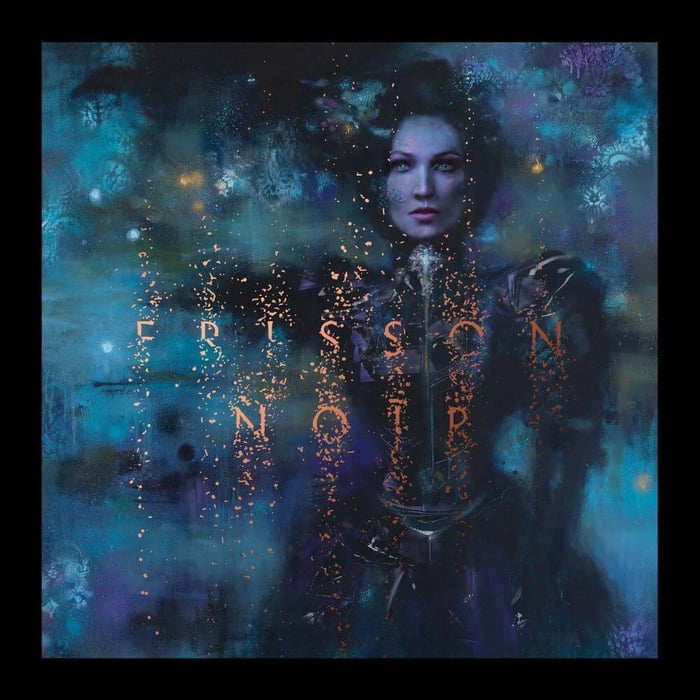
Frisson Noir Review: Tarja’s “Heavy Return” That Almost Overcooks It


 See more Architeg Prints stories on Google.
Frisson Noir Review: Tarja’s “Heavy Return” That Almost Overcooks It
Tarja’s Frisson Noir chases goosebumps with bells, riffs, and big drama—sometimes landing the thrill, sometimes smothering it under sheer volume.
Frisson Noir Is Trying to Trigger Your Nervous System
Frisson is that full-body electric shiver—goosebumps that feel like your skin just remembered it’s alive. People dress it up with cute names, but it’s basically your brain hitting the pleasure button when music swells at the exact right time.
I’ve felt it in obvious places: when a film score widens the horizon and everything suddenly looks mythic, or when a vocalist holds a note so long the room stops blinking. And yeah, Tarja has been that vocalist for a long time—the kind who can turn a big venue into something weirdly sacred just by leaning into a climactic line and refusing to let it go.
The Album’s Mission Is Simple: More Frisson, More Often
Here’s what Frisson Noir (the album) is clearly trying to do: manufacture that tingling payoff again and again, like it’s running a lab experiment on your spine. It’s her first metal album in seven years, and it comes in with this “homecoming” energy—like the classical stuff was a scenic detour and this is where she “belongs.”
That framing matters, because you can hear the record trying to prove a point. It wants to be heavy. It wants to be a statement. It wants to sound like Tarja returning to the arena in slow motion, cloak billowing, spotlights behaving like obedient planets.
The problem is that “heaviest yet” is an easy goal to chase in the laziest way possible: turn everything up until there’s no oxygen left. And Frisson Noir sometimes falls into that trap.
“The Trace Outlives” Wins on Paper… Then Crowds the Room
The most obvious example is “The Trace Outlives.” Structurally, it’s one of the strongest pieces here—built like it actually knows where it’s going. And the chorus does exactly what you want a Tarja chorus to do: it opens up and lets her melodic instincts take over, like the song finally stops clenching its jaw.
But the production has this “everything louder than everything else” philosophy. The details get swallowed. The impact becomes claustrophobic—not because the song is intimate, but because the mix feels like it’s leaning on your chest.
And I’ll admit, I didn’t expect to complain about too much power on a Tarja track, but that’s what happens when the arrangement and the volume both try to be the main character.
The Album Keeps Hitting “Almost, But Not Quite”
After a few tracks, a pattern emerges: Frisson Noir keeps walking up to the ledge of something great, then stepping slightly to the left. Not collapsing. Not embarrassing itself. Just… missing the clean landing.
That’s why the duet choice on “I Don’t Care” is so revealing. This is a full duet with Dani Filth—not a quick cameo, not a “guest growl” in the bridge, but a true shared performance where he’s present the whole time.
And honestly, the song’s vibe is a win: sinister instrumentation, goth shading, a mood that feels distinct compared to the album’s more familiar pulse. It carries its own identity, which is more than I can say for some “heavy return” albums that blur into one long metallic shrug.
But pairing Dani Filth’s distinctive howl and rapid-fire phrasing with Tarja’s world-class voice is… odd. He fits extreme drama like it’s his natural climate. He does not fit “duet partner who flatters Tarja’s strengths.” He’s not a crooner, and the contrast doesn’t sharpen the track—it tilts it off balance. I kept waiting for the moment where the mismatch becomes the point, and maybe it is, but I’m not fully convinced it pays off.
When Frisson Noir Backs Off, It Finally Hits the Nerve
The record is at its best when it stops trying to prove it’s heavy and starts letting tension do the work.
It opens and closes with meditation bells, and that choice is sneakily smart. Bells don’t need volume. They need space. When they’re left alone to ring out, you can feel the album remembering what frisson actually is: anticipation, not constant impact.
The title track has a moment where Tarja sings “close your eyes, come with me,” and the drums underneath feel like the first steps of a new expedition—less “battle scene,” more “the map just unfurled.” That’s one of the first times on the record I felt the intended tingle land cleanly, because the arrangement gives her voice a runway instead of a traffic jam.
“The Eternal Return” Understands the Assignment
Then there’s “The Eternal Return,” which makes a gutsy choice: it basically lets Tarja’s melisma act like the guitar solo. That’s not a gimmick here—it’s the whole point. The other elements step back, and she takes the space like she owns it (because she does).
This is where Frisson Noir stops sounding like it’s chasing heaviness for the press release and starts sounding like it’s chasing control. And Tarja, at her best, is control with a human pulse inside it. You can argue whether metal “needs” vocals this pristine, but on this track it’s undeniable that nobody else in the lane does it like this.
“Blaze Together” Gets the Balance Right… Until It Doesn’t
“Blaze Together” is the album’s clearest example of balance done right. The riffs are satisfyingly chunky—enough to reassert her metal credentials without turning the track into a weightlifting contest. Everything serves the vocal, but it still feels like a band is pushing air behind her.
And then the song decides to include a backward monologue.
I’m not saying it ruins the track, but it adds almost nothing except runtime. It’s that classic dramatic-metal habit of stapling “mystery” onto a moment that already works. The track didn’t need extra fog; it already had weather.
Still, when Frisson Noir wants to be direct and effective, this is the template. No unnecessary maze, just momentum.
“At Sea” Takes Its Sweet Time—Then Finally Lifts Off
The ten-minute “At Sea” is a commitment. It takes a while to get going, and on first listen I thought, oh no, this is going to be ten minutes of tasteful wandering. But the latter half flips the whole experience.
Once it locks in, it hits a kind of grandeur that reminded me of Muse’s “Butterflies and Hurricanes”—that same sense of climbing toward something huge and slightly theatrical, but earned through payoff, not just posing.
If you’re impatient, you might call the slow build indulgent. If you’re in the mood, you’ll call it suspense. I landed somewhere in the middle: I respect what it’s doing, and I also think it could’ve reached the same summit with less hiking.
The Album’s Real Flaw Is Overcompensation
This metal return is welcome—no question. But you can hear the album trying to make up for lost time. And that’s where the overkill creeps in:
- Some songs run too long without justifying the extra minutes
- Some arrangements stack ideas instead of choosing the strongest one
- Some “heavy” moments feel inflated rather than sharpened
What surprised me is that my first impression—“finally, a big heavy Tarja statement”—softened into something else on repeat listens. The record isn’t really trying to be the boldest thing in the genre. It’s trying to remind you she still belongs at the top of the bill. And it mostly succeeds, even when it trips over its own ambition.
Because the truth is: Tarja exists in a category of one. You can like that category or not. You can prefer grit over polish. But she’s put in the work, and it shows in the way she stays ahead of the scene vocally—timing, power, control, the whole apparatus.
Frisson Noir isn’t a showstopper for me. But it has enough moments that hit—enough times where the album stops shouting and starts saying something—to justify the return.
If you forced me into a number, I’d land around 7/10: clearly effective in flashes, occasionally crowded, rarely boring.
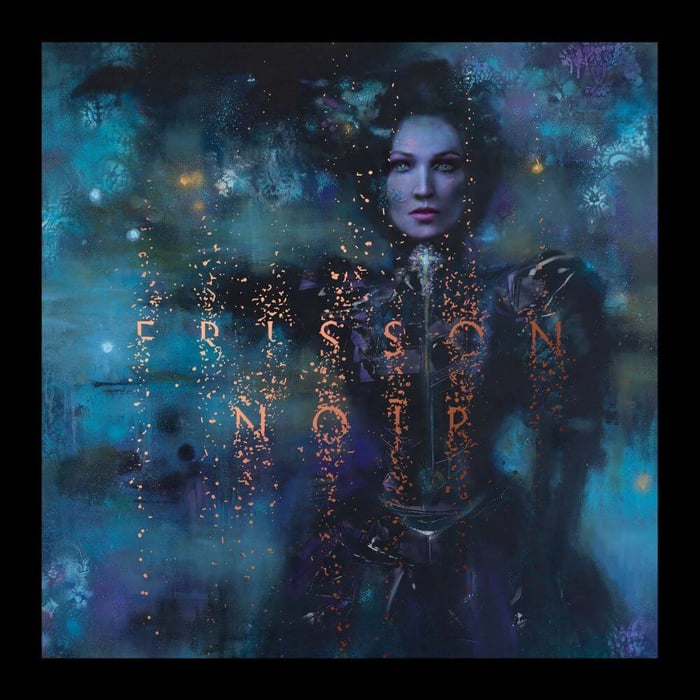
Frisson Noir is out now via earMusic.
Tarja is on Facebook.
Conclusion
Frisson isn’t something you can brute-force. Frisson Noir learns that lesson in real time: the album hits hardest when it relaxes its grip, clears the space, and lets Tarja’s voice do what it’s always done—turn suspense into release.
Our verdict: People who like dramatic metal that treats vocals like the main event will actually enjoy Frisson Noir, especially if they’re here for Tarja’s precision and theatrical lift. People who want rawness, grit, or “band-first” energy will roll their eyes when the album reaches for grandeur with both hands—and sometimes grabs a little too much.
FAQ
- What is the core vibe of Frisson Noir?
It’s theatrical metal with a deliberate “return” energy—big vocals, big mood, and a constant reach for goosebump moments. - Does Frisson Noir actually feel heavy?
Sometimes, yes—but it often sounds “heavy” through sheer density and loudness rather than riffs that breathe and punch. - Which track best represents the album’s strengths?
“Blaze Together” nails the balance of metallic weight and vocal spotlight, even if it overstays its welcome with extra flourishes. - Is the Dani Filth duet worth hearing?
The song’s atmosphere is strong, and it stands out, but the pairing is divisive—more intriguing than harmonious. - Is this album a good entry point for new listeners?
If you’re drawn to operatic vocals in metal, sure. If you’re skeptical of theatricality, start elsewhere and come back when you want something maximal.
If this album put you in the mood to live with the artwork a little longer, you can always pick up a favorite album-cover poster style at our store: https://www.architeg-prints.com
 | DISCOUNTGET 30% OFF*Use code on your next order:
|
* This post may contain affiliate links, meaning we earn a commission if you make a purchase through these links, at no additional cost to you.