Wiki’s Ancient History Review: NYC Gentrification Rap, Minus the Mercy


 See more Architeg Prints stories on Google.
Wiki’s Ancient History Review: NYC Gentrification Rap, Minus the Mercy
Ancient History isn’t nostalgia—it’s a rent notice with a hook, and Wiki raps like he’s already halfway out the door.
The Cover Tells You It’s Personal Before He Even Opens His Mouth
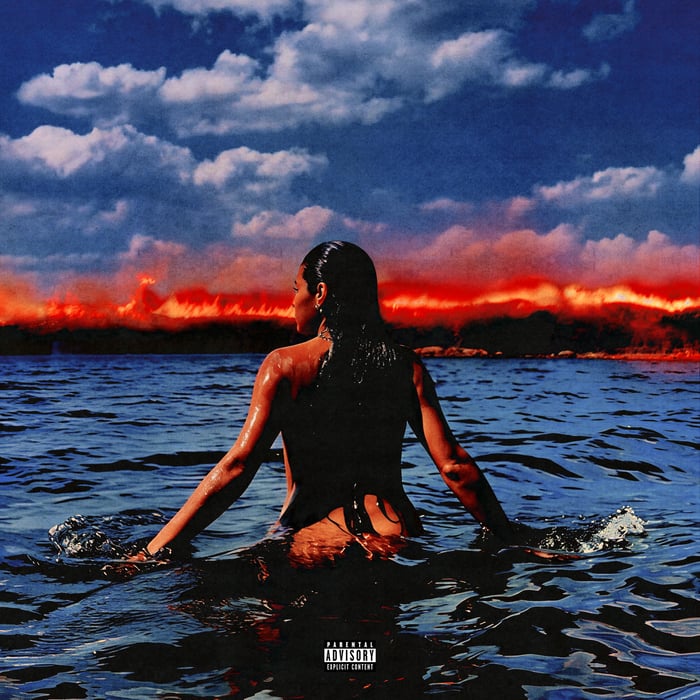
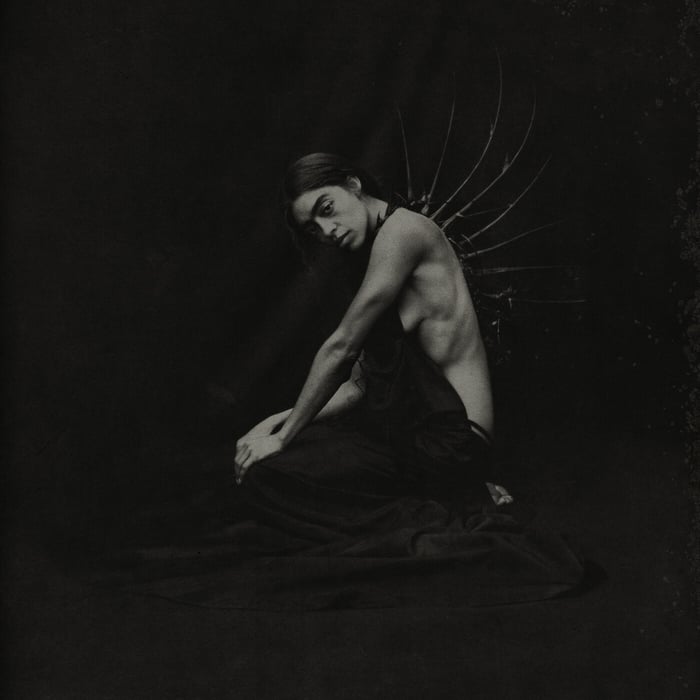
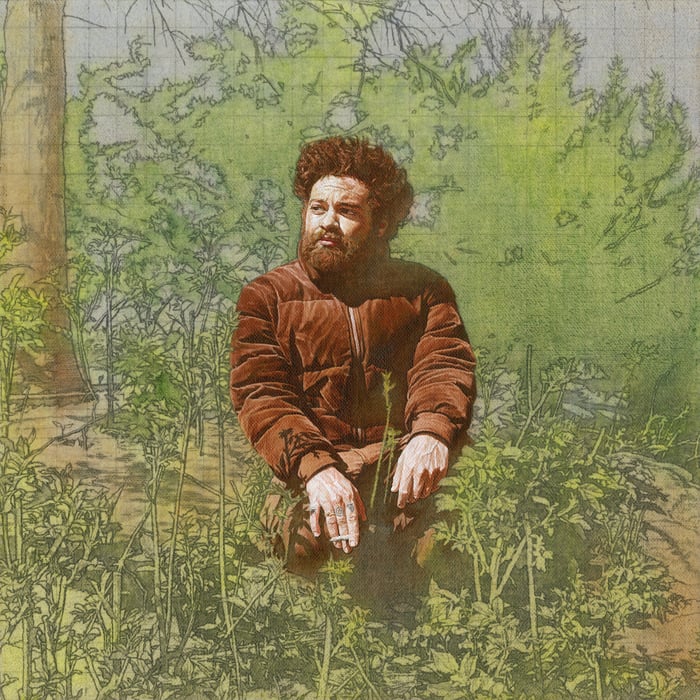
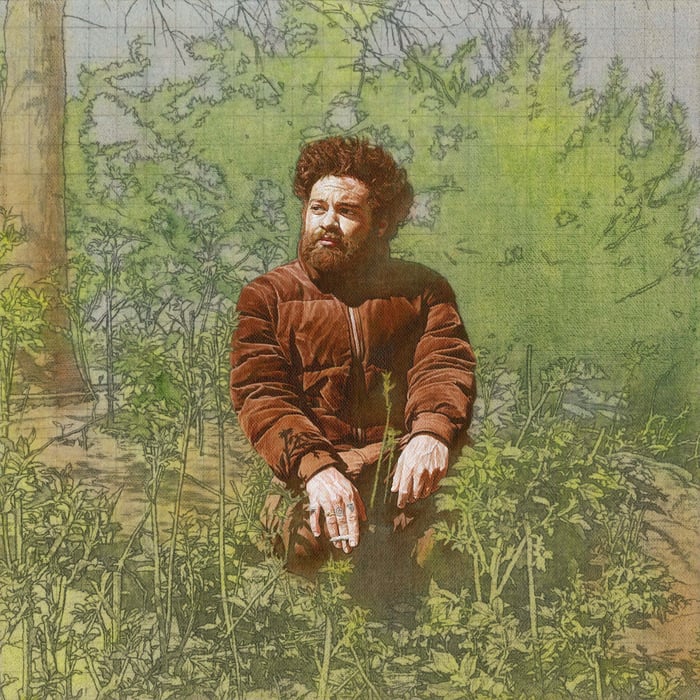
Before the first bar, the album already looks like it’s been handled too much—like something you keep taking out, staring at, and putting back because you don’t know where to file it.
Courtesy of Wikiset Enterprise.
And once the music starts, that’s the vibe: not “a concept album,” not “a big statement,” but a guy poking at his own life like it’s evidence.
“GTFOH” Starts Mid-Scene—Because He’s Done Explaining Himself
The opening move on “GTFOH” is petty in a smart way: it begins with a woman’s voice already in motion, mid-sentence, like the story’s been told a hundred times and nobody needs the warm-up. She’s breaking down a relationship the way people do when they’ve reached the part where everything finally “makes sense,” and then she basically tosses the whole mess into your lap as ancient history and waits for a reaction.
Wiki’s reaction isn’t romance. He hears a city. He hears the part where the past gets re-labeled so everyone can move on without admitting what actually happened. And he treats the details like found footage—rewinding, zooming in, trying to catch the exact moment things turned sour.
Arguable take: this intro isn’t there to add drama—it’s there to show how quickly real feelings get turned into a closed case.
Wiki’s Voice Isn’t Charming—It’s What Happens When You’re Tired of Performing
Wiki raps like he’s not trying to win you over. That’s the point. His voice is nasal, frayed, more abrasion than melody—half spoken, half jabbed—like you caught him three sentences into a conversation and he didn’t get a chance to “switch into rapper mode.”
On “GTFOH,” he calls himself a tragic poet, the kind who’s legible to bodega cats and stoners, and then immediately undercuts his own myth-making. He talks about the grind like it’s a final warning—“it’s over for sure”—then can’t resist adding “Can’t do it again,” like even his conviction has a crack in it.
And that crack turns into a structure across the record:
- “Right Away” keeps stacking up the things he can’t do—can’t drive, can’t cope, can’t hide, can’t run—then lets the chorus hype him up before he fully buys it.
- “One Time” gets self-contradictory on purpose: he counts “lives,” questions if he’s even winning while he’s winning, spits “Fuck capitalism,” then admits he’s advertising on Instagram anyway.
That last part is the real tell. This album doesn’t posture as purity. It’s a guy admitting he hates the machine while stuck using the machine like everyone else.
Arguable take: the most “honest” bars here are the ones that make him look messy, not heroic.
Half These Songs Sound Like He’s Talking to “Pat” So He Doesn’t Fold
Something that kept hitting me: the audience isn’t always us. A lot of the time, it’s him. Or more specifically, it’s Pat—Patrick Morales—getting coached through his own spiral in second person. There are moments where the verses feel like someone grabbing him by the collar and saying: don’t cry, don’t jump, keep it together.
At first, I thought that was just a stylistic quirk, like a writerly flourish. But on second listen it feels more like survival logistics—like he’s narrating himself through the day because nobody else is going to do it with enough accuracy.
Arguable take: this is less “confessional rap” than it is self-interrogation with a beat underneath.
“Park” Is the Album’s Sneakiest Flex: Freedom, With No Receipt Required
The record’s most quietly brutal observation might be the one that sounds the most casual: the park is the only place in New York you can enter without a card. That line hangs over “Park,” and it’s not subtle once it lands.
Before the track fully settles in, there’s a clip from a film about a man who can’t stop working—always there in the morning, never taking vacation. It frames “Park” like an escape that’s still haunted by labor.
Then the song turns into a lazy, sunny sprawl—Wiki naming parks like he’s doing a walking tour in his sleep: Seward, Tompkins, Riverside, Jackie Robinson, Central, Marcus Garvey, Prospect, St. Nick’s. The names blur on purpose. It’s not about geography; it’s about how repetition turns the city into a loop.
He points at the paystub question—what it says, whether you’re “welcome to enter”—and he notices the faces on benches, the names literally carved into public space. The day slips. He’s playing badminton with monks. Hours vanish. The watch goes away. He works the whole shift and still ends up asleep on a bench.
Arguable take: “Park” is the closest the album gets to sounding peaceful, and it still feels like a workaround, not relief.
“Bloom” Turns Rent Into a Chorus That Won’t Stop Touching You
The next pivot is cruel in a more domestic way: benches stayed open; apartments didn’t.
“Bloom” starts with duendita circling the word rent until it stops sounding like language and becomes a noise. There’s this back-and-forth between landlord and tenant—two sides repeating the same line like a malfunctioning argument—until she’s already singing about home disappearing, about not recognizing where she is anymore.
Wiki takes it personally, which is the only sensible way to take it if your own block is being auctioned off in slow motion. He asks why he’s getting taxed on his own corner while the city shape-shifts around him—taxis turning into Uber Eats, time at work buying less of the neighborhood every year.
He tells friends he’s leaving—leaving for good, leaving far—because his “application” to the block is basically getting rejected. He admits he’s fried. He wants a softer life. It’s not romantic; it’s resignation with a pulse.
Arguable take: the album’s real villain isn’t a person—it’s the way the city makes you feel like a guest in your own memories.
“IHNY” Makes the City a Timeline, Then Drops You Into a Classroom on 9/11
“IHNY” runs that love/hate dynamic through the city’s long history—land before Broadway, the wall before the stock exchange, coke in the ’80s, hip-hop as ’70s medicine. It could’ve felt like a clever montage, but then verse two pulls a nasty trick: it drops into a second-grade classroom on 9/11.
That scene doesn’t come off like trauma tourism. It comes off like a memory that never got processed properly, just filed away and dragged along into adulthood. Uncle Jackie shows up at the end of the day, walking through what he saw and what he couldn’t save, while Wiki stands blank behind the kitchen counter.
I’ll admit I’m not entirely sure how I feel about the way that memory is placed—part of me wanted more space around it, less motion, fewer moving parts. But maybe that’s exactly the point: some memories don’t arrive cinematically. They interrupt.
Arguable take: “IHNY” isn’t trying to honor the city—it’s trying to prove the city never stops billing you for what it’s put in your head.
“Bourbon” Stays Hungover on Purpose—and That’s Why It Works
“Bourbon” starts with the hangover and refuses to move on. The chorus slow-reads the damage: bourbon breath, chest ache, benches that smell like pee, the gnawing question—“Is this the end?”
He swears “never again” and actually means it, which is a different kind of sad. But by day two, he’s back in it. Genetics show up like a bill. Gram’s on his mind. There’s a moment where the question of whether he’d be better off dead gets said out loud and just…left there. No grand conclusion, no tidy lesson.
The verse spins until it doesn’t. Then comes the small miracle: one morning he crawls out of bed like he’s crawling out of a grave, thinks “one more drink,” and pours the whole glass out instead. That move hits harder than any dramatic declaration. The pain goes down the same way the liquor does. “Shit changed,” he says, flat as concrete—one glass, one morning he didn’t expect to see.
Arguable take: this track is the emotional center of Ancient History, and it wins by being unglamorous.
“All in the Lining” and “Marm Era” Reject the Trophy Case
There’s a whole lane of rap where the weight of the world gets converted into jewelry metaphors, and Wiki pretty much spits in that lane’s face.
On “All in the Lining,” he makes it clear the weight isn’t a chain, not a Cuban link, not a Jesus piece—nothing you can pawn. It’s denser than that. It’s the kind of weight that shows up every time you speak.
Then Your Old Droog shows up on verse two and changes the grain of the whole thing. His voice is chestier, steadier, and he brags he never had to lie for content. He mentions CDs in plastic, like Gram’s couch, then toasts his dead dog—an oddly human detail that cuts through the bravado.
“Marm Era” carries that same resonance in a different texture: a kid dribbling a ball up the Upper West Side, bouncing off Big Dog’s chest—life happening in quick street snapshots. Wiki says the pen is the only thing that helps him get it out; otherwise he’d just yell.
And then he drops the flattest mission statement he ever gives you: he’s not here for fame, he’s here to change your mind.
Arguable take: that line isn’t inspirational—it’s a warning. He’s telling you he’s going to argue with your worldview, not entertain it.
The Mid-Album Lightening: Relief, or Just a Room That All Sounds the Same?
Not everything here is heavy in the same way, and the album does try to tilt into lighter air.
“Something New” loosens its grip, and SALIMATA shows up to puncture Wiki’s tentative flirting. She basically tells him to do more than “cuff” her—stop hovering, stop half-asking, make a move. The track is soft, a little brighter, and it’s an intentional contrast to the other songs’ grime.
Then there’s “7 Deadly Sins,” which is the thinnest-sounding track to my ear. It runs through a list of vices, and it does land one sharp comment: it’s disgusting how much excess the public will swallow while people have nothing. That’s the bite. The rest feels purposely plain, like he’s draining the beat of drama to make the ugliness sound normal.
“Had Your Fun” hits heavier than those two—Wiki post-break, licking his wounds, sounding stuck on the math of achievement versus what you’re handed at the end. He laments counting friends’ medals, measuring what people “get” against what they actually did.
Here’s my mild complaint: even though those three tracks aren’t identical, they share a kind of gray-room atmosphere where my ear starts to drift. Nothing is outright bad—more like the same fluorescent light buzzing over different conversations.
Arguable take: this stretch feels like Wiki intentionally turning down the color, but the price is that it flattens songs that could’ve punched harder.
The Ending Loops Back to Cynicism—Because That’s the Point
By the end, the album makes a full circle back to the place it started: Wiki at 28, cynical, staring through smog for a star he can’t quite see.
“Ancient History” (the track) jabs at him: yuppies assume he’s stoned because he walks everywhere. He hates every upscale coffee shop on his side of town. He mentions he’s been doing this since elementary school while everyone else moves through life like they’re taking over an empty set.
That’s a nasty, accurate image—people acting like the city is a blank stage built for their storyline, not a place with old ghosts and old rents and old grief.
“Old Gods” continues the suspicious inquiry, but widens the lens: crowns, jewels mined for people sitting up high, bards writing wars. Wiki starts wondering how much of “history” actually happened the way it’s told. Were kings ever really out on the battlefield? Or were they sitting way back for the clout, on a horse, letting someone else bleed?
Arguable take: the album ends by saying “history” is mostly just whoever had the budget to narrate it.
My Standout Tracks (Yeah, I Pick Sides)
Some songs hit with a clarity that sticks after the last play:
- “Park” — the sneaky anthem about public space being the last free thing left
- “Bourbon” — the hangover song that refuses to dress itself up
- “Ancient History” — the closing loop where his cynicism stops being aesthetic and starts being evidence
Arguable take: if those tracks don’t grab you, the rest of the album probably won’t talk you into it.
Conclusion
Ancient History doesn’t ask you to admire Wiki’s pain; it asks you to notice what the city taught him to normalize. The record keeps translating private moments—rent, shame, walking, drinking, memory—into a public argument about who gets to belong and who gets priced out.
Our verdict: People who like rap that sounds like someone thinking out loud on a long walk will actually love this. If you need big hooks, shiny payoff, or “uplifting” closure, you’ll bounce off it fast—and Wiki won’t chase you down the block to change your mind.
- What is the core theme of Ancient History? It keeps circling how New York reshapes your life—especially when money starts deciding who gets to stay.
- Is Ancient History more personal or political? It’s personal in a way that turns political fast: rent, work, and memory become the whole argument.
- Which song best represents the album’s mood? “Bourbon” feels like the emotional center—raw, unglamorous, and weirdly steady.
- Does the album have any lighter moments? “Something New” loosens the grip and adds softness, even if the record never fully relaxes.
- What’s the one flaw that might lose listeners? The mid-album stretch (“Something New,” “7 Deadly Sins,” “Had Your Fun”) shares a gray sameness that can dull the momentum.
If this album put you in a staring-at-the-cover mood, you can grab a favorite album cover poster for your wall at our store: https://www.architeg-prints.com.
 | DISCOUNTGET 30% OFF*Use code on your next order:
|
* This post may contain affiliate links, meaning we earn a commission if you make a purchase through these links, at no additional cost to you.