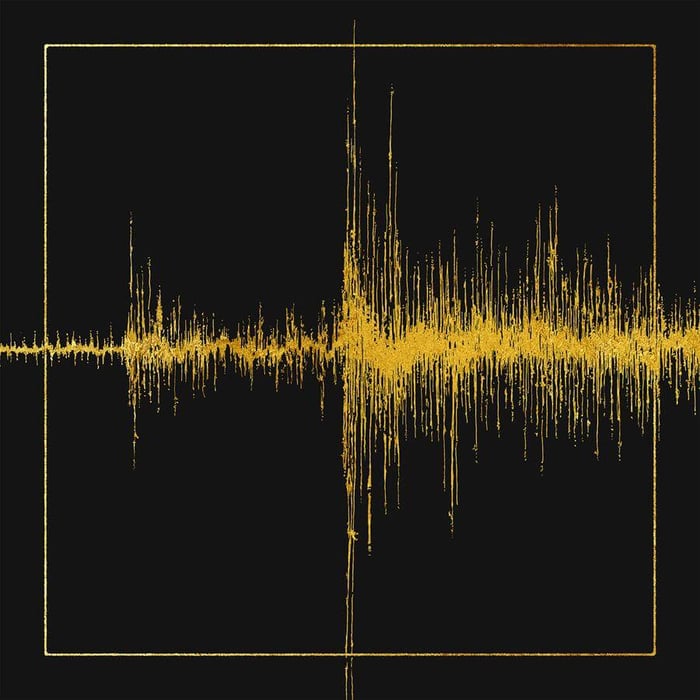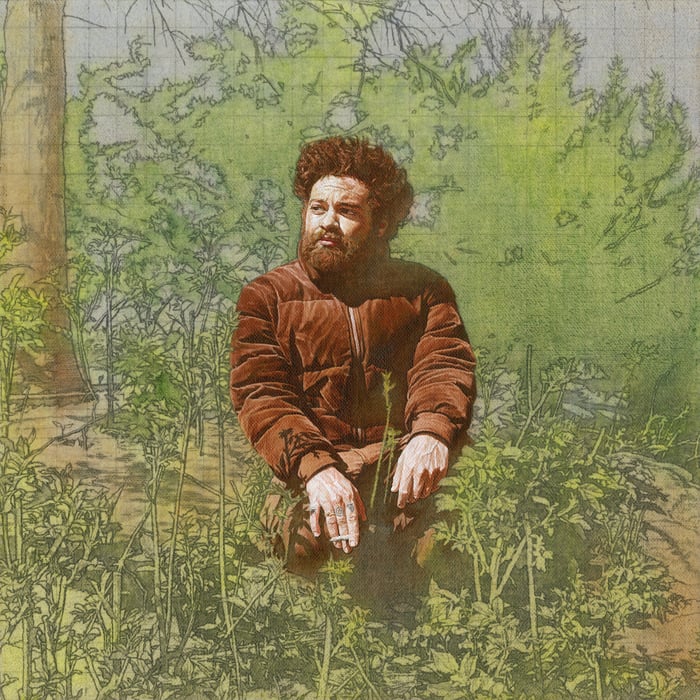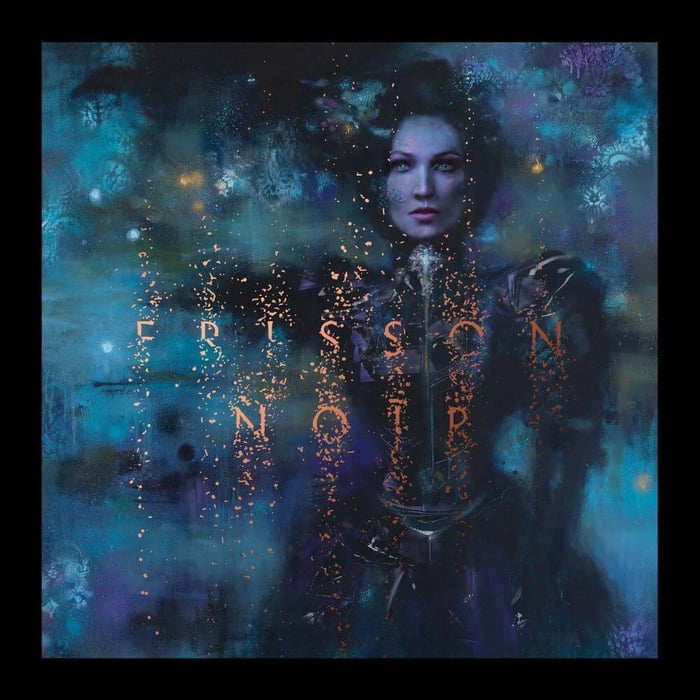
So Help Me God Review: Kelsey Lu Turns Grief Into a Pet Ghost


 See more Architeg Prints stories on Google.
So Help Me God Review: Kelsey Lu Turns Grief Into a Pet Ghost
So Help Me God isn’t a breakup record—it’s the sound of refusing the exit, bargaining with pain until it starts calling back.
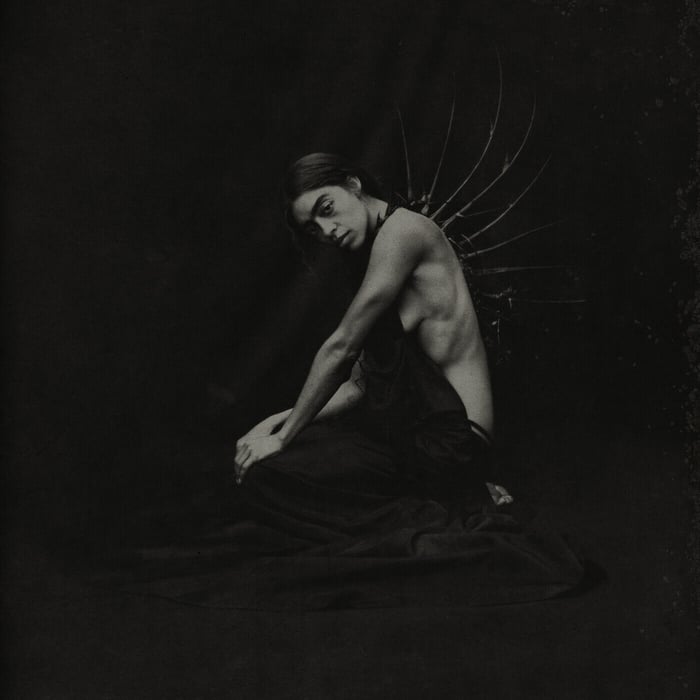
This album doesn’t leave. It lingers on purpose.
Most breakup albums treat the relationship like a building you escape from: fire alarm, final chorus, fresh air. So Help Me God does the opposite. It stands in the smoky room and starts describing the wallpaper.
Kelsey Lu’s whole move here is refusal—refusal to take the clean break, refusal to turn pain into a lesson, refusal to make “moving on” sound heroic. And I don’t mean that in a motivational-poster way. I mean it literally: song after song keeps returning to the hurt like it’s a place that still has a working address.
Lu’s choices also feel informed by the long stretch between their own albums—time spent scoring films, building craft, living inside other people’s narratives. This record sounds like someone who learned how to shape scenes, then used that skill to trap themselves inside one.
That might sound miserable. Weirdly, it isn’t. It’s closer to devotion—except the thing being worshipped is grief itself.
“Reaper” is the argument the whole record can’t stop having
Here’s the spine: “Reaper.” It’s long—nearly eight and a half minutes—and it doesn’t behave like a normal “opening statement.” It’s more like overhearing someone negotiate with the concept of Death and then realizing the negotiation is also with themselves.
Lu addresses the reaper like a lover, like a threat, like a job interview they didn’t apply for. The line that sticks the knife in is the refusal to play tour guide for catastrophe:
“You are the reaper left to decide / What you want, baby? / I’m not your guide.”That’s the record in miniature: I’ll stare at the darkness, but I’m not helping it do its job.
The song’s most telling trick is how it can’t keep its own moral accounting straight. Early on, it’s “Can’t take a sin from a sinning man,” and later it flips into “I took a sin from a sinning man.” Same situation, different self-portrait. That’s not inconsistency—it’s honesty. Grief makes you rewrite your own actions mid-sentence.
Musically, “Reaper” keeps collapsing and re-forming. Drums rise, drop out, come back altered; the arrangement smears like wet paint. A guitar slides in like distant interference (Kim Gordon), and a saxophone hangs in the air like an unresolved bruise (Kamasi Washington). None of it “builds” in the tidy way you expect. It just keeps happening, like weather.
And then the ending turns the blade inward:
“You knew better / You’ll know better.”Half memory, half prophecy. A self-scolding that still somehow sounds tender. If you want a song that turns self-awareness into a haunting instead of a cure, this is it.
I’ll admit: my first listen, I thought the length was indulgent. On second listen, I realized the length is the point—it’s Lu refusing to grant you closure as a convenience.
After that, the album starts calling pain “a habit,” not a tragedy
Once “Reaper” blows the door off, the next tracks shrink the frame. Same obsession, more day-to-day. And that shift is sneaky: the record goes from mortality to routine, like it’s saying, Death is dramatic, but what you really can’t quit is your pattern.
“Running to Pain” is Lu’s clearest pop gesture here, built around a steady drum-machine pulse that doesn’t flinch. It’s catchier than the subject matter deserves, which I think is intentional. The confession lands because it’s blunt, not poetic: running back to the hurt
“It keeps me sane, I can’t refrain.”That’s not romance. That’s dependence with good lighting.
Lu even names the mechanism like they’re filing paperwork:
“Finding solace in motion.”And yeah, a reasonable listener could call that empowering. I hear something darker: movement as anesthesia. If you keep moving, you don’t have to find out what you feel when you stop.
“8 52” takes the same impulse and drains the color. The low end sits like a murky drone, and the confession turns almost sweet—sweet in the way a bad idea can feel comforting because it’s familiar:
“I love to hang on / To all the pain.”There’s a flash of insight—“I should’ve known me better…”—but it passes fast, like the thought shows up and nobody answers the door. Knowing better doesn’t change the behavior. That’s the point. Self-knowledge isn’t rescue. It’s just better documentation.
The love songs don’t reassure; they circle an abyss and call it normal
The record keeps shrinking its scope: from death to habit to one person. And what surprises me is how the uncertainty doesn’t get smaller with the scale. It gets louder.
“Portrait of a Lady on Fire” stays grounded on the bassline while Lu’s vocal keeps looping the same heated question until it starts sounding like a mantra that’s failing:
“How do I know it’s enough? Is this enough?”The song doesn’t answer. It keeps asking. And then it offers the most brutal reassurance imaginable—brutal because it’s true:
“I know it’s uncertain ’cause nothing is certain.”That’s not comfort. That’s an admission that the floor is always going to move.
“What Can I Do” is Lu squeezing that tension into the tightest pop form on the album. It’s a song about being trapped, but it’s dressed like accessibility: heart “chained to you,” no room left to bargain, just hoping the other person can interpret the damage correctly—
“read between the lines / and through the quicksand of my eyes.”Arguably, that’s romantic. I hear it as someone trying to turn emotional crisis into a decoding game, because saying “I’m not okay” out loud would make it too real.
Both tracks build connection toward an abyss—and then casually admit the abyss might just be the baseline setting.
“American Sonnet” hands the grief to someone else—and it gets bigger
Then the album does something smart: it steps outside Lu’s own writing entirely.
“American Sonnet” sets a Wanda Coleman poem for piano and cello. It starts calm, even elegant, like you’re being invited into a room where people whisper. That doesn’t last. Static starts seeping in, and a lopsided kick begins pushing against the stillness from the wrong side, like the song is being interrupted by the world it tried to ignore.
Coleman’s imagery is body-level and end-times at once—flesh, seas, violation, apocalypse. The line that made me sit up is the one that doesn’t blink:
“Mother, your tongue plunders my mouth.” —Wanda Coleman
By letting another poet speak, Lu makes the grief stop being only about a lover. It expands into something older, less solvable—family, inheritance, the way intimacy can be violent even when it’s “love.” If the earlier songs feel like personal obsession, “American Sonnet” feels like history walking into the room and refusing to leave.
If you think that’s overreading, fine. But the sonic escalation is right there: calm turned contaminated, beauty turned unstable.
The father-figure shadow is where the album gets quietly mean
After the poem opens up the stakes, the record returns to gentler songs—but “gentle” here doesn’t mean safe.
“Comfort” moves slowly, padded, with Lu’s voice sunk deep in the mix like it’s trying not to be overheard. The track asks for solace and immediately distrusts the people who might offer it. The line that keeps catching is the one that drags a familiar figure into the frame and then recoils: can’t trust in a man who tries to act like my father. The legacy isn’t guidance; it’s damage—
“the sins of your Father, a bloody scene.”
Even when the song makes the simplest request—
“Oh, comfort, I’m trying to find you”—it places that desire next to
“In the cradle of fire.”That’s the album’s gift: it won’t let tenderness stay unscarred.
“Better Than That” is the messiest song here—and it almost breaks under its own weight
“Better Than That” takes the uneasiness and lets it splinter. It opens in near silence, then crowds in fragments—shame, defiance, half-images that feel like memories you didn’t mean to admit you still have.
There’s a rock in the hand. A rusty refrigerator that never worked because it was too full. A blunt challenge—
“Look into my eyes and tell me that I’m lyin’.”It’s not linear storytelling; it’s pressure leaking out through whatever cracks it can find.
Sampha shows up briefly halfway through, echoing and filling the vocal. It’s effective precisely because it doesn’t turn into a “feature moment.” It feels like a second voice inside the same head.
Here’s my mild complaint: the fragmentation occasionally gets ahead of what the song can actually support. The pile-up is compelling, but it sometimes trips over itself—like the track wants the catharsis of chaos without always earning the landing.
Still, the defiance holds. When Lu finally cuts clean through the wreckage—
“Ripped the curtains off the blinds / Let the light in”—it lands because it’s simple. Not pretty. Simple. Like someone choosing reality, even if it hurts.
“Cutting Off the Head of a Ghost” finally chooses severance
After eight songs of hanging on, this one opens into the biggest, clearest space on the album. The distortion scrapes the edges, refusing to let the lift feel weightless, but the air is there. Room to move. Room to end things.
And the song’s central action isn’t remembering. It’s severing.
“Knew you wouldn’t last once I met you / So I had to let you go.”
That’s a brutal admission because it reframes the entire attachment as something the speaker saw coming and still participated in. Devotion returns, but warped into something like a proverb:
“Keys of life make peace with parting seas.”
Unlike the earlier tracks that keep turning back, this one refuses to wait around for tragedy to finish its meal:
“Not waiting ’til I’m dead to come and find you.”The title promises exorcism, and the song actually follows through—ghost head off, eyes stuttering, resolution as close as this record allows itself to get.
If you wanted a triumphant closer, you won’t get it. You’ll get a decision. That’s better.
“Only the Lonely” admits the real reason pain stays
Then the album tells the truth it’s been circling.
“Only the Lonely” runs on a skipping drum’n’bass pulse that throbs beneath everything but doesn’t quite drive. The rhythm pushes, but the feeling stays fogged—like motion without escape. And then the thesis lands in a single line:
“Only the lonely could feel like they know me.”
That’s why the pain is kept. It’s the only companion left that feels reliable. Lovers leave; loneliness stays. The song even recalls the lover with meticulous detail—
“You were my smoothest crime when I’d let you in,”hot sweat in the air—before arriving at the cooler conclusion that hits harder because it’s not shouted:
“I disagree with the way that you loved me.”
It’s not revenge. It’s clarity. And it’s late. Which is, unfortunately, how clarity usually shows up.
Where I land on it (yes, it’s “great,” but not tidy)
By the end, So Help Me God sits in my great pile—one notch from flawless, mainly because the album occasionally mistakes fragmentation for inevitability (that “Better Than That” sprawl is the clearest example). But when it works, it’s because Lu commits to the uncomfortable premise: grief isn’t a chapter; it’s a roommate.
If you want the highlights I keep returning to:
- “Reaper”
- “American Sonnet”
- “Only the Lonely”
Not because they’re “the best songs,” like we’re handing out trophies. Because they’re where the album stops trying to be survivable and starts being honest.
Conclusion
So Help Me God doesn’t sell healing. It sells proximity—the nerve-wracking closeness of staying with what you should probably leave. Kelsey Lu makes devotion out of refusal, then shows you the cost without pretending the cost automatically teaches you anything.
Our verdict: This will hit people who’ve ever replayed a text thread like it’s scripture, people who prefer emotional precision over emotional recovery. If you need your breakup albums to hand you a sunrise and a new haircut, you’re going to find this record stubborn, maybe even rude—in that calm way only truly sad music can be.
FAQ
- Is So Help Me God a breakup album or something else?
It’s breakup-adjacent, but it’s more about refusing the clean exit—staying loyal to the pain because it still feels like “home.” - What makes “Reaper” so central to the album?
It stages the album’s core conflict in real time: bargaining, blaming, self-correcting, and never quite achieving closure. - Why include “American Sonnet” with Wanda Coleman’s words?
Handing the lyric voice to Coleman expands the grief beyond romance into something older—family, body, history—then lets the music destabilize around it. - Is there a moment of resolution anywhere?
“Cutting Off the Head of a Ghost” comes closest. It doesn’t feel triumphant; it feels like finally choosing a direction. - What are the standout tracks to start with?
Start with “Reaper” if you want the full spell, “Only the Lonely” if you want the thesis, and “American Sonnet” if you want the album’s scope to widen.
If this album’s mood is going to live in your head for a while, you might as well give it a wall to haunt—shop your favorite album cover poster at our store: https://www.architeg-prints.com.
 | DISCOUNTGET 30% OFF*Use code on your next order:
|
* This post may contain affiliate links, meaning we earn a commission if you make a purchase through these links, at no additional cost to you.