Hum Of Hurt Review: Converge’s “Hum” Is the Sound of Panic With a Plan


 See more Architeg Prints stories on Google.
Hum Of Hurt Review: Converge’s “Hum” Is the Sound of Panic With a Plan
Hum Of Hurt turns Converge’s violence inward—less sprint, more sinkhole. It’s metalcore built around dread, control, and a nasty little frequency.
This record doesn’t punch you—it presses on the bruise
Converge have always been good at sounding like a system failing in real time. Hum Of Hurt is what happens when they stop trying to “win” the fight and start describing what it feels like to live inside it.
And yeah, it showed up not long after Love Is Not Enough, which made my first reaction pretty suspicious: already? I assumed it would be leftovers. On second listen, it’s clearly not that—it’s the other half of the mood they were circling.
Love Is Not Enough was the sprint. Hum Of Hurt is the slow collapse
Love Is Not Enough hit like classic Converge: pummeling riffs, frantic drumming, caustic vocals, all locked into that precise, engineered kind of emotional aggression they’ve basically trademarked. It shrieks and careens—song to song, corner to corner.
Hum Of Hurt doesn’t “continue” that so much as argue with it. Instead of speed as proof-of-life, it leans into Converge’s long-running habit of letting slower, sludgier, more formless ideas seep into the cracks. Except here, the cracks are the design. The whole album feels like it’s seething and warping itself into new shapes rather than charging straight ahead.
That’s a choice, and it’s a risky one. Plenty of bands slow down and call it “atmosphere.” Converge slow down and make it feel like the room’s oxygen got regulated by someone you don’t trust.
They still do the short bruisers—then they contaminate them
Here’s the thing: Hum Of Hurt isn’t some total reinvention that tosses the band’s instincts in the trash. You still get those sub-two-minute gut checks—sharp guitar, guttural bellowing—like “Slip The Noose” and “It Only Gets Worse.”
But the album’s real move is what happens around those familiar bursts. Converge take their own established language and push it into uglier corners. Not “experimental” in the cute way—more like abstract in the anxious way, where you can tell something is supposed to feel unstable.
A reasonable listener could say this is Converge just indulging themselves. I’d push back: it feels more like they’re weaponizing discomfort on purpose, like they want you alert, not entertained.
“Doom In Bloom” is catchy on purpose—and that’s the problem
“Doom In Bloom” has a massive main riff that practically begs to be stomped along to, and the barked refrains build into a surprisingly catchy chorus. It’s almost rude how memorable it is.
Then the verses show up and start messing with you—tense drumbeats pinning down fractured little smears of guitar and bass. The chorus doesn’t resolve that unease; it just covers it with something anthemic.
That contrast is the whole trick: the song gives you a hook, then makes you feel weird for enjoying it. If that sounds dramatic, good. This album is dramatic. It just refuses to be comforting about it.
The album’s concept is a “Hum,” and it actually behaves like one
The big conceptual engine here is the real-life phenomenon often called the “Hum”—a mysterious frequency reported in certain parts of the world that causes psychic and physical distress.
I can’t pretend I know exactly how literally Converge mapped that into the music… but I do know what it felt like in my headphones: a constant “all is not well” pressure underneath even the loudest moments. Like there’s a tone just under the guitars that your body notices before your brain does.
And that’s the album’s most admirable flex: it doesn’t just reference an unsettling idea, it sounds unsettled. Not spooky. Not creepy-cinematic. More like your nervous system got drafted into the songwriting session.
These songs aren’t just angry—they’re pleading
“I Won’t Let You Go” starts out wearing the usual Converge uniform: mosh-frenzy velocity, that familiar churn where everything seems to be trying to outpace the last second.
But it turns. It gets desperate. The guitars and drums keep clamoring, and Jacob Bannon keeps repeating:
“please just don’t let me go / please just don’t give up hope” — Jacob Bannon
That’s not the voice of a monster. That’s the voice of somebody realizing rage doesn’t automatically equal control.
“Detonator” does a similar emotional swerve. It rages—then gets interrupted by breaks of feedback squalls and cavernous space, like the floor drops out mid-sentence. Bannon’s vocal shifts from throaty bark to something closer to a pained shout—more terrified than threatening.
If you want an arguable take: I think that’s the album’s real thesis. This isn’t about sounding heavy. It’s about sounding scared while still moving forward. Some listeners are going to hear that as weaker. I hear it as more honest.
“Dream Debris” is the bleakest thing here, because it refuses to panic
If there’s one track that feels like the album’s most fittingly pessimistic statement, it’s “Dream Debris.” The drums lock into this militaristic march and just stay there—no relief, no fun detour—while a churning bassline and tightly played guitar chugs keep the machine moving.
The weird part is it’s noisy, sure, but it still feels funerary. Like you’re marching into oblivion, not charging into battle. It’s the sound of momentum without hope.
I kept waiting for some big cathartic break—some classic Converge “release valve.” It never really comes. That denial is the point, but it also might be where the album loses a few people. If you need payoff, Hum Of Hurt sometimes just gives you continuation.
The political dread is spelled out, and it’s not subtle
By the time you hit the closing stretch, the album isn’t shy about what it’s staring at. The final track, “Nothing Is Over,” drops lines that don’t bother hiding behind metaphor:
“bureaucracy aims to cull and incite / theocracy seeks to enslave the mind / technology, it’s deceiving our eyes / autonomy is the fight for our lives”
This isn’t Converge doing “topical.” It’s Converge admitting the air feels poisoned—by power, by control, by systems that pretend they’re natural weather.
A reasonable listener could argue that this directness is too on-the-nose. I get that. Personally, I think the bluntness fits because the music already sounds like alarm bells with calluses.
The title track mourns—then the closer tells you to get up anyway
Converge don’t end the album wallowing. That would be too easy, and honestly too trendy.
The title track “Hum Of Hurt” pairs mournfully melodic riffs with strained clean vocals, while harmonic guitars hang in the background like a weather system. Bannon groans about “running uphill” and “swimming upstream”, and it doesn’t feel inspirational—it feels like somebody admitting the odds out loud.
Then “Nothing Is Over” arrives with grim finality and still manages to spit out a command: “get up now, nothing’s over”, and, crucially, “we must rage for the dying light”.
It’s still panicked. It’s still pessimistic. But it isn’t resignation. It’s a call to revolt—a refusal to treat collapse like it’s inevitable or poetic.
If Hum Of Hurt has “hope,” it’s not the soft kind. It’s the kind that crawls.
Converge still won’t live in the shadow of Jane Doe—and that’s the point
Whenever a band makes a genre-landmark like Jane Doe, it becomes this gravitational object that pulls every future release into comparison. Some bands chase the old high until they become a tribute act to themselves.
Converge don’t do that. They keep forging new pathways, reshaping metalcore into something that fits their current impulses rather than replaying the greatest hits of their own trauma.
And look—do I think every abstract corner on Hum Of Hurt lands perfectly? Not quite. A few transitions feel intentionally formless to the point of testing patience, and there were moments I wasn’t sure if I was hearing “bold” or just “opaque.” But I’d rather hear a band risk confusion than polish their edges into nothing.
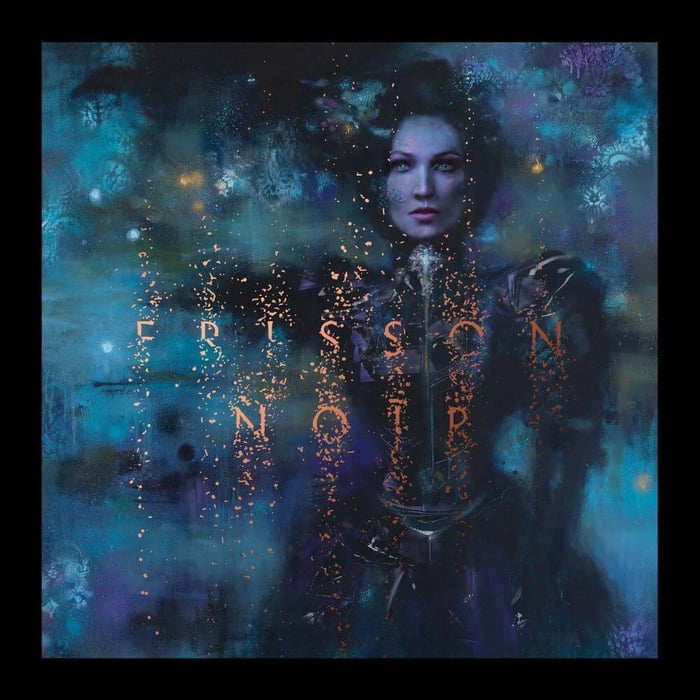
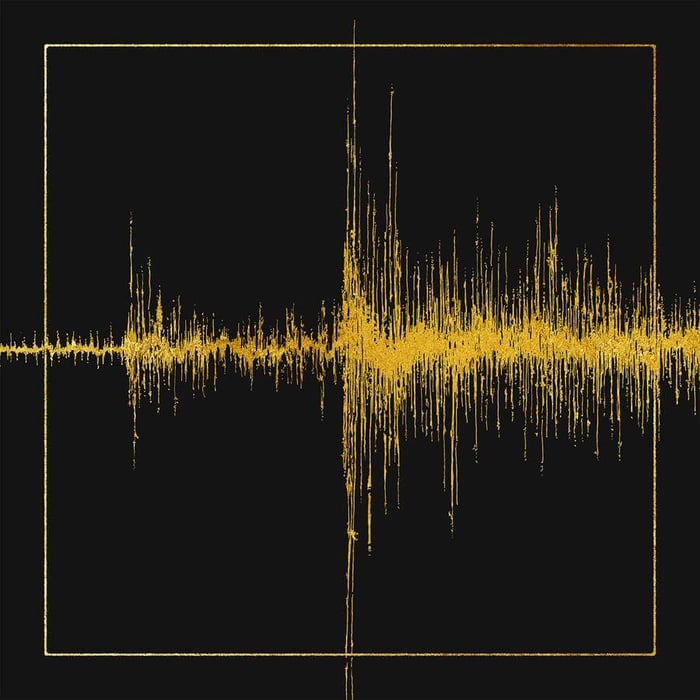
Album art
Release note
Hum Of Hurt is out now via Deathwish/Epitaph Records.
Conclusion
Hum Of Hurt doesn’t try to be the definitive Converge statement. It tries to be the accurate one: anxious, distorted, half-collapsing, still refusing to stop moving.
Our verdict: People who like their heavy music to feel like a real psychological event—not just riffs and adrenaline—will actually love this. If you want tidy structures, easy catharsis, or “heavy” that feels like a gym playlist with better guitars, this album will annoy you and then keep annoying you on purpose.
FAQ
- Is Hum Of Hurt faster or slower than Love Is Not Enough?
Slower overall in feel—more sludge, more space, more warping—but it still throws short bruisers at you when it wants to. - What does “the Hum” concept change about the listening experience?
It makes the album feel like it has an underlying pressure—unease that doesn’t disappear even when the riffs get huge. - What track best shows the album’s “catchy but unsettling” thing?
“Doom In Bloom.” The chorus sticks, but the verses keep your shoulders tense. - Does the album end hopelessly?
No. It ends grim, but with resolve—“Nothing Is Over” pushes revolt, not surrender. - Will fans of Jane Doe be satisfied?
If they want a clone, no. If they want Converge still refusing to repeat themselves, yes—this is a different kind of damage.
If you want something physical to match the album’s vibe, a sharp album-cover poster on your wall makes more sense than it should. You can shop favorites at our store: https://www.architeg-prints.com
 | DISCOUNTGET 30% OFF*Use code on your next order:
|
* This post may contain affiliate links, meaning we earn a commission if you make a purchase through these links, at no additional cost to you.