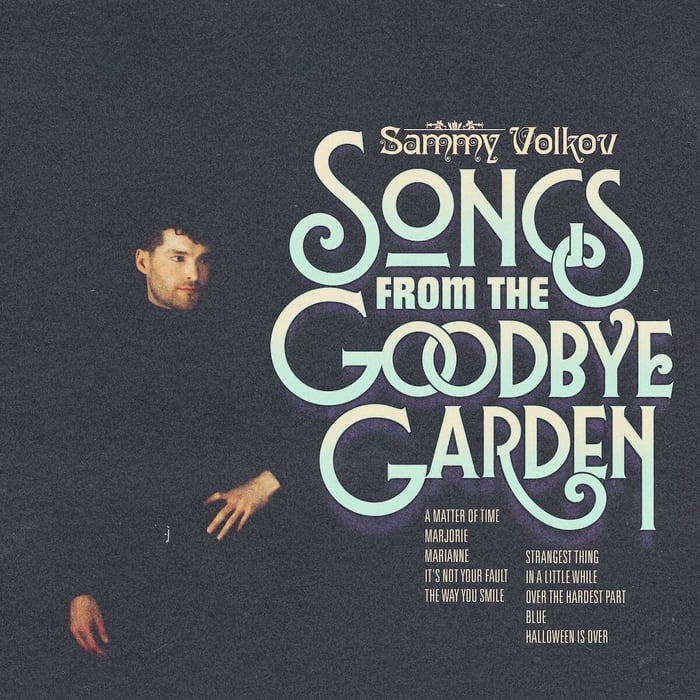
Goodbye Garden Songs: Sammy Volkov’s Nostalgia Trap (In a Good Way)


 See more Architeg Prints stories on Google.
Goodbye Garden Songs: Sammy Volkov’s Nostalgia Trap (In a Good Way)
Sammy Volkov’s Goodbye Garden Songs plays like a 40-minute vow: old-school comfort, careful strings, and a stubborn belief that albums still matter.
This album isn’t “a vibe” — it’s an argument
Some records want to hang out with you. Songs From The Goodbye Garden wants to move into your house, take a drawer, and quietly judge how you fold your shirts. It’s not subtle about it either: this is Sammy Volkov building an album like albums used to be built—sequenced, colored, paced, and meant to be swallowed in one sitting.
And yeah, I know how that sounds. Everyone says they made a “front-to-back” record. This one actually behaves that way, like it expects you to give it 40 minutes and stop treating music like a scrolling feed.
The “concept album” move is a flex — and a risk
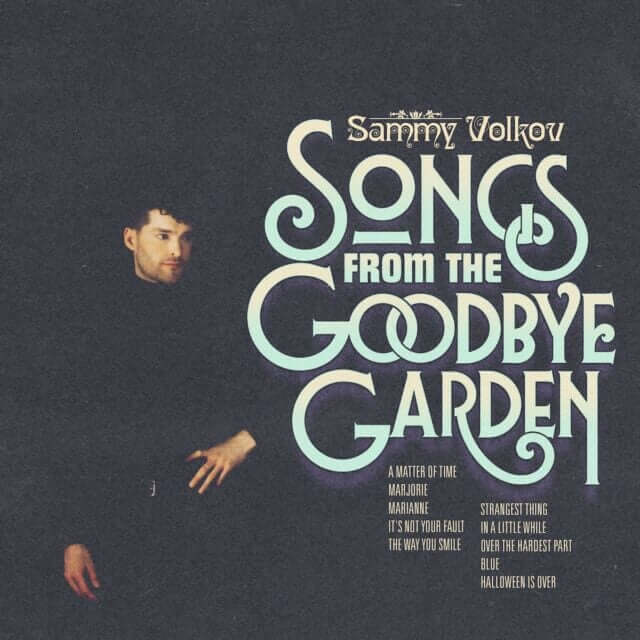
Here’s what Volkov is clearly doing: he’s curating a little museum of psych-folk, indie rock, and chamber pop—then refusing to keep his hands behind the velvet rope. The palette is deliberately “esoteric” in the way older concept records were: not random, not maximalist, not playlist-friendly. It’s designed.
The production, done with Renny Wilson (of Faith Healer), has that intentional, arranged feeling—like the songs were story-boarded, not simply recorded. And Drew Jurecka’s string arrangements (yes, the two-time Grammy nominee) don’t show up to politely decorate the edges. They shape the emotional temperature, pushing certain moments into melodrama on purpose.
An arguable take: the album’s biggest strength is also its most annoying trait—its confidence that you’ll sit still and listen properly. That confidence is attractive… right up until it’s a little smug.
Volkov’s real goal: become someone’s “return-to” record
The most revealing part of this album isn’t even a chord change—it’s the hunger underneath it. Volkov is chasing a specific kind of permanence: the kind where an album isn’t just “good,” it becomes a companion you keep returning to, like a dog-eared novel you trust.
“My life’s ambition has been to create an album that could stand alongside the records I studied as a kid. Not just literally on the shelf, but as a personality in my life — a voice that I could return to and come to trust… As a young, queer person on the Canadian Prairies, I found the permission and comfort that I sorely craved in music… I want to be that comfort for future generations of young people.” — Sammy Volkov
That’s not marketing copy. That’s a mission statement with teeth. And it explains why Songs From The Goodbye Garden keeps reaching for “timelessness” instead of trend. The record is trying to be a safe room. The wild part is it does this without sounding soft—there’s drive in the songwriting, a sense of forward motion even when the mood turns gray.
Still, I’m not totally sure the album always earns the scale of its own ambition. Sometimes it reaches for “classic” so hard you can hear the effort in the seams.
A quick timeline that matters more than it should
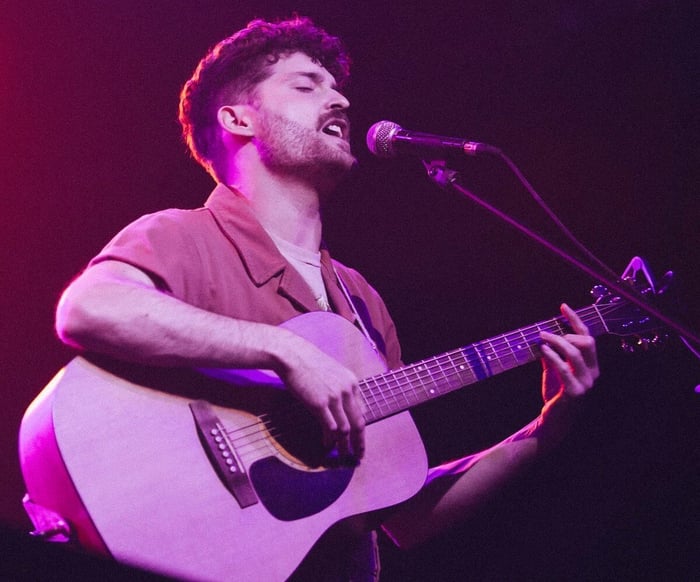
This isn’t Volkov appearing out of nowhere. You can hear a career decision being made here.
- Be Alright! (2022) set the table and put Volkov on the map, even hitting No. 1 on Canada’s CKUA Top 30.
- Two years later, the collaboration with Dana Wylie, The Day Had To Come, went full classic-country tour de force.
- Now Songs From The Goodbye Garden shows up as the “okay, now I’m serious” moment—songwriting leveled up, arrangements sharpened, and a bigger band of players behind him.
An arguable take: the country detour matters because it taught Volkov restraint—how to let a song land without crowding it with cleverness. And then he comes back here and chooses to get ornate again, but with a steadier hand.
Specific moments where the record tells on itself
This album’s emotional engine is the push-pull between nostalgia and momentum. It doesn’t just mope. It keeps moving. That’s the trick.
“The Way You Smile” — strings that actually ache
The strings on The Way You Smile don’t just sound pretty; they sound like they’re carrying something. It’s the kind of arrangement choice that insists the song has weight, and honestly, it works. It’s a direct line to that chamber-pop instinct: when the lyric hits a tender spot, the strings don’t back away—they underline it in pen.
Arguable take: this is where the album is most convincing, because it stops trying to impress and just hurts a little.
“Over The Hardest Part” — the trumpet move that shouldn’t work (but does)
Then you get Over The Hardest Part with this bright Northern soul trumpet blast—like someone yanked open a curtain. If the previous track leans into ache, this one insists on daylight.
I’ll admit it: on first listen I thought the trumpet was going to feel like costume jewelry, a retro flourish for people who love the idea of old records more than the records themselves. On second listen, I heard it differently—the trumpet isn’t nostalgia, it’s propulsion. It’s Volkov refusing to let melancholy win the whole album.
Arguable take: the album’s best pop instinct is right here, even though it’s wearing vintage clothes.
The Jackie Wilson / Townes Van Zandt problem (and why it’s the point)
There’s a comparison that floats around this record’s vibe: like Jackie Wilson and Townes Van Zandt somehow ended up sharing studio time and didn’t kill each other. That sounds impossible because it is—one is all physical charisma and big emotional gestures, the other is the kind of quiet devastation you don’t notice until it’s too late.
But Songs From The Goodbye Garden keeps trying to fuse those energies anyway: the swoon and the bruise. The sheen and the dust. And the reason it works more often than it should is because Volkov doesn’t treat those worlds like genres. He treats them like moods you can cut between—like a film edit.
Mild criticism, though: sometimes the album leans so hard on “vintage emotional language” that a couple moments start to feel like they’re referencing feeling rather than generating it. It’s not constant, but it’s there—like catching a singer reaching for the big, meaningful face in the mirror.
The secret sauce: curator energy with an artist’s nerve
Very few artists can pull off being both:
- a museum curator of older sounds, and
- an adventurous songwriter who risks weird turns.
Most people pick one. If they’re curators, they become tribute acts with better hair. If they’re adventurous, they pretend history started in 2016. Volkov is trying to do both—honor the old “vinyl-era” ideal (one continuous experience, one flip in the middle) while still making choices that feel personal.
Arguable take: the album’s real “concept” isn’t a story—it’s a demand that listening be treated as a relationship again. You don’t dip in for a hook. You commit, you trust, you let it play out.
And here’s the part where I’m genuinely unsure: I can’t decide if this record will connect more deeply with people who grew up idolizing classic albums, or with people who never had them and are starving for something steadier than algorithm-fed singles. Volkov clearly wants the second group—the young listener looking for permission and comfort. But the method is so “album-people coded” that it might initially read like a private language.
Listen in the intended format (yes, I’m being that person)
If you treat Goodbye Garden like a background soundtrack, you’ll miss what it’s doing—because what it’s doing is sequencing emotion.
A few things you’ll notice if you actually sit with it:
- The arrangements aren’t sprinkled on; they arrive like plot points.
- The “bittersweet” sections don’t stall the pace; they set up the next push forward.
- The shifts between folk intimacy, indie snap, and chamber elegance are controlled enough to feel intentional, not like genre-hopping.
Arguable take: this is one of those albums where the “unbroken listening experience” isn’t nostalgia—it’s the whole trick. Break it up, and it turns into nice songs. Keep it intact, and it turns into a statement.
Conclusion: Volkov is building a “trusted voice,” not a trend
Songs From The Goodbye Garden isn’t trying to win the week. It’s trying to earn repeat visits—like a record you lean on when people aren’t doing the job. The psych-folk, indie rock, and chamber-pop blend isn’t there to show range; it’s there to build a self-contained world with enough craft that you might actually believe in it.
Our verdict: People who like albums that feel authored—sequenced, arranged, a little theatrical—will sink into this fast. If you want instant hooks, irony, or music that stays politely in the background, this will feel like an intense dinner guest who insists you taste the sauce and guess the ingredients.
FAQ
- Is Goodbye Garden more folk, rock, or chamber pop? It hops between psych-folk intimacy, indie-rock bite, and chamber-pop strings—without fully “belonging” to just one.
- Who produced the album? Renny Wilson (of Faith Healer) produced it with Volkov.
- What’s the role of the strings here? Drew Jurecka’s string arrangements don’t just add gloss—they push emotion forward, especially in moments like The Way You Smile.
- Is this connected to Volkov’s earlier releases? Yep. It follows Be Alright! (2022) and comes after the Dana Wylie collaboration The Day Had To Come.
- Do I need to listen front-to-back? You don’t need to, but the album clearly wants it; the pacing and mood shifts make more sense as one continuous run.
If this album put you in that “I miss album covers” mood, you can always shop a favorite album cover poster at our store—tastefully, not pushy—over at https://www.architeg-prints.com.
 | DISCOUNTGET 30% OFF*Use code on your next order:
|
* This post may contain affiliate links, meaning we earn a commission if you make a purchase through these links, at no additional cost to you.