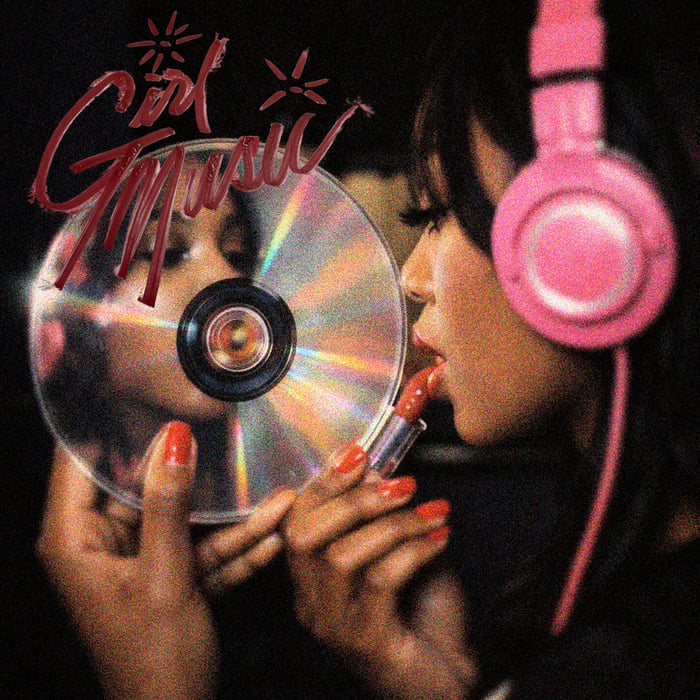
Ty Dolla $ign’s Girl Music EP Is a “Nice Guy” Trap (Fight Me)


 See more Architeg Prints stories on Google.
Ty Dolla $ign’s Girl Music EP Is a “Nice Guy” Trap (Fight Me)
Girl Music turns six short songs into a tidy little alibi: Ty tells you he won’t commit, then acts confused when you believe him.
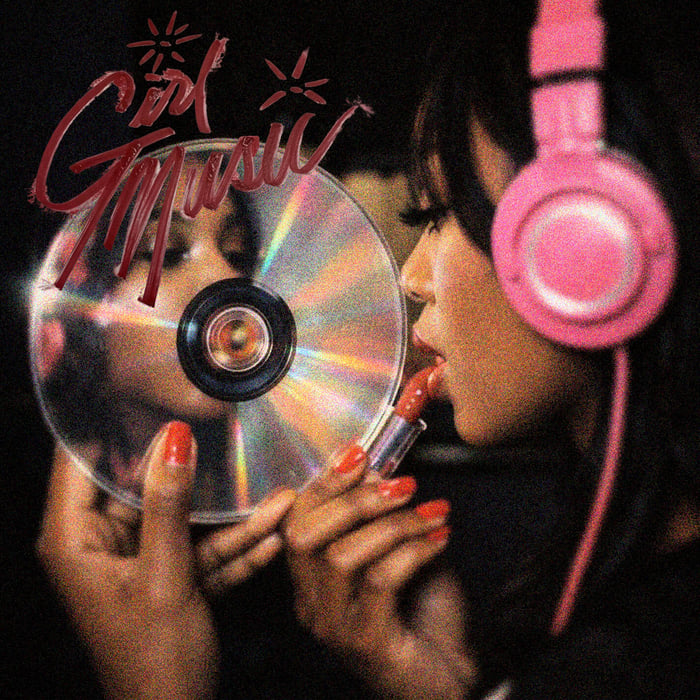
This EP doesn’t flirt — it files paperwork
Ty Dolla $ign has spent years feeling like the human version of “feat.” He shows up, melts into the mix, makes the hook feel expensive, then disappears before anybody can ask him to define the relationship. And for a while, that was the whole brand: pop and rap credits everywhere, the kind of career that looks like an airport departures board.
That’s why Girl Music matters more than it should. Not because it’s “deep” (it’s not), but because it’s small on purpose—six tracks, dropped the week of International Women’s Day, with only three guests. After hearing the last stretch of his output, this plays like a conscious decision to stop hosting a party and start controlling who’s even allowed in the room.
If you liked the big roster flex of TYCOON, you might disagree with me, but I think that album moved like a professional mixer: lots of handshakes, a few good selfies, nobody actually telling the truth. This one’s the opposite. It’s a tight table for four, and Ty’s sitting at the head of it like he’s about to explain himself.
Ty’s main move: warning you, then doing it anyway
Here’s what surprised me: Ty isn’t trying to sound like a better man. He’s trying to sound like a predictable one. The EP keeps returning to the same disclosure, the same “don’t say I didn’t tell you” speech, just from different angles.
“3 Billion” is the cleanest confession on the tape
On “3 Billion,” he doesn’t posture—he documents. The line is blunt: he’ll come through, but he’s not staying the night. And the hook basically seals it with a shrug: you’re going to hate him for it.
The woman in the song already knows the deal. She puts her phone on Do Not Disturb when he comes over. She keeps him off the friend-group radar. She’s aware of the rumors and acts like she isn’t. And Ty’s response isn’t tenderness or guilt—it’s math: there are three billion other options in the world, so why would she expect exclusivity?
A reasonable listener could hear this and call it honesty. I hear it as something sneakier: a pre-excuse. He’s not being open to build intimacy; he’s being open so he can’t be accused later. It’s emotional liability insurance, and it works because it’s sung like a lullaby.
“Good to Me” tries to turn that math into romance
Then “Good to Me” flips the camera. Suddenly, the same guy who won’t commit is talking about the one person he always returns to—everybody else cycles through, but she’s the “air” he breathes.
It’s seductive… and also a little irritating, because the song frames her lowered expectations like a romantic milestone. He notices she stopped asking where he’s been at night. And instead of dealing with the fact that she stopped asking out of self-protection, he turns it into a new kind of intimacy—like her silence is proof they’ve matured.
That’s the first place the EP loses me a bit. Not because it’s morally scandalous (pop music has been doing this forever), but because Ty wants credit for emotional clarity while still living inside the same habits. He’s selling acceptance as if it’s trust. That’s not growth; it’s a rebrand.
The opener drags a long, awkward shadow
A tight EP lives or dies by the first track, and “Nobody Has to Know” is a loaded choice. It opens with Ronald Isley, and the reference point is obvious: the 1995 era of “Down Low (Nobody Has to Know),” with Isley as the “Mr. Biggs” character.
Hearing Isley at eighty-four is the best part of this setup. His bridge doesn’t chase anybody’s tempo or try to sound “current.” He just arrives like a legend stepping into the room, and the record quietly reshapes itself around his presence. That kind of calm authority is hard to fake.
But I’ll admit something: I’m not totally sure what Ty thinks he’s accomplishing by invoking that specific lineage so directly. The older song’s context is famously messy, and this new track can’t help but feel like it’s borrowing heat it doesn’t want to touch. Maybe that discomfort is the point—maybe Ty wants the listener to feel the stain of secrecy before the EP even starts. Or maybe he just wanted the association because it reads “classic R&B scandal” without having to write a new story.
Either way, it’s not a neutral reference. It’s a decision. And it tells you what kind of “girl music” this is: not empowerment anthems, not romance fantasy—more like soft-lit secrecy with a side of plausible deniability.
“Intention” is where the EP finally stops smirking
The emotional peak here is “Intention,” mostly because Brandy won’t let Ty wiggle out of his own words. Ty spends his part circling the same question, trying to confirm ownership in the saddest way: admitting he was wrong and asking if she’s still his.
Brandy’s response is what gives the song teeth. She doesn’t sound shocked; she sounds familiar. Like, “Yes, I know why you’re here. We’ve done this loop.” There’s no wide-eyed hope in her tone—more like a clear-eyed acceptance that love sometimes shows up even when the situation is structurally dumb.
And that’s the track’s secret advantage: it makes Ty’s usual routine sound small. When Brandy steps in, the vibe stops being “cool guy confession” and becomes “repeat offender trying to negotiate consequences.”
I didn’t expect “Intention” to hit me that way at first. On first listen I thought it was just another silky duet. On second pass, it felt more like Brandy was quietly controlling the narrative, and Ty was just lucky to be on the record with her.
“Miss U 2” is retail therapy dressed up as devotion
Leon Thomas shows up on “Miss U 2” and immediately shifts the EP into a different kind of sadness: the kind you can put on a credit card. He catalogs luxury like it’s a love language—Balenciaga bags, Miu Miu—then throws in the image that really stings: wedding rings on every finger, with no wedding coming.
That’s the whole song, really. The gifts keep stacking because the words don’t stick. And the track opening with a lifted piece of Aaron Hall’s 1994 hit makes the message even clearer: this is an old pattern with a new wardrobe.
Here’s my arguable take: “Miss U 2” is the most honest song on the EP because it’s pathetic. Not “pathetic” as an insult—pathetic as in openly desperate. It doesn’t pretend the designer haul fixes anything. It just shows you a guy trying to buy his way back into a feeling that already left the building.
The one “fun” track is basically a disclaimer
“Bad Bitch Alert” is the loosest moment—by design. It’s a third-person sketch: Chanel lipstick, French tips on her toes, and she’s not picking up if you’re broke. Ty zooms out into passport girls across time zones—chocolate, caramel—like he’s flipping through a glossy brochure of temptation.
And honestly, it works better because it doesn’t beg to be taken seriously. It’s a relief valve. After the quiet manipulation and circular apologies elsewhere, this one basically says, “Relax, this is still Ty. He still likes the fantasy.”
But it’s also the track that makes the rest of the EP look more calculated. Because once you hear how easily he can slide into caricature, you realize the “serious” songs are curated too. He’s choosing when to be specific, when to be vague, when to sound guilty, and when to sound amused. That’s not chaos—that’s control.
The ending tries to land softly… and then vanishes
By the time “Good to Me” circles back in the EP’s back half, it tightens the emotional screws. The details get sharper: she could’ve had anyone, she won’t even look at other men, and when the sun comes up she holds on.
Ty calls the sunrise an intermission, not a goodbye. That line is doing a lot of work. It’s him admitting the relationship is basically episodic—nighttime romance, daytime reset—while still asking to be treated like the main character.
And then the EP ends, and it leaves this weird aftertaste: not because it’s traumatic, but because it’s so easy to forget. I don’t mean that as a brutal drag; it’s more like the project is engineered to dissolve. Six songs, soft edges, pretty voices, and just enough narrative to make you feel like you “went through something”… until tomorrow rolls around and you’re back to whatever playlist you were already cheating on it with.
That’s probably intentional. Girl Music isn’t begging to be a landmark. It’s trying to be a moment you replay when you’re in the mood to make a bad decision and call it self-awareness.
Favorite tracks
- “Intention”
- “Good to Me”
Conclusion
Girl Music plays like Ty Dolla $ign narrowing his world on purpose: fewer guests, clearer scenarios, and a lot of sweet-sounding honesty that’s really just boundary-setting for future misbehavior.
Our verdict: People who like polished R&B that sounds like a late-night text you shouldn’t answer will actually love this album—especially if you enjoy singers who confess while keeping one shoe on. If you want accountability, plot progression, or even the basic decency of staying the night, this EP is going to feel like someone “communicating” you into a corner.
FAQ
- Is Girl Music a full album or a short project?
It’s a six-track EP, intentionally compact, with only a few carefully chosen guest appearances. - What does “Girl Music” feel like it’s trying to do?
It frames messy relationship behavior as “honesty,” then uses smooth production and big voices to make that honesty feel romantic. - Which tracks hit hardest emotionally?
“Intention” lands because Brandy cuts through Ty’s uncertainty, and “Miss U 2” stings with its image of luxury replacing real commitment. - Is there any lighter moment on the EP?
“Bad Bitch Alert” is the most playful and knowingly unserious track, like a palate cleanser between heavier conversations. - Will I remember this EP a week from now?
Maybe not. It’s designed to slide down easy and disappear fast—great for vibes, less great for staying power.
If this whole “beautiful music, questionable decisions” mood is your aesthetic, a good album-cover poster kind of fits the theme—something glossy you can’t fully defend. You can shop favorites at our store: https://www.architeg-prints.com/
 | DISCOUNTGET 30% OFF*Use code on your next order:
|
* This post may contain affiliate links, meaning we earn a commission if you make a purchase through these links, at no additional cost to you.