Yebba Jean Review: Grief Tried to Win—She Sang Louder Anyway


 See more Architeg Prints stories on Google.
Yebba Finds Her Way Through Devastation and Liberation on 'Jean'
Yebba Jean turns mourning into motion: piano prayers, country detours, rock hunger, and hyper-pop glitches that prove healing isn’t neat.
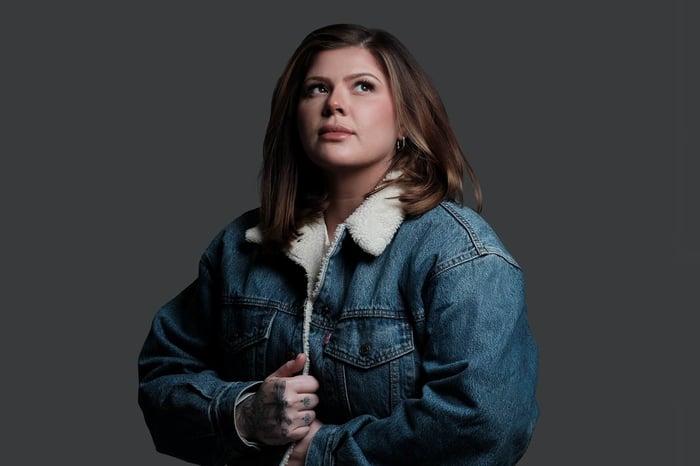
This album doesn’t “move on”—it argues with itself
Some albums about loss try to sound wise. Yebba Jean doesn’t. It sounds like someone waking up and realizing grief didn’t magically turn them into a better person—just a louder, stranger, more complicated one.
I kept thinking I was about to get a tidy healing narrative. That’s not what this record wants. It keeps circling the same emotional blocks, tapping them from different angles, like Yebba’s testing whether the past is still electrified.
From a mother’s goodbye to a new kind of “singing away”
The last memory I carried in from her debut Dawn is that final gut-punch: her mother’s voice leaving a warm little voice note—
hope you’re having fun, and I hope you’re singing away.That ending never felt like closure; it felt like a command she wasn’t sure she could follow.
On Yebba Jean, she takes that line seriously, but not in a motivational-poster way. “Singing away” becomes an actual method—like she’s using technique, tone, genre, and pure nerve as tools to drag herself forward. And the “having fun” part? She doesn’t force it. She earns it in flashes, mostly by refusing to stay inside the sound everyone expects her to make.
That decision alone feels like the album’s real plot: not “I healed,” but “I tried something else because staying the same was starting to feel like a trap.”
“Forgiveness” opens like a prayer… and immediately doubts itself
The first track, “Forgiveness,” doesn’t crash in with big statements. It kneels. Quiet piano, a voice held tenderly, like she’s afraid a hard consonant might break the whole thing.
And the words are doing that very Yebba thing—beautiful, but unsparing:
Say, what if I forgave it all… But what if I let the river through…
That’s the move: she frames forgiveness as risk, not virtue. Not “I’m above it,” but “if I do this, will people laugh at me for being soft?” She’s leaning into faith over fear, but she doesn’t pretend it’s easy—or even stable.
I’m not totally sure she believes in forgiveness the way the title suggests. The song plays more like she’s drafting the idea in pencil, ready to erase it if it doesn’t hold up.
“Seven Years” drags the same refrain back—this time with teeth
Near the end, “Seven Years” calls back to “Forgiveness,” bringing back that line—maybe that’s how forgiveness feels—but it lands heavier now, like the phrase has been handled too many times and picked up grime.
Here, she’s openly paranoid about time. Not in a “life is short” inspirational way—more like: what if I wasted my life being furious? She sings about seven years of rage, about losing her mind, about tears striking the page. It’s not a neat bookend; it’s a reopened argument.
And the question she keeps worrying like a sore spot is brutal in its simplicity: can you move forward without letting the past stop existing? She wants to keep anchors without drowning. She wants memory without the chain.
That tension is basically the album’s engine—devastation and liberation taking turns at the wheel.
Naming it “Jean” feels like a choice to stop being abstract
Calling the album Jean—after her late grandmother—changes the temperature. It’s not just “grief” as a theme; it’s people, names, places, routines. The record isn’t trying to be universally relatable so much as stubbornly specific, like specificity is the only honest way to talk about loss.
That specificity really comes into focus on “West Memphis.” The track rides a slick country arrangement that points straight back toward Arkansas. You can hear her thinking about hometown cycles—the same TV, the same faith language, the same daily patterns that loop whether you’re thriving or stuck.
She drops lines about TBN, “praise the Lord,” and the Powerball being on by four. Her granny’s advice—trust the Lord, He’ll heal the sick and settle every score—shows up less like propaganda and more like a remembered rhythm of life.
But the sharp part is what she notices next: the place stayed the same; she didn’t. She’s older, and she doesn’t pretend that automatically made her wiser. Weirdly, she seems fine with that. On this album, not being finished feels like freedom, not failure—and that’s an arguable stance if you’re the type who wants your grown-up records to sound “resolved.”
When she strips it back, she doesn’t need your attention—she takes it
Yebba has one of those voices that usually doesn’t have to chase the listener. On “Different Light,” she’s in her classic, stripped-back ballad mode—haunted and haunting, the kind of track that makes you stop multitasking because your brain realizes it might miss something important.
“Delicate Roots” sits in a hazy synth fog that feels designed for closed-eyes listening. It doesn’t beg for drama; it breathes it. The ache is the point, and she’s confident enough not to decorate it.
Here’s my mild gripe, though: on a first pass, I wanted one of these quieter moments to end a little sooner. Not because they’re boring—because they’re so hypnotic they can blur together if you’re not paying attention. On second listen, I appreciated that blur more; it’s like she’s making you sit in the feeling until it stops being poetic and starts being physical.
She refuses to stay in R&B comfort—then keeps the gospel anyway
A lot of Yebba Jean wanders outside the R&B pockets people like to assign her. But even when the genre changes, the gospel influence stays glued to her phrasing and emotional posture. It’s in the lift of a note, the way she stacks conviction behind a line.
That’s especially clear on “Waterfall (I Adore You).” It’s amorous, warm, and devotional without turning corny. The song already had a life—released in 2023, and later showing up via a sample on Drake’s “Polar Opposites” from For All the Dogs—but here it feels like part of the album’s bigger argument: love and faith aren’t separate from grief; they’re how she survives it.
There’s also a lyrical thread running through the record—change, distinction, trying not to calcify. You can hear her actively “trying on” approaches, molding her voice around words differently from track to track. It’s like she’s honoring that old wish—keep singing—but finally letting herself interpret “have fun” as experiment, don’t behave.
“Aggressive” is desire as a rock fight—and the guitars almost win
Then she yanks the wheel hard with “Aggressive,” a rock song built on all-consuming want. The guitars aren’t polite accompaniment; they’re competition. They rage like they’re trying to swallow her voice whole, and for a second it feels like they might.
That’s what makes the track work: she isn’t floating above the arrangement like a flawless vocalist. She’s in it, wrestling. The “aggressive” part isn’t just the lyric—it’s the mix, the performance, the decision to let the song get messy.
Someone could argue it’s her most straightforward “big” moment on the record. I’d argue the opposite: it’s a calculated loss of control, and that’s harder than sounding pristine.
“Earth, Wind, & California” smiles while it flips the industry off
From there, she slides into “Earth, Wind, & California,” which sounds breezy—surf-rock lightness, sun on the hood—while the lyrics basically spit out their drink in disgust.
She takes shots at trend cycles and the music industry with a kind of exhausted bluntness, dropping lines about “the real ones” being gone and the bizarre corporate theater of meetings about meetings. It’s not subtle, and it’s not supposed to be. The tension is the joke: she’s saying ugly truths over music that wants to sell you a convertible.
If you want the album to be purely emotional and “timeless,” this track might irritate you. I thought it didn’t belong at first—like it was a different project crashing the party. But later I realized it’s doing the same thing as the grief songs: calling out the systems that try to manage you. Loss is one system. Industry is another.
“Of Course” breaks her own voice on purpose (and then laughs)
At the album’s midpoint, “Of Course” goes skittering into glitching hyper-pop territory and distorts her pristine vocals like she’s testing how much beauty she can sabotage and still sound like herself.
It’s packed with quick one-liners—brash, funny, and sharp:
- “I’m thick as fuck and fine as hell”
- “I hope that he kiss and tells”
- “He’s a fan in my DMs, so I report his ass for spam”
- “All these men are fuckin’ scams”
And then, in the background of one verse, she lets out this bellowing laugh—like she surprised herself with her own audacity.
Here’s the arguable take: I think the track is less about men than it is about control. After so much grief, here’s a song where she decides what matters, what gets mocked, what gets muted. Even the vocal distortion feels like her saying, I can mess with my own image before anyone else does.
“Alright” admits the ugly: hating L.A., missing her mom, still moving
When “Alright” hits, the album stops flirting and just tells the truth. She sings about hating L.A. and missing her mother, and it doesn’t come off as edgy or performative—it comes off as someone narrating their own private weather.
This is where the “devastation vs liberation” balance becomes obvious. The grief isn’t a backdrop. It’s a force that drags at her ankles while she tries to walk anyway. And somehow, she turns that into purpose instead of aesthetic.
I’m not entirely sure I buy the “against all odds” framing emotionally—sometimes survival isn’t heroic; it’s just what happens because the day keeps showing up. But maybe that’s the point: the song refuses to dress pain up as inspirational content. It’s raw, and it keeps going.
“Yellow Eyes” claps like thunder and keeps changing shape
“Yellow Eyes” is one of the most musically alive moments here. It’s folky at its core, but it’s pierced with thunderous claps that make the song feel physical, like the air pressure changes in the room.
It was co-produced by Yebba and John Rooney, with James Francies helping craft the album’s sound—credits that make sense when you hear how the track keeps shifting its melodic flow. She changes direction multiple times, building toward an outro carried by bluesy harmonies that feel like a light switching on in a dark hallway.
The hook isn’t a slogan; it’s a warning and a comfort at once: when you think it’s over, look over your shoulder—the way that it was is still waiting.
That’s a wild thing to sing if you’re supposedly “moving on.” But Yebba Jean doesn’t treat the past like a closed door. It treats it like a room you can walk back into—if you’re brave enough not to get trapped there.
The closer isn’t closure—it's permission to stop “playing it small”
By the time “Water and Wonderlust” closes the album, she’s not offering a final lesson. She’s drawing a boundary.
No more time for severed answers, second glances and baited questions or playing it small. That’s how it goes.
What I hear in that ending is an artist deciding that linear healing is overrated. Some emotions don’t line up neatly. Some years expand you in ways you can’t summarize. The time between albums feels audible here—not as absence, but as growth that didn’t happen politely.
And yeah, it’s good to have her back—but not because she returned the same. She didn’t.
Conclusion
Yebba Jean doesn’t clean up devastation; it carries it around the house and keeps living anyway. The liberation isn’t a victory lap—it’s the moment she realizes she’s allowed to change shape, change genres, change her mind, and still be honest.
Our verdict: People who like albums that argue with grief instead of wrapping it up will actually love this—especially if you enjoy hearing a great vocalist take real risks. If you need your healing records to be calm, consistent, and politely inspirational, this one will annoy you the way a truthful friend annoys you: by not letting you lie to yourself.
FAQ
- Is Yebba Jean mainly a grief album?
It’s grief-aware, but it keeps swerving into desire, humor, rage, and experimentation—like she refuses to let loss be the only genre. - What’s the emotional tone of “Forgiveness” vs “Seven Years”?
“Forgiveness” feels like a quiet prayer. “Seven Years” feels like that same prayer returning with doubt and receipts. - Does the album stick to R&B?
Not really. It stretches into country, rock, surf-rock breeziness, and glitchy hyper-pop touches while keeping gospel in the vocal DNA. - Which track feels the most unexpected?
“Of Course,” because she intentionally mangles her own pristine voice and then laughs like she’s enjoying the chaos. - Is this album trying to be “fun”?
In spots, yes—but more like the fun of finally taking up space, not the fun of pretending everything’s fine.
If this record lodged an image in your head—a lyric, a color, a mood—you might want it on your wall. You can shop a favorite album-cover-style poster at our store: https://www.architeg-prints.com
 | DISCOUNTGET 30% OFF*Use code on your next order:
|
* This post may contain affiliate links, meaning we earn a commission if you make a purchase through these links, at no additional cost to you.