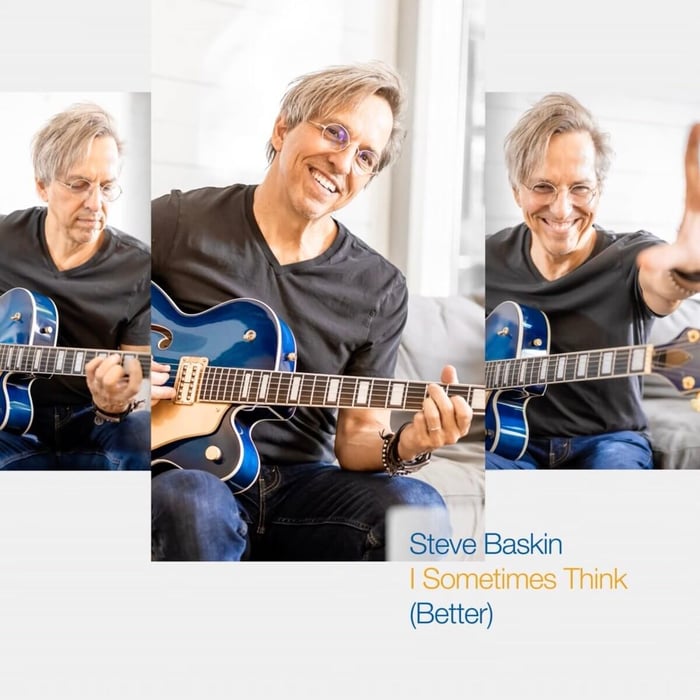
Steve Baskin’s I Sometimes Think Reboot: Nostalgia With Teeth (Again)


 See more Architeg Prints stories on Google.
Steve Baskin’s I Sometimes Think Reboot: Nostalgia With Teeth (Again)
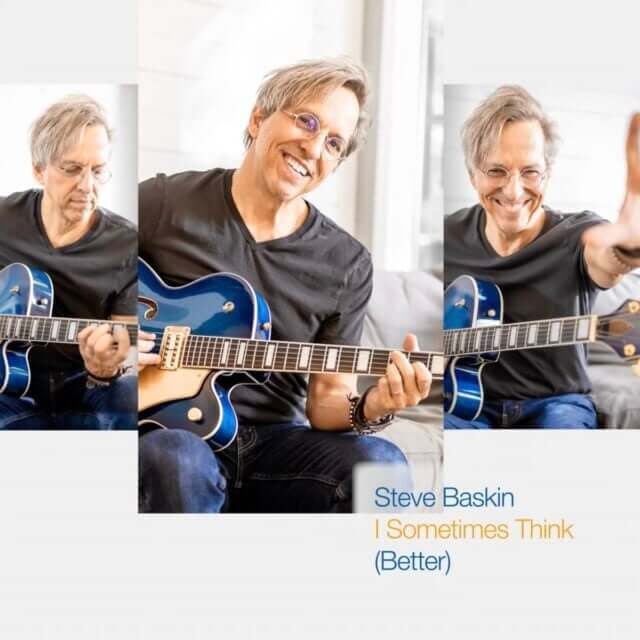
I Sometimes Think is back in “Better” form—warmer, tighter, and more stubbornly alive than nostalgia usually allows.
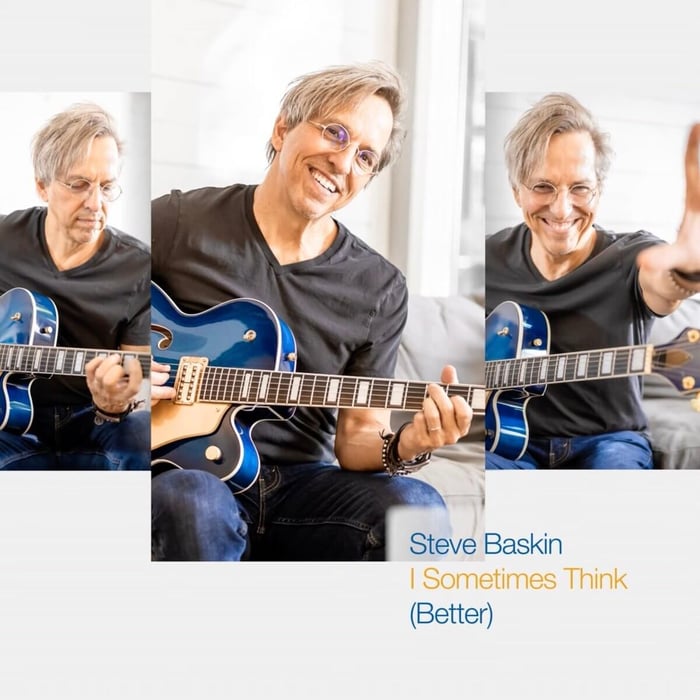
The hook: this isn’t a “reissue,” it’s a do-over with a memory
Some albums point forward. I Sometimes Think (Better) points backward on purpose—and then dares you to pretend the past doesn’t matter.
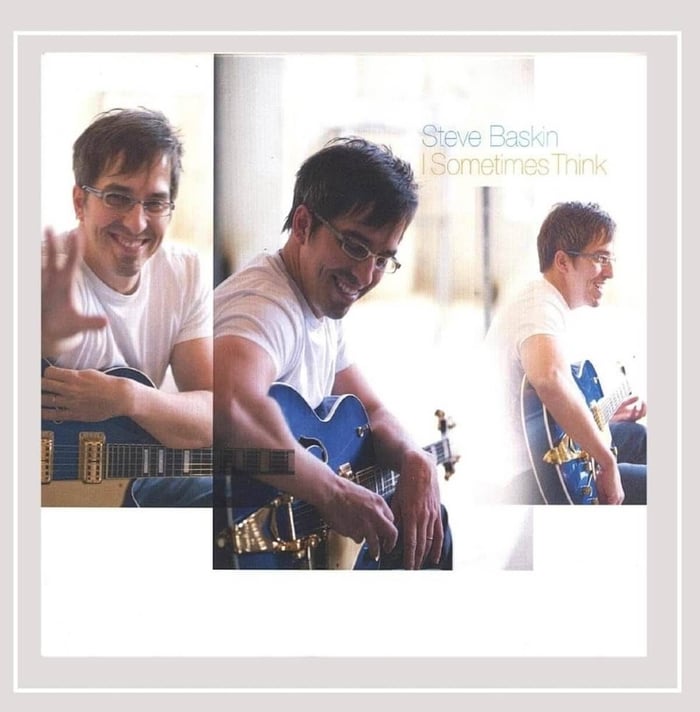
What I hear here is an Atlanta singer-guitarist using a reimagining of his 2006 debut (I Sometimes Think) to draw a thick line between “who I was” and “who I can be when the songs get real support.” That’s the actual story: not reinvention for novelty, but revision for accuracy.
Why the “Better” matters: the band isn’t decoration
Here’s the blunt truth: this record sounds like it’s correcting a logistical mistake from 2006. Back then, the material existed, but the infrastructure didn’t. Now it does—because The Fourteens are the whole point.
Baskin basically says it outright:
“Because I didn’t have a band like The Fourteens when I was making the first record, I played every track myself… I was literally learning how to make a record.” — Steve Baskin
And yeah, you can hear that difference without needing liner notes. This isn’t “look what we can polish.” It’s “look what these songs were trying to be the first time.” The arguable part: I think the presence of a real band doesn’t just improve the sound—it changes the songs’ posture. They stand up straighter.
But I’ll admit I hesitated at first. My knee-jerk reaction to any album called (Better) is: sure, okay, tell yourself that. Then the arrangements start moving like people in the same room, and my cynicism kind of runs out of fuel.
A record about endurance… but not the Hallmark kind
If Love Is Hard (his 2024 release) was about love surviving, I Sometimes Think (Better) is about something less romantic and more revealing: songs surviving their own early versions.
That’s what this album “celebrates,” whether it means to or not—the endurance of art, of ideas that keep growing even when the writer has changed. A reasonable listener might argue it’s self-mythologizing. I’d argue it’s closer to self-auditing: Baskin revisiting his own work like he’s double-checking the measurements before cutting wood.
And the band chemistry matters here because it reads like camaraderie, not session-musician professionalism. There’s a family feeling to it—less “hired hands,” more “we know exactly when you’re about to lean into that chorus.”
The sound: genre-hopping, but not scatterbrained
Musically, this album slides across power-pop, indie rock, country, folk-rock, blues, southern soul, Americana, and heartland rock like it’s changing lanes on an empty highway. It’s not chaotic; it’s comfortable. That comfort is a creative decision, and it’s also a risk.
The arguable claim: the record’s “timeless blend” is less about spanning generations and more about refusing to pick a tribe. That can make it feel universal—or, to some ears, frustratingly non-committal.
Still, the details land:
- earthy guitars that sound played, not pasted
- rich melodies that don’t beg for your attention
- hooks that snap into place without fanfare
- stacked vocal harmonies that feel earned, not glossy
- musicianship that shows off only when it needs to
- solos that actually say something instead of just taking up space
And yes, you can easily imagine these tracks sitting next to Jesse Malin, Nathaniel Rateliff, Tom Petty, the Allman Brothers, or the Beatles without sounding like they’re cosplaying. Not because Baskin is copying them—because he’s working in the same old-school belief system where the song is supposed to hold weight even when the amps are off.

The cover choice that gives away the whole mission
The set list includes a “smoulderingly soulful” take on A Hard Day’s Night, and that’s not a random flex. It’s a signal. Baskin isn’t trying to impress you with deep cuts; he’s trying to show you that craft survives translation.
The arguable part: putting a Beatles song in the mix can feel like leaning on an immortal crutch. But here, it works more like a calibration tool—proof-of-life that the band can swing from bright power-pop snap to soul-soaked grit without sounding like a playlist algorithm.
The lyrics: hope that refuses to be embarrassed
Lyrically, I Sometimes Think (Better) keeps circling a few stubborn themes:
- love that won’t quit
- mistakes that still sting
- the itchy belief that maybe, this time, it’ll go a little better
What surprised me is how unflashy the writing feels. It doesn’t posture as “wisdom.” It just keeps returning to the same bruises, like the narrator is poking them to see if they still hurt.
In Where You Are, the narrator waits—uncertain, wide-eyed—inside a “rock-solid power-pop ditty.” And that phrase fits the feeling: the track’s structure is confident even when the character isn’t. That contrast is a classic trick, and it’s effective because it’s not overplayed.
Then by the time you hit the jammy southern-rock anthem I Sometimes Think, the emotional perspective shifts: solitude isn’t framed as punishment, but as the teacher you didn’t ask for. The arguable claim: the album’s real arc isn’t romantic; it’s internal. The love story is the decoy. The actual plot is a person learning what to keep.
The “veteran artist” thing is real… and also slightly awkward
This is Baskin’s sixth full-length album. It’s also The Fourteens’ third release across the last couple of years. That pace matters, because you can hear a group that isn’t precious about momentum. They’re working.
In April 2025, Baskin also put out Under Cover, a collection of cover tunes that leans eclectic by design. And that’s the part where I had to check myself: my first impression was that I Sometimes Think (Better) might be a side-project vibe—like a casual revisiting between “real” statements. On second listen, it reads more like the opposite: this is the statement that explains the rest. The covers album becomes the palate; the reimagining becomes the spine.
Now for a mild criticism, because not everything here is magic: the genre-spanning approach occasionally smooths out the danger. I kept waiting for one moment to get a little uglier—one rough edge left intact as proof it wasn’t all rebuilt in the same clean workshop. Maybe that’s not the goal. Still, a little mess can make a “better” version feel more human.
The résumé flexes… but the songs don’t depend on them
There’s a long performance history floating around Baskin’s orbit—sharing stages with The Beach Boys, June Carter Cash, Don McLean, Cindy Wilson of The B-52’s, Rob Thomas, and more, plus a deep love for legendary soul artists. That stuff can read like a press-kit parade, but the record itself doesn’t lean on it.
And then there’s the specific, oddly grounded brag hidden inside the songwriting: the track Dinner With Lou claims he really did have dinner with Lou Reed, and he really did meet J-Lo at the Garden. That’s such a peculiar detail it loops back around into credibility. It’s not “I met a celebrity.” It’s “this happened, and it’s now stuck in my lyrical filing cabinet forever.”
The arguable take: those anecdotes are either charmingly honest or totally unnecessary. I lean charming—because they match the album’s larger theme of revisiting life with clearer eyes.
Listen & follow (if you want the full context)
If you want to cue up I Sometimes Think (Better) directly, this is the embedded album link:
And if you want to “meet Steve Baskin again for the first time,” the official corners of the internet are here (in the order that makes the most sense to a human being):

Conclusion: the past doesn’t get forgiven—just played correctly
I Sometimes Think (Better) doesn’t act like the 2006 version was “bad.” It acts like it was unfinished business. The reimagining lands because it’s not chasing modern relevance; it’s chasing the sound Baskin wanted before he had the right people in the room. And if that’s not what “better” means, then the word doesn’t mean much.
Our verdict: People who like band-shaped records—where guitars, harmonies, and grooves feel like actual friendships—will get this immediately. If you need your artists to abandon their roots every few years like a snake shedding skin, this will feel stubborn, maybe even quaint. The joke’s on you, though: the stubbornness is the feature.
FAQ
- Is I Sometimes Think (Better) a brand-new album or a remake?
It’s a reimagining of Steve Baskin’s 2006 debut I Sometimes Think, recorded with his band The Fourteens to realize the original vision more fully. - What style of music is this?
It moves through power-pop, indie rock, country, folk-rock, blues, southern soul, Americana, and heartland rock—sometimes within the same stretch of tracklist. - Does the album include any covers?
Yes—there’s a soulful rendition of A Hard Day’s Night in the set list. - How does it connect to Baskin’s newer work?
After Love Is Hard (2024) and the cover collection Under Cover (April 2025), this record plays like a backward glance that clarifies the whole catalog’s emotional DNA. - What’s the lyrical focus across the album?
Love that persists, regret that lingers, and the stubborn hope that things can still turn out “a little bit better,” especially after you’ve sat alone with your own choices.
If this album’s whole thing is “the art endures,” you might as well hang some art that does too—shop your favorite album cover poster at our store: https://www.architeg-prints.com.
 | DISCOUNTGET 30% OFF*Use code on your next order:
|
* This post may contain affiliate links, meaning we earn a commission if you make a purchase through these links, at no additional cost to you.