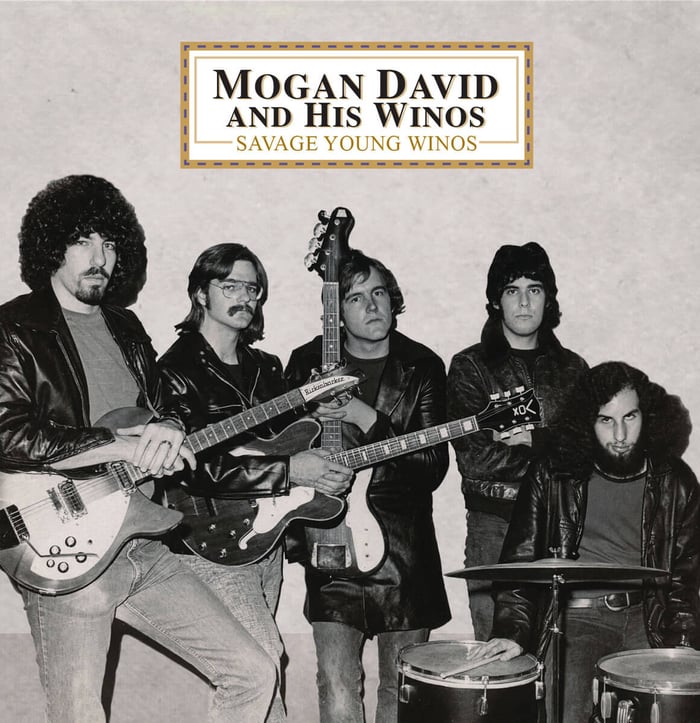
Savage Young Winos Review: Industry Suits Playing Punk Like It’s a Dare


 See more Architeg Prints stories on Google.
Savage Young Winos Review: Industry Suits Playing Punk Like It’s a Dare
Savage Young Winos turns record-label brainpower into scrappy chaos—then skips the worst parts. It’s messy, smug, and weirdly charming.
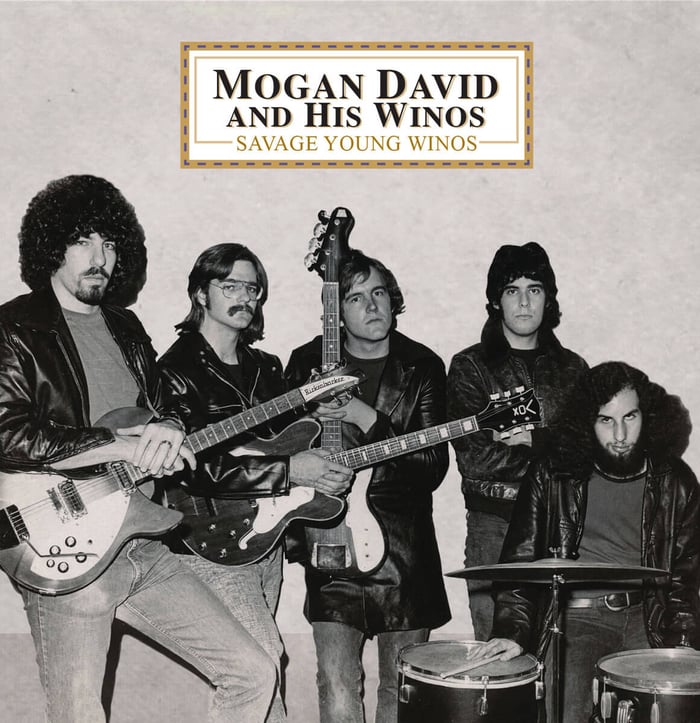
This album isn’t “lost”—it’s quietly bragging
Some records kick the door in. Savage Young Winos kind of strolls in, smirks, and starts touching everything on your shelf like it owns the place.
What I hear first isn’t just a band. It’s a band made out of people who shouldn’t be in a band together—at least not on paper. And that’s the point. This lineup feels like a private joke that accidentally got pressed onto wax.
The real hook: a “who’s who” lineup that shouldn’t work
Here’s what makes Savage Young Winos a little absurd in the best way: the group’s roster reads like an American music-business roll call.
You’ve got Harold Bronson and Richard Foos—names tied to the founding of Rhino Records—standing in the same room as Paul Rappaport (Columbia Records) and Mark Leviton (Rhino / Warner Music Group). And then, because apparently the universe wanted to see how far it could push the premise, Jonathan Kellerman is in there too—the bestselling novelist behind the Alex Delaware books.
That combination changes how the music lands. I kept thinking: this isn’t starry-eyed kids trying to “make it.” This is insiders letting themselves act unserious on purpose. And yes, a reasonable person could argue that’s a flex. I’d argue it’s more like a release valve—industry brains letting off steam by making something that doesn’t have to impress anybody.
Still, it also creates a weird tension: when the people playing the music understand the machinery behind the curtain, the music can start to feel like it’s winking at itself.
A band name that tells you the exact kind of trouble you’re in
The origin story matters because you can hear it in the attitude.
The group started in high school, built by Bronson—an L.A. kid who sounds, even in the backstory, like the kind of person who couldn’t not be obsessed with music. The name comes from the Mogen David Wine Co., and it’s clearly chosen for the same reason people once named bands Jefferson Airplane or Strawberry Alarm Clock: it’s semi-nonsense, semi-brand, slightly embarrassing, and totally committed.
And honestly, my first impression of the name was: great, this is going to be novelty trash. But sitting with the record, I had to walk that back. The name isn’t a punchline—it’s a signal. It tells you they’re aiming for that psychedelic-era permission slip where you can be theatrical, sloppy, clever, and kind of dumb all at once.
If you hate band names that sound like they were picked while laughing too hard in a kitchen, you’ll probably hate this. If you like your rock with a little counterfeit mythology, you’re in.
They got national attention… and the quote tells you why
The album didn’t stay completely underground. It pulled some national attention back in the day, and the most revealing reaction I’ve seen is this one—because it gives away what the record is trying to do without saying it outright:
“Side one’s at least as listenable as Roxy Music… Hooracha and more power to ’em.” — Lester Bangs
That’s not polite praise; it’s the kind of compliment you give when something is unexpectedly functional. “At least as listenable” is basically a dare. And pairing them (even loosely) with Roxy Music suggests a certain kind of arty swagger—music that wants to feel stylish even when it’s falling over its own shoelaces.
I’m not totally sure I buy the comparison as a straight sonic match—Roxy is too sleek for that—but I get the spirit of it. The Winos sound like they want the freedom of art-rock without the burden of being “good taste.”
Rhino Records is the subplot, and it changes the whole vibe
The record gets even stranger once you realize what else was happening around it.
By 1974, Bronson wasn’t just playing in a band—he was managing a new Rhino Records retail store on Westwood Boulevard. Then, working alongside Foos, Bronson’s Kosher Records shifted into a new independent label… also called Rhino Records.
And that’s where Savage Young Winos starts feeling less like a random artifact and more like a breadcrumb in a bigger story. For the first decade, Rhino ran on DIY energy—Foos and Bronson licensing recordings from bigger companies and reissuing them. By 1984, Rhino had become a serious player in the reissue world, pushing out loads of oldies collections.
Here’s my arguable take: Savage Young Winos plays like a rehearsal for that future. Not musically—business-wise. It’s people testing how to package a vibe, how to frame a moment, how to make something “stick” as a cultural object. Even when it’s rough, it’s curated rough.
And that’s where a tiny bit of the romance gets punctured. When you realize the band includes people who understand catalogs and legacy and market appetite, the scruffiness can start to feel… selected.
Why the 2026 release isn’t a reissue—it’s a rewrite
Now to the part that actually matters in 2026: this release shows someone going back and editing their own younger self.
Savage Young Winos returning after a 53-year gap doesn’t play like a museum piece being dusted off. It plays like someone reopening a box, pulling out the photos that still look good, and quietly tossing the ones that don’t.
Bronson—serving as producer here—made a blunt decision: four songs from the earlier version got cut because he didn’t think they held up. That’s not “restoration.” That’s taste. That’s someone admitting that time grades your old choices whether you like it or not.
And I respect the nerve of it… even if a part of me is curious about what got left behind. I can’t help wondering whether those four tracks were truly weak, or just less flattering to the story the album wants to tell now. Either way, the 2026 version is openly shaped, not merely preserved.
What replaces the cuts tells you what they value
Instead of those four older tracks, the release swaps in:
- Two demo tracks
- Additional live recordings from the period
- Two tracks from a Winos reunion session in 1993
Including a cover of The Pursuit of Happiness classic “I’m An Adult Now”.
This replacement list is basically a mission statement. Demos and live recordings say: we want the scrappy evidence. Reunion tracks say: we want continuity—proof it wasn’t just a one-time stunt. And covering “I’m An Adult Now” is the most on-the-nose choice imaginable, which I mean as a compliment and a mild eye-roll at the same time.
Because come on—if you’re revisiting your younger work decades later, choosing that song is like writing “YES, WE GET IT” in the liner notes with a thick marker. It’s self-aware to the point of being a little too neat.
But it also works because the whole project is about aging, editing, and deciding what version of your past you can live with. The cover choice practically admits: we grew up, but we’re not going to pretend we grew out of this.
The formats aren’t extras—they’re part of the statement
This release doesn’t just toss you tracks and walk away. The CD and download come with a 24-page booklet featuring extensive liner notes and rare photos. The LP includes the same material condensed into a four-page insert.
And that’s where I’ll make another arguable claim: the packaging here is doing as much work as the audio. This album wants to be handled. It wants context. It wants you to read along and treat it like an artifact with a paper trail, not just something you stream while answering emails.
My mild criticism is simple: that kind of framing can also act like a shield. When you wrap rough music in archival care, you subtly ask the listener to grade on a curve. Sometimes that’s fair. Sometimes it’s an elegant way of saying, please admire the intention.
Still, I can’t pretend I didn’t enjoy the feeling of the album insisting on its own history.
Here’s the player link (and yes, it’s part of the experience)
If you want the embedded player source exactly as it appears:
https://bandcamp.com/EmbeddedPlayer/album=3527546911/size=large/bgcol=ffffff/linkcol=de270f/transparent=true/
And to be clear, I didn’t expect the “industry people playing band” concept to hold my attention this long. On second listen, the charm isn’t that they’re pretending to be young and savage—it’s that they’re curating what “young and savage” is allowed to mean, decades later, with a producer’s eraser in hand.
That’s either fascinating… or slightly controlling. I’m still not 100% sure which.
Conclusion: the album edits the past, then sells you the scissors
Savage Young Winos isn’t trying to resurrect a moment—it’s trying to author it. The 53-year gap matters because the record doesn’t hide the fact that it’s been revised, trimmed, and reframed by someone who knows exactly how legacy gets built.
Our verdict: People who like liner notes, reissue culture, and the sound of insiders letting themselves get weird will actually love this. If you want “pure” punk innocence or you get annoyed when an album feels curated like a scrapbook, you’ll bounce off it fast—and probably complain that the band sounds like it has a filing cabinet.
FAQ
- Is Savage Young Winos a straight reissue of the original LP?
No. The 2026 release removes four older tracks and replaces them with demos, live cuts, and later reunion recordings. - Who’s in Mogan David And His Winos?
The lineup includes music-industry figures Harold Bronson, Richard Foos, Paul Rappaport, Mark Leviton, and novelist Jonathan Kellerman. - Why is the band name so odd?
It’s derived from the Mogen David Wine Co., chosen in the spirit of psychedelic-era band names that sound half-random and fully committed. - What’s the significance of the 1993 tracks?
They show the band revisiting the material years later, including a cover of “I’m An Adult Now,” which fits the project’s aging-and-reflection vibe. - What comes with the physical and digital editions?
CD/download include a 24-page booklet with liner notes and rare photos; the LP includes the same content in a four-page insert.
If this album put you in the mood to live with music visually—not just sonically—you can always shop a favorite album cover poster at our store: https://www.architeg-prints.com. Some records want a wall, not a playlist.
 | DISCOUNTGET 30% OFF*Use code on your next order:
|
* This post may contain affiliate links, meaning we earn a commission if you make a purchase through these links, at no additional cost to you.