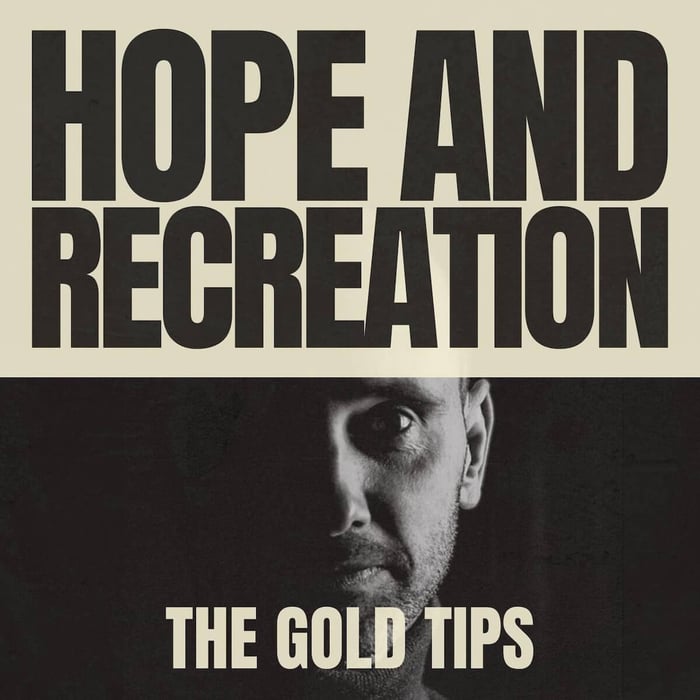
Gold Tips Hope And Recreation: Soul Therapy That Refuses to Whisper


 See more Architeg Prints stories on Google.
Gold Tips Hope And Recreation: Soul Therapy That Refuses to Whisper
Gold Tips Hope And Recreation sounds like a warm hug with a firm grip—classic soul habits, modern nerve, and zero interest in hiding feelings.
Let’s be honest: this album is trying to grab you by the collar
Some records want to “set a mood.” Hope And Recreation wants eye contact. The Gold Tips don’t drift in politely—they step up like a soul band with something to prove, and they’re not subtle about it.
The first thing you notice is conviction—almost to a fault
The Gold Tips come out of Belfast sounding like they’ve made a decision: soul music isn’t background music, it’s the main event. You can hear the lineage right away—Sam Cooke’s plainspoken ache, Van Morrison’s street-spiritual grit, that Stax Records snap, and the Northern Soul impulse to turn heartbreak into motion.
And yeah, that’s a heavy set of ghosts to invite into the room. A reasonable listener could argue it’s too much to hang on a “new voice.” But the band’s whole move here is to lean into the tradition so hard it stops feeling like a costume. It’s not imitation-by-checklist. It’s more like they’ve been living with these records long enough that the language comes out naturally.
Eamonn McNamee is the axis—and the band is built around that
This is a frontman-and-songwriter operation formed around Eamonn McNamee, and Hope And Recreation makes that obvious in the best way: the band sounds organized around a voice that wants to say something straight. Not cryptic. Not poetic-for-the-sake-of-it. Direct.
That directness is the entire bet. The Gold Tips are gambling that sincerity still hits harder than cleverness, and on a lot of modern records that bet collapses into cheese. Here, it mostly doesn’t—because the arrangements keep the feelings from getting too comfortable.
If you’re looking for irony or detachment, you’re basically at the wrong address. This album doesn’t smirk. It doesn’t even really blink.
They don’t “revive” soul—they immerse in it and rebuild it with muscle
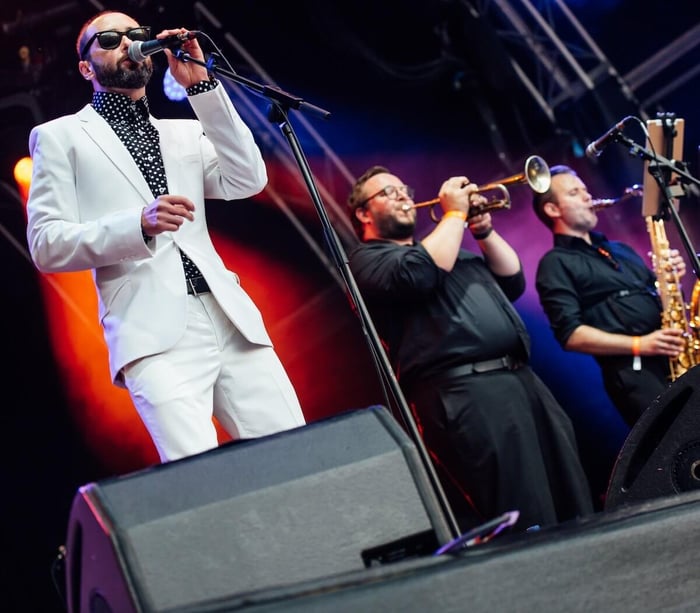
The band’s identity comes from immersion: punchy horns that cut cleanly instead of blaring, lush keyboards that soften the corners, and soaring backup vocals that lift the lead rather than competing with it. Those choices matter, because they signal intent.
Here’s my arguable take: the horns are doing more narrative work than the lyrics sometimes. When the brass pops in, it’s like the music is underlining the emotional truth with a thick marker. It says, No, really—this part matters.
And the keys? They’re the emotional glue. They keep the record from turning into a retro showpiece. There’s warmth in the keyboard tone that reads as present-tense, not museum lighting.
I’ll admit, on my first pass I braced myself for a “vintage soul band” vibe that would be all finish and no nerve. On second listen, what surprised me was how little the band seems interested in sounding cool. They’d rather sound certain. That’s riskier than it looks.
The album’s central claim: soul has nowhere to hide
“We’ve always been drawn to soul music because it says something real… There’s nowhere to hide in it. It’s direct, it’s emotional, and when it’s right, it connects with people immediately.” — Eamonn McNamee
That quote lands because the album behaves like it agrees with him. The vocals sit where you can’t miss them. The band doesn’t bury the point in atmosphere. Even when the arrangements get rich, they don’t get foggy.
If there’s a flaw in that approach, it’s this: when you build everything around honesty, you don’t get to coast on mystery. A few moments made me think, Okay, I get it—you mean it. The record doesn’t always need to restate its sincerity so clearly. But that’s a mild complaint, not a dealbreaker. The bigger story is that the band actually commits.
Hope And Recreation widens the frame: warmth, uplift, and a bit of restlessness
This is their second full-length album, and it’s clearly meant to build on their debut, Parade. You can hear the “bigger reach” instinct in two directions:
- More warmth and uplift when the band wants that communal, open-window feeling
- More restless, searching arrangements when they want motion instead of comfort
And that’s the smart part. If they’d only done the uplifting side, this could’ve turned into pleasant soul wallpaper—technically good, emotionally polite. The restlessness keeps it human.
Here’s an arguable statement I’ll stand by: the “searching” moments are where the band sounds most like themselves, not like their influences. When they get a little unsettled—when the arrangement refuses to resolve too neatly—you stop thinking about reference points and start paying attention to the personality in the performance.
At the same time, I’m not totally sure everyone will love that push-and-pull. Some listeners want soul to be purely comforting—like a well-worn coat. This album keeps tugging the coat back onto your shoulders, then reminding you you’re still out in the weather.
Intensity and authenticity: the band isn’t being modest about the mission
McNamee frames the record as “proper soul music” driven by intensity, authenticity, and heart. And you can hear the band aiming for that old-school standard where every part has to earn its place.
“This album is imbued with the intensity, the authenticity and the heart of proper soul music,” is the kind of statement that could sound like marketing… unless the music actually backs it up. Here, it mostly does, because the performances feel like they’re reaching for connection, not approval.
Still, I kept waiting for one or two spots where the album might risk ugliness—where it might let a moment get a little messier, a little less arranged. Maybe that’s not what The Gold Tips want. Maybe the whole point is control as a form of devotion. I’m honestly torn on that. The polish helps the emotion travel, but it also keeps the record from ever sounding truly dangerous.
That tension—between clean craft and raw impulse—is basically what makes Hope And Recreation interesting. It wants to be immediate, but it also wants to be right.
The “new voice” claim feels earned because they insist on their own terms
The album positions The Gold Tips as a compelling modern soul voice, but the reason it works is that they don’t chase novelty. They carry the genre forward by refusing to treat soul like a trend to repackage.
That’s another arguable take: the most “modern” thing here is the band’s lack of embarrassment about emotion. In an era where a lot of music hides behind vibe and vague lyrics, Hope And Recreation walks in and talks like a person.
Whether you find that refreshing or a little intense probably depends on your tolerance for sincerity. I like sincerity when it’s paired with strong musical decisions, and here the horns, keys, and backup vocals aren’t decoration—they’re structure. They’re how the band makes the feelings feel physical.
Play it like they intended: album-first, not playlist-friendly
If you dip in and out, you’ll catch the sound—big soul, classic shapes. But the point is the emotional arc: building from warmth into that searching energy and back again. It’s not just “songs,” it’s a stance.
And yes, I realize that’s me asking you to listen in a way streaming apps actively discourage. But this band isn’t acting like they care about that. Hope And Recreation is built like a record that expects your attention.
Where to follow The Gold Tips (if you want the whole picture)
If this record hits for you, you can keep up with them here:
- http://thegoldtips.com
- https://facebook.com/thegoldtipsband
- https://www.instagram.com/thegoldtipsband
And yeah, I know—everyone says “follow us.” But this band actually sounds like it means what it’s doing, so I’m less annoyed by the request than usual.

Conclusion
Gold Tips Hope And Recreation isn’t trying to reinvent soul. It’s trying to reclaim its nerve—those big, plain emotions delivered with enough musical weight that you can’t shrug them off. The conviction is the point, the arrangements are the proof, and the Belfast grit gives the sweetness a backbone.
Our verdict: People who actually like classic soul (and don’t need it dunked in irony) will love this album’s directness, horns, and full-bodied warmth. People who prefer their feelings hinted at, mumbled, or buried under “vibes” will bounce off it fast—probably while calling it “too earnest,” as if that’s a character flaw.
FAQ
- What is “Gold Tips Hope And Recreation” exactly?
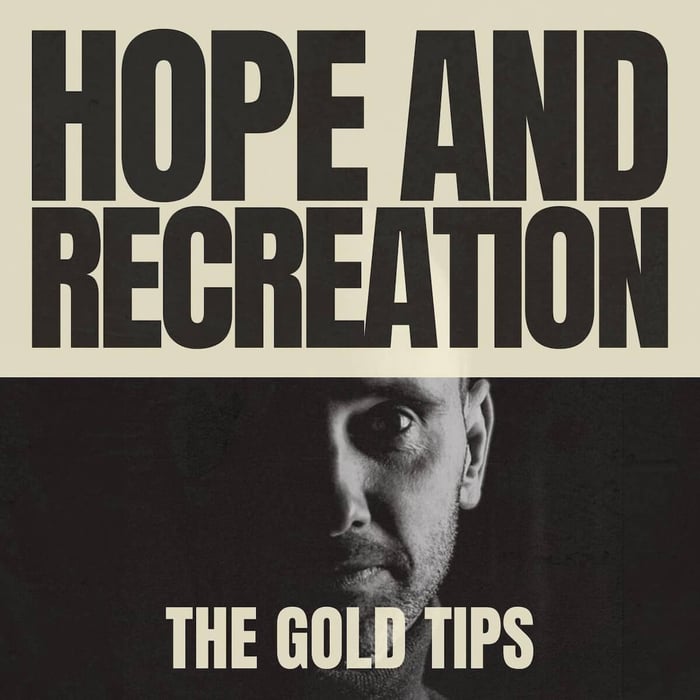
It’s The Gold Tips’ second full-length album, built around direct, classic-minded soul with horns, keys, and big backing vocals. - Where are The Gold Tips from?
Belfast—and you can hear that sense of grounded grit under the polish. - What older styles does the album draw from?
It taps into the lineage of Sam Cooke, Van Morrison, Stax Records-era soul, and Northern Soul’s dance-floor urgency. - Does the album sound like imitation or something personal?
More personal than you’d expect. The influences are obvious, but the band’s choices feel lived-in rather than copy-pasted. - Is this a good entry point if I don’t usually listen to soul?
If you can handle sincerity and strong vocals up front, yes. If you need everything to be detached and “low effort,” this won’t be your thing.
If you want to keep the feeling of the record on your wall, a clean album-cover poster is a strangely perfect way to do it—check options at our store: https://www.architeg-prints.com
 | DISCOUNTGET 30% OFF*Use code on your next order:
|
* This post may contain affiliate links, meaning we earn a commission if you make a purchase through these links, at no additional cost to you.