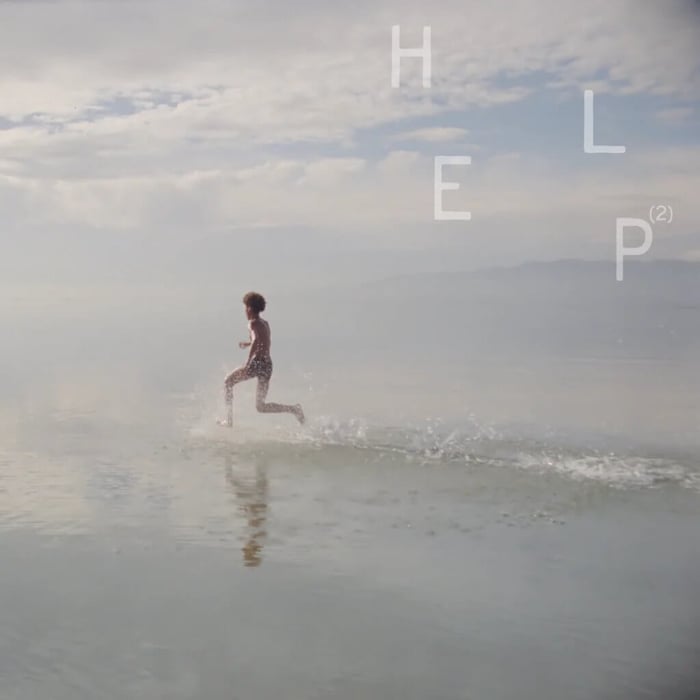
HELP(2) Compilation Review: A Charity Record That Shouldn’t Work (But Does)


 See more Architeg Prints stories on Google.
HELP(2) Compilation Review: A Charity Record That Shouldn’t Work (But Does)
HELP(2) compilation turns “various artists” into an actual mood, not a playlist. Arctic Monkeys, Pulp, Rodrigo—somehow it coheres and stings.
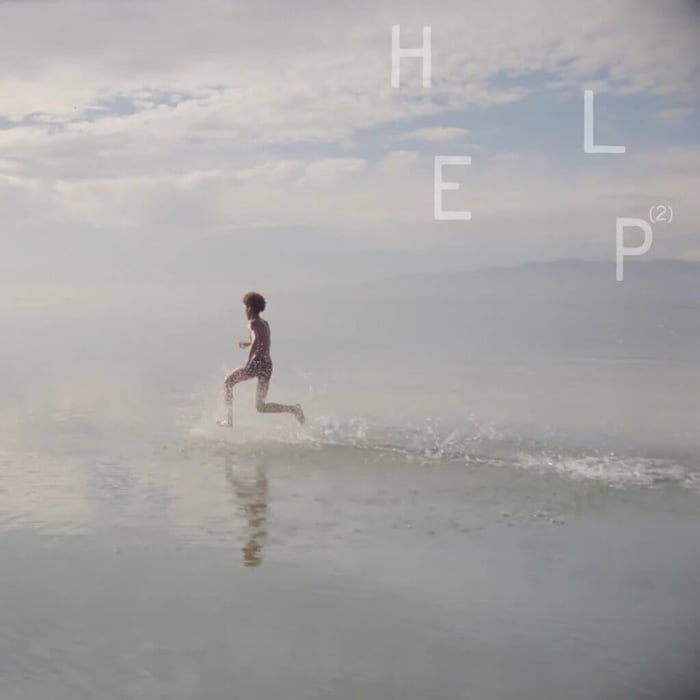
A benefit album that accidentally acts like a real album
Benefit compilations usually feel like polite homework: everyone submits something, nobody talks to each other, and the sequencing plays like a shuffled phone on a train. HELP(2) compilation pulls off the harder trick—it sounds like people showed up with intent.
This is the sequel to War Child UK’s original HELP compilation from decades ago, and the concept is still brutally simple: use music to fund aid, education, mental health support, and protection for children in conflict zones. That mission alone is enough reason for this record to exist. But what hit me while listening wasn’t just the cause—it was the weird seriousness in the performances, like the artists quietly agreed not to hide behind “it’s for charity” as an excuse for throwaways.
James Ford’s presence as producer/organizer glue is all over the pacing and the finish. The roster is a flex—Arctic Monkeys returning, Pulp barging in, Blur-adjacent threads everywhere, and a wave of younger acts who’ve clearly aged out of their post-punk baby teeth. And then there’s Olivia Rodrigo sitting in the closing slot like a pop star who wandered into the wrong room and decided to behave.
I’ll admit it: my first thought was “this is going to be an expensive grab bag.” On second listen, the sequencing and emotional continuity started to feel… deliberate. Not perfect, but deliberate.
The trick: it’s sequenced like a pressure system, not a sampler
Here’s what I think the album is actually doing: it’s building a weather front. The early tracks arrive with narrative and atmosphere, the middle gets hazy and strange, and the late stretch turns urgent—then it ends with a pop singer refusing to grandstand. That arc is the reason this doesn’t collapse under its own celebrity weight.
A reasonable person could argue I’m projecting meaning onto good curation. Maybe. I’m not fully sure where Ford’s hand ends and coincidence begins. But the transitions are too clean to call it random.
1. Arctic Monkeys — ‘Opening Night’
The band’s first song in four years lands like a headline before it even plays, which is unfair to the track—and also kind of the point. Alex Turner drops a line about “alternate realities” that feels like it’s trying to summarize the whole Arctic Monkeys shapeshift saga in one breath. The song sits in a dark, dressed-up atmosphere, like a stage curtain that never fully opens.
Arguable take: this is less “big comeback single” than it is Turner choosing mood over hooks on purpose, just to remind you he can.
2. Damon Albarn, Kae Tempest, & Grian Chatten — ‘Flags’
This one trades memories like passed notes, and the arrangement keeps cracking open in little reveals—guitar lines, rhythmic nudges, a sense of room filling up with people. Tempest’s voice carries a childlike directness that makes Albarn’s wistfulness feel more human than “veteran melancholy.”
Arguable take: Albarn sounds best here when he stops trying to be profound and just lets the chorus ache like a plain confession.
3. Black Country, New Road — ‘Strangers’
BCNR lean into the sweeter, almost storybook side they’ve been flirting with lately, but they don’t leave it weightless. The outro swells into something cathartic, especially as the narrator edges toward Hollywood success and talks about leaving a “procession” behind. It’s the sound of a band making “twee” feel like a weapon instead of a costume.
Arguable take: their softest impulses hit harder than their old dramatic maximalism—because now they actually aim the emotion.
4. The Last Dinner Party — ‘Let’s do it again!’
Placing this next to BCNR makes a blunt kind of sense: if you love one group’s current theater-kid grandeur, you probably tolerate the other’s too. This track glams it up and begs for reconnection with language that’s sharp enough to leave marks—images of bodies, dead flowers, messy pleading.
Arguable take: the desperation works because it’s over-written; the excess is the emotion, not decoration.
5. Beth Gibbons — ‘Sunday Morning’
Covering a classic like ‘Sunday Morning’ can turn into a postcard version fast. Gibbons refuses that. She slows the song into a patient haunt, foregrounding all the eerie corners people usually ignore. It sounds like she’s been carrying the melody around for years, humming it under her breath until it became personal.
Arguable take: this cover isn’t “better,” but it’s more revealing—like someone turned the lights down so you finally notice what’s in the room.
6. Arooj Aftab & Beck — ‘Lilac Wine’
This is the album’s most enchanting collaboration, and the reason is simple: it lets Aftab stand in the center while Beck behaves like a guest, not a co-star. Their take on ‘Lilac Wine’ doesn’t chase drama; it hypnotizes. The track spacing on this compilation is smart, and dropping this here feels like the record offering a glass of something strong right when you start to expect predictability.
Arguable take: Beck’s best move is knowing when not to “Beck” all over a song.
7. King Krule — ‘The 343 Loop’
This is the first moment that feels like a true outtake—an instrumental drift, vibey and detached, like it wandered in from another session and nobody had the heart to kick it out. It’s also the album’s biggest oddity, which I mean as a compliment… mostly.
Mild criticism, since the record earns one: the track slightly breaks the spell if you’re locked into the vocal storytelling streak. It’s cool, but it’s cooler than it is necessary.
Arguable take: the compilation needs this kind of left-turn to keep the “benefit album” sheen from setting in.
8. Depeche Mode — ‘Universal Soldier’
Depeche Mode covering ‘Universal Soldier’ is the kind of choice that feels obvious only after you hear it. The lyric lands like cold truth—orders coming from “you and me”—and the band’s delivery makes it feel less like historical commentary and more like a current accusation.
Arguable take: this might be the most directly politically chilling moment on the whole tracklist because it doesn’t blink.
9. Ezra Collective & Greentea Peng — ‘Helicopters’
Dubby, smoky, hypnotic—this one rises slowly, then sneaks a hook out of the fog. It’s not an obvious single if you’re thinking in radio terms, which makes me think it was chosen because it says the quiet part loud: this is protest music that still wants to move your body.
Arguable take: the chorus is the catchiest kind—the kind you don’t notice you’ve memorized until you’re already humming it.
10. Arlo Parks — ‘Nothing I Could Hide’
Arlo Parks’ intimacy can feel familiar in her own albums; here it’s almost startling. Dropped into a compilation with big personalities and big gestures, her plain honesty becomes a spotlight. The line about picturing daughters and hiding nothing lands with thematic alignment that doesn’t feel forced—more like a reminder that children’s openness exposes adult denial.
Arguable take: Parks doesn’t “match” the compilation; she interrupts it—and the interruption is the point.
11. English Teacher & Graham Coxon — ‘Parasite’
The dreamy tone continues, but Lily Fontaine’s vocal attack adds momentum. Coxon pops up across this project in supporting roles, and here he helps keep the track airborne while the lyric ties back to earlier emotional stitching—tears, prayers, holding tight.
Arguable take: this song proves the compilation isn’t just a lineup; it’s building callbacks like a real album would.
12. beabadoobee — ‘Say Yes’
This Elliott Smith cover works because it feels reverent without turning precious. She doesn’t over-style it. She just plays it like she loves it, which is the only ethical way to cover a song this exposed.
Arguable take: a “lovely” cover is harder than a flashy reinvention, and this chooses the harder route.
13. Big Thief — ‘Relive, Redie’
Big Thief showing up on charity releases is basically part of their ecosystem at this point, and this track reportedly dates back to 2020. You can hear that it’s been lived with: the bridge lands with conclusive simplicity—“All I need is so simple”—that could fit right alongside their most recent material. The production (James Krivchenia with Dom Monks) gives the warmth extra depth, like the song is lit from inside.
Arguable take: Big Thief’s vault songs often hit because they don’t sound “archived”—they sound like someone finally let them breathe.
14. Fontaines D.C. — ‘Black Boys on Mopeds’
There’s history here: the original HELP compilation included a Sinéad O’Connor cover, and here Fontaines D.C. carry that thread with a stormy, doleful take on her song. It starts understated—letting the words sting—then brings in strings that mirror the chaos the lyric describes. It doesn’t feel like homage cosplay; it feels like inheriting a responsibility.
Arguable take: the restraint at the beginning is the bravest part; the later swell only works because they didn’t rush it.
15. Cameron Winter — ‘Warning’
This is an event if you’re the kind of indie listener who keeps receipts on bands (unfortunately, I am). It swings the scene from England to Fifth Avenue with a foreboding track that’s drumless but not percussionless—around 2:22, something genuinely kooky starts happening in the texture. The peak is that line about having people who can come over “within an hour” and do “the work that must be done on your heart.” It’s intimate and faintly threatening, like care delivered with a scalpel.
Arguable take: this isn’t just a “first song since the Geese explosion” moment—it sounds like a test run for how Winter might handle bigger production without losing his strange nerve.
16. Young Fathers — ‘Don’t Fight the Young’
This ramps the pace with a righteous freakout. It shares a frantic energy with ‘Warning’ but makes its message clearer, less abstract. The sequencing here feels intentional: after Winter’s inward foreboding, Young Fathers shove you back into the street.
Arguable take: clarity is the aggressiveness—this song hits because it refuses to be mysterious.
17. Pulp — ‘Begging for Change’
Pulp weren’t on the original HELP, but their relationship to the cause is real—they once donated the roughly $32,000 they got for winning a major prize to War Child. Here they don’t do nostalgia; they barge in with urgency, louder than anything on their latest album More. And the chorus turns communal—Albarn, Chatten, Kae Tempest, and Carl Barât joining in like a messy choir.
Arguable take: Pulp sound more alive when they’re slightly crowded; the extra voices push Jarvis’ urgency into riot mode.
18. Sampha — ‘Naboo’
I kept expecting this to appear earlier in the hazier middle stretch. Dropping it here works as a breather, but it also risks slowing momentum if you’re craving the late-album punch. Still, the chorus sticks—questions about mansions, kingdoms, and what “home” even means.
Arguable take: this track is placed like a conscience break—less about flow, more about forcing you to sit still for a second.
19. Wet Leg — ‘Obvious’
This is an older near-miss from their debut era, and it’s sweet in a way people forget Wet Leg can be. I like that it doesn’t strain for sarcasm. It also makes a quiet argument for James Ford as a future producer fit: he doesn’t sand off their charm, he frames it.
Arguable take: Wet Leg’s softness has always been their secret weapon; the snark just distracts people from noticing.
20. Foals — ‘When the War Is Finally Done’
Foals haven’t released new music in a while, and weirdly, that absence makes this land harder—like a band reappearing to say something specific. It’s an ethereal, dramatic ballad with subtle texture, and it feels placed to set up the next track’s emotional gut punch.
Arguable take: Foals work best when they stop sprinting and let their drama hover.
21. Bat for Lashes — ‘Carried my girl’
Natasha Khan has been writing more and more directly about motherhood, and this track twists that focus into an elegy that can’t ignore the outside world. The refrain “They’re all our babies” is the kind of line that could’ve been corny in weaker hands. In her voice, it becomes a held note you don’t want to exhale during.
Arguable take: this is the compilation’s emotional center because it refuses the comfort of private grief—it makes it communal.
22. Anna Calvi, Ellie Rowsell, Nilüfer Yanya, & Dove Ellis — ‘Sunday Light’
This feels like an echo of ‘Sunday Morning’—not musically identical, but spiritually adjacent, like morning light after a sleepless night. The blend is almost too blended at first; their voices blur until halfway, when Rowsell’s timbre cuts through and commands the air. That moment is the track’s real “hook,” not a chorus.
Moment of uncertainty: I’m still not sure the early blend is meant to sound that merged, or if it’s just a mix choice that got a little too polite.
Arguable take: the song only fully arrives when one voice dares to step forward—collectives still need a focal point.
23. Olivia Rodrigo — ‘Book of Love’
Olivia Rodrigo being the only pop star here is a fact you feel before you hear her. It means she’s also, hilariously, now part of the Bandcamp universe by association. But she doesn’t show up to cheapen the vibe or “add streams.” She closes the album with a simple, stunning cover of The Magnetic Fields’ ‘Book of Love’ that refuses to oversell the sentiment. The lyric even says the quiet truth out loud: some music is transcendental, some is really dumb. This cover understands the difference without acting superior.
And here’s my revised impression: I assumed her presence would tilt the compilation toward tasteful committee decisions. Instead, she’s the one who trusts quiet the most.
Arguable take: Rodrigo works here because she doesn’t perform humility—she just sings like the song is enough.
Conclusion: the rare compilation that feels like people meant it
HELP(2) compilation doesn’t just raise money by assembling famous names. It makes a case—track by track—that artists can share space without flattening each other, and that “benefit record” doesn’t have to mean disposable. The sequencing has a pulse, the performances mostly sound like choices (not obligations), and the emotional through-line keeps circling back to the point: children live inside the consequences adults pretend are abstract.
Our verdict: People who like their indie messy, their legends slightly hungry, and their pop stars capable of understatement will actually like this album. If you only want one consistent vibe—or you treat “various artists” like a warning label—you’ll get irritated fast (and honestly, that might be your loss).
FAQ
- What is the HELP(2) compilation trying to do musically?
It’s not just stacking tracks; it’s sequenced to feel like an emotional arc—haze, urgency, then a quiet landing. - Is Arctic Monkeys’ ‘Opening Night’ the main attraction?
It’s the headline, sure, but the compilation doesn’t revolve around it. The deeper impact comes from the sequencing around it. - Which track feels most “like a compilation cut”?
King Krule’s ‘The 343 Loop’—it’s the most outtake-like left turn, which can either refresh you or pull you out of the flow. - Does Olivia Rodrigo fit on this record?
Yes, because she doesn’t try to dominate it. Her restraint is exactly why the closer works. - Are the collaborations worth it, or just novelty?
Arooj Aftab & Beck on ‘Lilac Wine’ proves the collabs can be genuinely arranged for balance, not just name-stacking.
If this record left you thinking about how album art carries emotional weight, you can always shop a favorite album cover poster at our store—tasteful on the wall, noisy in the headphones: https://www.architeg-prints.com/
 | DISCOUNTGET 30% OFF*Use code on your next order:
|
* This post may contain affiliate links, meaning we earn a commission if you make a purchase through these links, at no additional cost to you.