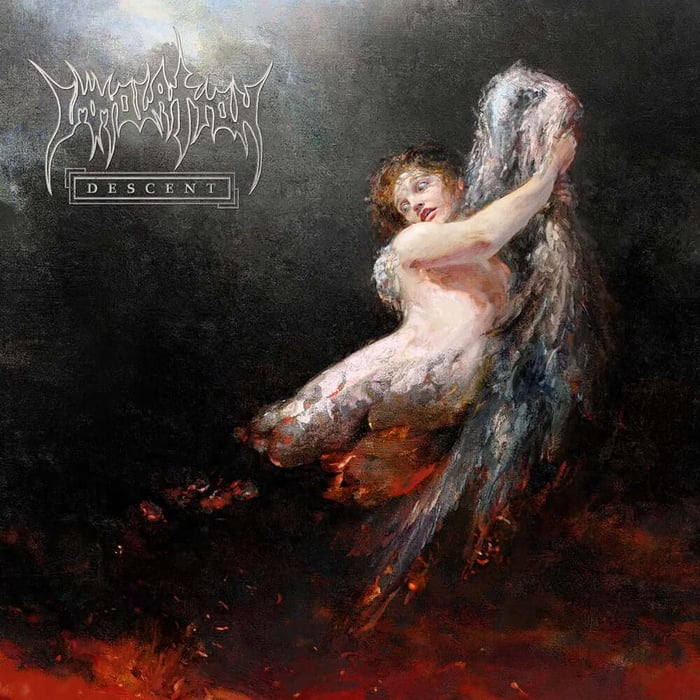
Immolation Descent Review: 42 Minutes of Brutality With No Time for Feelings


 See more Architeg Prints stories on Google.
Immolation Descent Review: 42 Minutes of Brutality With No Time for Feelings
Immolation's latest album, Descent, delivers a punishing and disciplined death metal experience that refuses to soften its edges or compromise on intensity.
Let’s not pretend this album wants to be your friend
Some records invite you in. Immolation Descent grabs you by the collar, drags you into a low-lit room, and starts explaining—loudly—why mercy is a myth.
And yeah, three things still feel inevitable: death, taxes, and Immolation refusing to embarrass themselves.
The opener is a door kick, not a welcome mat
If you’ve spent any time with Immolation, you already know the deal: their whole shtick is controlled collapse—riffs that feel like they’re folding in on themselves, drums that don’t “support” so much as enforce, and vocals that sound less like lyrics and more like a verdict.
“These Vengeful Winds” starts the album like it’s impatient with you for pressing play too late. The guitars hit in jagged slabs, the drumming goes straight to rapid-fire punishment, and Ross Dolan comes in with that voice that always sounds like it was recorded inside a furnace. It’s not flashy. It’s not cute. It’s a colossal opener that basically announces: this is going to hurt, and we’re going to be precise about it.
I thought at first it might be one of those openers that blows its load early—big entrance, diminishing returns. On second listen, I realized it’s not even trying to peak. It’s laying down the rules.
This record’s “comfort zone” is still a chokehold
Here’s the thing about Immolation Descent: it’s familiar without being lazy. The band sticks to their own language—angular riffs, suffocating pacing, hostile atmosphere—and they do it like they’re protecting a blueprint they know works.
And that’s the real flex: where a lot of death metal mutates just to prove it’s evolving, Immolation keeps refining the same nasty machinery. You don’t get trend-chasing here. You get craft.
That said, I’m not totally sure this album will convert the uninitiated. It doesn’t soften the edges to let new people in. It just doubles down until you either submit or walk out.
“The Ephemeral Curse” enjoys messing with your balance
“The Ephemeral Curse” is where the album starts twisting the knife more creatively. The riffs don’t just hit—they swerve, like the song is deliberately trying to throw your neck out of alignment. It moves with this sadistic glee, constantly shifting shape without ever losing its grip.
A reasonable listener could argue this kind of constant turning gets exhausting. I get that. But I think that exhaustion is the point: Immolation isn’t trying to entertain you—they’re trying to overwhelm you until your sense of “normal songwriting” stops working.
“God’s Last Breath” slows down just to make it worse
Then there’s “God’s Last Breath,” which doesn’t need top speed to feel dangerous. It builds a prolonged dread—measured, chilly, and mean in a quiet way. The pacing feels deliberate, like the band is letting the air get thick before the next swing lands.
This is one of those tracks where the atmosphere is the weapon. And honestly, it’s nastier because it’s patient. Fast songs bruise you. Songs like this one convince you the room is locked.
The singles aren’t “accessible”—they’re just clean executions
The back-to-back punch of “Adversary” and “Attrition” feels like Immolation showing off without calling it that.
“Adversary” is riff cruelty, performed professionally
Robert Vigna drops some of the fiercest riffing on the record here—those sharp, serrated patterns that feel like they’re cutting across the beat instead of riding it. And Steve Shalaty’s drumming is the secret weapon: it’s not just tight, it’s authoritative, like every hit is a stamp of approval on the violence.
If someone told me this is some of the best work on the album, I wouldn’t argue much.
“Attrition” is mid-tempo, which somehow hits like a falling wall
“Attrition” pulls into a mid-tempo rager—classic Immolation method front and center. The weight of it is the point. It’s not trying to outrun anything. It’s trying to flatten you.
Mild complaint, though: the band is so good at this locked-in stomp that part of me kept waiting for a moment that surprises in a different direction. It doesn’t really arrive. What you get instead is Immolation perfecting the art of refusing novelty.
Immolation’s real trick: consistency without sounding “safe”
Here’s my hot take: Immolation doesn’t “refuse trends” out of purity. They refuse trends because they’ve built a system that already does what most trends promise—heaviness, tension, dread, impact—without needing new costumes.
That consistency is also about the lineup feeling solid and lived-in. Descent sounds calculated and measured, but never sterile. It’s like watching a veteran demolition crew: no wasted movement, no panic, just the building coming down exactly when they want it to.
And importantly, the album doesn’t ease up late. A lot of extreme records start strong and coast. This one keeps its hand around your throat.
The late-album stretch still swings like it’s proving something
“Bend Towards The Dark” comes ripping in with enough velocity to make the whole record feel newly impatient again. It’s one of those tracks where the speed doesn’t feel like “here’s the fast one,” it feels like the band getting annoyed that you’re still conscious.
Then “False Ascent” lands like a soundtrack for the current era’s uglier moods—volatile, grim, and very aware that things are not fine. It’s not preaching, exactly, but it’s also not subtle about the emotional temperature. The song feels like it’s staring directly at modern chaos and choosing to underline it with fire.
Someone could say that’s projecting. Maybe it is. But the track hits with that kind of dark immediacy that makes it hard not to connect it to the world outside your headphones.
“Banished” is the one detour—and it knows exactly why it exists
“Banished” is the most left-field moment here, mainly because it functions like a pause button. It’s an instrumental track that cranks the atmosphere up and gives you a short, effective respite before the closing stretch.
Is it wildly experimental? No. And it doesn’t drift too far from Immolation’s general vibe anyway. But it works because it’s placed smartly—right where your ears need a second to unclench.
If I’m being picky, I could’ve used a touch more risk here. Since it’s already the oddball track, this felt like the spot where they could’ve gotten stranger. They choose restraint instead. Immolation loves restraint. Sometimes almost too much.
The title track feels like the final verdict, not a finale
The closing title track “Descent” doesn’t feel like a victory lap. It feels like the album tightening the knot for one last aural battering—no sentimental “wrap-up,” no cinematic release. Just a final push downward.
And that’s the album’s whole message, really: this isn’t a journey with a view at the end. It’s a controlled fall.
A quick word on runtime: this thing knows when to stop
At around 42 minutes, Immolation Descent is lean in a way a lot of extreme metal albums aren’t brave enough to be. No extra padding. No “we had one more track lying around.” It’s a killing machine of a record—precise, punishing, and focused.
I went in expecting another strong Immolation entry. I came out thinking this one is more brutal than I anticipated—not because it’s faster or louder, but because it’s so unapologetically disciplined about its cruelty.
I land around 9/10 on effectiveness: it does exactly what it’s trying to do, and it barely wastes a second doing it.
Release note (because yes, you’ll ask)
Descent is out now via Nuclear Blast Records. Immolation also keeps an official presence on Facebook if you’re the type who likes your death metal with social updates.
Conclusion
Immolation Descent doesn’t chase relevance—it acts like relevance is beneath it. It’s a record built on intentional pressure: riffs that snag, drums that punish with precision, and pacing that refuses to let you feel comfortable for long. Even when it offers a breath (“Banished”), it’s only so the next hit lands cleaner.
Our verdict: You’ll actually like this album if you enjoy death metal that sounds engineered for maximum strain—tight, ugly, and proudly unwelcoming. You won’t like it if you need hooks, big emotional payoffs, or even the illusion that the band cares whether you’re having fun. Immolation isn’t hosting a party here; they’re running a very efficient collapse.
FAQ
- Is Immolation Descent beginner-friendly death metal?
Not really. It’s coherent, but it doesn’t “introduce” itself—this album assumes you can handle pressure and keeps turning the screw. - Which track hits hardest right away?
“These Vengeful Winds” comes out swinging immediately, like the band’s trying to end the conversation before it starts. - Are the singles worth hearing in the album context?
Yes. “Adversary” and “Attrition” feel even more punishing when they’re part of the album’s larger chokehold. - Does the album change things up, or stick to Immolation’s formula?
It mostly sticks to their established approach—intentionally. “Banished” is the main detour, and even that is a controlled one. - How long is the album, and does it drag?
About 42 minutes, and it doesn’t drag. If anything, it’s blunt enough to stop before you get numb.
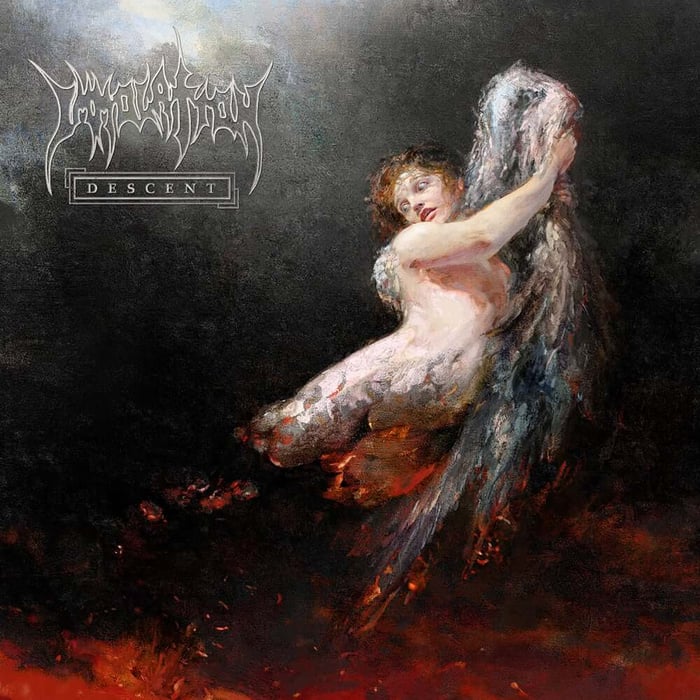
If you want to keep this vibe on your wall instead of just in your ears, you can shop a favorite album cover poster at our store—tastefully loud, like the music: https://www.architeg-prints.com
 | DISCOUNTGET 30% OFF*Use code on your next order:
|
* This post may contain affiliate links, meaning we earn a commission if you make a purchase through these links, at no additional cost to you.