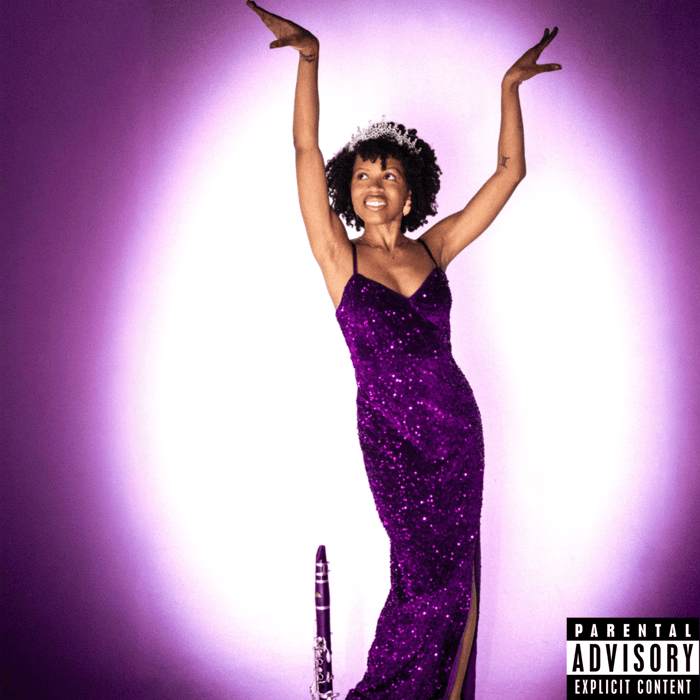
Mama Renaissance Review: Jesirae Name-Drops Harlem—and Means It


 See more Architeg Prints stories on Google.
Mama Renaissance Review: Jesirae Name-Drops Harlem—and Means It
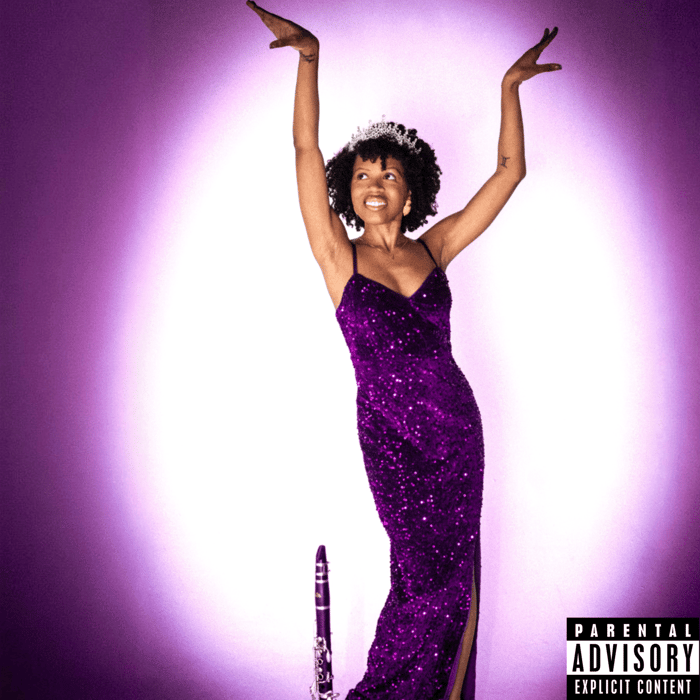
Jesirae’s Mama Renaissance doesn’t “reference” history—it gambles her whole debut on it, then dares you to call it cosplay.
Start Here: This Album Doesn’t Want Your Permission
Jesirae isn’t politely tipping a hat to the Harlem Renaissance. She’s yanking up a chair, reading the name cards out loud, and acting like she belongs there—which is either embarrassing or electric, depending on whether the bars can carry that weight. Mostly, they do.
The Name-Checking Could’ve Been Cringe… Until It Isn’t
The first big move is obvious: Duke Ellington, Billie Holiday, Augusta Savage, Cab Calloway, Florence Mills, William Grant Still—stacked like a roll call. Josephine Baker shows up in the same song as other legends. Diana Ross pops up somewhere else. Langston Hughes gets invoked twice, including the line: “But my dream won’t be deferred ‘cause I’m living here.”
On paper, this is where most rappers accidentally turn into a high-school history pageant with a beat. The difference is Jesirae keeps escalating the nerve every time she does it. She doesn’t sprinkle references like garnish; she forces them into the architecture of the record. And because she’s writing like someone who actually trusts language to hold tension, the references stop feeling like homework and start feeling like stakes.
She’s a Minneapolis writer moving between Minnesota and New York, and the independent feel matters: this doesn’t sound like a major-label brainstorming session titled “What if we made it Educational but Cool?” It sounds like one person deciding the only way out is straight through the wall.
I’ll admit, my first impression was that the whole “Renaissance” framing might be a costume. By the end, I wasn’t thinking about costumes at all—I was thinking about lineage, and how bold it is to claim one without apologizing.
The Real Center Isn’t Harlem, It’s “Mama”
Here’s what’s actually happening: the album is addressed to her mother. “Mama” isn’t a cute theme; it’s the constant address point the songs orbit around. The title isn’t metaphorical fluff—it’s a direct line to a person.
That maternal call keeps surfacing in blunt, repeating ways:
- “Missing my mama”
- “Back home to her and give her a hug”
- “Mama we say fuck them cages”
And that repetition isn’t lazy. It’s the point. The album keeps returning to “Mama” the way your mind returns to the same thought when you’re trying to act fine in public.
“Cross Country” Turns the Great Migration Into a Loop You Can’t Exit
The family route here runs Mississippi-to-Minneapolis. Her parents came north during the Great Migration, and her grandmother’s idea of a different life gets carried like emergency supplies—what a bar on “Cross Country” calls a “hurricane pack.” That phrase sticks because it isn’t poetic-window-dressing; it sounds like something someone would actually pack when life is unstable and you can’t afford to pretend otherwise.
“Cross Country” plays like a two-verse timeline that refuses to give you a redemption arc just to make you comfortable.
Verse one rides the move north and the first texture of arrival: the church meal after (cotton, grease, neck bones), the small wins that pile up into homes, and the redlines that didn’t fully succeed at pinning them down. Then verse two swings back with the part everybody tries to skip—the part where stability gets revoked.
“They took our home, wiped us out, foreclosed in shame
Say life’s a game, what the hell I’m gonna win?”
Then the chorus doesn’t comfort you. It needles you:
“Run, run, run
What are you running from?”
No resolution arrives—and that’s not a flaw, it’s the ethics of the song. Jesirae doesn’t manufacture a neat ending. She tracks what was won, what was taken, and she ends with the rapper packing again. If you wanted a triumph story, this track basically shrugs and says, “Good luck with that.”
An arguable take: the hook is almost too effective—it turns the whole song into a treadmill. But maybe that’s exactly what she’s describing.
“All of Me” Is Where She Proves She Can Rap Without Training Wheels
In the opening verse of “All of Me,” Jesirae describes her parents as “lil Suge Knight, lil Huxtable.” That couplet is doing a lot in not many syllables, asking you to hold two culturally loaded figures side-by-side and watch what “purple” looks like when you mix them. She’d rather show you a color than label the binary.
And the production choice matters here: Marcel Nigma gives her something dry and porous. There’s barely any vocal gloss. The mix doesn’t distract you from the consonants. It’s basically daring her to stand there with no makeup on and still look like a problem.
Then the chorus comes in with that tight internal-rhyme density—four bars that don’t sag or drift:
I will be everything I wanna be, not what you need
I am anything I choose to be, not how you feed
You will not suck me dry, can’t watch you let me bleed
Licking your lips won’t taste this fruit, I will not give you all of me.
That’s not just “self-empowerment.” It’s defensive, specific, and a little disgusted—like she’s tired of being treated as a resource.
Near verse three she reps “the six one two” (Minneapolis area code) and flips it into a vampire-deflection joke, telling a hater “you think they’re four, but they one more,” counting the garlic bulbs around her neck wrong on purpose. It’s the kind of detail that makes a short song feel bigger than its runtime. The whole track is shorter than it feels, which is usually the sign of writing that’s packed tight enough to bend time.
This Sound Isn’t Trendy—It’s Chosen (And That’s the Point)
A lot of the biggest hip-hop releases in 2026 are still stuck sounding like Atlanta rap circa 2023. Jesirae doesn’t chase that lane. Mama Renaissance leans into sample-era boom-bap and jazz-leaning neo-soul—an aesthetic decision you don’t make by accident on a debut. You make it when you’d rather be legible to your own taste than to an algorithm.
Different producers sharpen different edges:
- honeybearbeats handles the percussive bounce of “Scat,” keeping it nimble instead of heavy-handed. Arguable take: the bounce is the point, not the punch—if you came for aggression, you might think it’s “too light,” but the lightness is what lets the words move.
- prod by esco builds “Real Love” around an ‘80s pastiche—windbreakers, jheri curls, boomboxes outside, and the “coochie you had to earn.” It’s funny, sure, but it’s also a setup. Jesirae uses that period frame to puncture modern dating entitlement with one clean line: “Now these niggas feel entitled, Usher Let It Burn.” That bar isn’t just a joke—it’s her saying romance has been replaced by grievance and expectation, and she’s not impressed.
- Kirti Pandey leaves “Shed” almost piano-only, which is either brave or reckless because there’s nowhere to hide. Over those chord changes, Jesirae drops the mask completely and starts listing setbacks like receipts:
- “Although I took a L on Netflix, didn’t stop my purpose”
- “Still live in low-income housing, I’m really needing some commas”
- “I’m missing Obama, I’m really missing my mama”
I’m not totally sure everyone will sit through it, though. Part of me kept waiting for the song to “turn” into something else—some beat switch, some catharsis—and it doesn’t. That’s either honesty or stubbornness, and I can see a listener arguing either way.
The Title Track Writes Her Name Into the Row (No Apologies)
On the closing title track, Jesirae does something that could’ve been corny in weaker hands: she introduces herself in third person.
“I know a little lady call her Jessaray, making all her music, what can she create.”
Then she adds: “She took a pretty penny, now it’s gold she make.” After that: “good night,” twice. Album over.
And earlier, she says Beyoncé’s name directly: “You could do it too and it’s on Beyoncé.”
That’s a dangerous line. In another artist’s mouth, it would sound like cosplay or clout-chasing. Here it plays more like a writer pushing all her chips forward. It’s not a flex about proximity or money. It’s doing the same thing the Langston Hughes nod did on “New Identity,” the same thing dropping Augusta Savage mid-“The Movement” did: she’s placing herself in a row of names and trusting the bars to survive the comparison.
Arguable take: it’s almost irresponsible to invoke that pantheon on a debut—but the irresponsibility is the fuel. The album runs on nerve.
One Hook Reaches for Glitter… and Briefly Slips
There’s one song that reaches for glitter and patty-cake on the chorus—double-dutching over the tape on her thirtieth birthday. The idea is real (an adult woman insisting she still gets to be silly), and I buy the intention.
But the hook writing doesn’t have the bar-level density of “All of Me” or “Self.” It’s the one moment where the album’s pen takes a breath and doesn’t come back with something equally sharp. Not a disaster. Just a soft spot where you can feel the ambition outpacing the phrasing.
Then verse two comes in and saves the whole thing by re-rooting it in bloodline:
“Granny born with a veil, psychic gift in her well, so I know greatness will prevail.”
On a record this dense, one soft spot isn’t a wound. If anything, it proves she isn’t trying to make every second sound like a thesis defense.
“Self” Is the Flex, Not the Chorus
If you want the purest evidence that Jesirae can out-rap a lot of the room right now, it’s the second verse of “Self.” Stack that thirty seconds against most of what you’ve heard this year and tell me it doesn’t hold.
She moves from:
- “Land of ten thousand lakes, it birthed and raised me”
- to: “Now New York on my plate”
- to: “These labels knockin’ on my door, but I know what I need”
- to: “M-O-K-I, Ebeneezer”
- and then back into grandma’s kitchen and the hot comb—
—and she never pauses to build a bridge. She doesn’t even pretend to “transition.” The internal rhyme and rhythmic slipperiness are the transitions. That’s the trick: the lines do so much work that the song doesn’t need the hook to carry it.
She sings, “Belong in the front, not the rear,” and then “Peek!” distills the same energy into one petty, perfect summary: “Compare yourself to me, you gon’ be real sad.” That’s not inspirational. That’s competitive. And it’s refreshing to hear someone say it like they mean it, not like they’re selling a brand of confidence.
Where to Start (Because Yes, You Should Start Somewhere)
I’m not going to pretend every track hits the same way for every listener, but these are the songs where the album’s intent becomes unavoidable:
Favorite tracks:
- “All of Me”
- “Cross Country”
- “Self”
If those don’t land for you, the rest probably won’t “grow on you.” This album isn’t asking to be tolerated.
Conclusion: Jesirae Isn’t Reenacting a Renaissance—She’s Claiming One
Mama Renaissance uses history the way some people use family stories: not to sound smart, but to prove you didn’t appear out of nowhere. Jesirae keeps naming names, not because she wants you to clap for the reference, but because she’s building a spine strong enough to hold her own name in the same sentence. The mother-address, the Great Migration route, the foreclosure shame, the dry boom-bap choices, the piano-bare confessionals—it’s all one argument: “I’m here, I’m made of something, and I’m not moving.”
Our verdict: People who like rap that treats writing like oxygen—not decoration—will eat this up, especially if boom-bap and jazz-leaning neo-soul still sound like “home” to you. If you need huge drops, shiny vocal stacks, or a hook that spoon-feeds the meaning, you’re going to get impatient and start checking your phone like it owes you money.
FAQ
- Is Mama Renaissance more lyrical than melodic?
Yes, on purpose. The beats give space; the writing takes it. - Does the Harlem Renaissance name-dropping feel forced?
It could’ve been, but the album keeps upping the stakes until the references feel like a dare, not a trivia flex. - What’s the emotional core of the record?
The relationship to her mother—missing her, talking to her, arguing for survival in her direction. - Is there a track that’s less sharp than the rest?
One chorus leans a little too “playground” for how dense the rest of the record is, even though a later verse rescues the idea. - Where should I start if I’m new to Jesirae?
“All of Me,” “Cross Country,” and “Self” make the album’s whole mission obvious fast.
If this album put you in a headspace where imagery actually matters again, consider grabbing a favorite album cover poster for your wall—taste is allowed to be visible. Here’s our shop: https://www.architeg-prints.com
 | DISCOUNTGET 30% OFF*Use code on your next order:
|
* This post may contain affiliate links, meaning we earn a commission if you make a purchase through these links, at no additional cost to you.