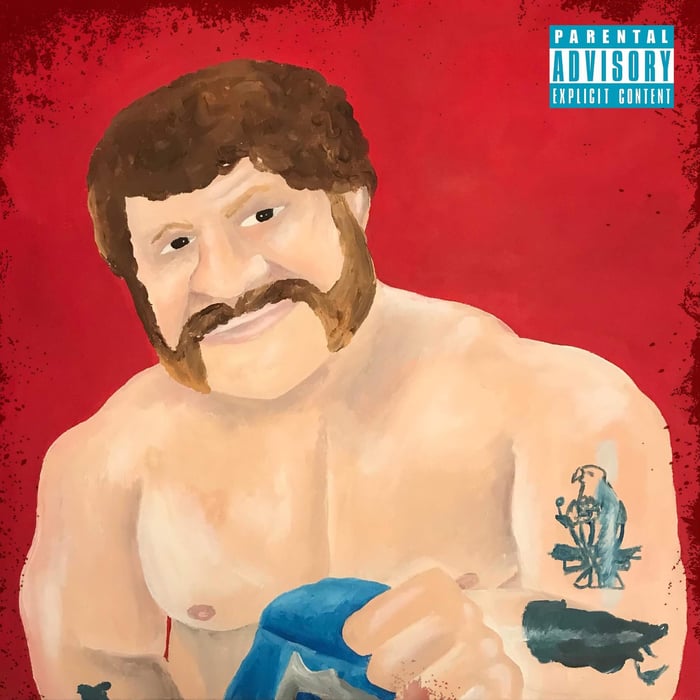
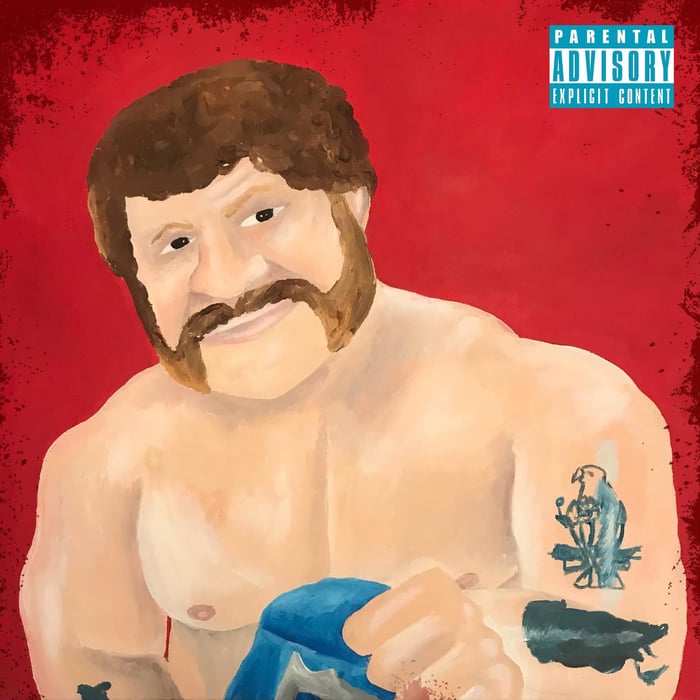
Harley Race Album Review: Aklo’s Wrong-Way Flex That Actually Means It


 See more Architeg Prints stories on Google.
Harley Race Album Review: Aklo’s Wrong-Way Flex That Actually Means It
Harley Race is the album’s ghost engine—Aklo raps like he’s outrunning consequences, not chasing clout, and it mostly works.
This record starts by telling you to get in the car
There’s a specific kind of rap album that wants you to admire the concept more than the rapping. What Would Harley Race Do? doesn’t do that. It drags the concept behind it like a chain, sparks everywhere, and dares you to keep up.
Halfway through track two, Kevin Nash shows up to tell an armory-gig story: he and Harley Race drive out of Washington, D.C., get lost, end up in a bad part of town, and Race—older, champion, unbothered—blasts the wrong way down a one-way street at 90 mph past a cop. Nash’s delivery is so dry it’s basically paper. And that’s the point. The album isn’t using Harley Race as trivia; it’s using him as a driving style.
“I’m not staying in that car.” — Kevin Nash
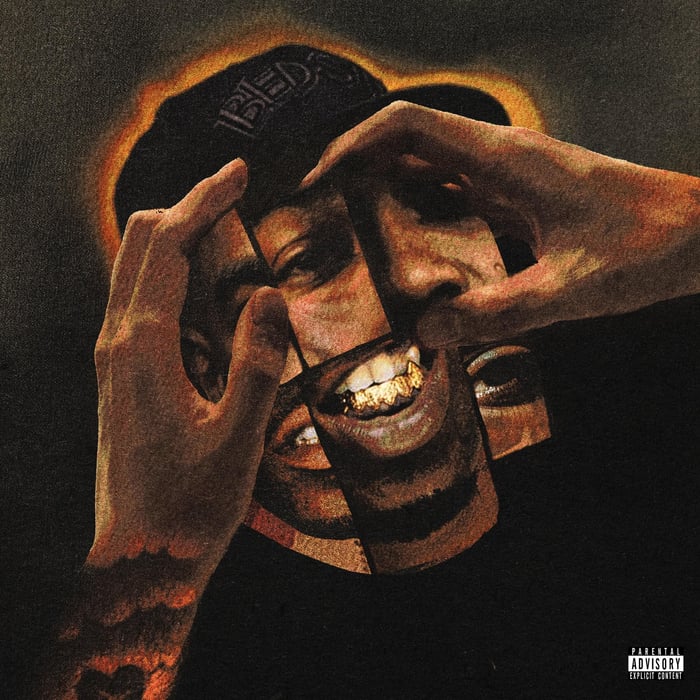
Action Figure 973 (Aklo) sounds like he built this album to prove an MC in 2026 can still win by being stubborn, not trendy—head down, moving like consequences are optional. Artificer produces the entire thing, and the production doesn’t chase shine. It’s more like a narrow hallway Aklo has to sprint through without scraping his shoulders. Arguably, that constraint is the album’s whole thesis: the lane is tight on purpose, so the willpower has to be loud.
The real flex isn’t the bars—it’s the refusal to breathe
Once “Puerto Rican Pyramids” hits, Aklo’s approach becomes obvious: he doesn’t “get into” a verse, he enters it sideways and starts stacking references like he’s trying to overload the listener’s short-term memory.
His second verse snaps in around “sloppy top, back to back sold out drops,” and then he’s ricocheting—knots, wrist locks, Faith Evans apologizing to Tupac, a Puerto Rican pyramid rising into the sky, Babe Ruth’s Dominican heritage, a Spanish-language Trump insult, and then an ancestral warning that basically says nobody else gets to have the “ill run” again as long as he’s breathing.
That could’ve been corny. It isn’t, because he doesn’t slow down to wink at you. The cadence stays locked. The brag becomes something older and heavier without announcing the change. That’s the trick: he’s not performing “concept rap,” he’s performing stamina. Other rappers leave space for the beat to look expensive. Aklo fills the space until the beat feels like it’s the one gasping.
Artificer helps by pinning him inside dusty sample chops and shuffled drums pitched low, horns mixed in a way that makes Aklo’s voice feel like the heat source in the room. You don’t “vibe” to this so much as you hang on. A reasonable listener could argue the beats are too boxed-in, but I think that’s exactly why the verses land like they do—there’s nowhere to hide.
Harley Race isn’t a mascot here—he’s a threat
Harley Race has been gone since 2019, and archival audio runs through the album like a dead man’s commentary track. That could’ve turned into a cheap gimmick fast. Instead, one clip changes the meaning of the song around it so hard it almost feels unfair.
“Harley Warned Bruiser About Puerto Rico” ends with Race telling a story: he warned Bruiser Brody (Frank Goodish) not to go to Puerto Rico making demands, because he wouldn’t come back alive. Brody was stabbed to death in a San Juan dressing room in July 1988. That last minute of audio doesn’t just add atmosphere—it rewrites what you thought you heard earlier.
Because three minutes before, Aklo drops a chorus line—“I’m in Puerto Rico plotting backlash like Bad Bunny”—and on first pass it can register like a stunt, a Shane McMahon-ish move where the reference is the point. But once Race finishes his warning, that chorus gets folded into something nastier: Puerto Rico stops being a pop-culture pin and becomes a place with actual blood memory attached.
I’m not totally sure if Aklo planned that emotional trapdoor or if it just happens because the archival clip is that heavy. Either way, the effect is real. And it’s arguably the album’s most “Harley Race” moment: the record lets you think it’s playing until it suddenly isn’t.
The modern references are the tell: this isn’t nostalgia rap
Here’s what surprised me: for a concept built on an old wrestling god, Aklo’s references stay aggressively current. That’s rarer than it should be, especially this late in the concept-rap cycle where people love to cosplay eras they didn’t live through.
On “Puerto Rican Pyramids,” he says, “Wrote this the day Hogan died and prayed he didn’t get into Heaven,” and that line lands because it’s pinned to a real-time news cycle—written from inside the moment, not after the fact. “Bred 11’s” slides in a Camp Mystic reference—the Texas flash flood that killed twenty-seven at a girls’ camp last July—tucked into traffic wordplay like the world’s worst passing thought.
That’s the album’s attitude in a nutshell: terrible things happen, and the verse keeps moving anyway. It’s not numbness exactly. It’s the sound of someone refusing to pause for a respectful silence because the mission is to finish the round.
Elsewhere, he drops names like Selena, Obie Trice, Danny Ainge dunking on Drexler, Necro Butcher as a dead-body-disposal reference, and the Ohio Players as a range-brag. And on “Harley Warned Bruiser,” he invokes Rashad Jackson’s son via the Syko Stu squared-circle death—an “if you know, you know” obituary pull that only makes sense if wrestling databases are basically your morning paper.
You can disagree and say it’s all just reference tourism. I don’t think it is. The modernity feels like a creative decision: he’s refusing to let the Harley Race frame turn the album into a museum.
“WWF Ice Cream Bars” turns grief into fuel, somehow
The only non-archival guest is Brother Tom Sos, and his appearance on “WWF Ice Cream Bars” is the album’s most human minute. He raps about losing a sibling—“My brother died, we went to war every day to even score”—and then slips into the Drowning Pool “let the bodies hit the floor” line. That pivot shouldn’t work. It does, because grief messes with your phrasing like that; you reach for whatever words are still usable.
It’s the most honest second on the tape, and it forces the album to prove it can hold something fragile without turning it into content.
Aklo answers with what he does best: stacking. A Yokozuna uranage, a Bobo Brazil favela brag, an Insane Clown Posse persistence nod—and then, dead center, the line that ties the whole exchange together: “Work ethic that Harley Race instilled.”
Going from a dead brother to a long-gone wrestler in sixteen bars should be unwatchable. It isn’t, because by track nine Aklo has already turned Race into more than a work-ethic mascot. Race becomes a grief figure too—someone who stands in for the idea that you keep going because stopping doesn’t bring anyone back.
My first impression was that the wrestling frame would shrink the album, make it novelty-adjacent. On second listen, it does the opposite: it gives Aklo a language for loss that doesn’t sound like a therapy session.
Late in the album, the concept starts repeating itself—and you feel it
The late sequence gets weaker returns using the same trick.
On “Blame Game,” the hook credits labelmate Ty Farris and label head Martin Camarda for Aklo’s success, but the verses don’t actually follow that idea anywhere. Instead, they veer into Triple H brags, Teddy Long shouts, a Vince Russo line—fun names, sure, but they don’t cash the hook’s check. It’s like the song introduces a point and then gets bored mid-argument.
And “Harley Pulling a Gun on Hogan” is worse on paper and sharper in practice, which is a weird compliment but an honest one. The title leans on an alleged backstage incident during Hogan’s rise, and Aklo rides the title’s built-in drama without fully translating what “the gun” means to him. Earlier tracks let the archival audio supply stakes; here, the concept almost coasts on wrestling lore alone.
This is the mild problem with building an album around temperament: if the temperament is “stubborn,” some songs will accidentally feel stubborn in the unflattering way—like they refuse to revise themselves.
Still, I’d argue even the weaker late tracks prove something: Aklo’s default mode is motion. If a theme doesn’t deepen, he’ll outrun that fact with momentum.
The key bar is tossed off like it’s nothing—and that’s the point
Aklo hides what feels like the record’s mission statement in a spot that barely asks for attention. Eight bars into the second verse of “Bred 11’s,” between a vinyl-catalog arch and that Camp Mystic line, he drops:
“Knowing how to move critical, I was the only rapper Harvey Race listened to.”
The “Harvey” in the lyric sheet reads like either a typo from the mix side or something Aklo just decided to keep, and he doesn’t stop to correct it. The bar passes and the verse keeps running. That nonchalance tells you a lot: he wants the confidence to feel casual, like bragging is just another breath.
Then the album hands the last minute to Harley Race again—this time an early-’80s conversation with interviewer Gordon Solie. Race talks about training Dusty Rhodes, then shifting mid-title run to face Ric Flair, already six championship reigns deep, losing in Japan one week and winning the rematch the next. His last words on the tape: “The big seven is up.”
He’d go on to win an eighth NWA title after that audio. Even in the clip, you can hear the blueprint thinking. The album ends on that planning-out-loud energy, like the whole point of invoking Harley Race wasn’t “look what I know,” but “watch how I move.”
And that’s where the core keyword—Harley Race—stops being decoration and becomes the album’s actual method: speed, defiance, and the quiet belief that rules are mostly for other people.
Conclusion
What Would Harley Race Do? is Aklo betting that temperament matters more than trend-chasing—then rapping like he can’t afford to be wrong. When it hits, it hits because the archival audio isn’t nostalgia; it’s pressure. When it slips, it’s usually because the concept repeats instead of tightening. But even then, the album’s best trick remains intact: it keeps moving so hard you end up believing motion is a philosophy.
Our verdict: This will click for listeners who like dense verses, wrestling lore used like emotional shorthand, and production that stays gritty instead of flattering. If you need big hooks, clean space, or songs that “open up,” you’ll probably get annoyed and start bargaining with the skip button by track ten.
FAQ
- Is this a wrestling rap novelty album?
Not really. Wrestling is the framing device, but the real obsession is work ethic, consequence, and how people talk when they’re committed to not slowing down. - Who is Action Figure 973 here?
It’s Aklo—an MC/producer recording under multiple names—rapping like this album is a test of stubbornness more than style. - What does Artificer’s production actually sound like?
Dusty sample chops, low-pitched drums, and narrow mixes that keep the vocals out front. The beats don’t “sparkle”; they corral. - What track best explains the album’s intent?
“Harley Warned Bruiser About Puerto Rico.” The archival audio at the end changes how the earlier lines land, which is the album’s whole game. - Is there a weak stretch?
Yes—late in the record, “Blame Game” doesn’t follow its own hook, and “Harley Pulling a Gun on Hogan” leans on lore without fully personalizing it.
If you want something physical to match the album’s whole “iconography as pressure” vibe, you can shop a favorite album cover poster at our store: https://www.architeg-prints.com. It’s a nice way to let the wall do some of the talking.
 | DISCOUNTGET 30% OFF*Use code on your next order:
|
* This post may contain affiliate links, meaning we earn a commission if you make a purchase through these links, at no additional cost to you.